



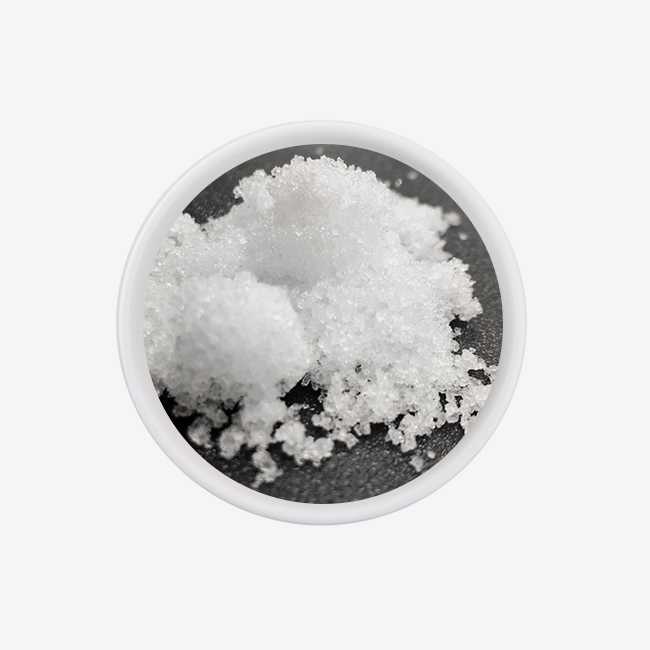
Pastry Sodium Acetate Trihydrate
CAS NO.: 6131-90-4
Molecular Formula: CH3COONa·3H2O
Molecular Weight: 136.08
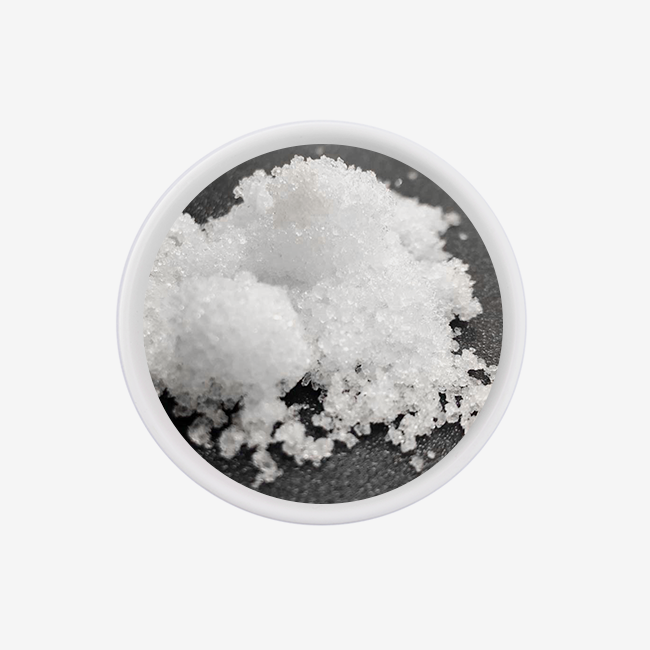
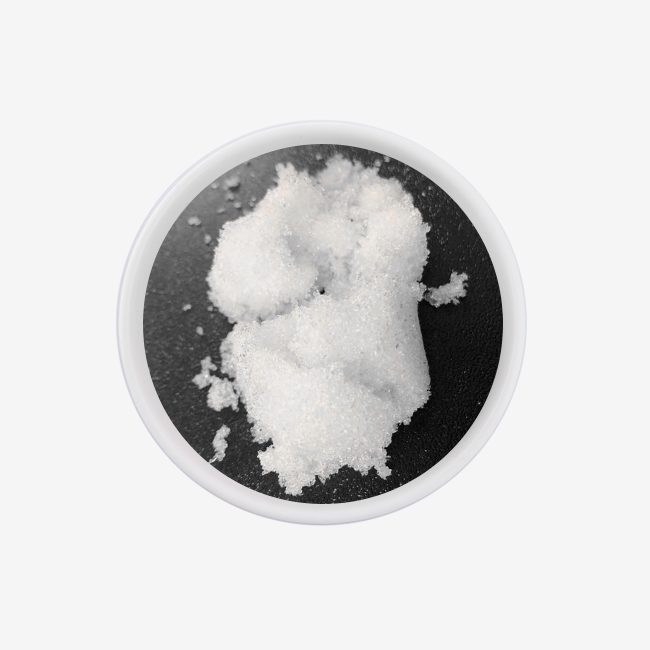
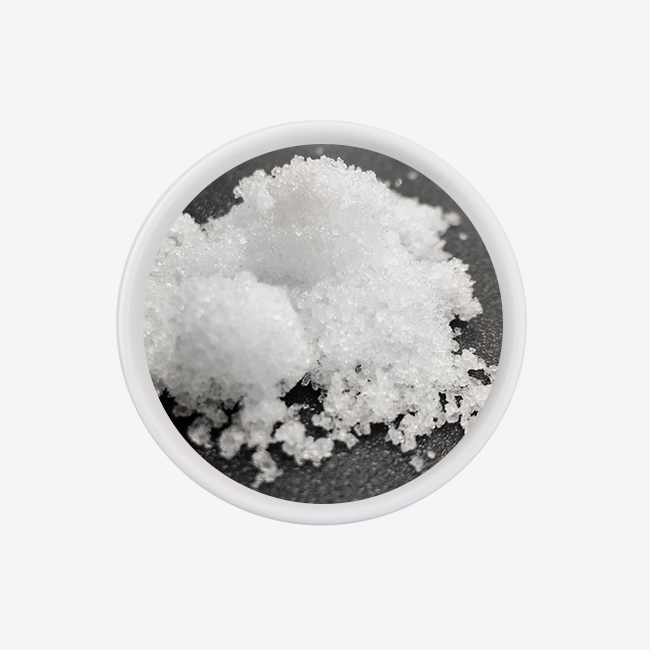
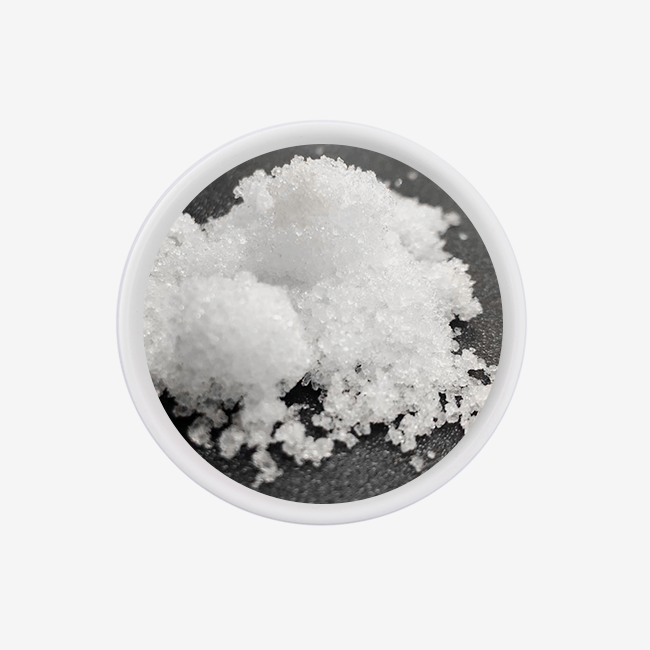
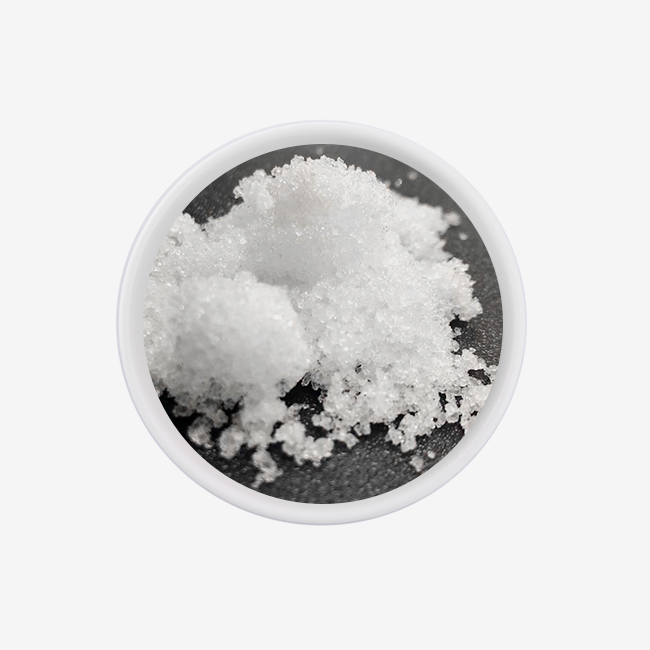
Character: Colorless crystal, it is soluble in water and alcohol and lightly soluble in acetic acid; specific gravity:1.45; melting point: 58℃.
Usage:It should be stored in a dry and ventilative warehouse, kept away from heat and moisture during transportation, unloaded with care so as to avoid damage. Furthermore, it must be stored separately from poisonous substances.
Package: 25kg plastic woven bag or 1000kg Ton-bag
Storage: It should be stored in a dry and ventilative warehouse, kept away from heat and moisture during transportation, unloaded with care so as to avoid damage. Furthermore, it must be stored separately from poisonous substances.
- Product Description
Pastry Sodium Acetate Trihydrate – Premium Food-Grade Buffer & Preservation Solution
SHANXI ZHAOYI CHEMICAL CO., LTD brings you Pastry Sodium Acetate Trihydrate (CAS 6131-90-4), a food-grade chemical compound specifically engineered for industrial baking applications. With our 150,000-ton annual production capacity established since 1988, we deliver consistent quality across a 27,000 m² manufacturing base.
Our product maintains 99-100% purity with superior moisture stability (specific gravity: 1.45, melting point: 58℃). This colorless crystalline acetate provides precise pH buffering in high-moisture pastries, extending shelf life while preserving texture and taste. Certified with ISO, KOSHER, and HALAL standards, you receive reliable protection against rope formation and mold growth without compromising fermentation performance in yeast-raised goods.
Key Features & Benefits
Your generation requests accuracy, and our item conveys precisely that. The item offers numerous focal points over routine additives in commercial pastry shop operations.
Superior Maturation Compatibility: Unlike calcium propionate, this compound doesn't hinder yeast movement. You get steady mixture rise and ideal volume in sweet rolls, danishes, and improved breads without relinquishing conservation efficacy.
Clean Flavor Profile: The gentle, somewhat salty-vinegar taste mixes consistently into baked good definitions. You dodge the biting delayed flavor impression commonly related with conventional form inhibitors, keeping up your product's premium positioning.
Multi-Functional Performance: Beyond conservation, it stabilizes natural product fillings by buffering sharpness. Your lemon tarts and berry cakes keep up basic keenness without sogginess, whereas pectin-based coats hold ideal gel quality all through rack life.
Process-Friendly Characteristics: The crystalline structure breaks down promptly in water and liquor. Your computerized dosing frameworks handle it proficiently when put away appropriately, guaranteeing uniform conveyance in large-scale clump blending.
Technical Specifications
Parameter | Specification |
Chemical Name | Sodium Acetate Trihydrate (Food Grade) |
CAS Number | 6131-90-4 |
Molecular Formula | CH₃COONa·3H₂O |
Molecular Weight | 136.08 g/mol |
Appearance | Colorless crystal |
Content (CH₃COONa·3H₂O) | 99-100% |
Free Alkali | ≤0.12% |
Potassium (K) | ≤0.01% |
Lead (Pb) | ≤0.0005% |
Arsenic (As) | ≤0.0001% |
Free Water | ≤0.1% |
Specific Gravity | 1.45 |
Melting Point | 58℃ |
Solubility | Soluble in water and alcohol; slightly soluble in acetic acid |
How It Works?
Understanding the component makes a difference you optimize definition procedures. This acetic acid derivation salt capacities through three essential pathways in your baked good systems.
pH Buffering Action: When broken up in mixture or player, it keeps up pH inside the 5.0-6.5 extend. This slight causticity anticipates Bacillus spore germination—the cause of rope arrangement in breads—while keeping the environment unbiased sufficient for appropriate Maillard browning responses amid baking.
Synergistic Preservation: Combined with acidic corrosive actually display in matured batters, it makes an unwelcoming environment for shape and bacterial development. You accomplish amplified rack life without depending exclusively on high-concentration additives that compromise clean-label positioning.
Structural Stabilization: In high-moisture applications like wipe cakes, it directs water movement (aw). By controlling dampness movement between filling and cake layers, you anticipate surface debasement that leads to client complaints and item returns.
The trihydrate shape gives predominant dealing with characteristics. The three water atoms in its gem structure offer soundness amid transport whereas discharging continuously amid blending, guaranteeing steady execution clump after bunch.
Our Factory
30-YEAR ACETATE SPECIALIST | Non-caking, High Purity, Global Supply Chain


Applications
Pastry Sodium Acetate Trihydrate serves diverse industrial baking scenarios where quality and longevity matter. Your production line benefits from its versatility across multiple product categories.
Yeast-Raised Sweet Goods: Add 0.1%-0.4% based on flour weight in danishes, sweet rolls, and enhanced breads. You'll avoid rope improvement in high-volume mechanized generation whereas keeping up the light, vaporous surface your clients expect.
High-Moisture Cakes and Muffins: Incorporate 0.3%-0.5% of flour weight in wipe cakes and cupcakes. The compound works synergistically with characteristic natural acids to stifle form development, amplifying rack life by 3-7 days without influencing piece softness.
Fruit-Filled Pastries: Use in lemon tarts, berry danishes, and natural product pockets where acidic fillings contact baked good shells. It buffers the filling's pH, anticipating enzymatic breakdown of the encompassing batter structure and keeping up crisp-tender surface all through distribution.
Biscuits and Cookies: Apply 0.5%-0.8% of flour weight to avoid dampness retention and softening amid capacity. Your items keep up freshness in muggy climates, decreasing squander and client dissatisfaction.
Mooncakes and Conventional Pastries: Add 0.8%-1.2% based on filling weight to restrain shape in high-sugar, high-fat fillings. You protect color, flavor, and security amid amplified rack life prerequisites for regular items.


Pastry Sodium Acetate Trihydrate vs Other Products
Feature | Pastry Sodium Acetate Trihydrate | Calcium Propionate | Potassium Sorbate |
Impact on Yeast | Minimal – maintains fermentation volume | Moderate – can inhibit rise | Minimal |
Flavor Profile | Mild, salty-vinegar (blends well) | Bitter aftertaste | Neutral to slightly acidic |
pH Buffering | Excellent – stabilizes 5.0-6.5 range | Limited | Minimal |
Browning Support | Promotes consistent Maillard reaction | Can cause pale crust | Neutral effect |
Moisture Stability | Moderate – requires proper storage | High stability | High stability |
Clean Label Perception | Good – recognized as acidity regulator | Fair – chemical preservative image | Good |
Typical Dosage | 0.1%-0.5% flour weight | 0.1%-0.3% flour weight | 0.05%-0.2% product weight |
Primary Use | Rope prevention, pH control, buffering | Mold/rope inhibitor | Mold inhibitor (surface) |
Certifications & Compliance
Your supply chain requires verified safety documentation. SHANXI ZHAOYI CHEMICAL CO., LTD maintains rigorous quality standards recognized globally.
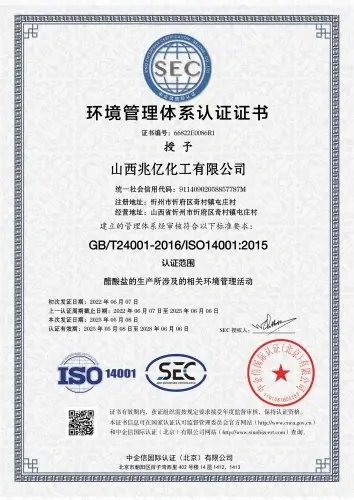
International Certifications: Our facility holds ISO quality management certification, ensuring consistent production protocols. KOSHER and HALAL certifications enable you to serve diverse religious dietary markets without reformulation.
Regulatory Approval: The product meets FDA GRAS (Generally Recognized as Safe) status and EU approval as E262 (acidity regulator). You can confidently label it according to regional requirements, whether as "Sodium Acetate," "Acidity Regulator (E262)," or "Vinegar Salt" for clean-label positioning.
Testing Standards: Every production batch undergoes comprehensive analysis for purity, heavy metals, and microbiological safety. You receive certificates of analysis documenting compliance with food-grade specifications, supporting your HACCP and quality assurance programs.


Packaging Options
We offer adaptable bundling arrangements outlined for commercial pastry shop operations. Your requesting and capacity prerequisites decide the ideal configuration.
Standard 25kg Multi-Ply Bags: Inner PE liner with external polypropylene woven pack guarantees dampness assurance amid transport. Each sack highlights nourishment added substance uncommon markings and clump traceability codes for stock management.
Bulk 1000kg Ton-Bags: For high-volume operations, our ton-bags decrease dealing with time and bundling squander. Food-grade development with dust-tight closures keeps up item keenness from manufacturing plant to your blending room.
Custom Bundling Available: If your office requires particular pack sizes, labeling groups, or bed arrangements, we oblige custom demands for container-load orders.
All bundling incorporates clear capacity informational: keep up temperatures underneath 30℃ in dry situations with relative stickiness ≤65%. Once opened, reseal promptly and utilize inside 48 hours to avoid dampness retention that can cause clumping in computerized dosing frameworks.
Packing

Manufacturing Process
Our generation strategy guarantees you get reliable quality with each shipment. Decades of acetic acid derivation fabricating skill advise our controlled process.
Raw Fabric Selection: We source high-purity acidic corrosive and sodium carbonate from certified providers. Approaching materials experience thorough testing some time recently entering generation, dispensing with contaminants that seem influence nourishment safety.
Controlled Crystallization: The response happens in jacketed vessels with exact temperature control. Moderate crystallization at optimized conditions produces uniform trihydrate gems with perfect molecule measure dissemination for simple dissolution.
Multi-Stage Purification: Crystalline item experiences washing cycles to expel follow pollutions. Centrifugation and controlled drying at temperatures underneath 60℃ protect the trihydrate structure whereas accomplishing target dampness content.
Quality Verification: In-process testing screens immaculateness, pH, and overwhelming metal levels. As it were clusters assembly food-grade details progress to bundling. Our 60-person group incorporates committed quality control masters who approve each generation run.
Traceability Systems: From crude fabric receipt through last bundling, we keep up total bunch records. You can follow any conveyance back to particular generation dates, supporting your review anticipation and quality confirmation conventions.
Shipment


Why Choose Us?
SHANXI ZHAOYI CHEMICAL CO., LTD combines fabricating scale with customer-focused benefit. Your association with us brings substantial operational advantages.
Proven Experience: Since 1988, we've specialized only in acetic acid derivation items. You advantage from 35+ a long time of definition information and application investigating over differing heating challenges.
Production Reliability: Our 150,000-ton yearly capacity guarantees steady accessibility. You won't confront supply disturbances amid crest generation seasons or startling request spikes.
Global Reach: We serve clients over Europe, America, and Asia with set up coordinations organizations. Your orders arrive on plan with legitimate documentation for traditions clearance and nourishment security compliance.
Technical Support: Our group gives measurement proposals based on your particular baked good sorts and generation strategies. When you experience definition challenges, we offer viable arrangements drawn from broad industry applications.
Innovation Commitment: We ceaselessly refine generation strategies to move forward item execution and supportability. Your get to to moved forward details keeps you competitive without requiring provider changes.
Integrity-Based Partnership: We prioritize long-term connections over value-based deals. You get straightforward communication, solid quality, and responsive benefit that bolsters your trade development.


FAQ
Q: How does this product compare to Calcium Propionate for preservation?
A: While Calcium Propionate is a standard mold inhibitor, it can inhibit yeast activity and impart a bitter taste. Our product is preferred in yeast-raised sweet goods because it has less impact on fermentation volume and a milder flavor profile that blends well with pastry recipes.
Q: What is the optimal dosage range?
A: The standard industry dosage ranges from 0.1% to 0.5% based on flour weight. Excessive use (>0.5%) may result in elevated pH that could negatively impact crumb whiteness and result in a soapy taste. We recommend starting at 0.2% and adjusting based on small-scale trials.
Q: Is this ingredient hygroscopic, and how should it be stored?
A: Yes, the trihydrate form is relatively stable but can lose water in dry air or cake in high humidity. Store in multi-ply, moisture-proof bags in a cool, dry environment (<30°C, RH ≤65%) to prevent clumps that hinder automated dosing systems.
Q: Can this ingredient be used in 'Clean Label' pastry products?
A: Yes, it is GRAS-approved by the FDA and recognized in the EU as E262. For strict clean-label marketing, you can list it as "Vinegar Salt" or "Acidity Regulator" depending on local labeling legislation.
Q: Does it affect the browning/Maillard reaction?
A: Indirectly, yes. By buffering the pH, it prevents dough from becoming too acidic. Since the Maillard reaction occurs more readily at neutral to slightly alkaline pH levels, proper use ensures consistent golden-brown crust color.
Q: What are the specific addition ratios for different pastries?
A: For cakes and sponges: 0.3%-0.5% of flour weight for improved batter stability. For biscuits: 0.5%-0.8% to prevent moisture absorption. For mooncakes and fillings: 0.8%-1.2% of filling weight to inhibit mold. We provide technical support to help you optimize ratios for your specific production processes.
Q: What is the shelf life?
A: Unopened packages maintain quality for 12 months when stored properly. If the product exceeds this period, re-inspection is required before use to verify it still meets specifications.
Request a Quote
Ready to enhance your pastry quality and shelf life with Pastry Sodium Acetate Trihydrate? Our team responds within 24 hours: sxzy@sxzhaoyi.com

USER EVALUATE
Here is the customer's evaluation of us
YOU MAY LIKE
 VIEW MOREBeverage Sodium Acetate Trihydrate
 VIEW MOREDairy Product Sodium Acetate Trihydrate
 VIEW MORECondiment Sodium Acetate Trihydrate
 VIEW MORECosmetic Sodium Acetate Trihydrate
 VIEW MOREFresh-Keeping Sodium Acetate Trihydrate
 VIEW MOREPreservative Sodium Acetate Trihydrate
 VIEW MOREMeat Sodium Acetate Trihydrate
 VIEW MOREChemical Fiber Sodium Acetate Trihydrate