



Application Instructions for Cosmetic Grade Sodium Acetate for Textured Adjustment of Hair Care Products
In the production of hair care products such as shampoo, shower gel, conditioner, and hand soap, the texture, viscosity, foam state, and formulation stability of the product directly determine user experience and market competitiveness. Traditional regulators often exhibit pain points such as fluctuating viscosity, coarse foam, thinning at high temperatures, layering at low temperatures, and a dry skin sensation. Cosmetic-grade sodium acetate (INCI name: SODIUM ACETATE, main content ≥99.5%, compliant with INCI, EU EC 1223/2009, and China Cosmetic Safety Technical Specifications) is a core texture-regulating raw material specifically designed for hair care product manufacturers, suitable for large-scale production of all categories of hair care products. Details are as follows:
1.key role
This product is a specialized multifunctional texture stabilizer for cleansing and skincare products. As a viscosity regulator, it precisely controls the consistency of the cleansing system, preventing uneven thickness and abnormal fluidity. As a foam optimizer, it enhances the foaming effect of surfactants, resulting in a denser, finer, and more stable foam, thereby improving the user experience. Simultaneously, as a pH buffer, it stabilizes the acidity and alkalinity of the formulation, addressing industry challenges such as dilution at high temperatures, solidification and delamination at low temperatures, and significant batch variations. Additionally, it optimizes the rinsing sensation, reducing post-cleansing skin tightness and hair dryness. It synergizes with various anionic and nonionic surfactants to enhance the overall stability of the formulation.
2.product superiority
Ultra-high purity with minimal impurities, free from harmful residues such as heavy metals and fluorescent agents, compliant with global cosmetic regulatory standards. Gentle and non-irritating, suitable for sensitive skin and infant care products. Excellent water solubility ensures rapid dissolution without sedimentation or clumping, facilitating easy addition without affecting production efficiency. Strong compatibility with surfactant systems, adaptable to various mainstream care formulations without causing incompatibility. Superior pH buffering performance maintains product viscosity stability across seasonal temperature variations, significantly reducing defect rates. Achieves ideal regulation with minimal dosage, offering high cost-effectiveness and effectively lowering production costs for enterprises.
3.usage method
Shampoo/Bath gel: Add 0.3%–1.5% of the total formula weight during the aqueous phase preparation stage, stir until completely dissolved, then incorporate the surfactant;
Conditioner/Hair Mask: Add 0.5%–2.0% of the total formula weight, mix uniformly with water-based ingredients to enhance the fineness and stability of the paste.
Hand soap/face wash: Add 0.2%–1.2% of the total formula weight during mixing, ensuring uniform foam and texture.
4.frequently asked questions
This product exhibits certain hygroscopic properties and should be stored in a cool, dry, sealed, and light-protected environment to prevent moisture absorption and clumping, which may affect material feeding. Excessive addition may cause a sharp increase in system viscosity and reduced fluidity, necessitating strict control of the addition ratio. Direct mixing with high-concentration strong acid raw materials should be avoided to prevent localized reactions that may lead to formulation turbidity and stratification.
5.Industry Case
A leading personal care company specializing in household shampoos, bath gels, and infant products previously relied on traditional inorganic salts for texture regulation. This approach caused significant batch-to-batch viscosity variations, product thinning in summer, winter stratification, and coarse foam, resulting in persistently high return rates. After adopting cosmetic-grade sodium acetate to optimize the formula, the company achieved a 50% reduction in batch-to-batch viscosity deviation (from 5.3% to 0.6%), 100% seasonal stability compliance, a 60% increase in foam density, and a smooth, non-tightening rinse sensation. The infant formula also passed sensitive skin testing. The product successfully obtained EU cosmetic registration and was exported to Western and Southeast Asian markets, with sales growing by 62% year-on-year and repurchase rates increasing by 45%. It has become the benchmark solution for texture regulation in personal care products.

USER EVALUATE
Here is the customer's evaluation of us
YOU MAY LIKE
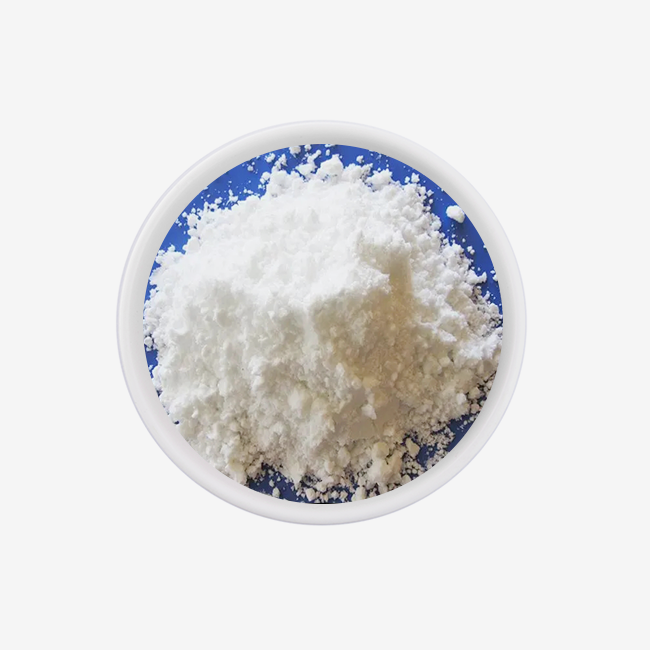 VIEW MOREIndustrial Solid Sodium Formate
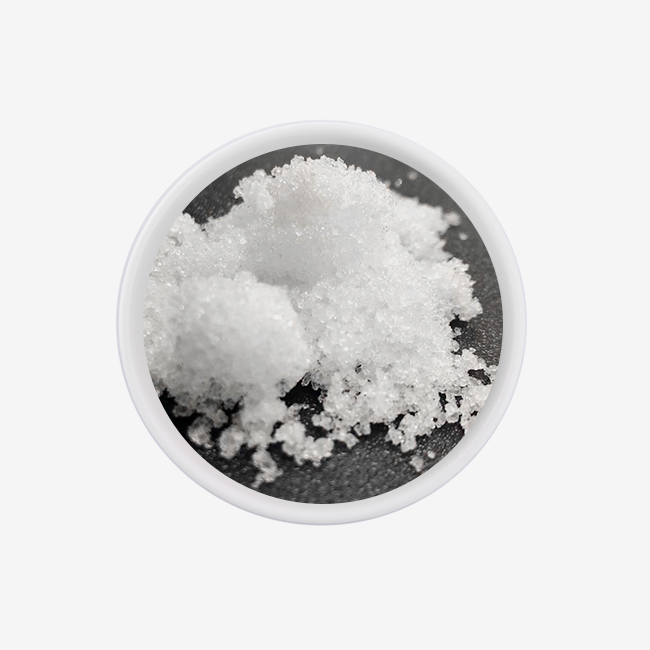 VIEW MOREMeat Sodium Acetate Trihydrate
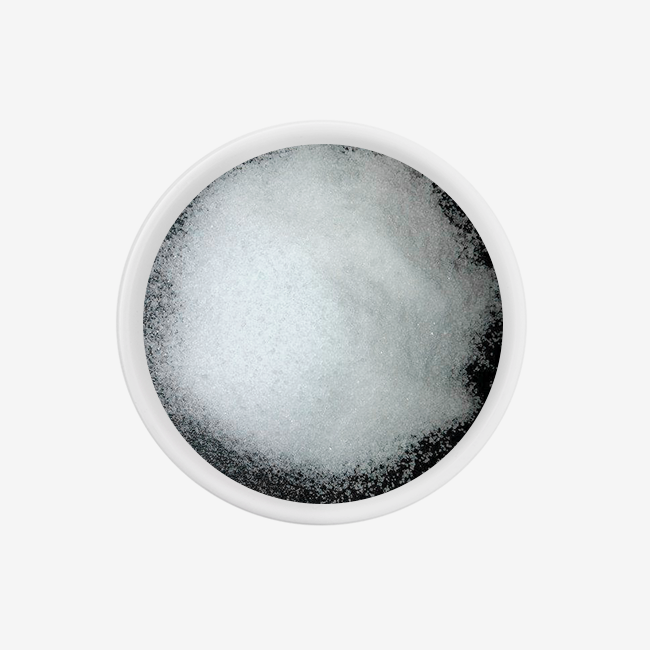 VIEW MOREFeed-Grade Sodium Diacetate
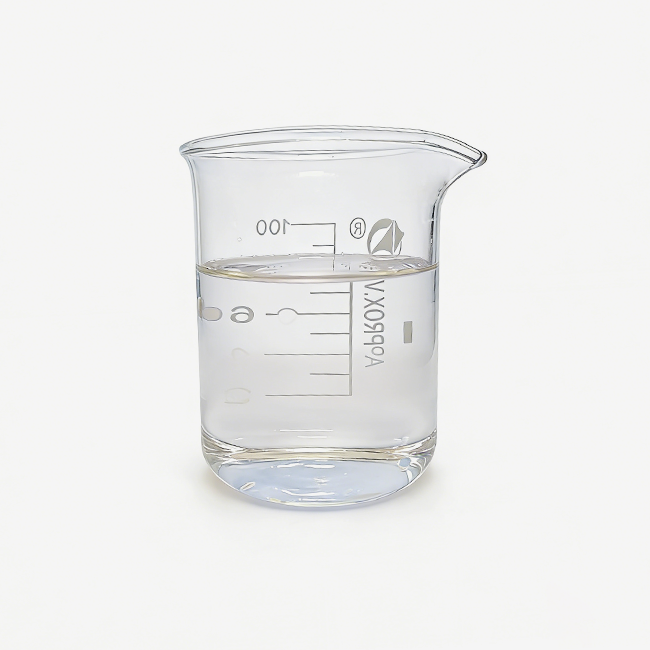 VIEW MOREOilfield Liquid Potassium Acetate
 VIEW MORESnow Melting Solid Potassium Acetate
 VIEW MOREDyeing Sodium Acetate Anhydrous
 VIEW MORESnow Melting Solid Sodium Formate
 VIEW MORESewage Sodium Acetate Trihydrate