



Airport Runway Solid Potassium Acetate Helps Maintain Safe Takeoff Conditions
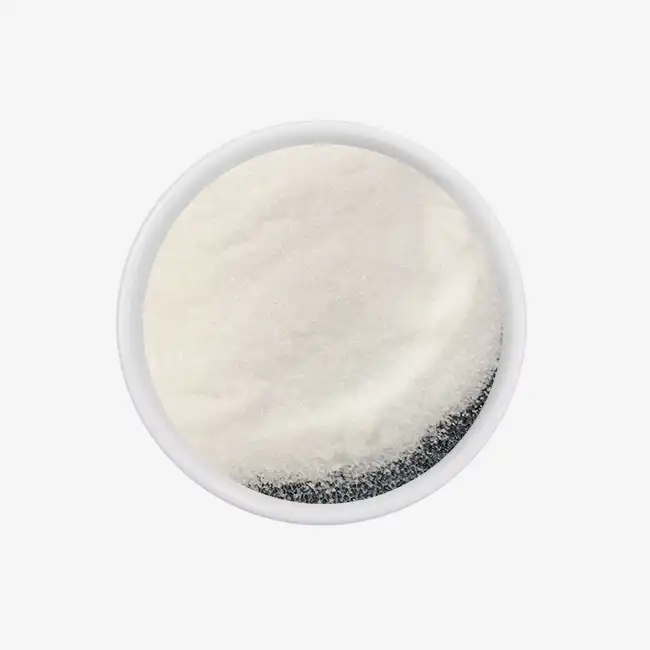
When temperatures plummet and winter storms sweep across airport infrastructure, runway de-icing becomes a matter of life and death. Airport Runway Solid Potassium Acetate(CAS NO.: 127-08-2) has emerged as the aviation industry's reliable answer to maintaining safe takeoff conditions in extreme cold. This white crystalline compound (molecular formula CH₃COOK) delivers exceptional ice-melting performance down to -60°C while protecting aircraft components and meeting stringent environmental standards. Unlike traditional chloride-based de-icers that corrode metals and damage concrete, this acetate-based solution offers airports a sustainable, effective approach to winter operations without compromising safety or infrastructure integrity.
Understanding Solid Potassium Acetate and Its Role in Runway Safety
In cold places, de-icing the runway is a big problem for airports that need to work. Winter weather delays cost the airline industry billions of dollars every year, and takeoffs that aren't de-iced properly can be very dangerous. The chemical solution you pick has a direct effect on how long operations can go on, how safe the planes are, how well you follow environmental rules, and how much it costs to maintain infrastructure over time.
Chemical Composition and Core Properties
It is called Airport Runway Solid Potassium Acetate (CAS NO.: 127-08-2), and it is a special mixture made just for flight uses. The molecular weight of this compound is 98.14, and its purity level is ≥99.0%. It dissolves very easily in water, acids, and alcohols. When it comes in contact with ice, the white crystalline structure dissolves quickly, starting an exothermic reaction that speeds up the melting process. With a bulk density of 0.8 to 0.9 g/cm³, the granules stay steady on airport surfaces even when there is a jet blast. This keeps the wind from spreading the granules around inefficiently while they are being applied.
Superior Low-Temperature Performance
Traditional de-icers that use urea stop working below -7°C, which leaves dangerous breaks in service during bad weather. This acetate formulation keeps working properly at temperatures as low as -60°C, so your runway operations won't be interrupted by bad weather. The optimized particle size distribution cuts through layers of ice up to 6 mm thick, making brine pockets that make removal easier. Because it can handle a wide range of temperatures, it is an important resource for airports in northern latitudes and facilities at high altitudes where it is common for it to be very cold.
Environmental and Safety Advantages
Environmental duty is now an important part of running an airport. This potassium acetate solution breaks down naturally without giving off dangerous ammonia fumes that pollute water systems. The mixture is not harmful to aquatic life and follows the rules set by the EPA for watershed discharge. The non-corrosive property keeps airplane aluminum, magnesium, and cadmium-plated parts from breaking down, which increases the life of equipment and lowers the cost of upkeep. The 15% solution's pH range of 9.0 to 10.5 makes it compatible with runway asphalt, concrete, and electrical systems. This keeps structures from breaking down as often happens with chloride salts.
Comparing Solid Potassium Acetate with Alternative Runway De-Icing Solutions
Knowing how different de-icing agents work helps people who work in buying make choices that meet business needs and stay within budget. That means that each choice has its own pros and cons that affect safety, the environment, and the total cost of ownership.
Performance Against Traditional Chloride-Based Products
Advantages Over Urea Formulations
People started using urea-based de-icers because they were thought to be better for the environment, but scientific evidence shows that they are actually very bad for the environment. When urea breaks down into ammonia, it makes the water in nearby streams toxic for marine ecosystems. Because the compound only works at a low temperature (-7°C at its coldest), it can't be used during severe cold spells, when reliable de-icing is most needed. Aviation-grade potassium acetate gets around both of these problems by working well at high and low temperatures without polluting the air with ammonia.
Comparison with Liquid De-Icing Systems
Practical Guide to Applying Solid Potassium Acetate for Optimal Runway Maintenance
Effective application methods improve deicing performance while reducing the amount of materials used and the damage they cause to the environment. Knowing the right way to handle things keeps people safe and makes products last longer by storing them correctly.
Application Timing and Dosage Recommendations
Reactive de-icing doesn't work as well as proactive anti-icing. Applying Airport Runway Solid Potassium Acetate(CAS No.: 127-08-2) before it starts to rain stops ice from sticking to the ground, which means 30–40% less material is needed than if the ice layers were already gone. Rates of application are usually between 50 and 150 kg per 1,000 square meters, but they can be changed depending on the thickness of the ice, the temperature outside, and the amount of rain falling. When solid pellets are mixed with liquid recipes in pre-wet applications, they stick better in windy conditions and make sure the material stays on target surfaces instead of spreading to other areas.
Safety Protocols for Personnel and Equipment
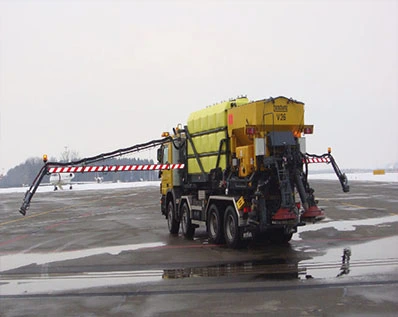
Procedures for handling must protect ground crew while keeping operations running smoothly. The alkaline nature (pH 9.0–10.5) may irritate the skin if it comes into contact with it for a long time, so workers should wear gloves and eye protection. Spreading equipment that has been calibrated makes sure that the material is spread evenly across the runway surfaces. This keeps the surface from being too wet, which makes it slippery, or too dry, which leaves dangerous ice patches. Modern GPS-guided spreaders place materials more efficiently, reducing waste while ensuring full covering of important landing and takeoff zones.
Storage and Shelf Life Management
Because potassium acetate is hygroscopic, it needs to be stored carefully to keep its usefulness. Warehouses should be kept dry, well-ventilated, and with a relative humidity below 60%. They should also be kept away from direct heat. The product stays fully effective for two years if it is stored properly in sealed containers like 25 kg woven bags or 1000 kg ton bags with moisture-proof packaging. Rotation routines should give priority to older inventory to keep it from going bad, and emergency stocks should be kept ready for quick use when the weather quickly gets worse.
Procurement Insights: How to Source and Purchase Solid Potassium Acetate for Airport Runway De-Icing
Strategic planning for buying things makes sure that supplies will always be available during the busy winter months, when demand rises in many places at the same time. Supply chain disruptions can be avoided by finding dependable suppliers with enough production capacity and quality certifications.
Evaluating Supplier Qualifications and Certifications
Quality control starts with choosing the right provider. Manufacturers who meet SAE AMS 1431E standards show that they follow the rules set by the airline industry for deicing goods used on runways. ISO 9001 certification means that a company has strong quality management systems. ISO 14001 and ISO 45001 certifications show that a company cares about the environment and is committed to safety at work. Suppliers that do business with other countries should keep their KOSHER and HALAL certifications up to date to meet a variety of compliance needs. Before you accept delivery, make sure the goods meet your needs by asking for proof of batch testing that includes particle size distribution analysis, rust sandwich testing results, pH verification, and heavy metal content reports.
Understanding Lead Times and Ordering Cycles
Standard orders usually take between 5 and 7 working days to be made, but manufacturers who keep extras of Airport Runway Solid Potassium Acetate on hand can meet urgent requests more quickly. When demand is high in the winter, shipping times may be pushed back, so it's important to plan ahead. Before seasonal demand spikes, procurement professionals should set up supply agreements to guarantee shipping space and get better prices. Different operating scales and storage arrangements can be accommodated by flexible packing choices, such as 25 kg bags for human handling and 1000 kg ton bags for mechanized loading.
Building Reliable Supplier Partnerships
Long-term ties with suppliers have benefits that go beyond just buying things once. Established producers with decades of experience in the field know the complicated rules and requirements that apply to flight. Technical support services, such as emergency response 24 hours a day, seven days a week, and services that can be customized for different climates, add value to the base product. Check out the backup systems for raw materials and other logistics plans that suppliers offer to make sure there is a steady supply even when the main channels are interrupted. Competitive price structures should find a balance between the cost of acquisition and the dependability of the service, keeping in mind that supply interruptions during major weather events cost a lot more than small savings on materials.
Case Studies and User Testimonials Demonstrating Solid Potassium Acetate Effectiveness
Real-world performance data is strong evidence for procurement officials who are looking at different de-icing options. After switching to acetate-based runway treatment protocols, airports in North America and Europe have seen clear improvements in operational safety, environmental compliance, and cost-effectiveness.
North American Airport Implementation Success
European Airport Environmental Compliance Achievement
Environmental rules about chemical runoff into sensitive water areas were getting stricter at an international airport near Scandinavian activities. After carefully considering all of the other options, the facility management chose potassium acetate because it is not harmful to aquatic life and breaks down quickly. The change made it possible to fully follow the rules while keeping working safety standards high during the hard winter months, when temperatures often dropped below -30°C. The purchasing department said that the process of buying things went smoothly, and manufacturers were able to meet strict technical requirements and delivery dates that worked with weather forecasting models.
Conclusion
Problems with winter weather call for solid solutions that meet environmental standards and protect people, planes, and airport equipment. Airport Runway Solid Potassium Acetate(CAS NO.: 127-08-2) provides an effective deicing option that performs well across a wide range of temperatures, breaks down naturally without creating harmful waste, and helps prevent corrosion of valuable airport assets. Because the compound offers superior technical performance compared with chloride salts and urea formulations, it has become a preferred choice for airports seeking sustainable winter operations and improved efficiency. Strategic procurement planning ensures supply availability during severe weather events, while partnerships with reliable manufacturers provide continuous access to professional support and high-quality products. As regulations become stricter and environmental expectations continue to rise, acetate-based runway deicing is becoming the future solution for efficient and responsible winter airport management.
FAQ
How Does This Product Compare to Traditional Urea De-Icers?
There is a big difference in performance. Below -7°C, urea doesn't work and gives off ammonia, which is bad for aquatic ecosystems. Aviation-grade potassium acetate works perfectly at -60°C and breaks down naturally with little harm to the environment. This ability to withstand changes in temperature and care for the environment makes it much better for airports that want to prioritize both operating efficiency and environmental responsibility.
Will This Chemical Damage Runway Infrastructure or Aircraft Components?
When tested against aluminum, steel, and cadmium-plated materials commonly used in aircraft building, products that meet SAE AMS 1431 standards show that they don't corrode. Potassium acetate, when mixed correctly, saves runway surfaces, lighting fixtures, and airplane parts from damage caused by chloride salts, which break down concrete and short out electrical systems. Material compatibility is one of the main benefits that is driving adoption in airport operations that care about quality.
What Are Typical Delivery Lead Times for Bulk Orders?
Standard orders are usually filled within 5 to 7 business days by manufacturers who have enough production capacity. Established providers keep emergency stocks that allow for faster reaction times in urgent situations. Before the busy winter months, procurement professionals should make supply deals to make sure they get guaranteed delivery times and special treatment when demand rises in multiple markets at the same time.
Does the Product Leave Problematic Residue on Runway Surfaces?
When the compound comes in contact with water, it fully breaks down into a clear liquid. If you calibrate your spreader correctly, you can avoid applying too much, which could make the surface temporarily slippery. When used in the right amounts, the product creates high-friction surfaces after the ice melts, which helps keep planes safe without leaving behind the residue that some other de-icing agents do.
Partner with SHANXI ZHAOYI CHEMICAL for Reliable Airport De-Icing Solutions
SHANXI ZHAOYI CHEMICAL has been making acetate for more than 30 years and can help airport maintenance workers all over the world. Our solid potassium acetate is made for aviation and meets SAE AMS 1431E standards. It gives your operations the performance and dependability they need. With a production capacity of up to 150,000 tons per year and certifications such as ISO 9001, ISO 14001, KOSHER, and HALAL, we offer the quality assurance and supply consistency that are needed for important airport applications. When you ask a question, our technical support team answers within two hours and can offer you customized formulations and a range of flexible packaging options that meet your specific needs. Get in touch with our experts at sxzy@sxzhaoyi.com to talk about your deicing needs for the runway with a reliable provider that cares about flight safety and the environment. You can look at our full line of acetate goods for airports in North America, Europe, and Asia by going to zhaoyichemical.com.
References
1. Federal Aviation Administration. (2019). Standards for Airport Snow and Ice Control Equipment. Washington, DC: U.S. Department of Transportation.
2. Shi, X., Fay, L., Peterson, M.M., & Yang, Z. (2014). Freeze-Thaw Damage and Chemical Change of a Portland Cement Concrete in the Presence of Diluted Deicers. Materials and Structures, 47(8), 1325-1339.
3. Transport Canada. (2018). Guidelines for the Selection and Use of Airport Pavement Deicing and Anti-icing Products. Ottawa: Civil Aviation, Standards Branch.
4. Environmental Protection Agency. (2012). Aquatic Life Criteria for Chloride in Fresh Water. EPA Report 822-R-12-001. Washington, DC.
5. Society of Automotive Engineers International. (2016). SAE AMS 1431: Compound, Solid Runway and Taxiway Deicing/Anti-icing. Warrendale, PA: SAE Aerospace Standards.
6. Klein-Paste, A., & Sinha, N.K. (2010). Comparison of the Mechanical Properties of Compacted Snow and Ice on Asphalt Surfaces. Cold Regions Science and Technology, 63(1-2), 1-12.

USER EVALUATE
Here is the customer's evaluation of us