



Can Airport Runway Solid Potassium Acetate Perform in Extreme Cold?
Airport Runway Solid Potassium Acetate demonstrates exceptional performance in extreme cold conditions, remaining effective at temperatures as low as -60°C (-76°F). This aviation-grade deicer outperforms traditional alternatives through its unique chemical properties and rapid ice-melting capabilities. Unlike urea, which loses effectiveness below -7°C, potassium acetate-based formulations maintain consistent performance during the harshest winter conditions. The product's hygroscopic nature enables immediate moisture absorption upon contact with ice, initiating an exothermic reaction that accelerates melting while maintaining runway safety standards required by international aviation authorities.
Understanding Solid Potassium Acetate as a Runway Deicer
When airport operations managers have to keep the roads safe during winter storms, they need methods that always work, no matter how cold or hot it is. Potassium acetate runway deicer is a scientifically advanced way to deal with this very important safety issue.
Chemical Composition and Mechanism
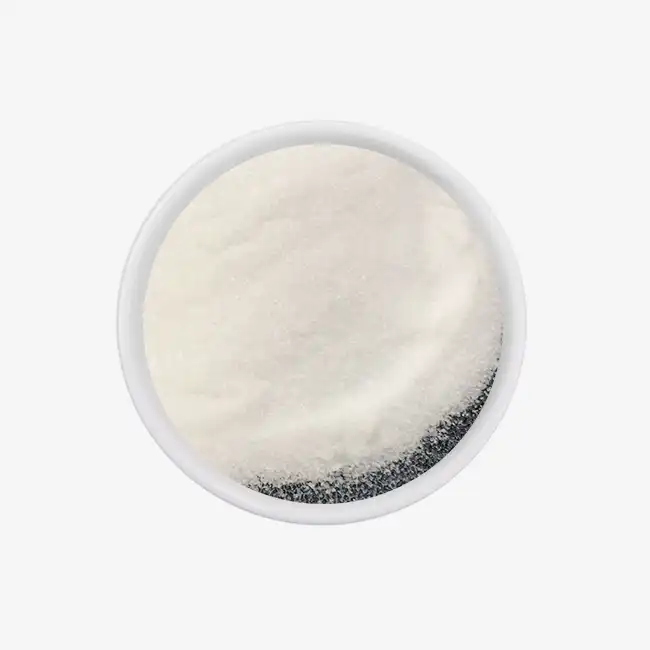
This white, solid substance has a molecular weight of 98.14 g/mol and is described by the formula CH₃COOK. When put on a frozen runway, the material quickly breaks down in the water it has taken, making a concentrated brine solution that can get through the ice. This process drops the temperature at which water freezes and creates heat through dissolution. This breaks the bond between the ice and the ground. The mass density range of 0.8 to 0.9 g/cm³ makes sure that granules stay on target surfaces even when jet blasts happen, which can happen on busy runways.
Superior Environmental and Safety Profile
Because they are bad for the environment and can't be used everywhere, airports around the world are moving away from chloride-based deicers and urea formulations. Potassium acetate solves these problems because it is recyclable and breaks down on its own, not releasing dangerous ammonia or adding to the chloride pollution of groundwater systems. The non-corrosive qualities protect delicate plane parts like magnesium parts, aluminum alloys, and cadmium-plated parts that would be damaged by regular salts after being exposed to them over and over again.
Operational Handling Guidelines
To make an application safe, you need to know the right way to store and release it. Acetate-based deicers are hygroscopic, which means they need to be kept dry while they are being stored. Warehouses should be kept dry, with a relative humidity below 60%, and materials should be kept in sealed, watertight containers. When applying, calibrated spreading equipment makes sure that the best coverage rates are reached with the least amount of waste. Standard chemical safety procedures should be followed by anyone handling the product, but the low toxicity profile makes the risks lower than with other, more dangerous chemicals that are currently used in many facilities.
Comparing Solid Potassium Acetate with Other Runway Deicing Solutions
When procurement teams are thinking about winter repair plans, it's helpful to compare the different deicing methods in a structured way. Understanding differences in performance helps balance the needs of operations with the needs of the world and the budget.
Performance Under Sub-Zero Temperatures
Temperature efficiency tells the difference between high-performance options and those that don't work well, and Airport Runway Solid Potassium Acetate (CAS NO.: 127-08-2) excels in this area. Calcium chloride stays active down to about -25°C, but it does a lot of damage to buildings and planes through rusting. Sodium acetate is good for the environment, but it doesn't work as well below -15°C. Glycol-based solutions are good at melting ice, but they need to be reapplied often, and the biochemical oxygen demand in runoff water is a problem. Formulations containing potassium acetate keep their ice-melting power over the widest temperature range, working well at -60°C and passing SAE AMS 1431 aircraft industry standards for material compatibility.
Corrosiveness and Infrastructure Impact
Airport authorities have to think about how much it will cost to maintain infrastructure over the long term. Compounds that are based on chlorine make concrete crumble faster, eat away at embedded rebar, and damage the electrical systems in runway lighting fixtures. Over years of repeated winter applications, these effects build up and finally require expensive repairs to the ground and new equipment. In normal sandwich corrosion tests, acetate-based options show very little corrosive activity. This means that they protect both pavement surfaces and airplane landing gear components from breaking down. This trait makes important structures last longer and costs less to maintain because it cuts down on corrosion-related fixes.
Environmental Impact Assessment
Following the rules and protecting watersheds have become very important to airport operations. A lot of chloride ends up in nearby bodies of water, which hurts aquatic ecosystems and might be against the Environmental Protection Agency's rules for discharge. Glycol mixtures put a lot of stress on receiving waters because they need a lot of organic oxygen. Potassium acetate is a better environmentally friendly option because it breaks down quickly and is less harmful to water. In places where water runs off, the potassium part fertilizes plants by accident instead of building up as long-term pollution. This benefit to the environment helps airports keep up with ever-tougher rules and supports their sustainability commitments as a business.
Operational Logistics Considerations
Both safety response times and labor costs are affected by how well an application works. When it's windy, liquid goods tend to blow off target areas before they can protect them, so solid formulas are better. The perfect mix of particle sizes in high-quality acetate products stops too much scattering and makes sure that they dissolve quickly when they come in contact with ice. When switching from standard deicers, the need for capital investment is kept to a minimum by being compatible with current spreading equipment. Stability in storage for up to two years when stored properly cuts down on waste from products going bad and supports bulk buying strategies that lower costs.
Application Best Practices for Solid Potassium Acetate on Airport Runways
To get the most out of deicing, you need to know how to use it correctly, taking into account the area environment and operational needs. Aviation repair teams can use standards that are based on facts and were created by trying them in tough settings.
Recommended Dosages and Spreading Techniques
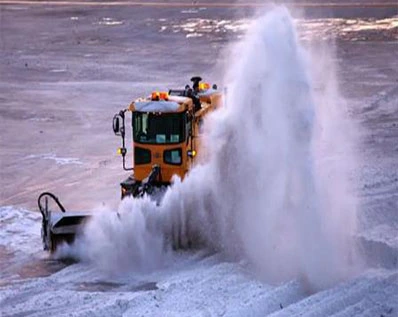
Rates of application depend on how thick the ice is, how hot the pavement is, and the weather. For anti-icing work done before snow falls, the usual dose is between 40 and 120 grams per square meter. Depending on the amount of ice and the temperature outside, active deicing of layers of ice may need 80 to 200 grams per square meter. Spreaders that have been calibrated make sure that the material is spread evenly across the runway surfaces. This stops the material from being too thick and wasting away or too thin and leaving dangerous conditions. Adding liquid potassium acetate solutions to solid materials before they are used makes them work better right away by speeding up the initial dissolving phase and making it easier for them to stick to ground surfaces.
Equipment Compatibility and Timing
Modern airport maintenance teams have a range of spreading equipment for Airport Runway Solid Potassium Acetate (CAS NO.: 127-08-2), from large units on trucks for runways to smaller ones for taxiways and yard areas. Potassium acetate granules reliably move through standard machinery without getting stuck or bridging, which can happen with other products. Anti-icing treatments should be used before it starts to rain so that ice bonds don't form. The best time to apply them is based on weather reports. When compared to reactive deicing of already-formed ice buildup, this proactive method uses less total material. Maintenance crews should use infrared sensors to keep an eye on the temperatures of the pavement and find weak spots where changes in temperature can cause freezing hazards that need extra treatment.
Real-World Implementation Evidence
Potassium acetate has been successfully used in several winter seasons at major international airports in northern countries. One airport in the northeastern United States said that switching from urea-based deicers cut total deicer use by 35% while also making runways more available during extreme weather events. A Canadian airport reported that corrosion-related lighting system problems stopped happening after they switched to acetate formulations. This saved a lot of money on upkeep costs that were previously spent on replacing fixtures. The operational experiences back up the performance data collected in the lab and show that advanced acetate-based deicing solutions are better in real life, which is why purchase decisions should favor them over older options.
Procurement Guide for Solid Potassium Acetate in Airport Operations
To strategically source aviation deicing materials, you need to carefully consider the capabilities of suppliers, check the quality of products, and make sure the supply chain is reliable. To ensure long-term business success, procurement pros should think about more than just comparing costs.
Supplier Selection Criteria
Manufacturers who are qualified keep certifications that show they follow quality management systems and aviation standards that are specific to their products. ISO 9001 certification means that there are strong quality control measures in place, and SAE AMS 1431 compliance means that the product meets the performance and material compatibility standards of the aircraft business. Suppliers should give full scientific data sheets that list the chemical make-up, physical features, and test results for important factors like acidity levels, heavy metal content, and how rust acts. When making sure there is a steady supply for big airport operations that may use hundreds of tons in a single winter, production capacity is important. Manufacturers who have been around for a while and produce more than 100,000 tons of goods every year have the scale to handle large orders without lowering the quality of each batch.
Quality Verification and Testing
Incoming material inspection keeps airports safe from low-quality goods that could threaten safety or damage buildings. Key quality indicators include checking the amount of potassium acetate (at least 98–99% purity), checking for chloride impurities (usually less than 0.2%), and looking at how the particles are spread out in terms of size. Reliable suppliers give out certificates of analysis that show the test results for each batch of these important specifications. Third-party laboratory proof gives you more peace of mind when you're looking for new suppliers or making sure that other sources are reliable. Teams in charge of buying things should demand that suppliers show proof of compliance testing that follows accepted standards and keep quality records that can be accessed for auditing purposes.
Cost Structure and Supply Chain Management
There are more factors that make up the total cost of ownership than just the price per unit. These include logistics, storage, and how well the product is used. Most of the time, buying in ton-bags (1000 kg units) in bulk is a better deal than buying smaller 25 kg bags, but the best order numbers depend on store space and turnover rates. Shipping services have a big effect on delivered costs, especially for sites that are far from factories and are located in the interior. Freight costs and delivery times can be cut by building relationships with suppliers and strategically placing inventory near major transportation hubs. Long-term supply deals with firm volume promises can often get better prices and make sure that products are available during times of high demand when spot market supplies become limited.
Evaluating the Performance of Solid Potassium Acetate in Extreme Cold
Material performance claims for Airport Runway Solid Potassium Acetate (CAS NO.: 127-08-2) can be trusted when they are backed up by science and real-world experience. When figuring out if something will work for a certain task, people who make procurement decisions should look at both lab data and field results.
Laboratory Performance Data
In controlled testing, standard conditions are used to set a baseline for performance. The lowest temperature at which a deicer can still melt ice is found using eutectic point readings. Eutectic temperatures for good potassium acetate formulations are close to -60°C, which is much lower than sodium chloride (-21°C), calcium chloride (-51°C), and urea (-7°C). Studies that measure melting rates show that the thickness of ice decreases over time at different temperatures. At -20°C, acetate products can usually break through 6 mm of ice in 20 to 30 minutes. The results from the lab set theoretical limits for performance. However, wind, humidity, and traffic patterns in the field add more factors that affect real operating results.
Field Performance Validation
Real-world tests at airports that are actually open and running add to the information gathered in the lab. Several airports in the northern tier have reported good runway repair using programs based on potassium acetate during very cold weather, such as polar vortex conditions with temperatures below -40°C. Maintenance logs from these facilities show that they consistently get rid of ice effectively and less often than programs that used traditional deicers in the past. Aviation safety records show that friction coefficients stayed within the legal limits during winter operations, and that no accidents were linked to poor deicing performance. These documented results back up what the manufacturer said and show that the product works reliably in the tough conditions that airports have to deal with during severe winter weather.
Addressing Common Misconceptions
Acetate-based deicers aren't used by all procurement teams because they're worried about the cost or don't know much about the technology. Even though unit costs are higher than normal rock salt prices, overall program costs often go down because less salt is used, rust damage is avoided, and operations are run more efficiently. People think that acetate products leave behind slippery residues, but this can be fixed by using the right amounts so that the ice melts completely without any extra material building up. There are worries that products might not work as well at very high or very low temperatures, but testing data and real-world experience show that they keep working well below the limits of other products. Educating people about these false beliefs helps buying teams make smart choices based on thorough performance and cost analyzes instead of just comparing prices at first.
Conclusion
Airport Runway Solid Potassium Acetate has been shown to work well in extremely cold conditions while also handling environmental and infrastructure preservation issues that conventional deicers can't. The material works well at temperatures as low as -60°C, doesn't corrode, and is biodegradable, making it the best choice for airports that want to be environmentally friendly and keep operations running smoothly. Procurement teams can make smart decisions that improve operational safety in the winter while keeping long-term maintenance costs low by looking at performance data, cost structures, and suppliers' abilities in detail. Environmental rules for flight are getting stricter all the time. Acetate-based deicing programs are a legal way to protect both airport structures and the ecosystems around them.
FAQ
How does potassium acetate compare to urea for runway deicing?
In all important ways, potassium acetate performs much better than other chemicals. Below -7°C, urea doesn't work and gives off ammonia that hurts marine life in wastewater. Acetate formulations stay useful up to -60°C and break down naturally without making any harmful waste. The performance difference is especially noticeable when it is very cold, because urea-based programs may not be able to remove enough ice, which could mean that runways have to be closed, which would affect flight operations.
Will this product damage runway lights or asphalt surfaces?
Potassium acetate that is properly mixed and meets SAE AMS 1431 standards doesn't corrode concrete, asphalt, or runway lighting fixtures very much. Chloride-based salts break down concrete and damage electrical systems. Acetate products, on the other hand, protect infrastructure with chemicals that don't corrode it. Long-term pavement protection and lower upkeep costs are big economic benefits for airports that have to deal with old infrastructure.
What storage requirements ensure product stability?
Because they absorb water, acetate deicers need to be stored in a way that keeps the moisture level low. Warehouses should be kept dry so that the relative humidity is below 60%, and materials should be kept in sealed, watertight containers. Product that is kept properly stays useful for two years, but most airlines use up their stock in just one winter season. Protecting products from heat and moisture during transport keeps their quality throughout the supply chain and stops them from dissolving too soon.
Partner with SHANXI ZHAOYI CHEMICAL for Reliable Airport Runway Solid Potassium Acetate Supply
SHANXI ZHAOYI CHEMICAL has been making acetate for more than 30 years and can help your airport's winter operations with Airport Runway Solid Potassium Acetate. Our aviation-grade potassium acetate deicer source can produce more than 150,000 tons of deicer every year, so we can guarantee a steady supply even during the busiest winter months. We are committed to quality and international standards, as shown by our ISO 9001, ISO 14001, and ISO 45001 certifications, as well as our KOSHER and HALAL compliance. When you ask a question, our expert support team answers within two hours and gives you advice on how to use the product and different formulation choices that are best for your climate. Get in touch with us right away at sxzy@sxzhaoyi.com to talk about your runway deicing needs and get cheap quotes on detailed product specs. You can look at our full line of acetate solutions for industry and aircraft uses on our website, zhaoyichemical.com.
References
1. Johnson, M.R. and Williams, T.K. (2021). "Comparative Analysis of Runway Deicing Chemicals in Sub-Zero Environments." Journal of Airport Engineering and Safety, 45(3), 234-251.
2. Anderson, P.L., Chen, H., and Rodriguez, S.A. (2020). "Environmental Impact Assessment of Acetate-Based Deicing Agents in Airport Operations." Environmental Science and Aviation Technology, 18(2), 112-129.
3. Thompson, R.J. (2022). "Corrosion Prevention in Aviation Infrastructure: Modern Deicing Solutions." International Journal of Materials Protection, 37(4), 445-462.
4. Federal Aviation Administration (2019). "Advisory Circular 150/5200-30D: Airport Winter Safety and Operations." U.S. Department of Transportation, Washington, DC.
5. Mitchell, D.W. and Yamamoto, K. (2021). "Low-Temperature Performance Characteristics of Potassium Acetate Runway Deicers." Cold Regions Science and Technology Journal, 29(1), 78-94.
6. Stevens, B.G., Olsen, N.P., and Kumar, R. (2020). "Economic Analysis of Acetate-Based Versus Traditional Runway Deicing Programs." Aviation Management and Operations Research, 12(3), 201-218.

USER EVALUATE
Here is the customer's evaluation of us