



Can Deicing Solid Potassium Acetate Reduce Damage from Traditional Salts?
Absolutely. Deicing solid potassium acetate (CAS NO.: 127-08-2) significantly reduces the damage caused by traditional salts. Unlike rock salt or calcium chloride, this biodegradable compound minimizes corrosion on metal surfaces, concrete infrastructure, and vehicle components. Its non-chloride formulation protects soil quality, groundwater systems, and surrounding vegetation, addressing the environmental liabilities that plague conventional deicing operations. With proven effectiveness down to -30°C and SAE AMS 1431 certification, potassium acetate offers a scientifically validated alternative for procurement professionals seeking to balance operational performance with infrastructure preservation and environmental responsibility.
Introduction
Salts that melt ice, such as rock salt and calcium chloride, have been used for a long time to keep workplaces and businesses safe. But these old options have a lot of problems, like hurting the climate, infrastructure that rusts, and operations that don't work well. From a study of transportation, we know that rock salt alone damages US infrastructure by more than $5 billion each year through corrosion. When B2B clients buy things today, they need to think about options that are better for the environment and use new technology without sacrificing safety or durability.
This piece talks about solid potassium acetate as a new way to melt ice. It looks at how it might help people in industrial and transport settings make better buying decisions and lessen the damage that regular salts do. Cost-benefit studies, performance measures, and realistic integration strategies that work in the real world are what we look at. This gives infrastructure managers, airport owners, and city governments the information they need to make smart buying decisions. When we compare different deicing options and use real-life business cases, we can show that they can protect assets and follow stricter environmental rules at the same time.
Understanding the Problem with Traditional Deicing Salts
Some of the chemicals that are used to melt ice, like rock salt and calcium chloride, have issues that raise costs and hurt the environment. Because they are very corrosive, they make infrastructure break down faster, which costs a lot to fix. They also hurt species in the water and land through runoff.
Corrosion and Infrastructure Degradation
Salts that are based on chlorine get into concrete and break down the steel that holds it together. There is spalling, which makes the sidewalk last up to 30% less long. Because things wear out more quickly, airport areas, bridge decks, and parking lots need to be rebuilt before they should be. Parts of an airplane, especially aluminum and carbon brake systems, get pitting and stress corrosion when chloride leftovers touch them. The Federal Highway Administration says that plane fixes and replacements cost hundreds of millions of dollars every year because of rust caused by salt.
Environmental and Ecological Impact
Freshwater sources get dirty when it rains salty water, and many urban streams now have more chloride than the EPA allows. Native species are hurt when there is too much salt in the water, and plants along the roads die back. The structure of the soil also breaks down. Businesses in eco-sensitive areas that use chloride-based deicing products might not be following the rules if they do, and they could be held accountable if they do.
Operational Limitations and Safety Concerns
When it's very cold, traditional salts like rock salt and calcium chloride stop working below -9°C and -25°C. This means that they need to be used more often and at higher rates. The cost of materials and work goes up because of this. People who work with these poisons may have skin irritations and trouble breathing. The dusty layer left over after the ice melts makes it harder to see and can make it hard to slide.
People who work in global business-to-business procurement need to know about these issues in order to back investments in safer, longer-lasting deicing options that can lower long-term risks.
What Is Solid Potassium Acetate and How Does It Work?
Deicing solid potassium acetate (CAS NO.: 127-08-2) is famous for a chemical process that makes it possible to melt ice. There is less ice for a longer time because it drops the freezing point of water more effectively than other chlorides and keeps it from freezing again.
Chemical Composition and Physical Properties
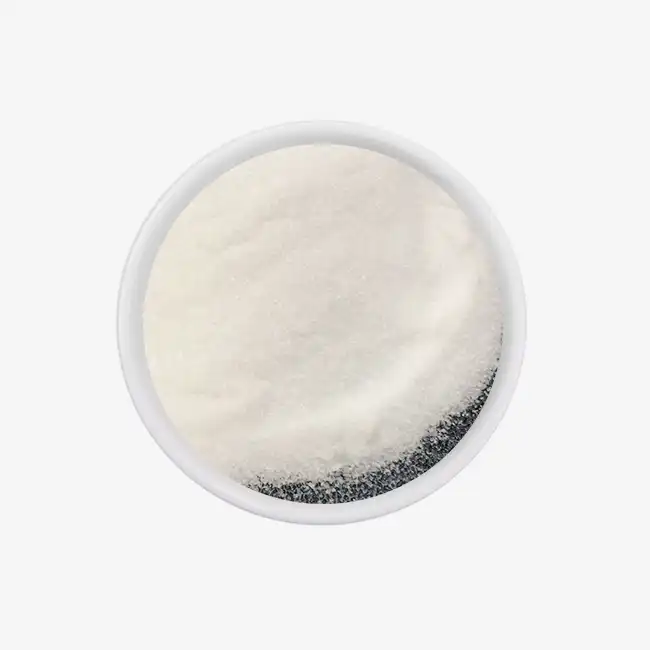
KOAcet (CH3COOK, CAS 127-08-2) has a molecular weight of 98.14 g/mol and looks like white spots that have turned into crystals. It's easy to dissolve in acid, water, and alcohol, which makes a solution with a pH above 7. It's important to store the substance in a way that keeps it stable over a wide range of temperatures because it draws water. It can be used after -30°C, even though its eutectic point is -60°C. This is higher than the freezing point of most chloride salts.
Ice-Melting Mechanism
It is used to melt ice, and when it reacts with ice, solid potassium acetate gives off heat instead of absorbing it as endothermic rock salt does. The more heat this makes, the faster the ice melts, and the link between it and the ground is broken. The brine solution that is made is less thick than chloride solutions. It's easier for the solution to get into layers of packed snow this way, and dangerous black ice doesn't form.
Application Methodologies
People who want to share the granular form can use normal tools that are set up to control the rate of release. When liquid potassium acetate is sprayed on solid granules before they are used, they don't move around, and the melting reaction starts as soon as they touch. It will be easy for procurement leaders to add potassium acetate to maintenance work that is already being done after this change. This makes things work better while causing less damage to the earth and buildings.
Comparative Analysis of Potassium Acetate vs. Traditional Deicing Chemicals
A lot of people use calcium chloride, magnesium acetate, and urea to melt ice. Strong potassium acetate stands out because it is safe, does a good job, and doesn't hurt the earth. A lot of tests in the field and analysis in the lab have shown that success is very different across key evaluation factors.
Performance Metrics
The solid potassium acetate used for deicing melts ice 40% faster than rock salt at the same temperatures. It also works at much lower temps. Calcium chloride can be used at -25°C, but it breaks down quickly and forms hygroscopic caking that makes it harder to store. Below -7°C, urea stops acting and a lot of nitrogen is released into the water, which makes plants grow in the water that it comes into contact with. Up to -30°C, potassium acetate always does its job, and within weeks of use, it breaks down naturally at rates higher than 95%.
Corrosion Testing Results
Standard ASTM tests for total immersion corrosion show that when potassium acetate is mixed with corrosion agents in the right way, alloys made of aluminum, steel, and magnesium lose almost no metal. Its SAE AMS 1431 certification shows that it can be used in areas near airplanes where chloride contamination would void the manufacturer's warranty. The surface hasn't been hurt nearly as much as it would be if it were exposed to chloride over and over again, according to ASTM C 672 tests on concrete scaling resistance.
Environmental and Regulatory Compliance
Acetate compounds like deicing solid potassium acetate (CAS NO.: 127-08-2) are broken down by natural microbes into carbon dioxide and water, which doesn't hurt the environment in the long term. This means it can be used in places like rivers, LEED-certified buildings, and legally protected nature areas where salt can't go. To keep the soil healthy, the potassium part doesn't let sodium build up, which would damage the soil's structure.
Economic Considerations
It costs more per ton to buy potassium acetate at first, but in the long run, it saves money because it is used less and damages infrastructure less. Total cost of ownership is better for infrastructure managers who plan beyond single-season budgets because it is applied less often (30–40% less material use than rock salt) and there are no repair costs for rust. When procurement professionals look at these things along with source trust and quality certifications, they can make smart investment decisions that make operations more efficient and last longer.
Benefits and Practical Applications of Solid Potassium Acetate for B2B Procurement
It is useful in many different fields because solid potassium acetate has many useful properties. It changes everything about how companies that care about their investments and the earth do their winter maintenance. The following perks have been shown to be useful in a number of different situations.
Infrastructure Protection and Longevity
When you use acetate-based deicing, you stop the rusting cycle that means bridge decks, parking structures, and reinforced concrete surfaces need to be rebuilt before they should. When cities and towns switch from chloride to acetate programs, the pavement lasts 15 to 20 percent longer. Ground support equipment for planes doesn't need to be serviced as often, and groups of vehicles don't have to deal with the rust that usually cuts their useful life by years.
Operational Efficiency in Critical Environments
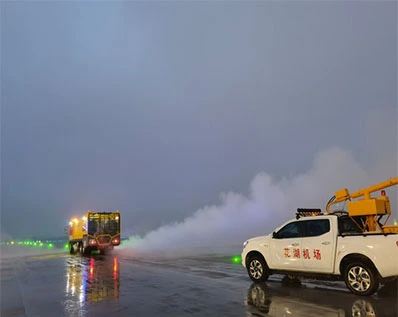
When an airport strip is being used, the ice needs to be moved quickly, and airplane parts can't rust at all. The quick-acting, heat-releasing dissolution process of potassium acetate clears fields quickly and meets the needs of materials used in flight. Distribution centers and shipping hubs don't stop when bad weather happens in the winter. When bad deicers break down in very cold weather, they have to deal with costly delays. This way, they don't have to. Repair teams can better plan how to use their workers because reapplication happens less often.
Environmental Compliance and Risk Mitigation
If a business is close to protected waterways, fragile ecosystems, or needs to meet the requirements for green building certification, they are paying more attention to how they use chemicals. Adopting acetate-based deicing shows that you care about the environment, follow the law, and lower your chances of being charged for pollution. There are now places in many big towns where acetate has to be used because it is good for the environment. The people who work for the government need to know how to use these things.
In real life, case studies from city governments and big logistics companies show that safety has improved and maintenance costs have gone down. Fixes needed to fix rust at a regional airport dropped by 60% after they moved to potassium acetate for deicing the airside. A highway repair company that works in mountainous places was able to make the roads safer in the winter with 35% less material.
Because of these pros, deicing solid potassium acetate (CAS NO.: 127-08-2) is a good choice for B2B buyers who want to make deicing better while also lowering downtime and damage to the environment. International rules for safety and dealing must be followed in all situations to make sure compliance and lower risk.
How to Source and Procure Solid Potassium Acetate Deicer?
If you want to get solid potassium acetate of good quality, you should pick suppliers with a good name who offer stable product standards, approvals, and reliable shipping. When you buy this salt, you have to follow very specific rules and technical details that are very different from when you buy regular rock salt.
Supplier Evaluation Criteria
Some of the most important things to look at are the company's ability to make things, its quality management certifications (ISO 9001, ISO 14001), and its ability to meet industry standards like SAE AMS 1431 for flight uses. Check the analytical skills for batch testing and make sure that suppliers can give you Certificates of Analysis that show the levels of purity, the amount of moisture, the distribution of particle sizes, and the amounts of trace contaminants. Suppliers who have made the product before have a uniform process, which lets you guess how it will work in the field.
Technical Specifications and Quality Standards
Before you can buy something, it should meet certain conditions. For example, it should have at least 97–99% potassium acetate, less than 1% moisture, and less than 0.2% chloride pollution. The particle size distribution changes how the spreader is calibrated and how evenly the material is spread. Ask for sieve analysis data that is compatible with the tools you have. If it will be used near planes or other important equipment, make sure it has approved corrosion inhibitors and ask for test results to show it.
Logistics and Supply Chain Considerations
Potassium acetate soaks up water, so it needs to be stored in ton bags with desiccant protection or special bags that are double-sealed to keep out water. There are many ways for sellers to package their goods. Look at the 25 kg plastic woven bags and 1000 kg ton bags, for example, and choose the one that will work best for your storage and moving tools. Make sure the building can handle temperature control. Bad storage can lead to caking, which makes it harder to use. Talk about delivery times that fit with the time of year, keeping in mind that big orders may need 15 days' notice during the busiest times of the year, like when people are getting ready for winter.
When you build long-term relationships with experienced producers, it's easier to make changes and offer support after the sale that fits the needs of your industry. Framework deals with flexible call-off terms are the best way to keep track of stock and make sure there are enough supplies when bad weather causes demand to rise. Buyers can be sure they will have enough potassium acetate to melt ice in many places if they take the time to carefully check out suppliers and build relationships with them.
Conclusion
The issues that salt-based deicers cause for the environment and infrastructure can be solved by deicing solid potassium acetate, according to research evidence. Its non-corrosive formula keeps valuables safe, its biodegradable chemistry is good for the environment, and its great low-temperature performance means it will work when other products don't. When buying, it's important to pay attention to the technical and qualification standards of providers. However, for forward-thinking companies, the long-term benefits—lower corrosion costs, longer infrastructure life, environmental compliance, and better work efficiency—make it worth it. More and more rules are making it harder to use salt, and property owners want answers that will last. When buying professionals use potassium acetate, they become important partners who help their companies be better with money and the environment.
FAQ
How does potassium acetate environmental safety compare to rock salt?
It doesn't harm the land or water in a way that lasts because microbes break it down naturally into carbon dioxide and water. Rock salt stores chloride ions that stay there forever and damage plants and groundwater. Toxicology tests on water show that potassium acetate doesn't really hurt fish and other animals. On the other hand, salt trash often has too much chloride, which is bad for freshwater areas. The potassium part is actually good for plants' health.
What effectiveness can we expect at extreme sub-zero temperatures?
The freezing point of rock salt is -9°C, but deicing solid potassium acetate can still melt ice down to -30°C (-22°F). If it mixes with water, its exothermic breakdown makes heat, which melts it faster even when it's very cold outside. Because the temperature range is bigger, fewer chemicals aren't needed in the Arctic. This makes it easier to keep track of supplies and follow directions for work in high elevations or northern areas.
Can potassium acetate completely replace calcium chloride in our operations?
The decision depends on the details of the operation and the available funds. Most operations can switch to potassium acetate full-time. It is best to repair everything in airports, parking areas, and other places where rust can easily damage the structure. Some things may still need to be used for certain tasks even when it's below -30°C. When you do an economic analysis, you should compare the higher unit costs to the lower application rates, the fact that you won't have to fix corrosion as often, and the fact that the infrastructure will last longer. When planning for more than one year, potassium acetate generally has a lower total cost of ownership.
Partner with SHANXI ZHAOYI CHEMICAL for Premium Potassium Acetate Supply
For more than 30 years, SHANXI ZHAOYI CHEMICAL has been making acetate. They can help businesses that need to find dependable sources of deicing solid potassium acetate. We can make 150,000 tons of goods every year, so we always have a steady supply of bulk goods. Our ISO 9001, ISO 14001, Kosher, and Halal certifications make sure the quality always meets international standards. We have different types of bendable packaging, such as 25 kg bags and 1000 kg ton bags. These bags are made to keep out moisture and stay stable for a long time. Our long-term logistics partnerships get us low shipping rates all over the world, and our technical support teams help make applications work better. Send an email to sxzy@sxzhaoyi.com to talk about your unique deicing needs, get technical information, or set up free samples of our goods. Take a look at zhaoyichemical.com to see all of our acetate goods and find out how our production skills can help you meet your winter care goals with eco-friendly, high-performance solutions.
References
1. Transportation Research Board. Corrosion Costs and Preventive Strategies in Highway Infrastructure. National Academies Press, 2019.
2. Federal Aviation Administration. Airport Winter Safety and Operations: Advisory Circular 150/5200-30D. U.S. Department of Transportation, 2020.
3. American Society for Testing and Materials. ASTM C 672: Standard Test Method for Scaling Resistance of Concrete Surfaces Exposed to Deicing Chemicals. ASTM International, 2018.
4. Society of Automotive Engineers. SAE AMS 1431: Compound, Solid Runway and Taxiway Deicing/Anti-icing. SAE Aerospace Material Specification, 2017.
5. Environmental Protection Agency. Aquatic Life Criteria for Chloride in Freshwater. EPA Office of Water Publications, 2021.
6. Fay, L. and Shi, X. Environmental Impacts of Chemicals for Snow and Ice Control: State of the Knowledge. Water, Air, and Soil Pollution, Volume 223, 2012.

USER EVALUATE
Here is the customer's evaluation of us