



How Can Solid Potassium Acetate Improve Airport Winter Preparedness?
Winter disruptions at airports translate into canceled flights, stranded passengers, and significant financial losses. Airport Runway Solid Potassium Acetate (CAS NO.: 127-08-2)offers a proven solution that transforms winter operations. This advanced deicing agent works effectively at temperatures as low as -60°C, far exceeding traditional materials like urea, which fails below -7°C. Its non-corrosive formula protects aircraft components and runway infrastructure while biodegrading naturally without harmful ammonia emissions. Airport operators gain reliable, environmentally responsible winter preparedness that keeps runways safe and operations running smoothly.
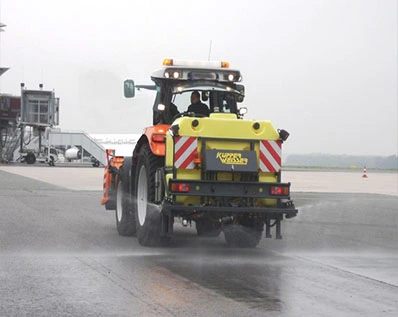
Understanding Solid Potassium Acetate for Airport Runways
Deicing airport runways requires methods that work well under a lot of stress. These problems can be solved by Airport Runway Solid Potassium Acetate, which has special chemical makeup and physical qualities made for flight settings.
Chemical Properties and Freezing Point Depression
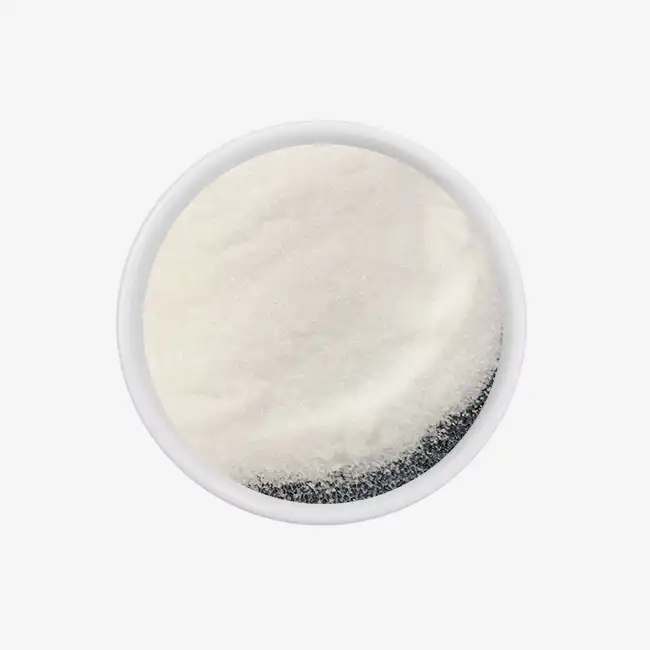
Because of how its molecules are structured, Airport Runway Solid Potassium Acetate (CH₃COOK) has a strong effect on lowering the freezing point. The white crystalline flakes melt quickly in ice, even when the temperature is below zero. This chemical reaction breaks the bond between the ice and the pavement, creating pockets of salt water that make it easier to remove by hand. The exothermic dissolution process makes heat, which speeds up the melting process. With a molecular weight of 98.14 g/mol, these grains have the best particle distribution and stay in place on runways even when there is a jet blast. With a useful temperature range that goes down to -60°C, it will still work during the worst winter storms.
Storage and Handling Advantages
Airport Runway Solid Potassium Acetate makes transportation easier for big airport operations compared to liquid formulations. The crystal form comes in useful packing choices, such as 25 kg plastic woven bags for smaller jobs or 1000 kg ton-bags for storing a lot of it. These packaging options work with mechanical loading systems and keep the product's integrity. Warehouses that are dry, well-ventilated, and away from heat and moisture are needed for storage. The shelf life is two years if it is stored properly in containers that are sealed. Transportation turns out to be easy—careful handling keeps the quality of the product high throughout the supply chain and keeps packages from getting damaged.
Infrastructure Protection and Corrosion Resistance
Runway repair teams always have to deal with problems when they try to keep expensive equipment safe. Chloride-based deicers that have been used for a long time damage concrete, rust steel reinforcements, and cause electrical shorts in runway lighting systems. Formulations based on Airport Runway Solid Potassium Acetate get rid of these worries. Aluminum, magnesium, and cadmium-plated airplane parts are safe from damage because it doesn't corrode. Low corrosion rates—usually less than 0.03g/m³·h on carbon steel—have been confirmed by tests that follow SAE AMS 1431 standards. This protection makes the sidewalk last longer, lowers the cost of upkeep, and makes sure it works with hydraulic systems for ground support equipment.
Comparing Solid Potassium Acetate with Alternative Runway Deicing Agents
Before making a purchase choice, performance measures, environmental effect, and operational costs must be carefully looked at. Knowing how the different deicing products stack up helps airport officials make smart decisions.
Performance Against Urea and Chloride-Based Products
Urea has been used in airports for a long time, but its limits become clear when using it today. Urea only works at -7°C, which means that airports are at risk during very cold spells. Airport Runway Solid Potassium Acetate keeps working properly at -60°C, so it will still work reliably when winter gets worse. Calcium chloride and sodium chloride work well at low temperatures but do a lot of damage to infrastructure. Because they rust concrete, steel, and airplane systems, they need to be maintained over time. Tests done in the lab show that acetate-based agents melt more quickly and easily, and their pH levels (between 9.0 and 10.5 ) are safe for runway materials.
Environmental Compliance and Biodegradability
Environmental laws are having a bigger effect on how airports work. As urea breaks down, it produces ammonia, which could be harmful to aquatic areas nearby. Runoff containing chloride pollutes waterways and hurts plants around airports. Airport Runway Solid Potassium Acetate breaks down naturally and has a low Biological Oxygen Demand (BOD), which means it has little effect on the environment. The mixture has a controlled amount of chloride (≤0.2%) and few materials that don't dissolve in water (≤0.05%), so it meets EPA standards for discharge. Airports that want to get green certifications find that acetate options help them meet their sustainability goals while still running smoothly.
Cost-effectiveness and the reliability of the supply
The initial cost of materials is only one part of the total cost of doing business. Corrosive deicers cause damage that has hidden costs, like fixing pavement, replacing equipment, and maintaining aircraft parts. Because Airport Runway Solid Potassium Acetate doesn't corrode, these costs are cut down by a lot over several winters. Buying in bulk in ton-bag configurations lowers costs per unit and makes managing inventory easier. Manufacturers whose yearly production capacity is more than 150,000 tons ensure a steady supply during the winter, when demand is high. By working with certified suppliers, you can be sure of regular quality and on-time deliveries, even if bad weather hits in the winter.
Best Practices for Applying Solid Potassium Acetate on Airport Runways
Effective application strategies get the most out of a product's performance while keeping costs low and making sure everyone is safe. Maintenance teams at airports can use standard procedures that have been changed to fit their needs.
Strategies for Pre-Treatment and Anti-Icing
Stopping ice from forming works better than getting rid of ice that has already formed. Applying pre-treatments to airport surfaces before it starts to rain makes safe barriers. Weather tracking tools let teams know ahead of time when a storm is coming, so they can put down Airport Runway Solid Potassium Acetate granules. Because the material is hygroscopic, it immediately soaks up water from the air and forms a protective liquid layer. When anti-icing is done before it gets wet, solid chunks are mixed with liquid solutions. This stops the ice from bouncing and scattering in high winds. This method makes sure that the material sticks to the ground, so it will work even during bad weather.
Best Application Rates and Times
How much to use depends on the temperature, the amount of the ice, and how much rain there is. When it's very cold, grains can break through ice layers up to 6 mm thick and form useful brine pockets. Calibrated spreaders make sure that the material is spread out evenly on the runways, taxiways, and aprons. Too much application wastes material and makes surfaces too slippery for no reason, while too little application makes surfaces less safe. Maintenance teams make application plans based on different weather situations, and they change the amounts as the weather changes. The fast rate of dissolution—usually breaking through the ice within 30 minutes at -20°C—allows for flexible response times during stormy weather.
Adding Winter Operation Protocols to the system
For implementation to work, it's important for different airport departments to work together. Flight operations teams change plans based on when planes need to deice. Support staff on the ground make sure that equipment is placed so that it doesn't touch treatment areas during active application. Maintenance crews keep an eye on the level of friction on the runway to make sure there is enough for planes to fly. Because it works with existing liquid deicing devices, it can be easily added to existing standards. Staff members learn how to properly handle things, what to do in an emergency, and what they need to do to follow environmental regulations through training programs. Documentation tools keep track of the number of applications, the weather, and how well the applications work. This builds institutional knowledge for future winters.
Real-World Performance and Case Studies
Theoretical advantages gain credibility when they are shown to work in the real world. Data from airports that are actually running shows that they are successful and reliable.
Rates of melting and time spent anti-icing
Controlled testing in real-world settings shows amazing performance numbers. Temperature monitoring shows that the exothermic reaction quickly raises the temperature of the surface after it is applied. Within the time limits given, 6 mm thick layers of ice melt, making it possible for mechanical clearing operations to go smoothly. The anti-icing effect lasts for a long time, so you don't have to apply it again and again during long winter storms. Measurements of the friction coefficient show that treated surfaces keep their high levels of grip, which helps keep takeoffs and landings safe. Specifications for bulk density between 0.8 and 0.9 g/cm³ make sure that Airport Runway Solid Potassium Acetate granules stay stuck to the pavement even when jet engines are running.
Longevity Observations for Infrastructure
Long-term tracking at airports that use deicers based on acetate shows that the infrastructure benefits can be measured. Pavement tests show less flaking, breaking, and surface wear and tear than at sites that use chloride options. The corrosion in electrical connections and fixture housings has slowed down in runway lighting systems. Maintenance records show that damaged parts need to be fixed less often and replaced more often. These observations lead to big cost savings over many years, which cancels out any extra money spent on materials at the beginning.
Operational Efficiency Improvements
Airport engineers say that operations are more reliable in the winter. Lessening the time that runways are closed helps keep flights on schedule and reduces the number of delays. Ground crews like how easy it is to work with the material because it doesn't stick together and can be spread mechanically even when it's cold. Environmental enforcement officers like how easy it is to handle runoff and how little tracking is needed. As flight delays go down, measures of passenger happiness go up. These benefits add up to make the business case for switching to deicing systems based on Airport Runway Solid Potassium Acetate stronger.
How to Choose and Procure Solid Potassium Acetate for Airport Winter Preparedness
Choosing the right suppliers and setting up reliable ways to buy things makes sure that you can get good materials when winter conditions require you to act quickly.
Certification and Quality Standards
Aviation applications must strictly follow the rules set by the business. Use thorough testing procedures to make sure that sources meet SAE AMS 1431E standards. Analysis of particle size distribution, corrosion sandwich testing, and pH verification should all be part of quality control processes. Companies that have ISO 9001, ISO 14001, and ISO 45001 standards show that their quality management systems are uniform. Testing for heavy metals makes sure that environmental rules are followed. Ask for proof that the test results for each batch show that the content is pure (≥99.0%), there are no salt levels (≤0.2%), and there is no iron content (≤0.05%). The KOSHER and HALAL certifications help meet international standards for a wide range of market needs.
Logistics and Supply Chain Considerations
Winter is a time of high demand, and when supplies are interrupted, it's terrible. Check out the yearly production capacity and inventory management methods of producers. Facilities that make 150,000 tons of goods a year show that they are big enough to get big airport contracts. Talk about lead times for standard orders, which are usually between 5 and 7 working days, as well as your emergency response options. Transportation relationships with foreign shipping companies make sure that deliveries happen on time, even when the weather is bad in the winter. To make sure that supplies will always be available, make backup agreements and other logistics plans. Think about how much space you have for storage on-site and work out delivery times to make sure you have enough inventory of Airport Runway Solid Potassium Acetate (CAS NO.: 127-08-2)all winter.
Technical Support and Customization Options
In addition to providing materials, full professional help is very valuable. Customer service teams that are responsive—ideally available 24/7 with two-hour response times—are very helpful when operations are having problems. Technical experts can help with application rates, calibrating tools, and making the best use of protocols. Customization services let you change the recipe to fit different climates or business needs. Different handling methods can work with different OEM packaging choices. Joint development programs meet the unique needs that come up as airport operations change. These aspects of a relationship set sellers who care about their customers' long-term success apart from transactional product vendors.
Conclusion
Being ready for winter at an airport depends on having reliable deicing solutions that balance performance, environmental responsibility, and the ability to make money. Products made from Airport Runway Solid Potassium Acetate (CAS NO.: 127-08-2)work very well at very high temperatures and keep structures and wildlife safe. Strategic buying from qualified suppliers makes sure that materials are available when operations need them the most. Best practices for implementation increase efficiency while keeping costs low. Real-world performance data shows that acetate solutions are better than traditional ones in a number of ways, making operations safer and improving the passenger experience during the winter.
FAQ
In what temperature range can potassium acetate be used to melt ice on runways?
Formulations with Airport Runway Solid Potassium Acetate work at temperatures as low as -60°C, which is much lower than the -7°C limit for urea. This wide temperature range makes sure that it will work even in the worst winter weather. The chemical qualities make the product work the same way in all kinds of weather, reliably melting ice and keeping it from sticking across working temperature ranges seen at airports around the world.
Does this deicing agent hurt the concrete on the runway or the parts of the plane?
Items that meet the requirements of SAE AMS 1431 don't eat away at pavement, asphalt, aluminum, magnesium, or cadmium-plated parts. Unlike chloride-based options that damage infrastructure by spalling and electrical shorts, acetate formulas keep it in good shape. Corrosion testing shows that the effects are very small on carbon steel and other materials. This means that equipment lasts longer and costs less to maintain over several winters.
How should airports keep solid potassium acetate so that the quality of the product doesn't change?
Because it absorbs water, Airport Runway Solid Potassium Acetate needs to be stored in containers that are tightly sealed and keep the air flowing in dry, well-ventilated warehouses. Double-layer PE/PP packaging keeps wetness from absorbing from the air. The shelf life is two years if it is stored properly, away from heat and moisture. When packages are transported properly, they don't get damaged or contaminated, and the product stays effective until it is used on landing surfaces.
Partner with Zhaoyi Chemical for Reliable Airport Runway Solid Potassium Acetate Supply
Zhaoyi Chemical has been making acetate for more than 30 years and can help with airport winter operations. As a specialized manufacturer of Airport Runway Solid Potassium Acetate, we keep our annual production capacity at 150,000 tons. This makes sure that there is a steady supply during the busy winter months. We make aviation-grade formulas that are pure to ≥99.0% SAE AMS 1431 standards and have ISO 9001, ISO 14001, and ISO 45001 certifications to back them up. We offer flexible packaging in 25 kg bags or 1000 kg ton bags, as well as planned delivery times and quick technical support. Our track record and dedication to customer satisfaction make us a reliable choice for airports that need deicing services. Get in touch with our team at sxzy@sxzhaoyi.com to talk about your winter readiness needs and enjoy the benefits of working with a well-known star in the field.
References
1. Federal Aviation Administration. (2021). "Airport Winter Safety and Operations," Advisory Circular 150/5200-30D, U.S. Department of Transportation.
2. Transportation Research Board. (2020). "Airport Snow and Ice Control Equipment and Materials," Airport Cooperative Research Program Report 194, National Academies Press.
3. Society of Automotive Engineers. (2019). "Solid Runway and Taxiway Deicing/Anti-icing Products," SAE Aerospace Standard AMS1431E, SAE International.
4. International Civil Aviation Organization. (2018). "Manual of Aerodrome Operations and Maintenance," Document 9827, Third Edition, ICAO Publications.
5. Environmental Protection Agency. (2022). "Environmental Impacts of Airport Deicing," EPA-842-R-22-002, Office of Water, U.S. Environmental Protection Agency.
6. Air Transport Association. (2020). "Best Practices for Airport Winter Operations Management," Aviation Industry Standards, ATA Technical Publications Division.

USER EVALUATE
Here is the customer's evaluation of us