



How Does Snow Melting Liquid Potassium Acetate Work on Frozen Surfaces?
Snow melting liquid potassium acetate(CAS NO.: 127-08-2) is a non-chloride chemical formulation that disrupts ice formation through freezing point depression. When applied to frozen surfaces, the acetate solution (CH₃COOK) immediately penetrates the boundary layer between ice and pavement, breaking hydrogen bonds within ice crystals while releasing thermal energy. This dual mechanism—combining thermodynamic interference with exothermic dissolution—enables effective de-icing performance down to -35°C. The liquid format eliminates the dissolution lag inherent in granular products, delivering rapid response critical for aviation and infrastructure maintenance operations.

Understanding Liquid Potassium Acetate and Its Properties
To understand how snow melting liquid potassium acetate-based de-icing products work, you must first understand their basic science and physical properties.
Chemical Composition and Physical Attributes
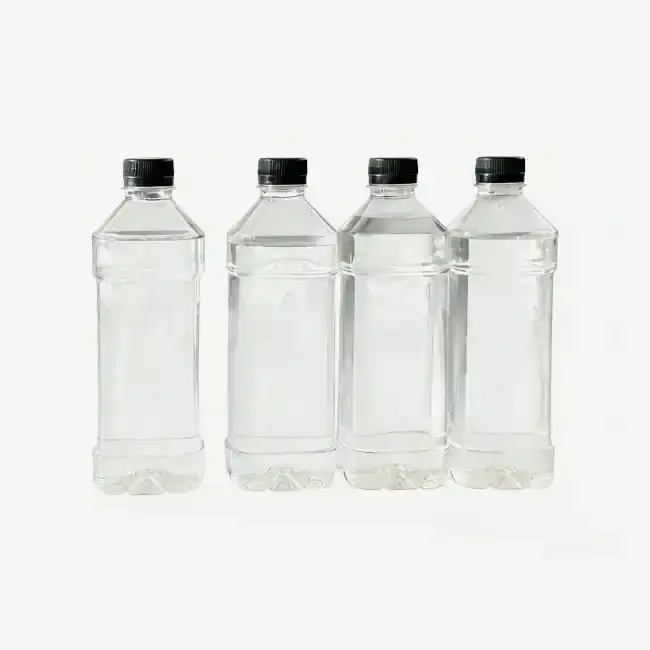
Snow melting liquid potassium acetate (CAS NO. 127-08-2) is an aqueous solution that is 50 to 60 percent concentrated. It has the formula CH₃COOK and a molecular weight of 98.14. This clear, colorless liquid has a slightly acidic taste and stays within the pH range of 7.5 to 9.2. This keeps infrastructure materials from corroding. At 20°C, the specific gravity is between 1.25 and 1.29, which is high enough for good surface penetration. Solid de-icers need time to dissolve, but this liquid recipe stays fluid at temperatures below zero, so it works right away when it touches frozen surfaces.
Thermal and Safety Characteristics
Even under normal conditions, the product can lower the freezing point to -35°C, and at eutectic amounts it can hit -60°C. The fluid can still be pumped and sprayed even when it's very cold, which is why it works so well at low temperatures. The thermal conductivity features help heat move quickly, which speeds up the breaking of the ice link. Handling safety is still easy to understand: storage needs dry, well-ventilated warehouses that are away from heat and moisture, and transportation needs to be done carefully to keep containers from getting damaged. The recipe keeps unsuitable substances apart, which makes sure that safety rules are followed at work.
Advantages Over Solid Formulations
When it comes to operations, snow melting liquid potassium acetate options are better than solid ones. The ready-to-use style works perfectly with automatic spray systems, like the Fixed automatic Spray Technology (FAST) that is used on bridge decks and important overpasses. Equipment workers like that they don't have to add hoppers, maintain augers, or clean nozzles that get clogged up with solid products. Liquid delivery systems make it possible to apply materials evenly, which cuts down on waste and makes sure that treated surfaces are evenly covered. Because of these traits, labor costs go down and safety goes up, which is good for city governments and highway maintenance contractors.
The Science Behind Snow Melting: How Liquid Potassium Acetate Works on Frozen Surfaces
Snow melting liquid potassium acetate-based de-icers work better than traditional ones in tough situations because they understand how molecules interact with each other.
Freezing Point Depression Mechanism
When snow melting liquid potassium acetate solution meets ice, it makes a three-phase interaction zone where ice crystals, liquid water, and dissolved acetate ions all exist at the same time. By messing up the hydrogen bonding patterns between water molecules, the acetate ions break up the crystalline structure of ice. This feature of colliding particles—lowering the freezing point—is not related to the chemical identity of the solutes but to their concentration. A solution of 50% snow melting liquid potassium acetate lowers the freezing point enough to keep water liquid at temperatures where surfaces that haven't been treated would harden. In real life, this means that ice loses its strength and comes off of pavement surfaces.
Thermal Transfer and Ice Bond Disruption
In addition to chemical interference, thermal dynamics speed up the melting process. A chemical process called exothermic releases heat when snow melting liquid potassium acetate dissolves in the water film at the edge of the ice and sidewalk. This localized warming adds to the transfer of heat from the surrounding area, making a melting cycle that keeps going. The results of tests show that the snow melts more than 85% of the way within an hour at -25°C, showing how powerful chemical and heat processes can be when used together. Because liquid salts are better at conducting heat than solid salts, heat moves more quickly across treated areas, keeping them from freezing again even when outside temperatures change.
Performance Comparison with Alternative Acetates
Both sodium acetate and calcium acetate can lower the freezing point, but snow melting liquid potassium acetate is better at working with different materials and in different environments. Even tho sodium-based formulas are cheaper, they are more likely to corrode aluminum plane parts and some alloy steels. Calcium acetate can leave behind deposits that make cleaning the surface harder. Snow melting liquid potassium acetate keeps the rate of rust on carbon steel at less than 0.03g/m³·h, which is close to the safe level of pure water, and leaves behind almost no surface residue. This balance of performance explains why it is preferred in aviation and sensitive infrastructure applications where protecting materials is still very important.
Comparing Potassium Acetate with Alternative Deicing Agents
When making a purchase decision, you need to look at more than just the melting capacity.
Efficiency and Temperature Performance
Chloride-based de-icers like sodium chloride, calcium chloride, and magnesium chloride stop working below -15°C. Snow melting liquid potassium acetate, on the other hand, keeps working well up to -35°C. This longer operating range is very important for places in the north and at high elevations where it stays very cold for a long time. Solid goods need 15 to 30 minutes to dissolve, while liquid versions work right away. This is why snow melting liquid potassium acetate solutions are best for situations that need to be fixed quickly, like clearing an airport runway between flights.
Environmental and Infrastructure Impact
It is well known that chlorine de-icers hurt the steel support in concrete, the steel structure of bridges, and the plants around them. In North American cities and towns, chloride corrosion causes billions of dollars worth of damage to infrastructure every year. Snow melting liquid potassium acetate solves these problems because it doesn't corrode and breaks down in nature more than 95% of the time. Runoff goes into sewage systems without building up salts that pollute aquifers or hurt plants next to the road. Environmental engineering companies are asking for more and more snow melting liquid potassium acetate-based goods for projects that are close to sensitive rivers, protected wetlands, and valuable landscaping.
Cost-Effectiveness and Handling Considerations
Snow melting liquid potassium acetate de-icers have higher starting material prices than common chloride salts, but a lifecycle study shows that they have strong economic benefits. Saving infrastructure, cutting down on replacing plants, and getting rid of the need for extra cleanup activities all save a lot of money. The choice between liquid and solid snow melting liquid potassium acetate forms depends on how they will be used and how they will be stored. Liquid products work best in places with automated spray systems and storage tanks, while solid products are better for spreading by hand. Buying in bulk thru 1000L IBC tanks or flexitanks lowers transportation costs for large-scale operations, but it depends on how much you need to buy.
Procurement Insights: Sourcing Quality Liquid Potassium Acetate for Snow Melting
To get a steady supply of approved de-icing chemicals, you need to carefully evaluate suppliers and check the quality of their products.
Identifying Trustworthy Manufacturers
Suppliers with a good reputation show a few important traits. Manufacturing companies should have ISO 9001 (quality management), ISO 14001 (environmental management), and ISO 45001 (occupational health and safety) certifications. These show that they are committed to following the rules and controlling their processes in a planned way. Production capacity is important. Well-known companies with yearly production capacities of 150,000 tons can keep up a steady supply during the busiest winter months. Moving goods more cheaply and faster is easier when they are close to major shipping lines. Before signing a supply agreement, it's a good idea to check operational capabilities by asking for facility audits, batch testing records, and customer references.
Understanding Certification Standards and Quality Metrics
Compliance with Aerospace Material Specification (AMS) 1435 is needed for aviation applications. This standard requires aircraft materials to go thru strict corrosion tests. Products that meet this standard are put thru total immersion procedures, sandwich corrosion tests, and checks to see if they are compatible with runway materials and airplane parts. Limits on iron (≤0.002%), arsenic (≤0.0004%), heavy metals (≤0.01%), and chloride level (≤0.01%) are part of the chemical purity standards. These limits keep tools from getting dirty and keep the surroundings safe. Other certifications, like KOSHER and HALAL, show that the manufacturer cares about making sure the process is pure and the quality is consistent across a wide range of market needs.
Market Dynamics and Strategic Purchasing
The price of snow melting liquid potassium acetate(CAS NO.: 127-08-2) de-icer depends on how much the raw materials cost, how much is made, and how much demand changes with the seasons. During the winter, there is more demand, which can put a strain on supply lines. To get better terms, it is best to sign contracts ahead of time. Having relationships with more than one approved supplier gives you a backup supply in case demand goes up without warning. Tiered pricing structures are often unlocked by making volume promises, and just-in-time delivery plans reduce the need for on-site storage. Aside from commodity pricing, negotiating technical support terms like application guidance, performance monitoring, and formulation optimization adds value.
Practical Applications of Liquid Potassium Acetate Beyond Snow Melting
Because snow melting liquid potassium acetate is so flexible, it can be used in many different industries. This makes it possible to improve the supply chain.
Transportation and Infrastructure Protection
The main high-value use is for airport runway and taxiway upkeep. The aircraft-safe formulation of snow melting liquid potassium acetate stops the formation of foreign object debris (FOD) and saves landing gear parts. FAST systems protect bridge decks from freezing too quickly, which happens on tall structures that don't have ground insulation. The non-tracking features keep building interiors from getting stained with salt. This is especially helpful for parking garages that serve hospitals, business campuses, and educational buildings. Snow melting liquid potassium acetate is used by highway repair companies in weather-responsive anti-icing programs that stop bonds from forming instead of melting snow.
Industrial Heat Transfer and Process Applications
Snow melting liquid potassium acetate solutions work well as heat transfer fluids in closed-loop systems that need to keep from freezing without causing corrosion. In refrigeration systems where products must stay safe from touching by accident, food processing facilities use formulations that are safe for food. The chemical is useful in pharmaceutical processing for controlling pH and as a reaction medium because it is stable and can act as a buffer. When setting concrete in cold weather, diluted snow melting liquid potassium acetate solutions are used to keep the concrete from freezing and to speed up the hydration processes, which makes the final concrete stronger.
Agricultural and Environmental Applications
In addition to being used for winter maintenance, snow melting liquid potassium acetate is also used as a source of potassium in specialty fertilizers. The acetate part gives easily broken down organic carbon, which helps earth microbes do their job. Bioremediation processes that target chlorinated solvents and other organic contaminants use snow melting liquid potassium acetate solutions as electron donors in projects to clean up the environment. Wastewater treatment plants are becoming more aware of acetate's use as a carbon source for better biological phosphorus removal and denitrification processes. This means that suppliers who serve more than one market segment can buy from companies in other industries.
Conclusion
Snow melting liquid potassium acetate(CAS NO.: 127-08-2) based de-icing treatments are more advanced technologically than traditional chloride products. They work better by lowering the freezing point, transferring heat quickly, and breaking up ice bonds. The liquid formulation can be activated right away, can withstand temperatures as low as -35°C, and works well with a wide range of materials. These features make it ideal for use in aviation, infrastructure maintenance, and commercial property management. Partnering with certified manufacturers who keep strict quality controls, offer reliable supply chains, and provide technical support for application optimization is key to successful procurement. The chemistry's ability to be used in de-icing, heat transfer, and specialty chemical applications makes it valuable for businesses that need chemicals that can do more than one thing.
FAQ
What makes liquid potassium acetate more effective than rock salt?
Snow melting liquid potassium acetate starts to work right away without needing time to dissolve. It stays effective up to -35°C, while rock salt only works up to -15°C, and it doesn't corrode steel, concrete, or aluminum at all. The liquid form also stops the waste of material and uneven coverage that can happen with granular products.
Can potassium acetate de-icer harm surrounding vegetation?
Over 95% of snow melting liquid potassium acetate breaks down naturally, and it gives you good potassium nutrients instead of bad chloride salts. When used correctly, it doesn't pose much of a threat to landscaping, unlike regular de-icers that burn leaves and pollute soil, which requires expensive cleanup.
How should organizations calculate application rates?
How much is applied depends on how thick the ice is, how warm the air is, and how the surface is. Aviation standards usually say that between 0.5 and 1.5 liters per square meter should be used for de-icing and higher rates should be used for melting snow. Talk to your source about what to do at your place based on climate data and operating needs.
Partner with SHANXI ZHAOYI CHEMICAL for Reliable Snow Melting Liquid Potassium Acetate Supply
SHANXI ZHAOYI CHEMICAL has been making acetate for more than thirty years and makes 150,000 tons of it every year across a wide range of products. Our manufacturing qualifications for our enterprise-grade snow melting liquid potassium acetate include ISO 9001, ISO 14001, ISO 45001, KOSHER, and HALAL certifications. These make sure that the quality is always the same and that we follow all the rules. We keep strategic inventory buffers that allow production lead times of 5 to 7 working days. We offer flexible packaging options like 1000L IBC tanks and inexpensive flexitanks. Within two hours of receiving an application question, technical support specialists respond with performance optimization suggestions backed by strict testing protocols. You can email our team at sxzy@sxzhaoyi.com to talk about your de-icing needs, get technical specs, or set up sample testing for your unique operational conditions.
References
1. Transportation Research Board. "Guidelines for the Selection of Snow and Ice Control Materials to Mitigate Environmental Impacts." National Academy of Sciences, 2007.
2. Fischel, M. "Evaluation of Selected Deicers Based on a Review of the Literature." Colorado Department of Transportation Report No. CDOT-DTD-R-2001-15, 2001.
3. Shi, X., et al. "Durability of Steel Reinforced Concrete in Chloride Environments: An Overview." Construction and Building Materials, Vol. 30, 2012.
4. Federal Aviation Administration. "Advisory Circular 150/5200-30D: Airport Winter Safety and Operations." U.S. Department of Transportation, 2019.
5. Roosevelt, D.S., and Coughlin, J.P. "Corrosion and Environmental Effects of Aircraft and Airfield Deicing." Transportation Research Record, No. 1157, 1988.
6. Levelton Engineering Ltd. "Guidelines for the Selection of Snow and Ice Control Materials to Mitigate Environmental Impacts." Transportation Association of Canada, 1999.

USER EVALUATE
Here is the customer's evaluation of us