



Liquid Potassium Acetate Provides Fast Snow Melting for Critical Areas
When winter storms threaten essential infrastructure, snow melting liquid potassium acetate (CAS NO.: 127-08-2)delivers rapid ice control without the corrosive damage associated with traditional rock salt. This premium acetate-based deicing solution works immediately upon contact, lowering water's freezing point to -35°C while protecting valuable assets like aircraft, bridge steel, and concrete surfaces. Its biodegradable formulation meets stringent environmental standards, making it the intelligent choice for airports, highways, and sensitive commercial zones where operational continuity and material preservation matter most.
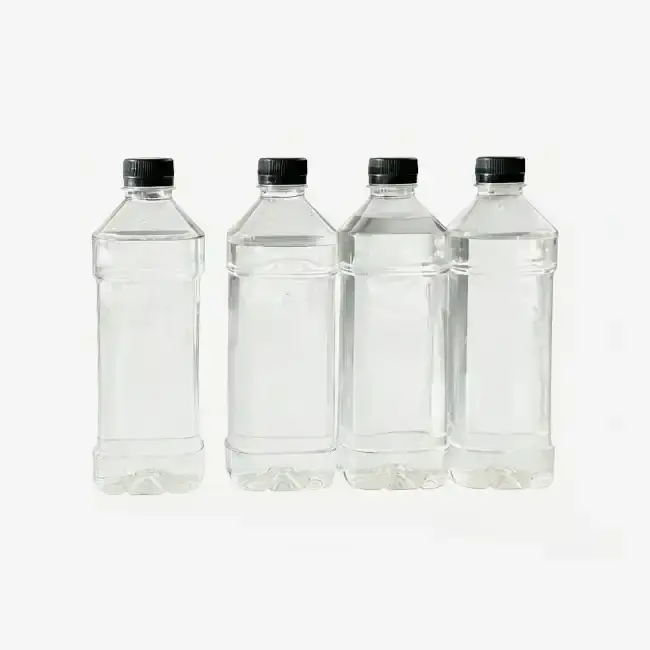
Understanding Liquid Potassium Acetate and Its Snow Melting Properties
Chemical Composition and Molecular Action
Potassium acetate (CH₃COOK) is a big step forward in technology for melting ice. Liquid acetate solutions start working right away, while solid sodium chloride takes time to break down into active brine. By getting in the way of hydrogen bonds between water molecules, the chemical structure stops ice crystals from forming. At amounts between 50 and 60%, this clear, colorless liquid lowers the freezing point remarkably well, working even at temperatures where chloride-based products stop working.
The specific gravity of about 1.27 makes sure that the substance sticks to and penetrates the surface properly during application. Our mix keeps the pH level between 7.5 and 9.2, which naturally protects metal surfaces from rusting instead of speeding it up. This buffered alkalinity makes a safe environment for infrastructure parts that would normally break down quickly under normal deicing procedures.
Performance Characteristics in Extreme Cold
Premium acetate solutions are different from cheap alternatives in how well they work at different temperatures. Independent lab tests show that at -25°C, snow melting performance can reach over 85% in an hour. Taking quick action is very important during storm reaction windows, when minutes can mean the difference between highways staying closed and airports reopening.
The liquid phase gets rid of all dissolution lag time. Before they can melt, solid deicers have to take in heat from the air around them to make salt. In harsh situations, this endothermic delay can last for 15 to 20 minutes. When acetate liquids come in contact with frozen precipitation, they get around this problem right away, transferring heat. Municipal workers and airport officials always say that the pavement is cleared faster than it was when chloride was used in the past.
Environmental and Safety Profile
One thing that makes potassium acetate chemistry unique is that it breaks down naturally. Biological Oxygen Demand (BOD) and Chemical Oxygen Demand (COD) studies show breakdown rates higher than 95%, which means environmental longevity isn't a big deal. When runoff goes into natural waterways, retention ponds, or storm drains, it breaks down quickly without building up toxic byproducts.
Plants and marine environments are also affected by low toxicity levels. Chloride pollution destroys the soil permanently and kills trees along treated corridors. Our acetate mixture has chloride levels below 0.01%, which means that planting next to treated areas won't get salt burn at all. This trait is especially useful on healthcare campuses, university grounds, and business parks, where environmental responsibility and aesthetics play a role in buying choices.
Key Advantages and Applications of Liquid Potassium Acetate in Critical Areas
Operational benefits become clear when you look at real-world deployment situations across different types of systems. Material compatibility, environmental compliance, and consistent performance are all things that procurement specialists look for when they are evaluating deicing strategies.
Airport Runway and Taxiway Operations
The most difficult place for deicing agents to be used is in aviation. The Federal Aviation Administration and Aerospace Material Specification AMS 1435 set tight limits on corrosion for goods that come into contact with airplane parts. Aluminum alloys, magnesium landing gear, and carbon composite materials need to be protected from galvanic corrosion, which chlorides speed up very quickly.
While preventing the formation of Foreign Object Debris (FOD), snow melting liquid potassium acetate meets these stringent requirements. Solid granules can damage planes' surfaces during takeoff and put turbine engines at risk of damage when they hit them. Using special trucks or automated spray systems to apply liquids doesn't leave behind any particles, so the work surfaces stay clean and meet safety standards.
Winter operations teams like that they don't have to maintain as much equipment. Application cars, pumps, and spray tubes don't corrode as much when they are exposed to chloride. This means less money spent on replacements and a more reliable fleet during times of high demand, when broken equipment causes delays that spread through the business.
Bridge Deck and Highway Infrastructure Protection
Because they don't have ground insulation, elevated bridge structures freeze before the roads next to them, which makes them very difficult to maintain. Fluid deicers that can be pumped even at very high temperatures and won't clog precise nozzles are used in Fixed Automated Spray Technology (FAST) systems that are placed on important overpasses.
The perks of corrosion defense make structures last a lot longer. Steel rebar is set up a few inches below the driving surface on reinforced concrete bridge decks. When chlorine gets into the pores of concrete, it starts electrolytic processes that make the rebar bigger. This makes the concrete crack and the deck delaminate. The cost of fixing bridges that aren't built properly goes up quickly, and the cost of replacing a span can reach millions of dollars.
Using acetate stops this cycle of degradation completely. Corrosion rates of ≤0.03g/m²·h on carbon steel show that the materials are compatible, which keeps the structure's integrity. Managing old infrastructure portfolios, transportation departments know that choosing high-end products for high-value assets is worth it because they save money over the course of their lifetime.
Commercial and Industrial Facility Management
Property managers who are in charge of hospitals, drug factories, and data centers put operational continuity and reducing liability at the top of their list of priorities. Pedestrian slip-and-fall accidents put businesses at risk of being sued, and closing down a business because of limited access costs a lot more money than the cost of deicing materials.
Acetate treatments quickly clean up entrance plazas, loading docks, and parking structures without harming architectural finishes or leaving behind tracking dust inside. The slightly acidic smell goes away quickly, so you don't have to deal with the nasty ammonia smell that comes with some urea-based options. Facilities that take care of delicate electronics or clean rooms like that need to ensure there are no acidic particles that could damage equipment or get into controlled areas.
Regulatory Compliance and Environmental Permitting
The National Pollutant Discharge Elimination System (NPDES) limits the amount of chlorine released into open waters. When tracking shows high conductivity rates downstream of treatment operations, cities and towns in cold climates may be fined. Acetate chemistry offers a way to comply that meets both operating goals and environmental requirements at the same time.
REACH (Registration, Evaluation, Authorization, and Restriction of Chemicals) rules in the European Union make it very important for chemical products to have a lot of paperwork. Our ISO 14001-certified manufacturing processes make sure that all of our products can be tracked and meet all the rules for international customers who need documented environmental management systems.
Comparing Liquid Potassium Acetate With Other Deicing Solutions
To make smart purchasing choices, you need to know how different deicing methods compare in terms of performance, cost, and practical trade-offs. This framework for comparison helps building managers and city planners choose the best options for each situation.
Performance Metrics Analysis
The performance indicator that can be seen right away is the melting speed. Comparing the same application rates in the lab shows that potassium acetate can melt 85% of the ice in 60 minutes at -25°C. Under the same conditions, calcium magnesium acetate reduces by about 70%, but sodium chloride's efficiency drops below 50% as temperatures get close to -20°C.
When anti-icing is used as a preventative measure before it snows or rains, residual longevity is important. Acetate solutions keep the area covered better than chloride brines because they stick to it better. This lowers the number of times that the product needs to be reapplied during long storms, which saves money on both product and work.
Practical limits on application are set by temperature range restrictions. Below -9°C, sodium chloride stops melting, magnesium chloride stops working below -15°C, and even calcium chloride stops working below -29°C. When the temperature drops to -35°C, potassium acetate keeps working the same way, so it can be used even in the coldest continental weather.
Corrosion Potential Assessment
Long-term results for maintaining infrastructure depend on how quickly materials break down. Standard immersion testing according to ASTM G31 guidelines shows that deicing chemicals are very different from one another. Sodium chloride eats away at carbon steel at rates faster than 0.40g/m³·h. Calcium chloride is just as destructive to metal and concrete support.
Formulations with snow melting liquid potassium acetate (CAS NO.: 127-08-2)have corrosion rates on steel surfaces that are less than 0.03g/m³·h, which is about 13 times less violent than sodium chloride. This difference grows every year over the 50–75 years that infrastructure is used. In the same temperature zones, bridges that are only treated with acetate products have significantly less breaking, spalling, and structural damage than bridges that are exposed to chloride products.
Concrete compatibility goes beyond protecting rebar and includes keeping the surface's integrity. Crystallization of chloride in the pores of concrete creates expanding pressure that lifts the surface and exposes the aggregate. Because acetate solutions don't crystallize, the sidewalk stays smooth all winter, which keeps tires from wearing out and makes it easier to walk on.
Environmental Impact Evaluation
As companies become more aware of their environmental responsibilities and come under pressure from regulators, the environmental effects of their decisions affect what they buy. In aquatic toxicity studies measuring LC50 values (the concentration that kills 50% of test organisms), potassium acetate has toxicity levels about the same as table salt, meaning that it is "practically non-toxic" for fish and invertebrates.
Chloride products hurt plants' root systems and the structure of the soil permanently at levels that are common near roads, according to tests that measure vegetation tolerance. Common landscaping plants are not hurt by acetate runoff amounts that are normal for regular uses. This trait makes it useful for jobs that need to be done near decorative plants, sports areas, and golf courses where the quality of the grass is important.
Groundwater pollution is a long-term environmental problem because chloride builds up in groundwater over time. Biodegradation of acetate stops this kind of residue pollution because it breaks down into carbon dioxide and water within weeks of being exposed to the environment. Acetate substitution gets rid of the risk of long-term contamination in watershed protection zones and wellhead protection areas.
Procurement Guide for Industrial Liquid Potassium Acetate
When buying bulk industrial chemicals, you need to look at more than just price quotes when deciding which supplier to go with. Long-term partnerships that keep operations running smoothly and limit liability risks depend on consistent quality, proof of regulatory compliance, a reliable supply chain, and technical support.
Supplier Selection Criteria
Manufacturing approval guidelines give you a basic way to check the quality of your products. Getting ISO 9001 certification shows that you have well-thought-out quality management systems that make sure that each batch is the same. The ISO 14001 environmental management certification checks that a company uses sustainable manufacturing methods and follows all the rules. When a building has both certificates, it shows that the company is committed to quality and environmental performance.
Certifications that are specific to an industry meet the needs of specific applications. KOSHER and HALAL approvals mean that the production process meets strict standards for cleanliness, which equates to pharmaceutical-grade purity levels that are safe for use in sensitive situations. Suppliers with these credentials usually run facilities with strict controls for contamination and thorough testing protocols.
During peak winter demand periods, the supply reliability of snow melting liquid potassium acetate depends on effective production capacity management and strong inventory planning. Manufacturers with acetate production facilities capable of producing more than 100,000 tons annually can support large municipal contracts and multi-location commercial agreements while maintaining stable availability of snow melting liquid potassium acetate. Maintaining safety stock levels and distributing inventory across multiple strategic locations helps prevent shortages of snow melting liquid potassium acetate during regional winter storms when demand increases unexpectedly. Reliable suppliers of snow melting liquid potassium acetate use advanced supply chain management practices to ensure continuous delivery, allowing customers to maintain effective winter operations even during periods of extreme weather demand.
Quality Assurance and Testing Protocols
The product specs should list important parameters and acceptable conditions that can be checked. A potassium acetate content of 50 to 60 percent guarantees the best freezing point depression while keeping the ability to be handled. The impurity standards for chloride (≤0.01%), sulfate (≤0.05%), and heavy metals (lead ≤0.01%) keep the product from getting contaminated, which could hurt its performance or cause problems with the environment.
The Certificate of Analysis (COA) paperwork that comes with every shipment makes it possible to trace back to specific production batches. Reputable makers test their products thoroughly, checking the refractive index, measuring the density, finding out the pH, and doing an optical purity analysis. This paperwork helps with quality checks and shows that the necessary steps were taken to meet legal reporting standards.
Validation testing by a third party adds more security to high-stakes applications. When independent labs test for AMS 1435 corrosion and NPDES release compliance, they can confirm what the maker says without bias. Specifications for buying things can require third-party certification for initial qualification and regular revalidation to keep a vendor's approved status.
Packaging and Logistics Considerations
The types of bulk packaging affect how quickly and cheaply they can be handled and delivered. IBC (Intermediate Bulk Container) totes that can hold 1000 liters are standard industrial packaging that protects materials while still being easy for forklifts to move. Stackable designs make the best use of warehouse space and speed up the loading of trucks.
Flexitank systems are more cost-effective for foreign shipments in containers and big orders that only need to be delivered once. With these one-time-use polyethylene liners, normal 20-foot shipping containers can be turned into tanks that can carry up to 24,000 liters of liquid. Flexitanks get rid of the need to return containers and pay for cleaning, and they provide clean, single-use packing.
When shipping and storing things, weather is an important thing to think about. Even though acetate solutions are still liquid at -35°C, storing them in buildings that aren't warm during very cold spells may require recirculating the solution or adding extra heat to keep it pumpable. Cold-weather handling problems can be avoided if suppliers have heated storage facilities and delivery vehicles that are ready for winter.
Cost-Benefit Analysis Framework
The purchase price is only one part of the total cost of owning. An in-depth economic analysis that takes into account infrastructure preservation, environmental compliance, equipment upkeep, and operating efficiency is called a lifecycle analysis. Acetate products usually cost more than bulk rock salt, but they often give a good return on investment over long periods of time. This is because they protect structures from damage and lessen the need for replacements.
By precisely calibrating the dose, application rate optimization lowers the cost per lane mile. Controlled delivery of 20 to 40 gallons per lane mile is possible with liquid application systems. Granular spreading rates, on the other hand, depend on how well the equipment is set up and how the operator works it. Automatic systems with flow meters and GPS tracking make sure that coverage is always the same and that too much isn't used inefficiently.
Faster cleaning times and less frequent reapplication lead to gains in labor efficiency. When products work well on the first use, storm response crews can finish treatment routes faster. Fewer returns and extra treatments mean less overtime costs and more crew members are available for other weather events during busy winter seasons.
Best Practices and Safety Recommendations for Handling Liquid Potassium Acetate
Following the right handling instructions will keep people safe and keep the product working well while it is being stored and used. There aren't as many risks with acetate chemistry as there are with many other industrial chemicals, but set procedures make sure that operations are always safe and that regulations are followed.
Personal Protective Equipment Requirements
Although snow melting liquid potassium acetate is generally considered a safe deicing material, standard chemical handling procedures should still be followed to maintain worker safety. When handling snow melting liquid potassium acetate, safety glasses with side shields help protect the eyes from possible splashes during tank filling, loading, and transfer operations. Chemical-resistant gloves made from materials such as rubber or neoprene provide protection against skin contact during equipment maintenance and the connection or disconnection of transfer lines involving snow melting liquid potassium acetate.
For outdoor applications of snow melting liquid potassium acetate, respiratory protection is typically unnecessary because natural ventilation is usually sufficient. However, indoor storage areas or confined-space operations involving snow melting liquid potassium acetate may require air monitoring to confirm adequate oxygen levels and prevent potential vapor accumulation, even though acetate solutions have very low vapor pressure at normal temperatures.
Protective footwear with chemical resistance and slip-resistant soles is also recommended when applying snow melting liquid potassium acetate. Proper footwear reduces the risk of falls on wet or icy surfaces, especially during winter operations involving tank trucks, storage systems, and maintenance equipment. Following correct safety practices ensures that snow melting liquid potassium acetate can be handled efficiently while maintaining a safe working environment.
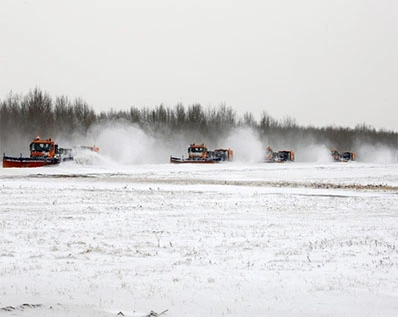
Storage and Facility Requirements
The specifications for a warehouse should protect it from extreme temperatures and sources of contamination. Product stability is maintained in dry, well-ventilated storage areas that are away from direct heat sources and things that don't go with the product. Acetate solutions can handle small changes in temperature, but keeping them between 10°C and 25°C all the time makes them easier to handle.
The secondary containment measures follow the rules for preventing spills set out in 40 CFR 112 for sites that store chemicals and fuel products. If a tank fails or a transfer line breaks, environmental leaks are stopped by containment volumes equal to 110% of the biggest single container volume. Containment walls that can't be broken through and drainage holes make cleanup easier and keep the dirt from getting contaminated.
Standard chemical storage segregation rules say that things that don't go together should be kept separate. Keep strong oxidizers, acids, and volatile metals physically away from each other. Even though acetate solutions don't pose many reaction risks, keeping them separate keeps them from mixing by mistake, which could lead to dangerous conditions.
Spill Response and Environmental Management
If leaks happen, immediate containment measures keep the damage to the environment to a minimum. Granular clay or specially designed spill pads are absorbent materials that stop free liquid from moving to storm drains or seeping into the ground. The biodegradable nature of acetate chemistry means that it has less of an impact on the environment over time than petroleum-based products. However, quick cleanup shows that environmental responsibility and following the rules have been met.
Local wastewater disposal permits and solid waste rules say how to get rid of used acetate solutions or contaminated absorbent materials. Acetate solutions that aren't too strong are accepted by many municipal wastewater treatment plants as easily biodegradable organic compounds that can be used with biological treatment processes. To make sure you're following the rules for pretreatment, confirm acceptance with the facility operators before you leave.
Best practices for application include protecting the environment by keeping an eye on the weather so that treatments don't happen right before it rains, which could wash the product off before it bonds to the ground. Anti-icing applications made one to two hours before it starts to rain are the most cost-effective and least harmful to the environment.
Equipment Maintenance and Calibration
How long application equipment lasts depends on how often it is serviced and how well it contacts acetate solutions. Even though the chance of corrosion is still low, pumps, spray bars, and tank linings are checked for wear on a regular basis, which finds problems before they happen. Components made of stainless steel and plastic work well together, but carbon steel equipment might need protective coats or to be inspected more often.
Verification of the nozzle's calibration makes sure that the application rates are correct and meet the design requirements. Every year, flow tests with measured collection buckets make sure that delivery rates are accurate across all spray bar lengths. Modern application vehicles have GPS-linked flow controls that allow precise dosing that adapts instantly to changes in vehicle speed, making the best use of product.
When equipment is flushed at the end of the season, any leftover acetate solution is removed. This keeps pumps and pipes from freezing while they are stored away for the winter. Rinsing the equipment well with water and then purging it with compressed air protects the investment and makes sure it will start up reliably next winter.
Conclusion
Snow melting liquid potassium acetate (CAS NO.: 127-08-2)deicing options are the best way to protect important structures while also following strict environmental rules. The combination of quick snow melting, low corrosion, and biodegradable chemistry solves problems in operations that conventional chloride products can't. Acetate technology is very useful for airports that need to meet strict safety standards, transportation offices that need to keep bridges in good shape, and businesses that want to lower their risk. Even though the starting prices of the product are higher than those of similar products, it has positive economic impacts over its lifetime, such as a longer useful life for assets, compliance with regulations, and less damage to the environment. Acetate deicing programs will work well if they are put in place by choosing qualified providers with detailed quality systems, enough production capacity, and full technical support.
FAQ
What concentration of potassium acetate works best for airport deicing?
Solutions containing 50% potassium acetate that meet AMS 1435 standards are often used in aviation. This concentration makes the freezing point drop to -60°C at the eutectic point while keeping the fluid's viscosity at a level that can be used with spray tools. Higher amounts can make storage boxes clog up with crystals, and solutions that are too weak lose their ability to work at low temperatures. The technical team at our company helps you find the best dilution ratios for your specific climate and application equipment. This makes sure that you follow all the rules and get the best value for your money.
How does liquid acetate compare to glycol-based runway deicers?
Potassium acetate is better for the environment than options like propylene glycol or ethylene glycol. Acetates break down more quickly and are less harmful to marine life. They also have less of an effect on the biological oxygen demand of the water they enter. Acetates are better for facilities that care about the environment because they last longer and don't cost as much to use as glycol products, which are great for keeping surfaces from freezing. Both chemicals meet FAA approval standards, so the choice can be made based on business needs and local environmental laws.
Can potassium acetate be applied through existing chloride spray equipment?
Snow melting liquid potassium acetate solutions can usually be used with existing liquid application tools with only small changes. Make sure that the materials used for the pump seals, gaskets, and spray tubes are suitable. These materials could be stainless steel, polyethylene, or Viton elastomers. Acetate solutions are still much less likely to corrode carbon steel tanks than chloride solutions, but they may need protective coverings or to be inspected more often. Talk to the equipment manufacturers about what materials will work with their products, and our technical support team can help with retrofitting for fleet conversions that are already in use.
Partner With SHANXI ZHAOYI CHEMICAL for Reliable Acetate Deicing Solutions
SHANXI ZHAOYI CHEMICAL has been making acetate for more than 30 years and uses that experience in difficult building projects around the world. Our yearly production capacity of 150,000 tons makes sure that large-scale municipal contracts and corporate programs that involve multiple facilities always have supplies on hand. We give snow melting liquid potassium acetate that satisfies the strictest specs and upholds rigorous quality standards approved by ISO 9001, ISO 14001, KOSHER, and HALAL credentials. Technical consulting services help you get the most out of your application rates and equipment configurations based on your individual needs. Contact our knowledgeable staff at sxzy@sxzhaoyi.com for full product details, safety data sheets, and mass prices, or go to zhaoyichemical.com to see all of our acetate products. Get in touch with a reliable company that produces snow-melting liquid potassium acetate and is dedicated to your business's success.
References
1. Federal Aviation Administration (2021). Airport Winter Safety and Operations: Advisory Circular 150/5200-30D. U.S. Department of Transportation.
2. National Academies of Sciences, Engineering, and Medicine (2019). Guidelines for the Selection of Snow and Ice Control Materials to Mitigate Environmental Impacts. Transportation Research Board Special Report 335.
3. Fischel, M. (2018). Evaluation of Alternative Deicing and Anti-icing Formulations. Journal of Cold Regions Engineering, Vol. 32, Issue 4.
4. American Society for Testing and Materials (2020). ASTM D7346-20 Standard Practice for Freezing Points of Aqueous Potassium Acetate Solutions. ASTM International Standards.
5. Environmental Protection Agency (2022). Best Management Practices for Winter Deicing Operations: Sodium and Chloride Reduction Strategies. EPA Document 833-F-22-001.
6. Klein-Paste, A. and Wåhlin, J. (2017). Wet Pavement Anti-Icing Performance of Acetate-Based Deicers: Laboratory and Field Studies. Cold Regions Science and Technology, Vol. 134, pp. 13-22.

USER EVALUATE
Here is the customer's evaluation of us