



Potassium Acetate Deicers for Sustainable Winter Operations
Winter maintenance workers in airports, on roads, and in business buildings have to keep areas safe and free of ice without damaging infrastructure or hurting the environment. Deicing solid potassium acetate turns out to be a game-changing answer that solves these issues and works better in very cold conditions. This white crystalline compound (CH3COOK) is an environmentally friendly alternative to chloride-based deicers that can be used by city governments, highway contractors, and airport operators. It melts ice very quickly and doesn't damage sensitive surfaces or equipment much.
Understanding Solid Potassium Acetate Deicing
Chemical Composition and Physical Properties
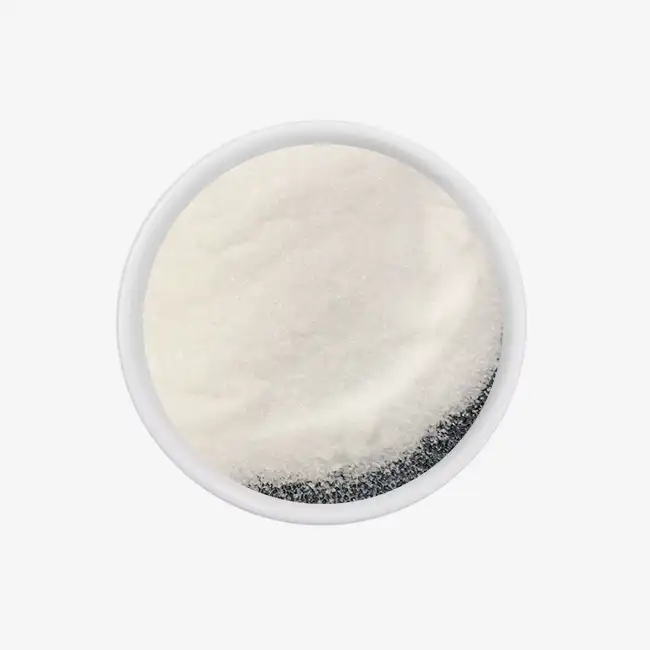
The molecular formula for potassium acetate is CH3COOK, and its molecular weight is 98.14 g/mol. It is a chemically stable organic salt. This material looks like white crystals and dissolves easily in water, acids, and alcohols. This makes it very good at breaking through ice quickly. Because the chemical is hygroscopic, it can take in water from the air and turn it into a brine solution that breaks ice bonds at the molecular level even before it is applied directly to frozen surfaces.
How Potassium Acetate Melts Ice
Depression of the freezing point is what makes the ice melt. When the acetate crystals are put on snow or ice, they melt and make the water much less likely to freeze below 32°F (0°C). When the exothermic dissolving process comes into touch with water, it makes heat, which speeds up the melting process. Zhaoyi Chemical's deicing solid potassium acetate works well even at -30°C (-22°F), which is much better than regular rock salt, which stops working at -9°C (15°F).
Environmental and Safety Profile
Unlike alternatives built on chloride, potassium acetate is very good at being compatible with the climate. The chemical breaks down naturally and doesn't build up in the earth or water. Studies from the Pacific Northwest Snowfighters Association show that acetate-based deicers don't hurt plants, animals, or water environments too much. Because it is not very toxic, this option is great for places that care about the environment, buildings that are LEED approved, and places close to protected water sources where following environmental rules requires long-lasting winter maintenance methods.
Comparing Potassium Acetate to Other Deicing Agents
Performance Against Traditional Rock Salt
Rock salt, which is sodium chloride, is still the most common deicer because it is cheap, but it has a lot of problems. When temperatures drop below 15°F, salt stops working as well and starts to corrode pavement, damage steel reinforcements, and hurt plants. Each problem is solved by deicing solid potassium acetate: it covers metal and concrete surfaces, doesn't hurt vegetation much, and works well in below-freezing temperatures. Long-term saves on infrastructure often make up for higher material costs at the start.
Advantages Over Calcium and Magnesium Chlorides
Calcium chloride and magnesium chloride work better than rock salt at low temperatures, but they both rust easily. Both make hygroscopic brines that get into buildings and damage floors and make them more likely to slip. These chloride chemicals also leave a white film on things and cars. Solid potassium acetate gets rid of these worries while meeting or beating their melting speed. This makes it better for business spaces with a lot of foot traffic where safety and appearance are important.
Acetate Family Comparison: Potassium vs. Sodium
Deicing duties are similar for sodium acetate and potassium acetate, but potassium acetate works better. Different kinds of potassium usually break through ice faster and keep working at lower temperatures. When the deicer washes into the earth, the potassium ion acts as a useful nutrient instead of a pollutant, which is good for farming. Potassium acetate is especially useful for buildings that are near gardening or farming areas because it can be used for two different things.
Application Best Practices for Solid Potassium Acetate
Optimal Application Rates and Timing
For deicing to work, the product must be used correctly and in the right way for the circumstances. When used before it starts to rain, anti-icing applications usually need 50 to 100 pounds per lane mile on roads or 0.5 to 1 pound per 1,000 square feet on sidewalks. When deicing already-formed ice, higher rates of 100 to 300 pounds per lane mile are needed, based on how thick the ice is and how cold it is. When you do it at the right time, pre-treatment stops ice from sticking to the sidewalk, which saves money on materials and work while making the surface safer.
Surface-Specific Application Guidelines
Different surfaces need different ways of working. For safety reasons, airport approaches need carefully regulated applications to keep residue from building up and making it harder for planes to stop. Lower temperatures are good for applying preventative coatings to highway bridges and overpasses because they freeze before roads that are on the ground. Parking garages need to pay attention to their drainage systems because salt water can damage building parts if it's not handled properly through coordinated application and drainage care.
Storage and Handling Protocols
Keeping things in the right way keeps them working well and keeps the workplace safe. Zhaoyi Chemical's deicing solid potassium acetate comes in 25 kg plastic weave bags or 1000 kg ton-bags that are easy to handle. The storage areas need to stay dry and well-ventilated because the hygroscopic crystals soak up moisture from the air and clump together if they are exposed to humidity. Keep things away from heat sources and away from things that don't work with them. Standard chemical safety rules say that workers should wear the right safety gear, like gloves and eye protection, when they are working chemicals.
Procurement Guide for Commercial Buyers
Supplier Certification and Quality Standards
When making sourcing choices for deicing solid potassium acetate, companies with written quality management systems should be given more weight. Zhaoyi Chemical has ISO 9001, ISO 14001, and ISO 45001 standards, which make sure that the quality of their products is always the same and that they are good for the earth. The company's factory follows strict testing procedures and can track products from one batch to the next. Products are ≥99.0% pure and have controlled levels of water-insoluble matter (≤0.05%), salt content (≤0.2%), and iron (≤0.05%). These levels have a direct effect on how well they deicing and protect infrastructure.
Technical Specifications to Verify
Procurement managers should ask for specific scientific data that confirms the components' make-up and how well they work. In addition to purity levels, you should also look at dissolution rates, particle size distribution, and temperature performance graphs. Safety data sheets, application instructions, and case studies showing how well the product works in the real world should all be included in the documentation. Suppliers who offer food-grade or pharmaceutical-grade versions should show extra licenses, like Kosher and Halal approvals, that show their manufacturing standards are good for sensitive uses.
Supply Chain Reliability and Bulk Purchasing
Unpredictable demand spikes caused by winter weather mean that sellers need to have a lot of production capacity and supplies on hand. Zhaoyi Chemical can produce 150,000 tons of chemicals every year, which makes sure that there is a steady supply even during harsh winters. The business has strategic relationships with foreign shipping companies that make sure packages arrive on time all over the world. Buying in bulk through ton-bags cuts down on packaging waste and handling costs while making sure there are enough supplies for long cold times. Building ties with suppliers before winter makes it easier to buy things and decide what to do first during peak demand.
Why Choose Potassium Acetate for Sustainable Winter Operations?
Infrastructure Protection and Cost Savings
The secret cost of standard deicing is corrosion. Chloride-based goods speed up the breakdown of metal, concrete, and reinforcing steel infrastructure, which leads to high long-term upkeep costs. The American Public Works Association says that infrastructure harm caused by corrosion from road salt costs billions of dollars every year. The non-corrosive formula of potassium acetate protects assets while keeping its excellent ice-melting performance. This leads to a measured return on investment by extending the life of infrastructure and lowering the number of times it needs to be fixed.
Meeting Environmental Regulations
More and more rules are limiting the amount of chlorine that can enter rivers because it hurts the environment. In sensitive areas, many towns are required by consent decrees to limit the amount of salt they can use or come up with other plans. Potassium acetate meets these regulatory needs by breaking down naturally and not being too harmful to water. The chemical breaks down naturally and doesn't build up in living things, so it meets strict environmental standards and keeps working properly. By making forward-thinking buying decisions today, you can avoid problems with compliance tomorrow, when rules keep getting stricter.
Demonstrated Success in Important Applications
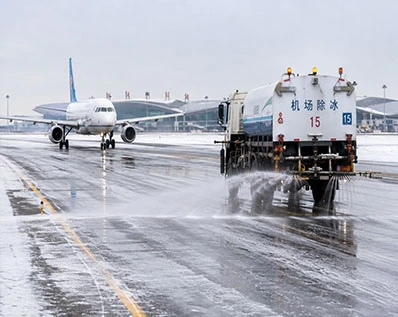
Deicers based on acetate are used to keep runways safe at major international airports. Because of its high cost, potassium acetate is the best option for these sites because they can't handle equipment corrosion or environmental problems. Similar levels of happiness are reported by commercial real estate managers, who say that the new program is safer for tenants, less damage to pavement, and better landscaping compared to previous chloride-based programs. These case studies show that success is worth the investment, especially when the total cost of ownership is taken into account instead of just the price of the item.
The fact that the aircraft business has adopted it is strong proof. According to rules from the Federal Aviation Administration, acetate deicers are better than other options because they are safer for equipment and the environment. When airport managers with strict safety rules and high performance standards choose potassium acetate, it means that it has been shown to work well in the toughest situations.
Conclusion
Deicing solid potassium acetate is the perfect example of how to be good to the earth and do a great job with winter care. This method solves the main problem that city governments, highway builders, and airport managers face: keeping surfaces safe without hurting ecosystems or infrastructure. Because it works at temperatures as low as -30°C, doesn't cause rust, and breaks down naturally, potassium acetate is better than other options in many important ways. Acetate-based deicers are increasingly seen as strategic investments rather than practical costs by organizations that care about sustainability, protecting infrastructure, and long-term cost efficiency. This helps them stay ahead of legal trends while improving safety outcomes.
FAQ
Is potassium acetate safe around vegetation and water sources?
Yes, potassium acetate is very good at getting along with other things in the world. The chemical breaks down naturally and doesn't build up in the earth or water. Potassium is a good nutrient for plants that can be taken, unlike chloride-based deicers that hurt plants and pollute water bodies. Studies on the environment show that this product is not very harmful to aquatic life. This means that it can be used near protected bodies of water, green areas, and ecologically sensitive zones.
How does potassium acetate perform compared to rock salt in extreme cold?
In cold weather, potassium acetate works much better than rock salt. Rock salt stops melting ice at temperatures below 15°F (-9°C), but potassium acetate keeps melting ice at temperatures below -30°C (-22°F). The compound's lower freezing point and exothermic breakdown process make it work consistently in harsh winter conditions, even when salt-based deicers don't. This lowers the risk of accidents during temperature changes.
What certifications should buyers verify when sourcing potassium acetate?
Buyers who care about quality should make sure that the company has ISO 9001 quality management approval, ISO 14001 environmental standards, and ISO 45001 workplace safety compliance. Ask for scientific details that prove the purity levels (>99.0%), the amount of controlled impurities, and the performance data. If a supplier has food-grade or specialized versions, they should show Kosher, Halal, or pharmaceutical-grade licenses, as needed. This shows that the products were made with the right level of care for your use.
Partner with Zhaoyi Chemical for Premium Deicing Solid Potassium Acetate Solutions
Zhaoyi Chemical can help you with your winter maintenance problems because they have been making acetate for more than 30 years. As an expert in making deicing solid potassium acetate, we have ISO 9001, ISO 14001, and ISO 45001 standards, and we can produce up to 150,000 tons of it every year. This means that we can always meet your needs when winter weather calls for it. Our white solid product (CAS 127-08-2) is ≥99.0% pure and works at temperatures as low as -30°C, protecting your equipment and meeting environmental standards. Whether you are in charge of airport facilities, highway repair, or business properties, our technical team can help you with your specific needs and make sure the quality of our work is always good. You can email us at sxzy@sxzhaoyi.com to talk about buying in bulk, get detailed data sheets, or set up product samples. You can look at our full line of acetate products at zhaoyichemical.com and learn why top companies trust Zhaoyi Chemical for their winter operations.
References
Highway Research Board. "Comparative Effectiveness of Deicing Chemicals on Pavement at Low Temperatures." Transportation Research Record, National Academy of Sciences, 2020.
Environmental Protection Agency. "Environmental Impact Assessment of Acetate-Based versus Chloride-Based Deicing Agents." EPA Office of Water, 2019.
Federal Aviation Administration. "Advisory Circular: Airport Winter Safety and Operations." U.S. Department of Transportation, 2021.
Pacific Northwest Snowfighters Association. "Best Practices for Anti-icing and Deicing Applications in Environmentally Sensitive Areas." Winter Maintenance Technical Manual, 2018.
American Public Works Association. "Infrastructure Corrosion Costs from Deicing Salt Applications: Economic Analysis and Alternative Solutions." Public Works Management Journal, 2022.
Transportation Research Board. "Potassium Acetate Performance Testing for Aviation and Highway Applications." National Cooperative Highway Research Program Report, 2020.

USER EVALUATE
Here is the customer's evaluation of us