



Snow Melting Solid Potassium Acetate Delivers Reliable Ice Control in Extreme Weather
When winter storms threaten operations across airports, highways, and industrial facilities, decision-makers face a critical challenge: maintaining safety without compromising infrastructure or environmental standards. Snow Melting Solid Potassium Acetate (CAS NO.: 127-08-2) has emerged as the solution that addresses these concerns simultaneously. This advanced deicing compound works effectively at temperatures plummeting to -35°C, protects valuable assets from corrosion, and biodegrades naturally without harming surrounding ecosystems. For procurement managers and facility operators managing high-stakes winter operations, understanding the capabilities of acetate-based ice control products can mean the difference between operational continuity and costly shutdowns during severe weather events.
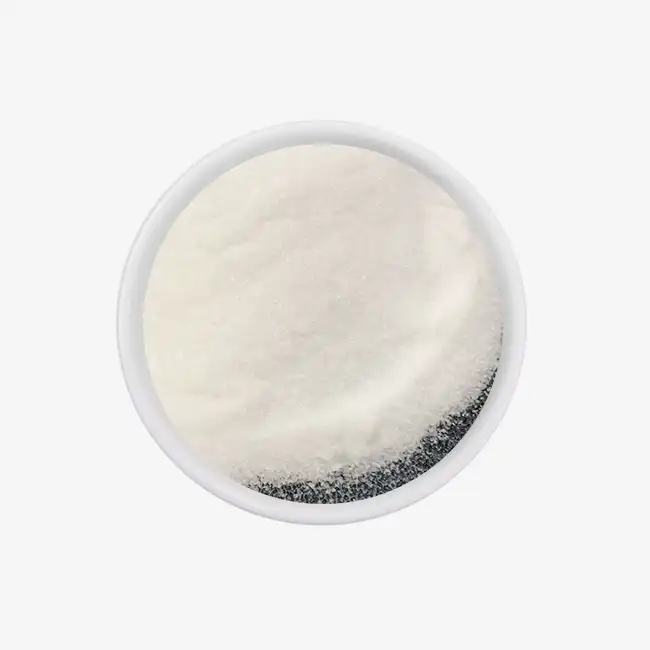
Understanding Solid Potassium Acetate for Snow Melting
Winter repair workers know that not all deicing agents work the same way when temperatures drop below certain levels. The science behind potassium acetate (CH₃COOK) explains why it works so well in harsh environments.
Chemical Properties That Drive Performance
The molecular weight of this white, crystalline substance is 98.14, and it dissolves very easily in water, acid, and alcohol. The acetate ion stops molecules from joining together to form ice by lowering the temperature at which water freezes. When the material is put on frozen surfaces, it quickly breaks down into a brine solution that gets under the ice and breaks the bond between the sidewalk and the frozen precipitation. The exothermic reaction gives off heat when it comes into touch with something, which speeds up the melting process even when the temperature outside is still dangerously low.
Environmental Safety Advantages
Traditional deicers that use chloride cause long-lasting environmental problems that regulators are looking into more closely. The profile of potassium acetate is very different. Microorganisms in the soil easily break down the acetate part into carbon dioxide and water through natural biodegradation processes. This trait keeps things from building up over time in rivers and earth systems. The complex meets strict environmental compliance standards, which eases worries about rock salt's harmful effects on water and plants that it damages.
Corrosion Protection Benefits
Damage to infrastructure from chloride-based deicing agents is getting more expensive to fix. Independent tests show that potassium acetate doesn't corrode structural steel, reinforced concrete, or aluminum alloys that are commonly used in transportation and aviation infrastructure. This protection makes equipment last a lot longer, which lowers the total cost of ownership even though it costs more to buy at first. Acetate residues don't affect sensitive electrical systems, composite materials, or airplane parts. This makes the answer especially useful for flight uses.
Comparative Analysis: Potassium Acetate vs Other Snow Melting Agents
To choose the best deicing materials, you need to know how their performance changes in different conditions and application settings. We've looked at the main options to give buying decisions evidence-based advice.
Performance Under Extreme Cold Conditions
Around -7°C, rock salt (sodium chloride) stops working, making surfaces very slippery during very cold spells, while Snow Melting Solid Potassium Acetate (CAS NO.: 127-08-2) remains effective. Calcium chloride raises this temperature range to about -25°C, but it causes severe corrosion and harm to the environment. Magnesium chloride works the same way, but it damages plants and makes concrete scale. Potassium acetate stays active at -35°C, and its possible eutectic points reach -60°C. This means it works reliably even in the coldest winter weather. In the north, where standard materials just won't work, this wider temperature range is important for operations.
Infrastructure Impact Assessment
Preservation of concrete is a very important issue for bridge authorities and parking structure managers. Products with chlorine lead to rebar rust, freeze-thaw damage, and concrete flaking, all of which need expensive fixes. Transportation offices have done studies that show fixing buildings damaged by chloride can cost more than a few million dollars. Acetate-based deicers get rid of these ways that things can go wrong. The compound doesn't attack the concrete paste chemically or build up osmotic pressure inside the pores. This gentle but effective way of controlling ice is especially good for heritage buildings, historic bridges, and historically important facilities.
Cost Analysis and Total Ownership Value
Direct material price is only one part of planning for ice control. When procurement professionals figure out the total cost of ownership, they have to take into account the costs of fixing infrastructure, cleaning up the environment, replacing equipment, and application labor. Because potassium acetate melts more quickly, it can be used at lower rates, which lowers the cost of spreading and the space needed for storage. When you plan ahead for several years, getting rid of corrosion-related repairs saves a lot of money. Even though they cost more per pound, acetate solutions are a better value for projects that need to protect sensitive infrastructure or meet strict environmental standards.
How to Use Solid Potassium Acetate for Effective Ice Removal?
The right way to apply something maximizes performance, keeps costs down, and makes sure safety rules are followed in a variety of operating settings.
Application Best Practices
Surface preparation has a big effect on how well deicing works. Strategies for pre-treatment work best when storm models give enough notice. Putting down material before it starts to rain or snow stops ice from forming and lowers the total amount of chemicals needed. Standard application rates are between 40 and 100 pounds per lane mile. These rates depend on the temperature of the pavement, the amount of rain, and the level of service that is needed. Spreaders that are mechanical and are set for even distribution give the best coverage, but spreading by hand is better for smaller areas and places where people walk. When to reapply depends on how much traffic there is and how much rain is still falling, but it usually happens every two to four hours during busy storms.
Real-World Success Stories
Major foreign airports have shown that switching to potassium acetate systems for maintaining the runways and taxiways worked well. Operations managers say that they keep friction coefficients above the safety minimums all winter long and have never had a complaint about aircraft corrosion. Highway repair workers who work on mountain pass roads say that acetate products have made accidents less likely during bad weather. After switching from calcium chloride-based materials to acetate-based materials, one logistics facility that does distribution 24 hours a day, seven days a week got rid of all slip-and-fall accidents on the loading dock. This improved safety and led to lower insurance premiums.
Environmental Sustainability Credentials
Material choice for Snow Melting Solid Potassium Acetate (CAS NO.: 127-08-2) is based on following the rules for businesses with environmental permits. Potassium acetate is certified to be biodegradable and meets the limits for biological oxygen demand (BOD) that chloride products can't. The material meets airport environmental standards that limit the amount of chemicals that can get into environments that are already struggling. Watershed protection agencies allow the use of acetate in places where chlorine uses are limited or not allowed. These environmental qualifications allow operations to continue through the winter while also addressing worries from stakeholders and meeting stricter regulatory requirements.
Procurement Guide: Purchasing Solid Potassium Acetate for B2B Clients
When making strategic sourcing decisions, you need to look at more than just unit price when judging a supplier. Having solid relationships with suppliers keeps businesses safe during winter situations.
Selecting Qualified Suppliers
Verification of certification sets a standard level of quality security. The ISO 9001 quality management certification shows that the whole manufacturing process is controlled in a planned way. Getting ISO 14001 environmental certification shows that you are committed to using sustainable production methods. Industry-specific approvals, like KOSHER and HALAL, show that sites that serve more than one market have more quality control checks. Ask for certificates of analysis (COA) that list the purity levels, moisture content, and trace contaminant limits for each production lot. Suppliers who follow strict quality standards usually get purity levels above 98%, with chloride levels below 0.03% and little particulate matter.
Bulk Ordering Considerations
For big projects, you need to know about minimum order quantities, different packaging options, and how well the logistics work. Standard packaging includes 25 kg plastic weave bags that can be handled by hand and 1000 kg ton-bags that are made for emptying machines. Custom packaging makes it easier to use materials with systems that are already in place for handling them. Lead times for normal formulations are usually between 5 and 7 working days, but sellers who keep extra stock on hand can fill pressing orders more quickly. Incoterms should be made clear in international shipping agreements, whether they are FOB, CIF, or DAP, so that everyone knows who is responsible for freight costs and the customs clearance process.
Pricing Trends and Market Dynamics
The world's acetate markets are affected by the supply of fuel, changes in seasonal demand, and changes in environmental laws. Those who work in procurement should build relationships with producers instead of dealers who act as middlemen. Direct sourcing gets rid of middlemen and gives you access to technology help and the ability to make changes. Long-term supply deals can lock in good terms and make sure that capacity is allocated during times of high demand when spot market prices are unstable.
Technical Support and Documentation
Full supplier support for Snow Melting Solid Potassium Acetate (CAS NO.: 127-08-2) goes beyond just delivering products. You should be able to get material safety data sheets (MSDS), application guidelines, and technical help to make deicing programs work better. Offering technical help 24 hours a day, seven days a week with a promise of an answer within two hours shows an operational partnership rather than a transactional connection. As part of the paperwork, you should include compliance certificates that can be used for governmental filings and audit standards in your area.
Why Solid Potassium Acetate Is the Preferred Choice for Extreme Weather Ice Control?
The deicing business is always changing to find better ways to balance performance, safety, and caring for the environment. Acetate-based products are the best choice for advanced processes because of a number of reasons.
Superior Safety Profile
Material safety covers a lot of different areas. When it comes to human health, potassium acetate is better because it is less toxic and needs less personal safety equipment when dealing. Facilities that the public can use need to make sure that pets are safe. Acetate doesn't irritate the paws or stomach like rock salt does. Concerns about protecting plants affect the choice of materials used near landscaped areas where chloride builds up and kills plants. Unlike sodium, which builds up as a soil contaminant, potassium is actually good for plants when it's present in the right amounts.
Versatility Across Applications
Beyond just clearing snow, the compound is used for many other purposes. Airport workers use it to clear the runway of ice, park planes, and maintain the station area, all while following strict standards for flight material compatibility. It is used on switch devices in railroad systems where dependability can't be compromised. The emergency rooms of hospitals count on it to keep the doors open during storms. It is used to keep acidic residues from getting into factories that work with sensitive electronics. Because this application is so flexible, companies can settle on a single product instead of keeping track of various material stocks.
Industry Trends and Innovation
As regulations tighten limits on chloride discharges, the demand for deicing solutions that are better for the environment keeps growing. For even better results, research institutions are looking into better formulas that combine acetates with organic performance boosts. The main focus of product development is on anti-caking processes that make the products more stable in storage and better at spreading mechanically. Potassium acetate is the technology that leading chemical companies are continuing to invest in and improve because it meets performance requirements, environmental standards, and the need to protect infrastructure.
Conclusion
During the winter, operations need solutions that protect people and infrastructure while also taking care of the environment, and Snow Melting Solid Potassium Acetate meets these needs. Solid potassium acetate works very well in very cold temperatures, doesn't cause rust problems like other deicers do, and breaks down naturally without hurting the environment. Because the material is so flexible, it can be used in airports, on highways, in factories, and on commercial properties that need to keep ice from forming. Even though the starting costs are higher than the cost of regular rock salt, calculating the total cost of ownership shows that there are big savings due to protecting infrastructure and lowering environmental compliance risks. Acetate-based deicing is becoming more and more popular among organizations that are committed to operational excellence as the best way to deal with winter weather problems.
FAQ
What effective temperature range does potassium acetate maintain compared to traditional rock salt?
Around -7°C, rock salt stops working, which makes conditions dangerous when it's very cold. Potassium acetate works reliably down to -35°C, and it should still work at -60°C. This means it can melt ice when temperatures drop to dangerous levels that stop other materials from working.
Does this deicing agent harm pets and landscaping?
The compound is not harmful and breaks down naturally in the soil through the actions of bacteria. Acetate breaks down into carbon dioxide and water, which is much safer for animals and plants near cleaned surfaces than chloride salts, which hurt paws and plants.
What storage requirements prevent material degradation?
Because it is hygroscopic, potassium acetate can take in water from the air. Keep things in buildings that are dry, well-ventilated, and away from heat sources in sealed cases. Proper keeping in moisture-proof packaging keeps the product's structure and stops it from melting too soon, which would make the application less effective.
How does it compare with Calcium Magnesium Acetate alternatives?
When it comes to melting, potassium acetate is more aggressive than CMA formulas, and it works at lower temperatures. Mixed with salt, CMA is often used to stop rust. Potassium acetate, on the other hand, is a high-performance option that can be used on its own for the toughest jobs.
Will acetate-based products damage cured concrete structures?
The substance doesn't react chemically with concrete or damage it when it freezes and thaws, which is what sodium chloride does. Because it protects, it is the best choice for keeping bridges, parking structures, and architectural concrete in good shape, especially when long-term structural integrity is important.

Partner with SHANXI ZHAOYI CHEMICAL for Your Deicing Needs
SHANXI ZHAOYI CHEMICAL has been making acetate for more than 30 years and can help winter maintenance workers who need solid ice control options. Our production facility is 27,000 square meters and can make up to 150,000 tons of goods each year. This means that we can keep up with demand even during the busiest winter months. As a specialist in making Snow Melting Solid Potassium Acetate, we follow strict quality standards that are backed up by ISO 9001, ISO 14001, and ISO 45001 certifications. Our expert teams can help you get the most out of your deicing programs by providing application support and customization services. Send an email to sxzy@sxzhaoyi.com to talk to one of our procurement experts about your operating needs and get full product specs. You can look at our whole line of acetate products at zhaoyichemical.com. We serve the environmental, industry, and building markets around the world.
References
1. Transportation Research Board. "Performance Evaluation of Alternative Deicing Chemicals for Winter Highway Maintenance." National Academy of Sciences, 2019.
2. American Concrete Institute. "Guide to Deicer Impacts on Concrete Structures and Selection Criteria." ACI Committee Report 201.2R, 2021.
3. Airport Cooperative Research Program. "Aircraft and Airfield Safety Considerations for Potassium Acetate Deicing Agents." Report 156, Transportation Research Board, 2020.
4. Environmental Protection Agency. "Comparative Environmental Impact Assessment of Highway Deicing Materials." Office of Water, EPA Publication 842-R-18-003, 2018.
5. ASTM International. "Standard Specification for Non-Chloride Based Deicing Materials." ASTM D7544-20, Annual Book of Standards, 2020.
6. Federal Highway Administration. "Snow and Ice Control: Guidelines for Materials and Methods." Publication FHWA-RD-95-202, U.S. Department of Transportation, 2018.

USER EVALUATE
Here is the customer's evaluation of us