



Solid Potassium Acetate Offers Reliable Performance in Winter Deicing
Winter deicing represents one of the most critical operational challenges facing municipal authorities, airport operators, and highway maintenance contractors across the United States. When temperatures plummet and ice accumulates on runways, roadways, and infrastructure, the consequences extend far beyond inconvenience—they threaten safety, disrupt commerce, and impose substantial liability risks. Deicing solid potassium acetate (CAS NO.: 127-08-2)has emerged as a solution that addresses these challenges with remarkable effectiveness, particularly in environments where traditional chloride-based salts cause unacceptable corrosion or environmental damage. This white crystalline compound (CH3COOK, CAS NO. 127-08-2) delivers ice-melting performance down to -30°C while maintaining biodegradability and low corrosion characteristics that protect valuable infrastructure. As procurement managers and engineers evaluate winter maintenance strategies, understanding the technical properties, comparative advantages, and sourcing considerations for potassium acetate becomes essential to achieving safe, cost-effective, and environmentally responsible operations throughout the cold season.
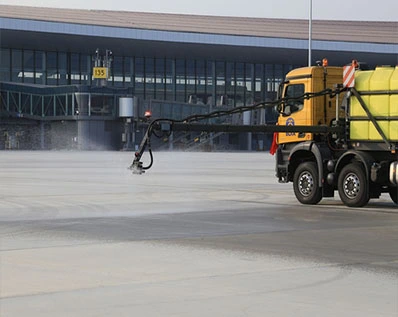
Understanding Solid Potassium Acetate and Its Role in Winter Deicing
The chemical process that deicing solid potassium acetate uses is very complex and different from how rock salt and calcium chloride normally work. The compound has a molecular weight of 98.14 and dissolves easily in water. When it comes in touch with ice and snow, it causes an exothermic process that releases heat. This release of heat speeds up the melting process a lot more than endothermic methods, which take heat from their surroundings. The deicing solid potassium acetate molecules break down hydrogen bonds inside the structures of ice crystals. This lowers the freezing point of water and stops it from re-crystallizing even as temperatures continue to drop.
Chemical Properties and Physical Characteristics
When used in many industrial settings, the white solid form of deicing solid potassium acetate is easier to work with than liquid forms. When applied to treated surfaces, the dense flakes grip well and dissolve at controlled rates that make coverage last longer. Premium-grade products have a purity level of more than 99%, so this material works the same way in all kinds of weather. The substance dissolves easily in water, acid, and alcohol, so it will work completely on treated surfaces no matter how wet they are.
Temperature Performance and Effectiveness Range
Unlike regular rock salt, which stops melting below -7°C, deicing solid potassium acetate can still melt ice at temperatures as low as -30°C. In places like northern airports and mountain highway corridors where it gets very cold often, this longer operating range is very important. Under lab settings, the deicing solid potassium acetate solution's eutectic point drops to -60°C. This gives a large safety range for real-world use. This low-temperature performance means that extra deicing products are not needed during bad weather, which makes transportation easier and lowers the total cost of materials.
Environmental and Safety Profile
One of the best things about deicing solid potassium acetate over chloride alternatives is that they break down naturally. Microbes break down deicing solid potassium acetate into carbon dioxide and water when it gets into dirt or water. The compound doesn't stay dangerous for long. The substance doesn't pose much of a threat to plants in nearby treated areas, so they won't get "salt burn" damage like is common on roads treated with sodium chloride. The aviation authorities really like this environmental profile for uses at airports where runoff might get into sensitive wetlands or public water supplies. The alkaline pH range of 9–11 helps balance out acidic conditions on concrete surfaces, which helps keep the pavement in good shape for a long time.
Comparing Solid Potassium Acetate to Other Common Deicing Agents
To choose the best deicer, you need to carefully look at its performance, how well it works with your system, and the total cost of ownership. For winter maintenance, there are a number of chemical options. Each has its own pros and cons that make it better or worse for different uses.
Performance Against Chloride-Based Salts
Calcium chloride and magnesium chloride both remove ice quickly through exothermic dissolution, but they are also very bad for steel reinforcements, metal parts, and the undercarriages of vehicles. Transportation departments' studies show over and over that chloride exposure speeds up the breakdown of concrete and shortens the useful life of bridge decks by 30 to 40 percent. Deicing solid potassium acetate gets rid of these corrosion worries and has the same or faster melting point as chloride salts when used at the same rate. At airports, where equipment preservation is important, the lack of chloride ions protects aircraft landing gear, aluminum fuselages, and sensitive electronic systems.
Comparison with Urea and Other Organic Compounds
Due to its non-corrosive properties, urea became famous as an airport deicer. However, environmental worries have led to deicing solid potassium acetate formulations being used more often instead. Below -7°C, urea stops working and breaks down into ammonia and nitrogen compounds that make water more eutrophic. Environmental groups have put pressure on governments to limit the use of urea near protected rivers and ecologically sensitive places. Deicing solid potassium acetate protects against corrosion just as well, but it works at a wider range of temperatures and doesn't cause nutrient pollution that can cause algae blooms and water oxygen levels to drop.
Solid Versus Liquid Formulations
There are certain uses for both solid granular and liquid deicing solid potassium acetate formulations. Liquid products can be sprayed on and cover the whole surface evenly, so they are perfect for anti-icing treatments that are done before it starts to snow or rain. When it comes to improving grip on roads and parking lots for planes, solid granules last longer and work better. A lot of places use mixed methods that include both liquid pre-treatment and dry granule application when it's snowing. The decision between formulations is not based on differences in how well the chemicals work, but on what equipment is available, how much space is available, and the conditions at the spot.
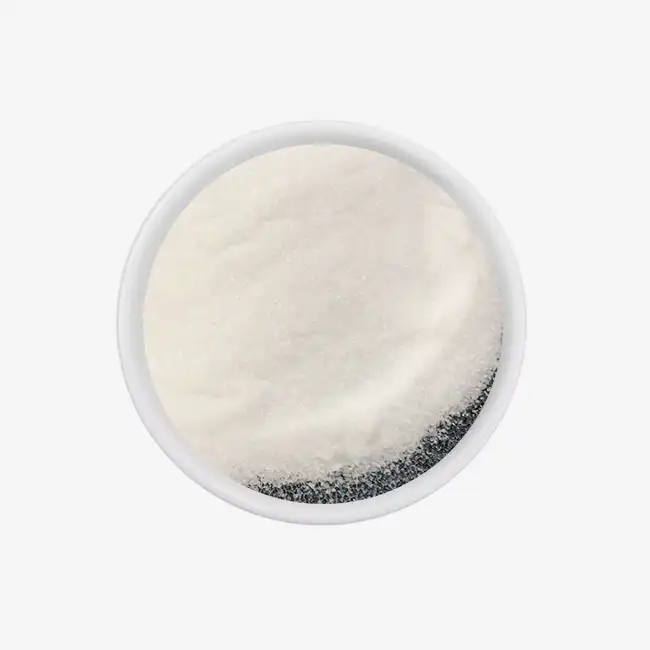
Optimizing the Use of Solid Potassium Acetate for Industrial Deicing
To get the most out of deicing solid potassium acetate, you need to use it in a way that is strategic and fits the type of framework you have and your business goals. The right technique has a big effect on how efficiently and cheaply materials are used.
Application Rates and Dosage Guidelines
Depending on the thickness of the ice, the temperature, and the response time you want, the recommended application rates are usually between 50 and 150 grams per square meter. Airport operators usually use higher rates on runways that need to be cleared quickly for incoming flights, while highway maintenance crews use lighter rates for preventative anti-icing treatments. Calibrating spreading equipment makes sure that the material is spread out correctly and stops it from going to waste. Pre-wetting solid granules with a liquid deicing solid potassium acetate solution lowers particle bounce and starts melting as soon as the particles touch the surface. This makes the method 25–30% more effective than dry methods.
Equipment Compatibility and Distribution Methods
Spreaders that are normally used for road salt can easily be changed to use deicing solid potassium acetate granules by making only small changes to the gate settings and spinner speeds. The even spread of particle sizes keeps things from getting clogged and makes sure that all treated areas get the same amount of coverage. Aviation facilities use spray bars and brooms that are specially made for use on runways and move materials around without making the surface dirty. Keeping things in places that control moisture stops hygroscopic caking that gets in the way of spreaders working. Ton-bag packaging keeps materials from getting wet from the air until they are used, which is helpful for places that have trouble storing things because of humidity.
Case Studies from Extreme Winter Conditions
During the 2018–2019 winter season, a major international airport in the northern United States switched from urea to deicing solid potassium acetate because of problems with equipment rust and environmental compliance. In the three years that followed, maintenance records showed that landing gear corrosion incidents dropped by 45% and nitrogen discharge violations did not happen anymore. In the same way, a mountain highway corridor in Colorado switched to deicing solid potassium acetate for bridge decks. This made the concrete last longer and cost less to maintain, which more than made up for the higher price of the material within four years.
Post-Application Monitoring and Maintenance
Effective deicing systems keep track of the surface conditions and when to reapply the salt. Temperature sensors and ice detection systems give real-time information that helps with the placement of materials and stops them from being used too much, which wastes resources, or too little, which could put people in danger. Monitoring the levels of water in the environment makes sure that release permits are followed and finds ways to improve containment systems. During the winter, application precision is kept up by regularly checking and calibrating tools.
Procurement Guide: Sourcing Quality Solid Potassium Acetate for Your Business
Strategic choices about where to get materials have a direct effect on both how well operations run and how well the budget for winter repair programs is managed. Building relationships with dependable suppliers makes sure that deicing solid potassium acetate is available during times of high demand, when supply chains are under the most stress.
Supplier Evaluation Criteria
Manufacturers of high-quality goods keep certifications, like ISO 9001 for quality management systems, which shows that they are dedicated to consistent production standards and reliability from batch to batch. Aviation-grade goods need to be certified by SAE AMS 1431 to show that they meet the requirements for aerospace material standards for efficiency and resistance to corrosion. When suppliers work with both the food and drug businesses at the same time, they often have better quality control methods that help industrial customers by making products more pure and easier to track. Another important thing to think about is manufacturing capacity. Facilities that make more than 100,000 tons of goods a year usually keep a buffer stock and are flexible with their production, which keeps supplies from being interrupted during harsh winters when demand suddenly rises.
Bulk Purchasing Considerations
When buyers commit to buying deicing solid potassium acetate in bulk, the cost of materials goes down a lot, but they have to weigh the price savings against the limited space for storing and operating cash they have. Seasonal purchasing strategies include signing supply contracts in the summer, when manufacturers are more likely to offer good terms to keep production going. Buying things from more than one place at once gives you more buying power and makes managing vendors easier. Internationally sourcing from Asian manufacturers can save you money, but you need to plan ahead for longer lead times and freight logistics. Domestic suppliers offer quick service and shorter delivery times, which is good for businesses that don't have a lot of storage space.
Quality Assurance and Product Testing
Manufacturers with a good reputation give certificates of analysis for each production batch that show the assay purity, chloride content, water insolubility, and heavy metal concentrations. To make sure consistent ice-melting performance, procurement specifications should require a minimum deicing solid potassium acetate (CAS NO.: 127-08-2)content of 98%. Corrosion problems that take away from the main benefit of deicing solid potassium acetate formulations are avoided when chloride levels are below 0.2%. Independent lab testing of received materials makes sure they meet specs and finds goods that don't meet standards before they are sent out. Setting quality standards in procurement contracts gives you a way to reject packages that don't meet your needs and keeps performance goals high throughout the supply relationship.
Packaging and Transportation Logistics
Standard packaging options include 25 kg plastic woven bags that can be moved by hand and 1000 kg ton-bags that can be used with forklifts and bulk storage systems. Because deicing solid potassium acetate is hygroscopic, it needs to be stored and shipped in containers that keep out moisture and keep the powder from caking. When facilities receive container shipments, they should check the seals as soon as they arrive and move the goods to climate-controlled warehouses within 24 hours. Coordinating delivery times with usage trends cuts down on storage time and the quality risks that come with it. Just-in-time inventory strategies work best when suppliers have smart relationships with foreign shipping companies. These partnerships help them offer cheap freight rates and reliable delivery schedules.
Why Solid Potassium Acetate is the Preferred Choice for Sustainable and Reliable Deicing
The way winter maintenance is done has changed over time to show a greater focus on protecting the environment, preserving infrastructure, and figuring out the total cost of something rather than just comparing the prices of parts. Deicing solid potassium acetate takes care of all three issues at the same time.
Long-Term Infrastructure Protection
Corrosion damage is the most expensive part of maintaining airports, bridges, and parking lots that use standard chloride deicers. Repair costs for things like concrete scaling, steel support rust, and coating failures are much higher than the extra cost of materials for deicing solid potassium acetate formulas. Life-cycle cost analyses done by structural engineers consistently show that using deicing solid potassium acetate increases the service life of infrastructure by 40 to 60 percent, which results in a large return on investment by avoiding the need to replace capital. Aviation officials say that longer service times for landing gear and less metal corrosion make planes safer while also lowering upkeep costs that are passed on to airlines through running fees.
Regulatory Compliance and Environmental Trends
More and more, state and federal environmental laws limit the amount of chloride that can enter surface waters and groundwater recharge zones. The Clean Water Act sets tight limits on salt concentrations called Total Maximum Daily Load (TMDL). These limits drive cities and towns to use low-chloride options or spend a lot of money on expensive systems to treat runoff. Facilities near protected marshes, drinking water sources, or habitats for endangered species are subject to extra strict control, which makes the use of deicing solid potassium acetate mandatory rather than a choice. By switching to deicing solid potassium acetate materials that are compliant ahead of time, you can avoid enforcement actions and keep your operational flexibility as standards continue to get stricter.
Innovation in Product Development
Chemical companies are always improving deicing solid potassium acetate formulations by adding better corrosion inhibitors, making sure particles are the right size, and adding anti-caking treatments that make them work better in the field. New inventions include two-in-one products that combine deicing solid potassium acetate with organic melting agents to work better at higher temperatures while using less material. These advanced formulas show that the company is still dedicated to improving acetate technology instead of just keeping the same product specs. Companies that use deicing solid potassium acetate plans gain from these ongoing improvements because their performance goes up without their costs going up.
Conclusion
Deicing solid potassium acetate (CAS NO.: 127-08-2)is the best way to protect infrastructure, get good performance, and be good to the environment for current winter maintenance programs. The compound's ability to work at high temperatures, biodegradability, and lack of corrosion make it perfect for the toughest problems that procurement managers in airports, highways, and factories have to deal with. Even though the initial costs of materials are higher than those of regular rock salt, a full life-cycle analysis always shows that it is a better investment because it lowers maintenance costs, makes infrastructure last longer, and meets all regulations. Strategic buying from well-known companies with tested quality systems guarantees a steady supply and smooth operation during the harsh winter months. When companies switch to deicing programs that use deicing solid potassium acetate, they become leaders in environmentally friendly infrastructure management. At the same time, they improve safety and operational efficiency.
FAQ
Is solid potassium acetate safe for use around sensitive environments such as airports and hospitals?
Because it breaks down naturally and isn't very dangerous, deicing solid potassium acetate is a great choice for sensitive settings. This material is used by airports all over the world because it doesn't damage aircraft parts, electronics, or painted surfaces, and it also meets strict environmental standards for managing runoff. In medical and hospital facilities like that, there are fewer chances of slipping and no chloride leftovers left behind, which damage floor surfaces and rust equipment. The substance is not very harmful to aquatic life and animals that live on land, so it can be used near protected areas where regular salts would be against environmental permits.
How does the melting point of solid potassium acetate affect its performance in winter deicing?
With an effective working range that goes down to -30°C, deicing solid potassium acetate can still melt ice in very cold weather, where rock salt would not work at all. This performance at low temperatures gets rid of the need for backup deicing materials and makes winter maintenance easier. The exothermic dissolution process creates heat that speeds up melting beyond what freezing point depression alone could do. This makes the surface clear faster than endothermic methods. In the real world, deicing solid potassium acetate formulations work better than calcium chloride at temperatures below -20°C and don't cause the rust damage that chloride products do.
What are the minimum order quantities typically required when purchasing solid potassium acetate for industrial use?
Minimum order amounts depend on the type of packing and the deicing solid potassium acetate supplier's rules. Bag quantities usually start at one-ton pallets with forty 25-kg bags, which is a good starting point for smaller facilities or test applications. To cover the costs of special handling tools and shipping, bulk sales in ton bags usually need at least five to ten units. When big businesses and cities negotiate seasonal contracts, they usually agree to buy 20 to 50 tons at a time. This way, they can get huge prices and be sure they can get the goods they need during the busy winter months. Shanxi Zhaoyi Chemical and other suppliers with large production capacities can handle orders of all sizes by making manufacturing and shipping arrangements that are flexible.
Partner with Zhaoyi Chemical for Premium Deicing Solid Potassium Acetate
Shanxi Zhaoyi Chemical has been making high-quality chemicals for over 35 years. They run a 27,000-square-meter factory that can make 150,000 tons of acetate every year and has full quality management systems in place. Our deicing solid potassium acetate is at least 99% pure and has less than 0.2% chloride, so it always works well in industrial, highway, and aviation settings. We are certified by ISO 9001, ISO 14001, and ISO 45001, and we are also Kosher and Halal-compliant for certain needs. Our products are shipped reliably to customers in North America, Europe, and Asia. They come in 25 kg bags for ease of use and 1000 kg bags that are more efficient and keep out moisture. Our technical team is ready to help you with specifications, logistics, and application guidance, whether you are a chemical distributor looking for a reliable deicing solid potassium acetate supplier, an airport operator needing materials that meet SAE AMS 1431 standards, or a municipal authority planning seasonal purchases. You can email us at sxzy@sxzhaoyi.com to talk about your winter care needs and get a full quote that fits your business.
References
1. Airport Cooperative Research Program. "Aircraft and Airfield Deicing and Anti-Icing Chemicals: Effectiveness, Environmental Impacts, and Mitigation Strategies." Transportation Research Board, National Academies Press, 2019.
2. Fischel, M. "Evaluation of Selected Deicers Based on a Review of the Literature." Colorado Department of Transportation Applied Research and Innovation Branch, 2018.
3. Levelton Consultants. "Guidelines for the Selection of Snow and Ice Control Materials to Mitigate Environmental Impacts." National Cooperative Highway Research Program Report 577, Transportation Research Board, 2007.
4. Nixon, W. A. and Williams, C. D. "A Guide for Selecting Anti-Icing Chemicals." American Public Works Association, Snow and Ice Control Technology and Environmental Impact Report, 2017.
5. Shi, X., Akin, M., Pan, T., Fay, L., Liu, Y., and Yang, Z. "Deicer Impacts on Pavement Materials: Introduction and Recent Developments." The Open Civil Engineering Journal, Volume 3, 2009.
6. Transportation Research Board. "Snow and Ice Control: Guidelines for Materials and Methods." National Cooperative Highway Research Program Synthesis 344, Washington, D.C., 2005.

USER EVALUATE
Here is the customer's evaluation of us