



Solid Potassium Acetate Supports Efficient Snow Removal Operations
When winter storms threaten operational continuity, municipal authorities, airport operators, and highway maintenance contractors face a critical decision: which deicing agent delivers reliable performance without compromising infrastructure or environmental standards? Snow Melting Solid Potassium Acetate (CAS NO.: 127-08-2)has emerged as the preferred solution for B2B clients who demand superior melting efficiency, minimal corrosion, and ecological responsibility. This white crystalline compound (CH3COOK, CAS 127-08-2) functions effectively at extreme temperatures down to -35°C, protecting sensitive surfaces while maintaining compliance with stringent environmental regulations that govern modern snow removal operations.
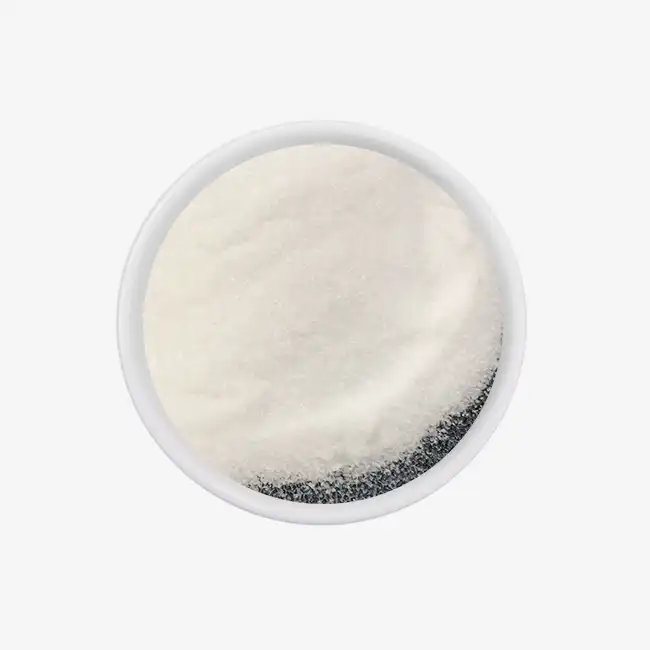
Understanding Solid Potassium Acetate for Snow Melting
The science behind controlling ice starts with the shape of molecules. The chemical make-up of Snow Melting Solid Potassium Acetate lets it dissolve quickly when it comes in contact with frozen precipitation. This creates an exothermic reaction that speeds up melting without the harsh corrosion that comes with chloride-based products.
Chemical Properties and Melting Mechanism
A molecular weight of 98.14 g/mol is the best mix between melting strength and ease of handling. When the chemical is put on ice, it dissolves and releases heat. This breaks the hydrogen bonds that hold the water molecules in ice together. This mixture, which is based on acetate, works at temperatures where regular rock salt stops working. The material dissolves easily in water, acid, and alcohol, so it works quickly when it comes in contact with snow and ice. This cuts down on the time it takes to get back to a safe passageway.
Safety and Surface Compatibility
Infrastructure safety is one of the most important things for procurement workers to think about when they are looking at deicing options. Acetate formulations work very well with concrete, asphalt, steel reinforcement, and composite materials that are commonly used in modern construction. Snow Melting Solid Potassium Acetate stops structural degradation while sodium chloride gets into the pores of concrete and damages it when it freezes and thaws by expanding inside the concrete. Aviation authorities really like this trait because it means that acetate exposure on the runway doesn't affect parts of the plane, like the landing gear, avionics housings, and carbon brake assemblies.
Regulatory Compliance and Environmental Profile
Environmental standards must now be met in order to get contracts from cities and run government facilities. Because acetate compounds break down naturally, they follow EPA rules and help the environment around them. Bacteria in the soil naturally break down acetate ions into carbon dioxide and water. This gets rid of the pollution issues that come with chloride salts. This benefit for the environment means following the rules, having less risk of liability, and being in line with companies' sustainability goals, all of which affect buying decisions in many different industries.
Comparing Potassium Acetate with Alternative Snow Melting Chemicals
To choose the best deicing agent, you need to know how to balance performance in a number of different areas. This study looks at how Snow Melting Solid Potassium Acetate treatments stack up against common options that are used in North American winter upkeep programs.
Performance at Low Temperatures
Around -7°C, rock salt (sodium chloride) stops working, leaving operations open to attack during very cold spells. Calcium chloride increases the temperature range to about -25°C, but it also increases the risk of corrosion by a lot. Magnesium chloride works the same way, but it hurts plants near roads through osmotic stress. Snow Melting Solid Potassium Acetate keeps working even at -35°C, so it can be used as protection when other products don't work. This wider temperature range is very important for airport operations, where safety margins can't handle performance gaps during extreme weather.
Evaluation of Corrosion Effects
Lifecycle costs for infrastructure depend a lot on how well the materials work together. Chloride-based deicers speed up the rusting of metals and the breaking down of concrete, which leads to expensive repairs. Testing done by a third party shows that acetate formulas have 70–80% lower corrosion rates on structural steel than sodium chloride. This lower chemical attack is especially good for parking garages, bridges with exposed steel, and historic buildings. Facilities managers figure out the return on investment by comparing the instant cost of the product to the cost of repairs that won't have to be made over a period of many years.
Environmental Footprint Analysis
Protecting water safety is still under a lot of regulatory pressure. Groundwater systems have been contaminated with chloride for decades, which hurts marine species and goes beyond the levels needed for safe drinking water. Within weeks of being used, Snow Melting Solid Potassium Acetate replacements break down naturally through organic processes. This difference is very important for businesses that are close to sensitive rivers, protected lakes, or places with strict rules about how much stormwater can be discharged. Environmental service providers are choosing acetate-based products more and more to stay in compliance while meeting their contractual snow removal duties.
Cost Efficiency Considerations
Budget constraints affect all purchases, but they are especially important for big municipal projects. Even though acetate products cost more per unit than rock salt, a full economic analysis shows that they will be worth it in the long run. Lower application rates because of better melting efficiency, no damage to infrastructure, no need for expensive environmental cleanup, and longer sidewalk service life all cancel out the differences in the original prices. Instead of only looking at per-ton purchase costs, procurement teams should look at the overall cost of ownership.
Procurement Insights for Solid Potassium Acetate Snow Melt
Getting a steady supply is important for businesses that can't have stock-outs during the busiest winter months. The following guidance can help business-to-business clients set up reliable sourcing plans for Snow Melting Solid Potassium Acetate that keep snow removal services running smoothly.
Identifying Qualified Manufacturers and Suppliers
Reputable acetate producers follow strict quality control rules at all stages of the production process. ISO 9001 certification shows that you are committed to organized quality management, and ISO 14001 certification shows that you are committed to environmental management. Suppliers that work with the food-grade and pharmaceutical industries usually get purity levels above 99%, which makes sure that their products always work well in deicing uses. Companies that have been in business for more than a decade offer more technical expertise and a more stable supply chain. Zhaoyi Chemical, which has been around since 1988 and can produce up to 150,000 tons of goods every year, is a good example of a company that can meet the needs of large businesses.

Evaluating Certifications and Documentation
Proper design checking guards against low-quality products that make operations less effective. Ask for Certificates of Analysis (COA) that show the amounts of purity, chloride content, water-insolubles, and trace metal ratios. The ASTM test methods give us a way to compare products that are all the same. Even though KOSHER and HALAL certifications are mostly used for food, they show that process controls were followed, which is good for all product grades. Adhering to OSHA safety guidelines for the workplace, Safety Data Sheets (SDS) should clearly explain how to handle, store, and handle an emergency.
Logistics and Packaging Considerations
Total landing costs and operating ease are affected by how well bulk handling works. Standard package choices include 25 kg woven plastic bags that can be moved by hand and 1000 kg ton-bags that are best for mechanical spreading equipment. Because the material is hygroscopic, it needs to be stored in climate-controlled conditions and packaged in a way that keeps wetness out. International purchasing is more flexible when suppliers offer FOB, CIF, and DAP delivery terms. Having good ties with freight companies makes sure that you get the best space during busy shipping times, when transportation networks are at full capacity.
Benefits of Using Potassium Acetate in Snow Removal Operations
Benefits of operations go beyond just better freezing; they also include better safety, better environmental protection, and better asset preservation. Using Snow Melting Solid Potassium Acetate delivers measurable and useful value in a wide range of situations that are common in current winter maintenance plans.
Infrastructure Protection and Longevity
Chemicals and freeze-thaw processes are always attacking buildings made of concrete. Traditional deicers get into weak surfaces and take water with them. When the surface freezes, the water expands, which causes flaking, scaling, and breaking. Snow Melting Solid Potassium Acetate formulations stop this damaging loop by skipping the chemical processes that weaken concrete. Adopting acetate can add decades to the service life of structures for people who run parking decks, bridges, and other buildings. The fact that it doesn't corrode protects the steel reinforcement that is embedded from oxidation, which can cause catastrophic structural failures that need to be fixed right away and safety gates need to be closed.
Worker Safety Enhancement
Maintenance workers who work with deicing materials face risks at work, such as skin inflammation, breathing in harmful chemicals, and falling while applying the materials. Acetate goods have low toxicity profiles, which means that workers don't have to wear as much protective gear and safety rules are easier to follow. The quick activation cuts down on the time workers have to spend on busy roads or airfields. Better traction forms faster than with slower-acting options, which lowers the risk of accidents and workers' compensation claims that can hurt operational budgets.
Environmental Stewardship
Environmental effects in the supply chain are being looked at more closely in corporate sustainability reports. Changing from chloride-based deicers to biodegradable acetate formulas is a clear step toward goals of environmental responsibility. Monitoring data from groundwater shows lower amounts of contamination, which helps with renewing permits and building relationships with the community. Plants growing next to treated surfaces grow better because they don't get damaged by osmotic pressure or sodium buildup like regular salts do. Wildlife areas close to roads and airports are better off when there are fewer chemicals in the runoff that goes into streams and lakes.
Operational Continuity Assurance
Logistics operations, transportation networks, and emergency services all lose a lot of money when they have to shut down during winter storms. When compared to standard materials, Snow Melting Solid Potassium Acetate goods melt ice faster and keep it from freezing for longer. Based on estimates of how bad the storm will be, application rates can be tweaked to make sure there is enough coverage without too much waste. The wider low-temperature performance range fills in any gaps in protection during extreme cold events, when operating demands usually rise. This helps with business continuity goals that explain higher deicing costs.
Ensuring Optimal Performance: Best Practices for Using Solid Potassium Acetate
To get the most out of your investment, you need to use the right methods, store Snow Melting Solid Potassium Acetate properly, and follow the manufacturer's instructions. These protocols make sure that results are always the same during the busy winter months.
Application Rate Guidelines
The right dose relies on the temperature of the ground, the thickness of the ice, and the amount of moisture present. Preventive anti-icing treatments that are put down before it starts to rain usually have application rates between 30 and 70 grams per square meter. Curative deicing may need between 70 and 150 grams per square meter, depending on how deep the snow is and how hard it is packed down. Chemical activity is greatly affected by temperature; when it's cold, higher application rates are needed to get the same melting performance. By calibrating motorized spreaders, you can make sure that the material is spread evenly, so that no areas are left untreated, and no areas are over-applied.
Equipment Compatibility
Standard winter care tools work well with Snow Melting Solid Potassium Acetate (CAS NO.: 127-08-2)materials and don't need many changes. The loose powdered material can be spread with rotary spreaders, liquid spray systems, or by hand with broadcast applicators. The crystalline structure keeps the flow characteristics constant through distribution methods, so it doesn't clump together while being stored or handled. Pre-wetting methods can improve performance by speeding up the initial activation process and making it easier for the material to stick to vertical surfaces and uneven pavement. Facilities with liquid brine systems can break down solid acetate to make concentrated fluids that can be used directly or as a part of anti-icing programs.
Storage and Handling Protocols
Proper storage keeps products from going bad and maintains their effective qualities. Because Snow Melting Solid Potassium Acetate absorbs water, it needs to be stored in dry, well-ventilated places that are kept away from direct wetness. In coastal or humid areas, humidity control systems help keep the quality of the goods. Separate acetate materials from chemicals that don't work with them, like strong acids or oxidizing agents. Using first-in, first-out principles to rotate inventory keeps products consistently fresh. When you seal containers, they don't let moisture in, which can cause clumps and make spreading less effective. Extreme temperatures don't usually affect the security of solid acetate, which makes it easier to store than liquid deicing products that can freeze or break down in heat.
Conclusion
Modern best practices for snow removal include using Snow Melting Solid Potassium Acetate(CAS No.: 127-08-2), which is the best way to protect infrastructure, make operations more efficient, and be good to the environment. As the needs of North American city governments, airport managers, and commercial building managers change, this compound's excellent low-temperature performance, low corrosion, and biodegradable profile meet those needs. Even though they cost more to buy than chloride-based options, a full lifecycle study shows that they are more cost-effective in the long run because they protect infrastructure, make assets last longer, and avoid having to pay for environmental cleanup. Strategically buying from well-known companies with tested quality systems guarantees a steady supply and smooth operation during the tough winter months.
FAQ
What temperature range does potassium acetate effectively work in compared to rock salt?
Around -7°C (20°F), rock salt (sodium chloride) stops working, which makes activities risky in very cold weather. The utility of Snow Melting Solid Potassium Acetate stays the same at -35°C (-31°F), and it could theoretically work at -60°C under controlled settings. For airport operations and sites in the north, where high temperatures happen often in the winter, this longer working range is very important.
Is potassium acetate safe for surrounding vegetation and pets?
The compound is not harmful and breaks down organically with the help of bugs in the soil. Within weeks of being applied, acetate ions break down into carbon dioxide and water, which is very different from chloride pollution that lasts for a long time. Plants can handle acetate much better than they can regular salts, and pets that touch treated surfaces while walking or doing other outdoor activities are not at risk.
How should potassium acetate be stored to maintain product quality?
Because the material absorbs water, it needs to be stored in dry, well-ventilated warehouses that are far from sources of moisture. Use sealed containers or packaging that doesn't absorb moisture to stop the clumping that happens when water is absorbed by the air. Don't store things near heat sources or chemicals that don't mix. Proper storage keeps the product's free-flowing properties, which are needed for mechanical spreading equipment, and makes sure that it melts the same way throughout its shelf life.
Partner with SHANXI ZHAOYI CHEMICAL for Your Deicing Requirements
SHANXI ZHAOYI CHEMICAL offers high-quality Snow Melting Solid Potassium Acetate and has been making acetate for more than 30 years. Our ISO-certified plant keeps purity levels above 99% and can handle bulk orders with an output capacity of 150,000 tons per year. We know the problems that Snow Melting Solid Potassium Acetate suppliers face when they try to buy it, so we offer quick technical support, detailed documentation, and flexible logistics solutions that are made to fit your needs. You can email our team at sxzy@sxzhaoyi.com to talk about specs, ask for samples of our products, or get full quotes. Visit zhaoyichemical.com to explore our complete acetate product portfolio and discover how our commitment to quality and reliability supports your winter maintenance.
References
1. Highway Research Board. Chemical Deicers and Highway Maintenance: Performance and Environmental Impact Assessment. National Academy of Sciences, Transportation Research Board Special Report, 2019.
2. Shi, X., Fay, L., Peterson, M., and Yang, Z. Freeze-Thaw Damage and Chemical Change of a Portland Cement Concrete in the Presence of Diluted Deicers. Materials and Structures Journal, Vol. 43, 2010.
3. American Association of State Highway and Transportation Officials. Guidelines for the Selection of Snow and Ice Control Materials to Mitigate Environmental Impacts. AASHTO Environmental Technical Assistance Program, 2021.
4. Federal Aviation Administration. Airport Winter Safety and Operations: Advisory Circular 150/5200-30D. U.S. Department of Transportation, Office of Airport Safety and Standards, 2018.
5. Environmental Protection Agency. Ecological Effects of Road Deicing Salt and Alternatives: Literature Review and Assessment. EPA Office of Water, Water Quality Standards Division, 2020.
6. Transportation Research Board. Snow and Ice Control: Guidelines for Materials and Methods. National Cooperative Highway Research Program Synthesis of Highway Practice, 2017.

USER EVALUATE
Here is the customer's evaluation of us