



Storage Tips for Deicing Liquid Potassium Acetate
Keeping deicing liquid potassium acetate in the right way will protect your investment and make sure it works at its best when winter conditions call for quick action. This clear, colorless solution has the molecular formula CH₃COOK and can freeze at -60°C. It needs to be stored in a certain way to keep it chemically stable, stop contamination, and keep working throughout its shelf life. The right way to store things has a direct effect on how ready they are to be used, especially for city governments that are in charge of highways, airport managers who are responsible for keeping runways safe, and manufacturing facilities that need reliable anti-icing solutions during extreme weather events.
Understanding Potassium Acetate Deicing Liquid and Its Storage Challenges
Learn about deicing liquid potassium acetate and the problems that come with storing it. Deicing liquid potassium acetate products have changed how winter maintenance is done all over North America because they are safer for the environment than chloride salts. This non-corrosive liquid mixture, which usually has a concentration of 50 to 60% potassium acetate, works very well at a wide range of temperatures and keeps important structures safe from chemical damage. As low as -76°F, the answer still works, which makes it essential for aviation operations and bridge deck control where safety must be maintained at all times.
Why Proper Storage Matters for Procurement Teams
The solution's unique physical features make it hard to store. While deicing liquid potassium acetate is very chemically stable, it can crystallize, change pH levels, or lose its carefully balanced structure if it comes into contact with contaminants or sudden changes in temperature. Polluting the environment is another big risk. If control isn't done right, spills can happen that hurt nearby areas and make it hard to follow the rules. When procurement workers know about these weaknesses, they can see why investing in the right storage infrastructure protects both business funds and product quality.

Chemical Properties Affecting Storage Requirements
At 20°C, the solution's specific gravity runs from 1.25 to 1.30, which means it has a density that is higher than water. This affects the choice of container and how it is handled. Its buffered pH range of 7.5 to 9.2 keeps it alkaline, which saves metal parts while it's being used, but it needs to be stored in materials that are suitable. This formula is different from regular deicers because it doesn't contain any chloride (≤0.01%). However, it also doesn't have the hygroscopic qualities that keep salt-based goods stable when the humidity changes. Because of these factors, storage areas need to keep temperatures stable and stop wetness from getting in.
Key Factors to Consider When Storing Potassium Acetate Deicing Liquid
Successful storage methods balance a number of technical needs that have an immediate effect on how long a product lasts and how reliably it works. Procurement managers who are in charge of buying in bulk need detailed rules that cover things like quality tracking systems, weather controls, and container compatibility. These basic things to think about set the stage for managing goods cost-effectively and making sure products are always available.
Temperature Control and Environmental Conditions
Keeping temperatures within the right ranges stops physical and biological changes that make solutions less effective. Even though the product can withstand temperatures as low as -60°C, being exposed to high heat speeds up the breakdown process and may affect the stability of the container. For the best keeping conditions, warehouses should keep the temperature inside between 40°F and 90°F. By keeping containers out of direct sunshine, you can stop localized warmth that can change the concentration of a solution through differential evaporation in containers that are only partially full. Enough air flow keeps humidity from building up, which could contaminate the product if the container seals break while it's being handled.
The best safety is found in climate-controlled storage spaces, especially for businesses that keep more than 20,000 liters of inventory. If a building doesn't have climate control, it should put up insulation walls and temperature tracking systems that send out alerts when conditions get too high or too low. These steps stop expensive product loss and make sure that quality is always the same for tasks that need to be done quickly.
Container Selection and Material Compatibility
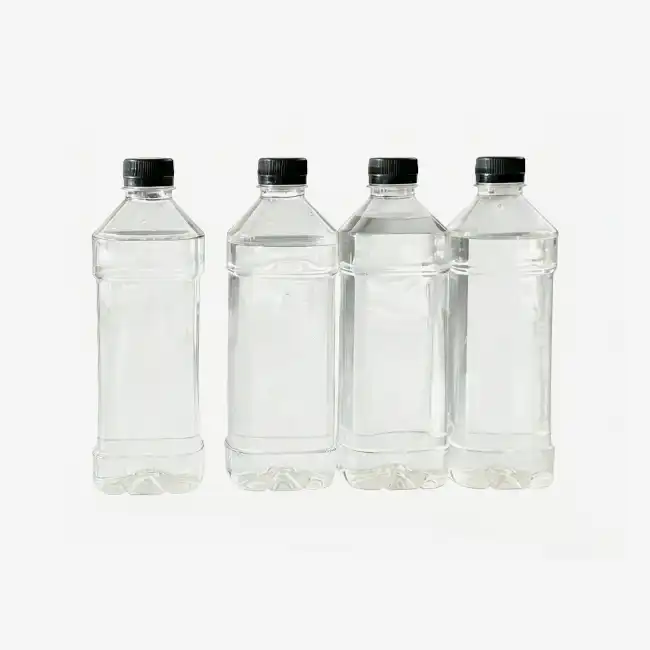
Choosing the right storage containers has a direct effect on the safety and quality of the product. Stainless steel tanks and high-density polyethylene (HDPE) containers work well with deicing liquid potassium acetate solutions because they don't rust or react chemically with them over long periods of time. Industry-standard 1000L IBC (Intermediate Bulk Container) tanks are the best way to store large amounts of goods. They are built to last and can handle the stresses of shipping, and they can be stacked to make the best use of building space.
Flexitank systems are another good choice for shipping containers. They offer single-use protection that keeps packages from getting contaminated with each other. When choosing materials, the alkaline pH and specific gravity of the fluid must be taken into account to make sure the structures stay strong during storage. Do not use containers that have been used for chemicals that are not compatible with deicing liquid potassium acetate. Even small amounts of chloride-based goods or organic solvents can contaminate the solution and make it less effective.
Shelf Life Management and Quality Monitoring
Deicing liquid potassium acetate has an infinite shelf life as long as it is kept properly in containers that are compatible and in the right environment. Quality tracking programs that are done on a regular basis help find signs of possible degradation before they affect the operation's performance. Visual checks should look for crystallization, changes in color from the normal pale look, or smells that aren't the normal slightly sour smell. These signs point to pollution or changes in concentration that need to be analyzed in a lab.
First-expiration-first-out (FEFO) rotation, which is made possible by batch tracking tools, maximizes inventory movement and reduces waste. By keeping track of receipt dates, batch numbers, and the results of regular quality tests, you can build paper trails that help with quality assurance and legal compliance. Companies that have more than one storage spot can use centralized inventory management systems to keep track of all of their stock and make sure that older items don't go to waste while new orders are sent out.
Best Practices and Safety Guidelines for Storage
Tough safety rules keep workers safe, keep the standard of the product high, and show a commitment to following the rules, which makes relationships with certification officials and insurance companies stronger. Personal protection measures are part of comprehensive safety plans that also include rules for building design and how things should be done.
Personal Protective Equipment and Handling Procedures
People who work with deicing liquid potassium acetate solutions should wear the right safety gear, like chemical-resistant gloves, safety glasses, and protection clothing that keeps skin from coming into touch with the solution during transfer operations. Compared to other deicing agents, the solution isn't too dangerous, but touching it directly can cause slight irritation. As soon as a spill happens, it should be contained right away using absorbent materials, and then it should be thrown away properly according to local environmental laws.
When doing transfers, you need to pay close attention to avoid splashing and overfilling. When pumping, make sure to properly ground your tools so that static electricity doesn't build up. This is especially important in dry winter conditions when static is more dangerous. Maintain clear communication methods during bulk transfer processes so that delivery staff and facility workers can work together to get things done.
Regulatory Compliance and Documentation Requirements
Environmental rules about handling chemicals and possible release scenarios must be followed by storage businesses. Labels must clearly show what's inside the container, what kind of danger it is, and how to respond in an emergency, as required by OSHA Hazard Communication Standards. Keep Safety Data Sheets (SDS) in easy-to-reach places near storage areas and make sure that everyone knows how to handle them properly and what to do in an emergency.
To meet the standards for traceability, documentation systems should keep track of inventory amounts, batch certifications, and quality test results. Operations in sensitive environmental areas, like airports next to lakes or sites near water supply watersheds, are closely watched and need thorough plans to avoid spills and extra containment systems. Proactively following the rules makes buying relationships stronger and lowers the risk of being sued.
Inventory Management and Rotation Systems
Effective inventory control strikes a balance between keeping enough on hand to meet the unpredictable needs of winter weather and keeping as little capital as possible locked up in stored goods. Real-time insight into stock levels across multiple places is made possible by automated inventory tracking systems. This lets purchasing decisions be based on data that optimizes order timing and quantities. Setting minimum stock levels sets off restocking orders that keep operations running smoothly without keeping too much safety stock on hand.
Plan your storage space with sellers who can offer flexible arrival times that work with the weather in your area. In the north, operations tend to build up their inventory levels in the fall. In the south, on the other hand, they may keep smaller baseline amounts that can be quickly restocked. These methods are based on different levels of risk and usage trends that affect the best way to store things.
Common Storage Problems and How to Solve Them
Knowing about common storage problems lets you solve them before they happen, which keeps your product investments safe and stops disruptions. Taking care of these problems in a planned way makes operations more resilient and helps them keep up their good work during the tough winter months.
Preventing Crystallization and Concentration Changes
Crystallization happens when deicing liquid potassium acetate solutions go through changes in temperature that help the solid phase form, especially near holes where moisture evaporation compresses the leftover solution beyond saturation points. To avoid this problem, you need to keep the surroundings stable and make sure that things stay sealed properly between uses. Containers that are only partly full have a higher risk of hardening because there is more air space and surface area that can be affected by changes in temperature.
If crystallization happens, slowly raising the solution to room temperature usually breaks up the crystals again without affecting how well the solution works. If you want to avoid creating limited concentration gradients or temperature stress on container materials, don't use fast heating methods. By using temperature tracking tools that can record data, problems with environmental control can be found before they lead to big changes in the product.
Maintaining Container Integrity and Preventing Leaks
Inspections of containers on a regular basis find wear patterns, seal degradation, or physical damage that needs to be fixed before leaks happen. When IBC tanks are used a lot, the valve systems need extra care because repeated use can damage sealing surfaces or break connections. Setting up inspection plans that work with activities that rotate goods makes sure that containers are regularly checked over the course of their useful life.
When containers break, secondary containment systems are very important to have as a backup, especially for large storage sites. The containment volumes should be big enough to hold the biggest single container plus extra space in case it rains during outdoor setups. These systems keep environmental leaks from happening and give you time to fix broken containers and move their contents to backup storage.
Addressing Contamination Risks and Quality Control
To avoid contamination, strict cleanliness rules must be followed during all handling activities. Cross-contamination risks from shared lines or pumps that have been used with other chemicals can be eliminated with dedicated transfer equipment. Using clean-in-place methods on equipment that will be used again and again makes sure that it is thoroughly cleaned between uses. In storage facilities, the air handling systems should filter the incoming air to get rid of any particles that might fall into open cases during moves.
Quality control testing programs make sure that the solution's specs fit the standards for procurement and look for any possible contamination before the product is released. By measuring the refractive index, you can quickly check the concentration levels in the field, which helps with getting reviews. Lab tests done on samples from each batch on a regular basis allow for investigations into the past if performance problems arise during use.
Procurement & Supplier Considerations for Bulk Storage
Choosing trusted suppliers and building smart relationships with them have a direct effect on the success of storage by ensuring consistent product quality and supply continuity. Comprehensive methods for evaluating suppliers look at more than just price when figuring out the total cost of ownership.
Evaluating Supplier Certifications and Quality Standards
Manufacturers with a good reputation keep full quality management systems that are approved to international standards like ISO 9001 for quality management, ISO 14001 for environmental management, and ISO 45001 for health and safety at work. These certifications show that quality control and ongoing improvement are done in a planned way, which makes it less likely that product standards will vary. Suppliers who work with the food and drug businesses may also have KOSHER and HALAL licenses, which show that they follow strict rules for purity and have methods for keeping track of their products.
Ask for certificates of analysis (CoA) for every shipment to make sure that the technical requirements are met. These requirements should include pH ranges, concentration levels, and impurity limits. Shanxi Zhaoyi Chemical Co., Ltd. is an example of a well-established seller with over thirty years of experience and the ability to produce 150,000 tons per year. They offer full quality documentation and expert help tools that make procurement relationships stronger.
Strategic Logistics and Supply Chain Planning
Transportation costs, order minimums, and shipping wait times all affect the total cost of buying deicing liquid potassium acetate in bulk and the amount of space that is needed for storage. When suppliers offer a range of shipping choices, such as 1000L IBC tanks for domestic trucking and flexitank systems for container shipping, they can adapt to a range of operating sizes and locations. By knowing how demand changes with the seasons, you can plan to buy things during off-peak times, when production capacity is higher and shipping costs may be lower.
Building relationships with suppliers and keeping key inventory spots close to major consumption areas lowers transportation costs and makes it possible to quickly fill orders during busy winter weather times. Suppliers who offer technical advice and application support that improves product performance for specific operating needs are helpful for businesses that need custom formulations or specialized packages.
Innovations in Storage Infrastructure and Monitoring
New technologies are making it easier to manage businesses that store large amounts of chemicals. Automated level monitoring systems that use ultrasonic or radar monitors can keep track of goods all the time without having to measure things by hand. By connecting these systems to procurement software, automatic reorder prompts can be set up to keep stock levels at the right level while lowering the amount of work that needs to be done by administrators.
Smart temperature and humidity tracking systems that log data to the cloud keep detailed records of the environment that are used for quality control programs and legal paperwork. These investments in storage infrastructure pay off in the long run by lowering the loss of goods, making operations more efficient, and improving safety, which lowers insurance costs and risk exposure.
Conclusion
To store deicing liquid potassium acetate properly, you need to pay close attention to the surroundings, the containers you choose, safety rules, and quality control programs that keep the product's integrity all the way through the supply chain. Professionals in procurement who use thorough storage strategies get the best return on investment and make sure that operations run smoothly during severe winter weather events. When you put together the right infrastructure, skilled suppliers, and effective management, you get resilient supply chains that help with mission-critical tasks like keeping airport runways safe and protecting bridge infrastructure. As environmental laws continue to stress the need for environmentally friendly deicing solutions, deicing liquid potassium acetate products offer strong benefits—but only if they are stored properly to keep their performance qualities and environmental benefits.
FAQ
What is the typical shelf life for stored potassium acetate deicing solution?
If you put deicing liquid potassium acetate in cases that are compatible with it and keep it in the right environment, it will last forever without going bad. The chemical stability of the product keeps it from breaking down over time, but quality tracking tools should check the specifications before use, especially for stock that has been kept for more than a year. Changes in temperature or contamination are more likely to cause problems with long-term keeping than the product itself being unstable.
Can potassium acetate deicing liquid be stored near environmentally sensitive areas?
Deicing liquid potassium acetate solutions are much safer for the environment than chloride-based ones because they break down quickly without releasing harmful chemicals. When working near rivers or ecological areas that are sensitive, it is still important to take the right secondary containment and spill prevention steps that are required by local environmental laws. Because the solution is not very harmful to marine life, it is better for use in places where runoff flows into natural water systems. However, it is still important to store it properly.
How does potassium acetate compare to calcium chloride for storage requirements?
Deicing liquid potassium acetate needs to be stored in a more controlled way than calcium chloride goods, but it has big benefits when it comes to stopping rust and being better for the environment. While calcium chloride's ability to absorb water makes it stable for keeping in a range of humidity levels, its acidic nature means that it needs special containers and poses risks to infrastructure damage that deicing liquid potassium acetate solutions don't have at all.
Partner with a Trusted Deicing Liquid Potassium Acetate Manufacturer
Zhaoyi Chemical has been making acetate for more than 30 years and can handle tough winter repair jobs in North America and other countries. Our ISO-certified factories make deicing liquid potassium acetate solutions that are always of high quality and meet SAE AMS 1435 standards for use in flight and to protect infrastructure. We keep strategic amounts of inventory on hand so that we can quickly fill orders. Standard production wait times are between 5 and 7 business days, and we can deliver in-stock items 24 hours a day to meet urgent practical needs.
In addition to selling high-quality goods, we also offer full technical support that includes designing storage infrastructure, improving applications, and making sure you're following all the rules. This support is tailored to your unique operational needs. Our open trade terms and custom packaging options work for a wide range of businesses, from local highway departments to international airport owners. Get in touch with our team at sxzy@sxzhaoyi.com to talk about your needs for bulk deicing liquid potassium acetate. You can get access to detailed technical specs, safety paperwork, and reasonable price structures that are made for long-term purchasing partnerships.
References
Anderson, M.T. & Williams, R.J. (2021). Chemical Storage Best Practices for Industrial Facilities: Environmental and Safety Considerations. Industrial Safety Publishing.
Bennett, K.L. (2020). Airport Deicing Operations: Technical Standards and Environmental Compliance. Aviation Infrastructure Press.
Chen, H. & Rodriguez, P.M. (2022). Acetate-Based Deicing Solutions: Performance Characteristics and Application Guidelines. Cold Regions Engineering Journal, 36(2), 145-162.
Harrison, D.W. (2019). Bulk Chemical Handling and Storage: Engineering Design and Operational Protocols. Chemical Industry Publications.
Mitchell, S.R. & Thompson, L.A. (2023). Sustainable Winter Maintenance Strategies for Transportation Infrastructure. Municipal Engineering Quarterly, 48(1), 78-94.
National Association of Corrosion Engineers (2022). Corrosion Prevention in Chemical Storage Systems: Materials Selection and Design Standards. NACE International Technical Report.

USER EVALUATE
Here is the customer's evaluation of us