



What are the Best Potassium Acetate Products for Melting Snow and Ice?
When winter weather threatens operational continuity, procurement managers and building supervisors have to make a tough decision: which deicing options are the best in terms of performance, protecting infrastructure, and being good to the environment? When it comes to acetate-based options, snow melting solid potassium acetate stands out because it works so well in very cold temperatures, doesn't corrode, and breaks down naturally. This solid substance breaks down ice quickly at temperatures as low as -35°C. It also protects valuable concrete surfaces, steel parts, and sensitive equipment from the damage that chloride salts usually do.

Understanding the Thermal and Physical Properties of Potassium Acetate for Snow Melting
Why Thermal Performance Matters in Deicing Applications?
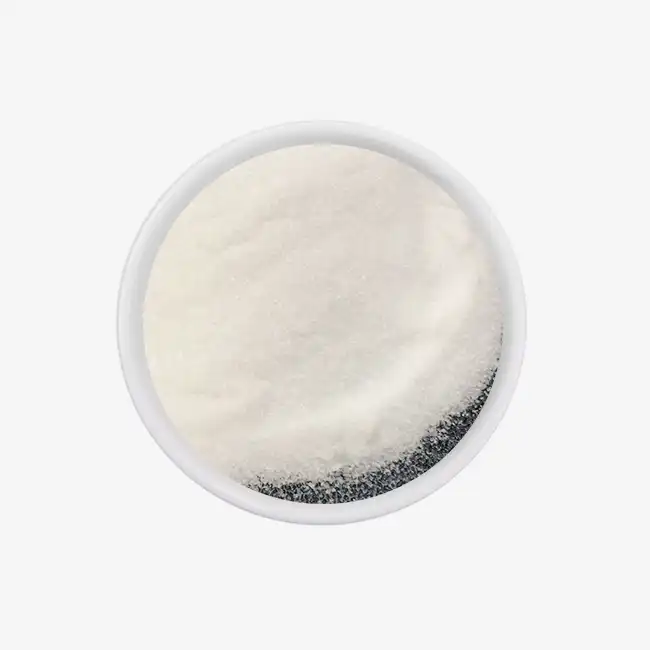
Potassium acetate (CH₃COOK, CAS 127-08-2) has special temperature properties that set it apart from other deicing agents because of the way its molecules are structured. With a molecular weight of 98.14 g/mol, this white crystalline material dissolves very easily in water, acid, and alcohol, and it starts working right away when it comes in touch with frozen precipitation. Because the compound's phase change temperatures are good, it can keep working even when the temperature outside drops below freezing.
Heat Capacity and Melting Efficiency Explained
Potassium acetate's ability to conduct heat well speeds up the melting of ice by using efficient heat transfer processes. Unlike rock salt or calcium chloride, which only lower freezing points, this acetate substance has exothermic reactions and can get into things quickly. The crystallization behavior stays the same when the temperature changes, so it doesn't clump or cake like moisture-sensitive alternatives do. This steadiness means that application rates can be planned ahead of time, and there is less waste during long winter activities.
Comparative Analysis with Common Deicing Compounds
Compared to sodium acetate, calcium acetate, and potassium chloride, potassium acetate has the best mix of melting speed, temperature efficiency, and waste management. Sodium acetate is also good for the environment, but it doesn't work as well below -20°C. Because it tends to absorb water, calcium acetate is hard to work with. Potassium chloride works just as well at low temperatures, but it has the chance of rusting that acetates don't have. When industrial buyers want to make sure that infrastructure lasts as long as possible, they always choose potassium acetate formulas over chloride-based ones because they keep surfaces from wearing down faster.
Evaluating the Best Potassium Acetate Products for Melting Applications
Critical Technical Specifications to Review
Levels of purity have a direct effect on how well melting works and how reliable operations are. Premium products have a content of at least 99.0% (CH₃COOK), very little water-insoluble matter (≤0.05%), and very little salt (≤0.2%). These requirements make sure that the deicing works as planned without adding any contaminants that could affect later uses. Iron content below 0.05% keeps treated surfaces from turning colors. This is especially important for airports, business properties, and historic structures where safety and appearance are both important.
Before making big purchases of snow melting solid potassium acetate, buying teams should check verified melting point data and ask for detailed technical datasheets. Manufacturers with a good reputation give certificates of analysis (COA) for each batch that show the exact chemicals that were used, how the particles were sized, and that the product worked as expected under normal testing circumstances. This paperwork is necessary to show that the specifications were followed when talking to regulatory officials and partners.
Product Forms and Their Application Advantages
There are different kinds of industrial acetate deicers, and each one is easier to work with in its own way. Knowing these differences helps match product forms to specific needs in the workplace:
- Granular formulations allow the material to move freely, which makes them perfect for motorized spreaders that are used on airports, highways, and big parking lots. The regular grain size makes sure that the product is spread out evenly and that the application rate is kept under control.
- Pelletized forms are better at stopping wind from spreading them around when used in open areas. The compressed version cuts down on dust production while keeping the fast-dissolving qualities once it's on frozen surfaces.
- Flake shapes give the most surface area touch for fast melting on important walks, emergency exits, and loading docks where getting rid of ice quickly is important.
These different presentations let site managers choose the best materials based on the skills of their tools, the features of the coverage area, and the severity of the weather patterns. When you buy in bulk, 25kg plastic woven bags make distribution easier by hand for smaller areas, while 1000kg ton-bags make logistics easier for large-scale business and city operations.
Specialized Formulations Meeting Environmental Standards
Advanced acetate goods have efficiency improvements that are designed to solve specific operating problems. Anti-caking agents keep the flowability of the substance while it is stored in places with a lot of humidity. Compounds that change color help applicators see how the product will cover and keep them from applying too much. Blend recipes mix potassium acetate with substances that work well with it to make the temperature ranges work better or speed up the melting process. As rules get stricter about letting chloride into watersheds and sensitive ecosystems near airports, bridges, and corporate sites, new formulations are still being made to meet environmental requirements.
Comparing Potassium Acetate with Other Deicing Solutions: Benefits and Considerations
Environmental Advantages Driving Adoption
Potassium acetate is biodegradable, which eases worries about the long-term effects of winter upkeep agents on the environment. Instead of staying in the soil and groundwater for a long time like chlorides do, acetate compounds break down naturally through microbial processes that don't hurt plants or marine environments. This environmental image fits with sustainability efforts that are being required more and more at the local, state, and government levels in the US.
Potassium acetate is good for areas near protected streams and stormwater systems because it needs less air than some organic options. The substance also adds potassium, which is good for plants, instead of sodium, which hurts the structure of the soil and stops plants from growing. These environmental factors are especially important for places that are in charge of landscaping areas, green infrastructure, or being close to farms.
Infrastructure Protection and Cost Justification
Common chloride salts make it faster for concrete to break down, rebar to rust, and metal to wear out on bridges, parking structures, and building surfaces. Maintenance offices that keep track of the costs over the lifecycle of infrastructure know that snow melting solid potassium acetate acetate-based methods cut repair costs by a large amount over long-term planning periods. The fact that it doesn't corrode protects sensitive equipment like airplane parts, train switches, and teams of emergency vehicles that are exposed to deicing runoff.
Even though unit costs are higher than those of regular rock salt, a full financial analysis that takes into account protecting infrastructure, following environmental rules, and running the business efficiently often shows a positive total cost of ownership. When purchasing managers compare sodium acetate, calcium acetate, and chloride, they shouldn't just look at price per kilogram, but also how well each one works in a certain situation. Potassium acetate melts more quickly and stays effective for longer, so it doesn't need to be applied as often. This saves money on materials because it cuts down on work costs and increases operating uptime.
Strategic Procurement Considerations
Storage needs affect the total cost of ownership in addition to the original purchase price. To keep its free-flowing properties, potassium acetate needs to be stored in a building that is dry, well-ventilated, and free of heat and wetness. During travel and storage, the product needs to be kept away from things that don't work with it. Handling rules stress being careful when moving to keep packages from getting damaged and products from getting contaminated. Comprehensive buying planning must take these factors into account because they affect how buildings are designed, how material is managed, and how employees are trained.
The best product choice is based on the factors of the application. Formulations that have been accepted for use in aviation settings with strict standards for material compatibility are given priority by airport operations. Highway repair workers stress acting quickly when temperatures are very high. Historic preservation projects need ways to protect stone and metals that can't be replaced. Potassium acetate gives the best value and safety performance when technical details are matched to operating situations.
How to Source and Purchase High-Quality Potassium Acetate for Snow and Ice Melting?
Identifying Reputable Manufacturing Partners
The first step in making a sourcing choice is to look at the credentials and production skills of the supplier. Companies that have been around for a while have ISO 9001 Quality Management Systems, ISO 14001 Environmental Management Systems, and ISO 45001 Occupational Health and Safety certifications. These show that they are committed to stable quality and running responsible businesses. Other approvals, such as KOSHER and HALAL, may be needed based on the final use and government rules.
When making acetate, manufacturing knowledge is very important. Companies that have been in business for a long time learn how to do things in a way that new companies can't easily copy. Shanxi Zhaoyi Chemical Co., Ltd. has been in business since 1988 and can produce up to 150,000 tons of chemicals every year. They are a good example of the type of established supplier that risk-averse buying teams look for. This scale lets prices be competitive while keeping enough stock on hand to quickly fill regular orders.
Due Diligence in Supplier Evaluation
Thorough screening looks at a supplier's track record by calling past customers and checking with outside sources. People who work in procurement should ask for case studies that show how successful deployments have been in similar situations and uses. Having technical support skills is very important during the implementation phase, when you need to give application advice, follow testing methods, and fix speed issues. Service-oriented sellers are different from transactional commodity vendors because they offer responsive contact, such as being available 24/7 and responding quickly (within two hours).
Adding more trust comes from quality assurance methods that go beyond basic certifications. When suppliers use full-process quality control, batch stability tracking, and full traceability, the results are the same for all orders. It is easier to get governmental approvals and follow internal safety rules when thorough technical documents like Material Safety Data Sheets (MSDS), Certificates of Analysis (COA), and compliance certifications are available in the languages that are needed.
Structuring Beneficial Procurement Agreements
There are many benefits to buying snow melting solid potassium acetate in bulk besides lowering the cost per unit. If you commit to buying a lot of something, you might be able to get customized choices like private labeling services, custom formulas, and different types of packing. Setting up relationships with chosen suppliers lets you see the production plan and guarantees shipping capacity during times of high demand when spot market availability is limited.
To get the best total landed prices, it helps to understand the terms of foreign trade. When suppliers offer a range of INCOTERMS, such as FOB, CIF, and DAP, buyers can choose the agreements that work best for them in terms of transportation and risk tolerance. Strategic relationships with well-known shipping companies offer competitive shipping rates and quick customs clearance, which cuts down on lead times and keeps the supply chain running smoothly.
When negotiating a purchase, you should talk about lead times, which for normal goods from safety stock are usually between five and seven working days. Custom recipes need longer lead times, which must be taken into account when planning buying. It's important to carefully look at payment terms, minimum order amounts, and volume discount structures in order to handle cash flow and keep inventory costs low.
Real-World Applications and Case Studies of Potassium Acetate Snow Melting Products
Airport and Aviation Operations
Major airports that are in charge of important runway and taxiway structures have seen big changes in how well they work since switching to deicing systems that use acetate. The formula doesn't corrode, so it keeps expensive airplane metal alloys, composite materials, and sensitive navigation equipment safe from the chemical damage that can happen with chloride alternatives. Maintenance records show that runways that are exposed to multiple freeze-thaw cycles have less concrete flaking off, which means that the pavement lasts longer and doesn't need to be resurfaced as often.
Ground operations teams like how quickly the snow melts, which cuts down on delays for turning around planes during winter weather. The environmentally responsible profile meets the strict safety standards needed for flight operations while also meeting the needs of regulators who are looking closely at how airports dump stormwater. These sites say that their operations are more reliable now, and they haven't changed the integrity of their tools or stopped following environmental rules.
Municipal Infrastructure Protection
Potassium acetate is useful for saving rare infrastructure assets, as shown by projects to preserve historic bridges. When engineers compare sections that have been treated to sections that have not been treated, they find that places that have been treated with acetate-based products have much lower rates of rebar rust and concrete degradation. When cities take care of old buildings, they say that the buildings last longer and are safer for people and cars in the winter.
When parking garage owners have to pay a lot of money to fix up old concrete, they are choosing acetate solutions more and more. These solutions stop the flaking, cracking, and rebar exposure that happens faster with regular deicing salts. The money spent on high-quality materials pays off when you consider the money saved on repairs and the longer life of the building. Property managers stress how important it is to keep salt stains and concrete from breaking down so that renters and guests can see the improvements.
Industrial and Commercial Facilities
The ability of manufacturing centers to stay open all winter depends on safe access paths for workers, delivery vehicles, and emergency vehicles. Managers of industrial facilities say that acetate products keep surfaces from slipping longer than other options, which cuts down on the number of times they need to be reapplied and the cost of labor. Rapid action in very cold weather keeps loading docks, emergency exits, and high-traffic paths safe to use during important operating windows.
Potassium acetate is used by railroad repair departments to deice switch points where rust poses a big risk to safety and dependability. In tough conditions, the gentle chemistry gets rid of ice effectively while protecting signals and tracking equipment. People who work on hospital campuses like how the reliable performance keeps emergency room access open during bad weather and how little damage is done to the environment around healthcare facilities that help vulnerable people.
Conclusion
To choose the best snow melting solid potassium acetate items for managing snow and ice, you have to think about how well they work technically, how well they protect infrastructure, how well they are good for the environment, and how much they cost overall. Premium mixtures, such as snow melting solid potassium acetate that is ≥99.0% pure, melt snow more quickly and effectively at high temperatures. They also stop rust, which weakens infrastructure and equipment over time. The biodegradable properties of the substance meet green standards that are becoming more and more important in U.S. businesses and cities. Partnering with well-known makers that offer certified quality, reliable supply chains, full technical support, and the ability to customize products to meet specific operating needs is key to successful procurement. As strategies for winter care move toward more eco-friendly methods, acetate-based solutions offer the perfect balance of performance, safety, and responsibility that today's buildings need.
FAQ
What temperature range does potassium acetate effectively operate in for deicing?
Formulations with high-purity potassium acetate work at temperatures as low as -35°C (-31°F), which is much lower than rock salt, which stops working around -9°C (15°F). The compound's thermal qualities make it melt consistently even when temperatures change, which can happen during winter storms. At very low temperatures, application rates may need to be changed to keep things running at their best.
How does potassium acetate compare to calcium chloride for infrastructure safety?
Not only does calcium chloride melt ice quickly, but it also breaks down concrete and steel much faster than potassium acetate. Lifecycle cost studies of infrastructure always show that acetate-based projects lower repair costs, even though the materials cost more. Facilities that put protecting assets and equipment first get a better total cost of ownership with potassium acetate formulas.
Can potassium acetate be used near sensitive environmental areas?
Potassium acetate is biodegradable and less harmful than chloride, so it can be used in places like rivers, landscaped areas, and protected ecosystems where chloride release is limited by law. The chemical breaks down naturally in microbes without building up in soil or groundwater. This solves environmental problems that make it hard to use traditional deicers.
Partner with Zhaoyi Chemical for Premium Snow Melting Solutions
Zhaoyi Chemical can help you with your winter maintenance problems because they have been making acetate for more than 30 years. Our snow melting solid potassium acetate source can provide enterprise-grade formulations with ≥99.0% purity, reasonable pricing thanks to a yearly production capacity of 150,000 tons, and quick fulfillment from safety stock that is kept on hand. We offer full expert support, which includes help with applications, customization services, and full compliance documents. Get in touch with our team at sxzy@sxzhaoyi.com to talk about your unique deicing needs and find out how our ISO-certified quality, KOSHER and HALAL compliance, and proven dependability help North American cities, airports, and factories.
References
Transportation Research Board. "Guidelines for the Selection of Snow and Ice Control Materials to Mitigate Environmental Impacts." National Academy of Sciences, 2007.
Fay, L., and Shi, X. "Environmental Impacts of Chemicals for Snow and Ice Control: State of the Knowledge." Water, Air, & Soil Pollution, vol. 223, no. 5, 2012, pp. 2751-2770.
American Concrete Pavement Association. "Deicing Chemicals and Concrete Pavement: A Review of the Issues." Technical Bulletin TB-021P, 2008.
Airport Cooperative Research Program. "Aircraft and Airfield De/Anti-Icing Methods and Technologies." ACRP Report 45, Transportation Research Board, 2011.
Levelton Consultants Ltd. "Guidelines for the Selection of Snow and Ice Control Materials for Roadways and Structures." Environment and Climate Change Canada, 2014.
Nixon, W.A., and Williams, D. "A Guide for Selecting Anti-icing Chemicals." Iowa Highway Research Board Project TR-481, 2001.

USER EVALUATE
Here is the customer's evaluation of us