



What Is the Shelf Life of Airport Runway Solid Potassium Acetate?
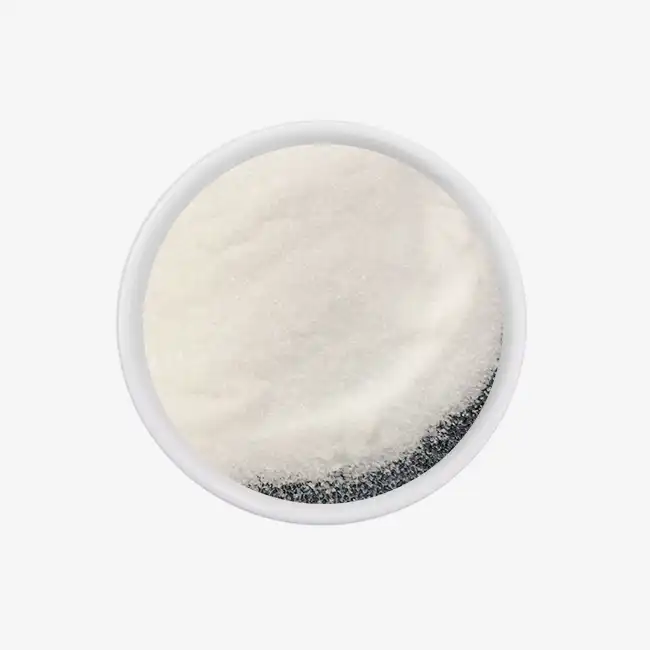
When running airport operations in the winter, knowing how long deicing materials last is important for keeping costs low and operations running smoothly. When kept properly, airport runway solid potassium acetate, a high-quality aviation-grade deicing agent, usually stays useful for one to three years. To keep this chemical compound (CH₃COOK, CAS NO.: 127-08-2) pure and working well, it needs to be stored in dry, well-ventilated warehouses with packaging that won't let water in. This white crystalline material is hygroscopic, which means that moisture can greatly shorten its useful life. For this reason, purchase managers and airport repair teams need to follow the right storage procedures.
Introduction
As winter weather continues to make it hard for airports across North America to run, procurement managers are under more and more pressure to keep enough solid deicing materials on hand while keeping costs low. The amount of time that aviation deicing chemicals can be stored and used directly affects how often they need to be bought and, ultimately, how safe it is to use runways during severe weather.
The question of how long deicing agents work isn't just for fun for people who work in purchasing at municipal airports, highway maintenance companies, and aviation infrastructure providers; it affects how they buy things, which can save hundreds of thousands of dollars a year and still meet SAE AMS 1431 standards. Potassium acetate has become the standard in the industry, taking the place of older products made from urea that broke down quickly and were bad for the environment.
This complete guide addresses the unique issues that B2B buyers face when they are in a competitive procurement environment. Whether you're in charge of a regional airport's inventory, a company that sells aviation chemicals, or winter maintenance, knowing what makes an airport runway's solid potassium acetate product last longer helps you make decisions that are both cost-effective and ready for use.
Understanding Airport Runway Solid Potassium Acetate
Chemical Composition and Properties
The chemical structure of the airport runway solid potassium acetate is very simple, but it has complex performance properties. This organic salt has a molecular weight of 98.14 g/mol and dissolves easily in water. When it melts, an exothermic reaction happens that makes heat. The white crystalline pellets have a bulk density of 0.8 to 0.9 g/cm³, which keeps them from being scattered by wind during application. This is a big benefit over lighter options that waste material and hurt the environment.
Aviation-grade formulations keep their content purity levels at or above 99.0% and strictly control any contaminants that could harm aircraft materials. The chlorine level stays below 0.2%, which protects the sensitive aluminum, magnesium, and cadmium parts that are used in modern aeroplanes. The pH of a 15% solution is between 9.0 and 10.5; this makes it safe for use on runways and in drainage systems and keeps it working at -60°C.
Mechanism of Action in Deicing Operations
Potassium acetate breaks through existing layers of ice in two different ways, unlike regular road salts that only lower freezing points. Because it is hygroscopic, the compound soaks up water from the air, making concentrated brine pools under ice forms. This undercutting action makes it easier for sweepers and ploughs to remove ice by breaking up the bond between the ice and the pavement.
Even when it is very cold, the heat given off by dissolution speeds up the melting process. Where urea stops working below -7°C, potassium acetate keeps working at temperatures where other deicers stop working. This longer operational range is very important during bad weather, when quickly clearing the runway is necessary for aircraft safety.
Environmental and Safety Advantages
Urea-based deicers were phased out by the aviation industry because they released harmful ammonia and didn't work very well. Potassium acetate breaks down naturally and doesn't make any harmful byproducts, so it meets strict EPA environmental rules. The low biological oxygen demand (BOD) has little effect on ecosystems nearby, which is especially important for airports that are close to rivers that are sensitive.
Not only do non-corrosive properties protect planes, but they also protect ground support equipment, runway lighting systems, and pavement infrastructure. Corrosion damage often has lower maintenance costs that make up for the higher initial costs of the materials. This creates long-term value that smart procurement managers can see. The low toxin ratings make the product safer for people working on the ground in areas where people load and unload passengers and near hydraulic systems.
Key Factors Affecting the Shelf Life of Solid Potassium Acetate
Environmental Storage Conditions
Changes in temperature are the main thing that can damage the chemical stability of deicing products that are kept. While airport runway solid potassium acetate is safe over a wide range of temperatures, high heat makes it easier for moisture to get in, even if the package is sealed. When warehouses don't have enough airflow or are in direct sunlight, things break down faster than expected. This cuts the useful storage time from three years to less than one.
Controlling humidity is the most important thing that can be done to keep a product's integrity. Because potassium acetate is hygroscopic, it clumps when it comes in contact with moisture in the air. This makes it harder to flow and eventually makes deicing less effective. In storage facilities, the relative humidity should stay below 50%, and there should be enough air flow to keep condensation from forming on the surfaces of packages when the temperature changes.
Packaging Quality and Material Handling
Modern packaging has changed to deal with the problems that acetate compounds have with being sensitive to moisture. When properly sealed, double-layer woven bags made of polyethylene and polypropylene keep moisture out. Zhaoyi Chemical has both 25 kg woven plastic bags for smaller operations and 1000 kg ton-bags for facilities that can handle a lot of material. Both types of bags are made with moisture-proof liners that make them last longer.
As much as environmental factors, how a product is handled during shipping and storage also affects how long it lasts. When bags or boxes are broken or punctured, water can get inside and quickly ruin whole pallets. Careful unloading, the right way to stack things, and frequent inventory checks can help find damaged packages before they affect the readiness of operations. When transporting things, it's important to keep the loads safe and protect them from the weather.
Source Quality and Dependability of Suppliers
The main thing that affects how well deicing goods last in storage is how they were made. Suppliers who follow the rules for ISO 9001, ISO 14001, and ISO 45001 certification use quality control procedures to find and fix problems with products before they get to warehouses. Zhaoyi Chemical's factory can make up to 150,000 tonnes of chemicals every year. They test each batch individually for heavy metals, particle size distribution, and corrosion.
People who work in procurement should look at detailed product specifications, Safety Data Sheets (SDS), and compliance certificates that suppliers provide. Manufacturers who are certified as KOSHER or HALAL show that they are committed to high-quality standards, which means that their products will last longer and work the same way every time. Having access to technical support helps solve storage questions before they become practical problems.
Practical Shelf Life Expectations and Real-World Case Studies
Industry Benchmark Data
Testing done by groups in the aviation industry shows that airport runway solid potassium acetate stays chemically stable for 24 to 36 months when stored properly. The SAE AMS 1431E standard has requirements for stability that manufacturers must check by doing studies that speed up the ageing process. Things that are stored after this window may still work, but the performance will vary more as the purity goes down and the moisture content goes up.
Usually, procurement cycles fall within this two to three-year window. This lets people buy in bulk when the market is good without worrying about the material breaking down. Facilities that use first-in, first-out (FIFO) rotation systems to keep track of their inventory say that their annual waste rates are less than 2%. These standards help planners figure out the best order amounts that balance volume savings, storage costs, and the risk of spoilage.
Case Study: Optimising Airport Inventory in a Regional Setting
The facility always kept aviation-grade potassium acetate in a building that was climate-controlled and had humidity sensors. By buying materials in August and September, before seasonal demand rose, they were able to get good deals and make sure that the goods would still be good for 18 to 24 months when they were needed most. The switch to ton-bag packaging cut down on the cost of handling and damage to the bags during the store cycle.
Best Practice Checklist for Procurement Teams
To manage inventory well, you need to use organised methods that take shelf life into account all the way through the buying process. Teams should come up with rules for receiving items that make sure the packaging is intact, the dates of manufacture are correct, and storage requirements are met. Documentation tools that keep track of lot numbers and ageing plans allow materials to be rotated before they go bad.
• Monthly warehouse inspections help find environmental problems in warehouses before they damage a lot of stored items.
• Temperature and humidity logging systems let you know quickly when things are getting worse.
• Staff training on proper handling techniques lessens physical damage during moving and staging.
Comparing Potassium Acetate Shelf Life with Other Deicing Chemicals
Calcium Chloride and Sodium Chloride Stability
Chloride-based deicers usually have longer shelf lives (5–10 years) than acetate-based ones because they don't absorb water as easily. But aviation rules say they can't be used on runways because they are corrosive and damage aircraft alloys and pavement infrastructure. When materials can't meet operational needs or regulatory standards, the longer shelf life doesn't help in any way.
Calcium chloride strongly attracts water, which makes it hard to store and hurts its effectiveness when it's time to use it. Corrosion rates that are 20 to 30 times higher than airport runway solid potassium acetate lead to long-term infrastructure costs that are higher than the initial savings. When buying something, people have to weigh the short-term benefits against the long-term costs of fixing broken equipment, cleaning up the environment, and following the rules.
Sodium Acetate and Alternative Formats
Sodium acetate and potassium acetate are both chemically stable and usually stay useful for two to three years if they are stored properly. Potassium formulations work faster in very cold conditions because they dissolve slightly more easily. This makes them the best choice for runway uses where quickly melting ice directly affects flight safety.
When it comes to storage, liquid acetate formulations have different needs. If kept in sealed containers, they can last up to three to five years. Higher shipping weights and special handling needs often cancel out the benefits of storage for places that are far from where the goods are made. Solid goods give you more options for pre-wet applications and mixing processes that let you change how they work in different weather situations.
Cost-Benefit Analysis for Long-Term Storage
The decision to buy airport runway solid potassium acetate goes beyond unit pricing and includes the total cost of ownership over the storage period. For things that last longer, buying them in bulk may be a good idea so that you can get savings and protect yourself from regular price increases. But the capital costs of keeping a large inventory of airport runway solid potassium acetate must be weighed against the risk of damage and the lost opportunities that come with having money tied up in materials.
The two to three-year shelf life of potassium acetate is a good fit for the way airlines usually buy things, so it can be strategically bought without having to pay a lot for storage. Because it performs better than alternatives, it takes less material to get the same deicing results, which means less storage space is needed, even though it has a shorter shelf life. Facilities can keep their operations ready by keeping their inventory levels at the best level based on how they've been used in the past.
Procurement Tips and Choosing Reliable Potassium Acetate Suppliers
Evaluating Technical Specifications
Product datasheets show important details besides the basic chemical makeup. During spreading operations, particle size distribution affects how even the application is and how well it stands up to wind. Materials with uniform granule sizes between 1 and 3 mm work best in motorised spreaders and don't get scattered by jet blast. Solubility rates show how quickly airport runway solid potassium acetate works when it comes in touch with ice, which is especially important when the weather is changing quickly.
Specifications for chloride and heavy metal content show that quality control is being used during production. Chloride levels must be less than 0.2%, and iron levels must be less than 0.05% in aviation-grade goods to protect aeroplane materials and meet environmental discharge limits. When suppliers give detailed certificates of analysis for each production batch, it's easy to find out what happened if there are problems with performance during operational deployment.
Assessing Supplier Capabilities
The ability to manufacture things has a direct effect on how reliable the supply is during times of high seasonal demand. Suppliers that make more than 100,000 tonnes of goods a year can handle big orders without affecting the arrival times of other customers. Zhaoyi Chemical can produce 150,000 tonnes of chemicals every year, which ensures supply security for major airport networks and distributor operations that need reliable availability.
Certification files show that a company is committed to quality management systems that keep the purity of the product while it is being made and distributed. ISO certifications show organised ways of managing production, protecting the environment, and keeping workers safe at work that lower risks in the supply chain. Although KOSHER and HALAL certifications are mostly used for food-grade products, they show high-quality standards that help aviation-grade products by making process controls better.
Logistics and Delivery Considerations
The way a product is transported has a big effect on its condition when it arrives. Suppliers who work with experienced chemical shipping providers know how important it is to move goods in a way that protects them from the weather and makes sure they are securely loaded. When restocking before expected weather events, guaranteed shipping schedules are very important because delays of even 24 to 48 hours could affect operational readiness.
The types of packaging should match the handling and storage systems available at the facility. Smaller businesses can benefit from 25 kg bags because they make it easier to rotate inventory and don't need as much handling equipment. Ton-bags make large airport networks and delivery centers more efficient by lowering the number of times items have to be handled and the amount of waste that is created by packaging. Flexible providers can meet the wants of a wide range of customers, which helps achieve the best total cost management.
Conclusion
Keeping track of how long aviation deicing materials can be stored is an important part of running an airport and making smart purchases. Potassium acetate is stable for two to three years when stored properly. This gives you enough time to plan your purchases and keep your inventory as low as possible. Understanding the weather factors, packing needs, and handling methods that keep chemicals intact during the storage cycle is key to getting the most out of a material's value. Procurement professionals can cut costs while keeping operational readiness at a level required by flight safety by using organised inventory management techniques and working with dependable suppliers who offer technical support for airport runway solid potassium acetate.
FAQ
How can I tell if stored potassium acetate has degraded?
A visual inspection gives you immediate information about the condition of a product. Too much clumping, changes in colour from white to yellow-brown, or the presence of moisture in the packaging are all signs of degradation. Too much water has been absorbed by material that won't flow freely or has crystalline caking. Before being used in the field, goods are tested in a lab to make sure they still meet SAE AMS 1431 standards. This is done by checking the purity levels and dissolved matter.
What will happen if I use deicing materials that have gone bad on runways?
Material that has passed its expiration date may not melt as well, which means it needs to be used at higher rates, which costs more and has a bigger effect on the environment. Degraded products may leave more residue on runways, which could lower the friction coefficients that are needed for planes to stop. Even though it's not immediately dangerous, worsening performance cuts into the safety margins that air travel needs when bad weather hits.
Is it possible to store potassium acetate outside?
Putting things away outside subjects them to changes in temperature, direct rain, and humidity that speed up degradation, no matter how well they are packaged. Even ton-bags that are made to withstand bad weather let water in over time when they are exposed to rain and snow. The only guaranteed way to get the full two to three-year shelf life while keeping performance traits is to store the goods in a dedicated warehouse with climate control.
Partner With Zhaoyi Chemical for Your Aviation Deicing Needs
Zhaoyi Chemical has been making acetate for more than 30 years and works with airports, distributors, and infrastructure maintenance companies all over North America. Our aviation-grade potassium acetate is highly pure (more than 99.0%), meeting the strict SAE AMS 1431 standards. It will work reliably for the full shelf life. With the ability to produce 150,000 tonnes per year and certifications in ISO 9001, ISO 14001, and ISO 45001, we can keep our goods safe even during times of high yearly demand.
When you ask about buying, our technical support team replies within two hours with detailed storage advice and application suggestions that are specific to your needs. Our flexible packaging options and competitive pricing as a direct airport runway solid potassium acetate manufacturer save you money all along your supply chain, whether you need 25 kg bags for smaller facilities or ton-bags for bulk distribution. Contact our experts at sxzy@sxzhaoyi.com to talk about your particular needs and find out how our dedication to quality protects the identity of our products from the time they are made until they are used on your runways.
References
1. Society of Automotive Engineers. "AMS 1431E: Aircraft Deicing/Anti-Icing Fluid, Runway and Taxiway Deicing/Anti-Icing Fluid, SAE Type I." SAE International Standards, 2018.
2. Transportation Research Board. "Airport Winter Safety and Operations." Special Report 312, National Academies Press, 2019.
3. Environmental Protection Agency. "Revised Effluent Limitation Guidelines and New Source Performance Standards for Airport Deicing Category." Federal Register, Vol. 77, No. 146, 2012.
4. Klein-Paste, Alex, and Sinha, Nadarajah K. "Comparison of Surface Friction for Different Runway Deicing Chemicals." Journal of Cold Regions Engineering, Vol. 26, No. 4, 2012.
5. Shi, Xianming et al. "Potential Corrosivity of Acetate-Based Deicers to Airfield Pavement Joints and Infrastructure." Journal of Infrastructure Systems, Vol. 20, No. 3, 2014.
6. International Civil Aviation Organization. "Airport Services Manual, Part 2: Pavement Surface Conditions." ICAO Doc 9137-AN/898, Fourth Edition, 2020.

USER EVALUATE
Here is the customer's evaluation of us