

Potassium Acetate
Potassium Acetate
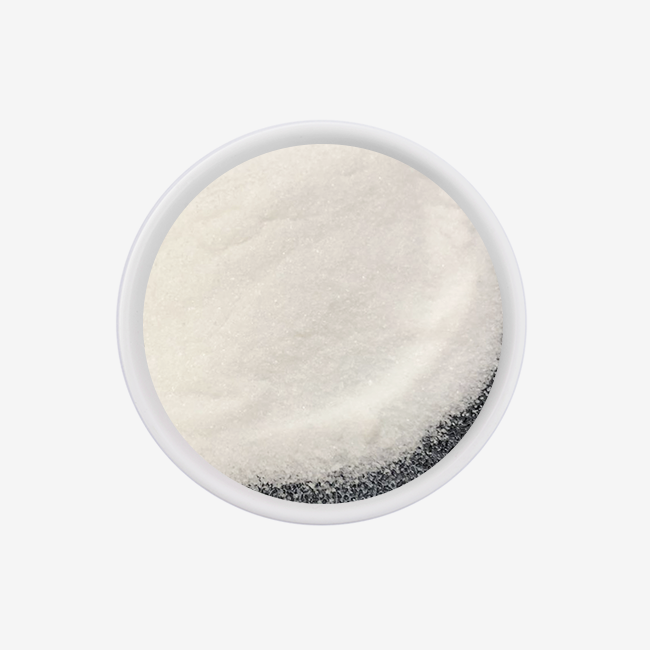 VIEW MOREDeicing Solid Potassium Acetate
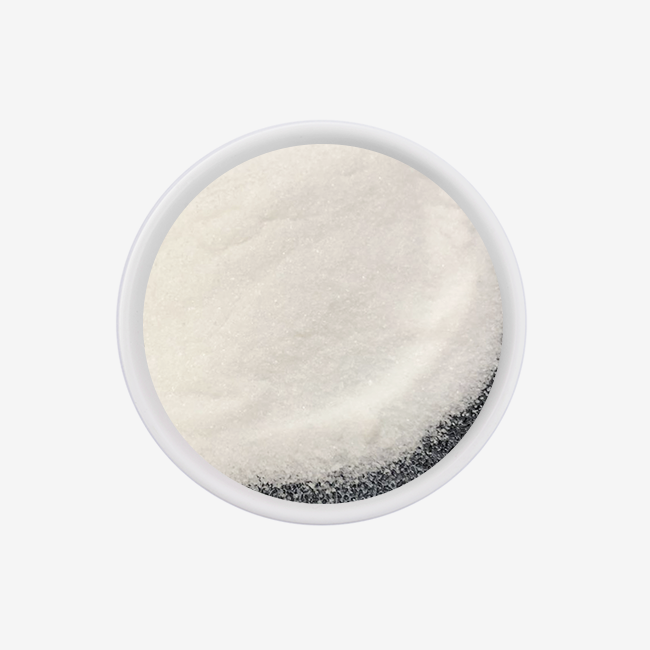 VIEW MORESnow Melting Solid Potassium Acetate
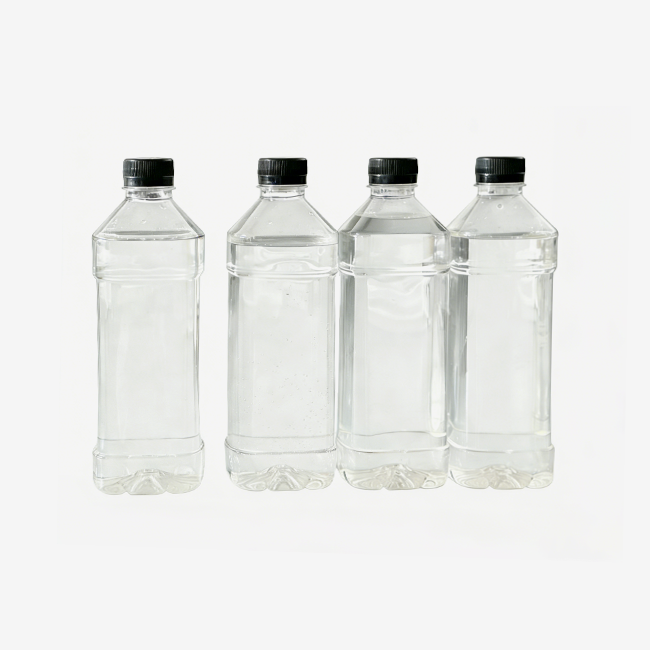 VIEW MOREIndustrial Catalytic Liquid Potassium Acetate
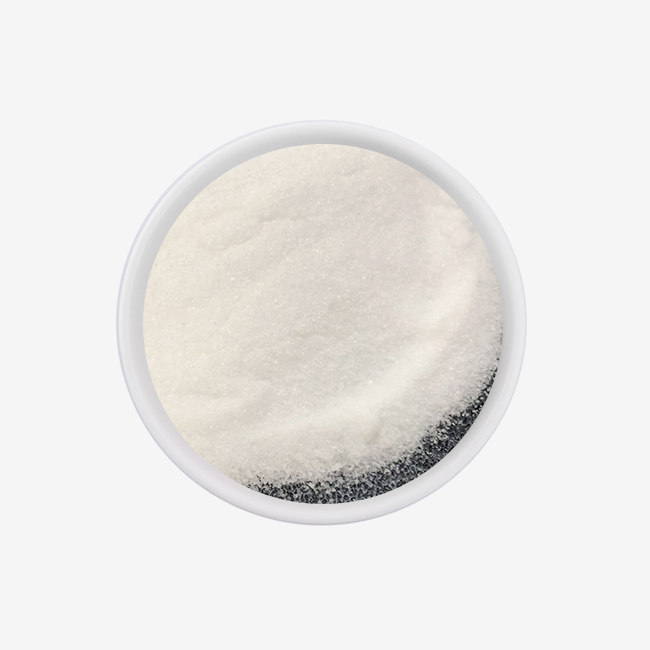 VIEW MOREAirport Runway Solid Potassium Acetate
Potassium acetate. CH3COOK. CAS 127-08-2. This is what happens when acetic acid neutralizes potassium hydroxide — a salt with a molecular weight of 98.14 that dissolves to the tune of 235 g per 100 mL at 20°C. Three markets drive demand: airport deicing, oilfield drilling fluids, and food preservation under code E261. No chlorides, full biodegradability — it's the environmentally sane answer to legacy salt-based products that leave a trail of corrosion and contamination behind them.
Purity: 99% and up for the solid form. Liquid solutions run 50–75%. A 5% aqueous solution gives you pH 7.5–9.0. Appearance-wise, white crystalline powder for solid, clear colorless liquid for solution. The freezing point of its aqueous solutions goes all the way down to -50°C — effective to temperatures where sodium chloride has long since given up. It won't attack your concrete, asphalt, steel, or aluminum. Biodegrades completely — no bioaccumulation, no groundwater contamination.
Grade lineup: industrial, food (FCC/E261), technical. Packaging spans 25 kg bags, 1000 kg jumbo bags, IBC totes, and bulk tankers depending on your supply chain and order volume.
On the deicing side, this stuff melts ice up to five times quicker than conventional chloride salts. Still works at temperatures where sodium chloride has long since stopped being useful. Oilfield operators value it as a shale-stabilizing brine that protects reservoir formations and maintains drilling fluid density without adding solids. Food manufacturers use it as E261 preservative and acidity regulator. The polyurethane industry runs it as a foam catalyst. And it shows up in pharmaceutical potassium supplementation and Class K fire extinguishers too.
FAQ:
Is it environmentally friendly? Yeah. Fully biodegradable, not toxic to aquatic life at normal use concentrations, doesn't foul soil or groundwater. The environmental data supports it.
Solid vs. liquid — which way to go? Solid's cheaper to ship and lasts longer on the shelf. Liquid's instant — no dissolving gear needed. Your logistics determine the winner. A fair number of operations stock both: solid for base inventory, liquid for peak-season surge demand.
Airport use? It's the FAA-preferred deicing agent for runways and taxiways. Low corrosion, minimal environmental footprint — exactly what airfield environmental specs demand.
Need a potassium acetate supplier that handles deicing, drilling, and food-grade all under one roof? Contact us for specs and a quote that matches your use case.