



Application of Special Printing and Dyeing Grade Sodium Acetate for Textile Dyeing
In textile dyeing and finishing processes for fabrics (cotton, linen, viscose, nylon, wool, and blended fabrics), key quality indicators include dye uniformity, color light stability, color fastness, and environmental compliance. Conventional dyeing methods often face challenges such as significant pH fluctuations in dye baths, rapid dye uptake causing color mottling and variations, difficulties in controlling light and bright color tones, substandard color fastness, and complex wastewater treatment. Printing-grade sodium acetate (compliant with national standards and EU Oeko-Tex Standard 100 eco-textile criteria) serves as an indispensable multifunctional eco-friendly additive for textile dyeing, compatible with various reactive, acidic, and neutral dyeing processes. Details are as follows:
1.key role
This product is a specialized pH buffer and high-efficiency dye uniforming agent for textile dyeing. Its core function is to stabilize the pH of the dye bath, preventing dye hydrolysis, color shift, and abnormal coloration caused by sudden pH changes. It effectively slows the dyeing rate, ensuring uniform adsorption, penetration, and fixation of dyes on fiber surfaces, thereby addressing root causes of fabric issues such as color mottling, color differences, streaking, and color patches. Additionally, it enhances the bonding between dyes and fibers, improving color fastness under dry-wet friction, washing, and sun exposure. The product also reduces pH fluctuations in the dye bath, decreases the usage of strong acids and alkalis, lowers the COD of dyeing wastewater, and simplifies treatment processes, meeting the requirements of eco-friendly dyeing.
2.product superiority
This high-purity fabric features minimal impurities, free from heavy metals, formaldehyde, and harmful volatile compounds, fully compliant with EU and North American eco-textile certifications for premium export production. Its stable pH buffering maintains optimal dyeing conditions, dramatically reducing dyeing defects. Exceptional color uniformity excels in light, bright, and sensitive dyeing, delivering flawless coverage. Compatible with all dyes, leveling agents, fixatives, and penetrants without sedimentation or dye tank clogging. Rapidly soluble in water, it supports automated processes including overflow dyeing, continuous dyeing, and roll dyeing. Biodegradable and residue-free, it helps enterprises meet stringent global environmental regulations for textile printing and dyeing.
3.usage method
Active dyeing (cotton, viscose, modal): Add 0.5%–2.0% of the total dye solution mass to the dye vat before dyeing, stir to dissolve, adjust pH to 6.0–7.5, then proceed with constant-temperature dyeing of fabrics and dyes.
Acid dyeing (for nylon, wool, and silk): Add 0.3%–1.5% of the dye solution by total weight to stabilize the bath pH at 4.5–6.0, enhancing even dyeing and color uniformity.
Continuous dyeing/roll dyeing process: A 10% mother liquor is pre-prepared and precisely added via metering pumps to ensure stable dye bath conditions for large-scale production.
4.frequently asked questions
This product is hygroscopic and should be stored in a cool, dry, and light-protected environment to prevent moisture absorption and clumping, which may affect dosing accuracy. It must not be mixed directly with strong alkaline additives in the same tank; instead, stepwise addition is recommended to avoid system fluctuations. Excessive addition may slow the dyeing rate and prolong the dyeing cycle, so strict adherence to the process ratio is required. For dark fabric dyeing, the dosage may be appropriately reduced to avoid compromising color depth.
5.Industry Case
A leading textile dyeing and finishing company specializes in exporting premium cotton, viscose knit, and woven fabrics to Europe, America, and Japan. Previously using conventional inorganic salt auxiliaries, the company faced challenges including high color mottling rates in light colors, unstable color light, substandard color fastness, and high wastewater treatment costs, with an export return rate of 5.2%. After implementing a full-scale switch to printing-grade sodium acetate to optimize dyeing processes, the company achieved a 99.5% uniform dyeing qualification rate, virtually eliminated color mottling and color differences, and improved dry-wet friction color fastness by an average of 0.5-1 grade. The products successfully obtained Oeko-Tex Standard 100 certification, reducing export returns to 0.4%, cutting dyeing wastewater treatment costs by 28%, and boosting production efficiency by 18%. This breakthrough has established the company as the go-to eco-friendly additive for high-end textile dyeing worldwide.

USER EVALUATE
Here is the customer's evaluation of us
YOU MAY LIKE
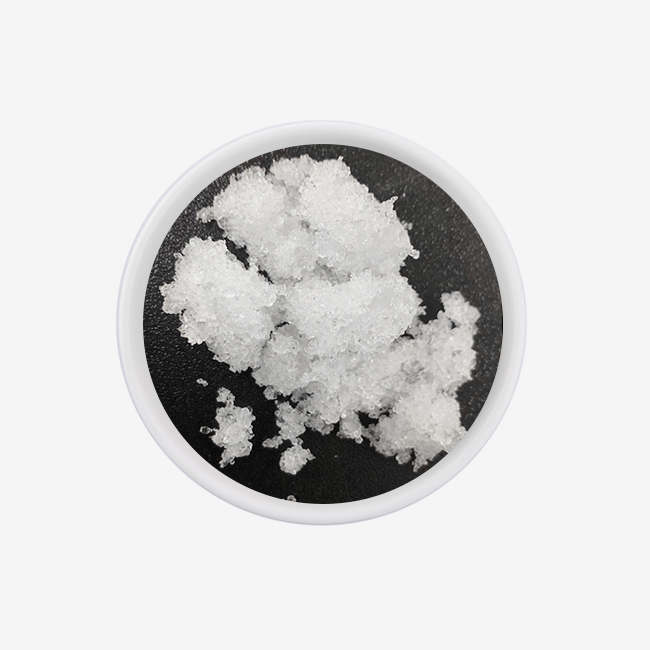 VIEW MOREIndustrial Sodium Acetate Trihydrate
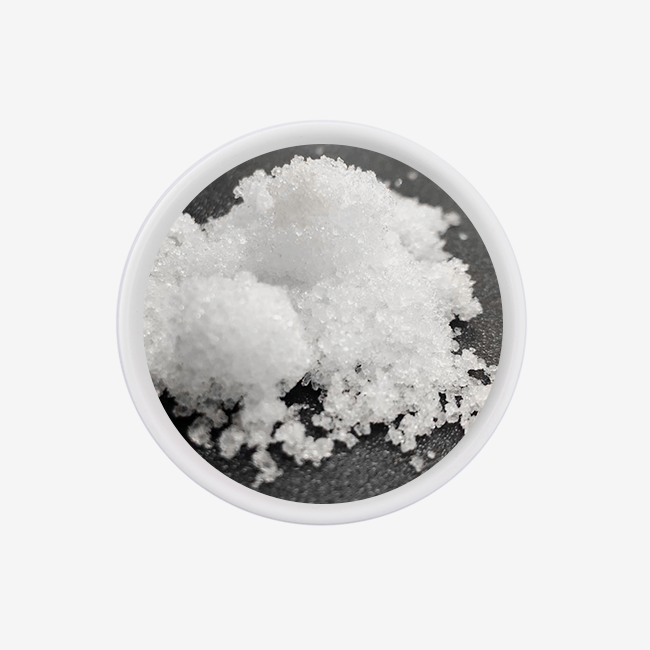 VIEW MOREPreservative Sodium Acetate Trihydrate
 VIEW MOREMetal Bridge Snow Melting Agent
 VIEW MOREHigh-End Community Snow Melting Agent
 VIEW MOREDeicing Liquid Potassium Formate
 VIEW MOREOilfield Solid Potassium Formate
 VIEW MOREOilfield Liquid Potassium Acetate
 VIEW MOREDrilling Solid Potassium Formate