

Sodium Acetate Anhydrous
Sodium Acetate Anhydrous
 VIEW MOREIndustrial Sodium Acetate Anhydrous
 VIEW MOREpH Adjustment Sodium Acetate Anhydrous
 VIEW MOREPharmaceutical Excipient Sodium Acetate Anhydrous
 VIEW MOREAcidity Adjustment Sodium Acetate Anhydrous
 VIEW MOREPharmaceutical Sodium Acetate Anhydrous
 VIEW MOREAntibiotic Sodium Acetate Anhydrous
 VIEW MOREDyeing Sodium Acetate Anhydrous
 VIEW MORECatalytic Sodium Acetate Anhydrous
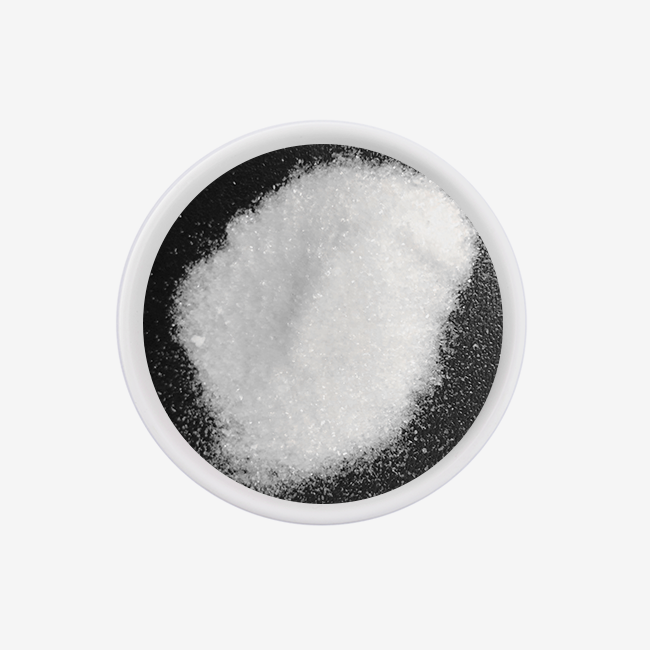
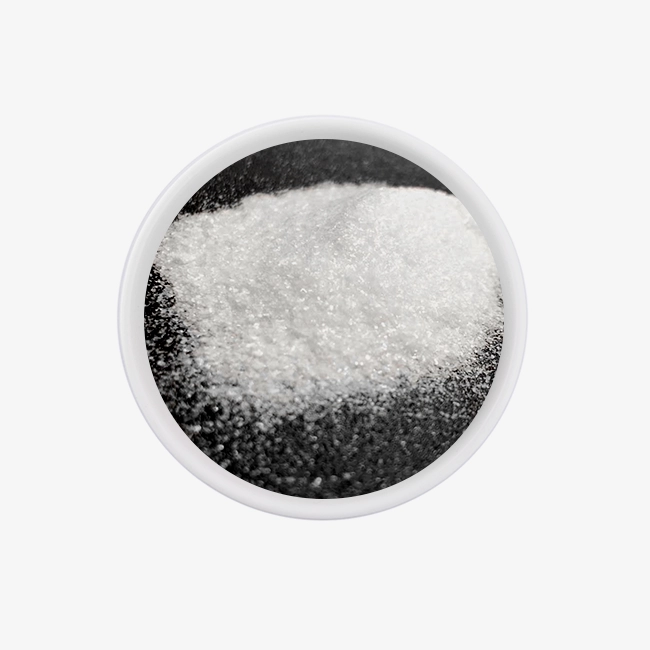
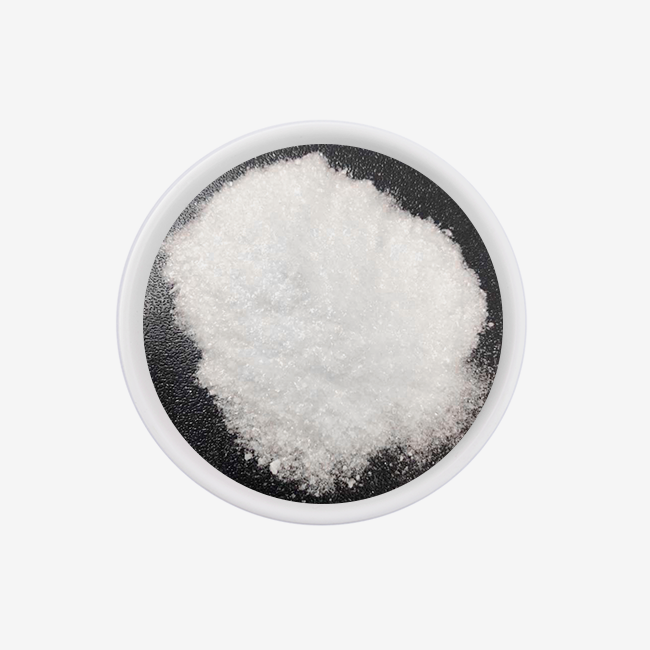
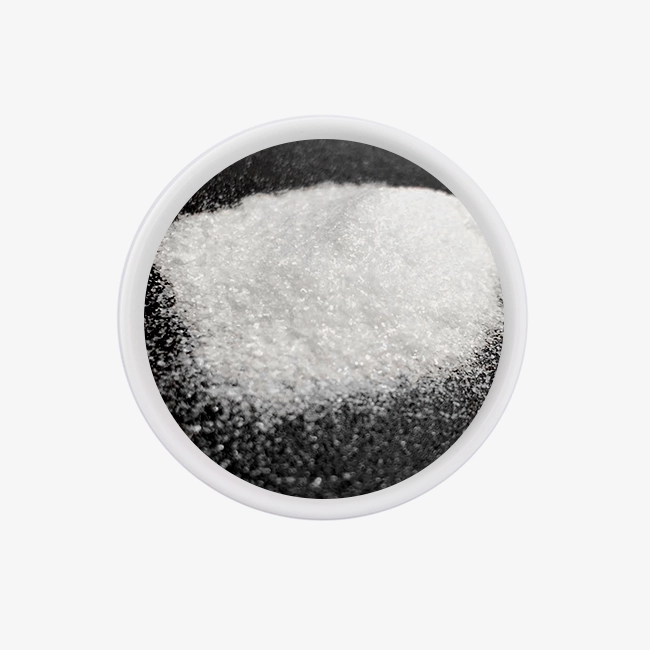
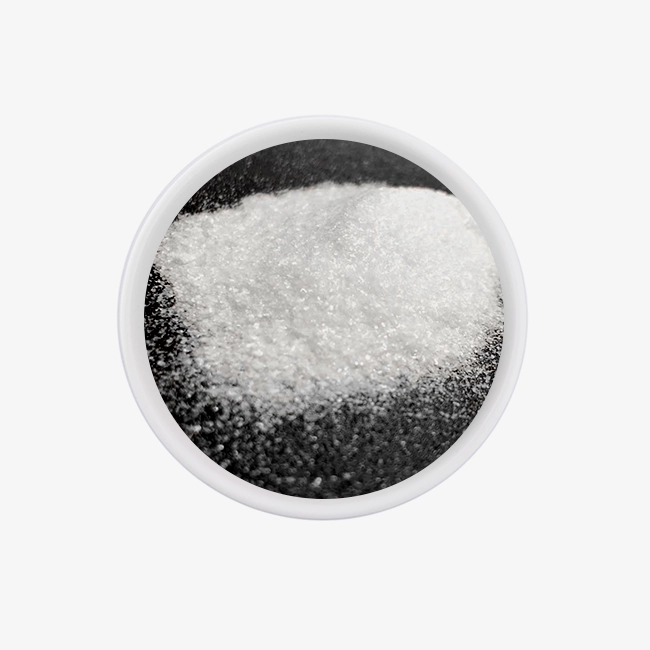
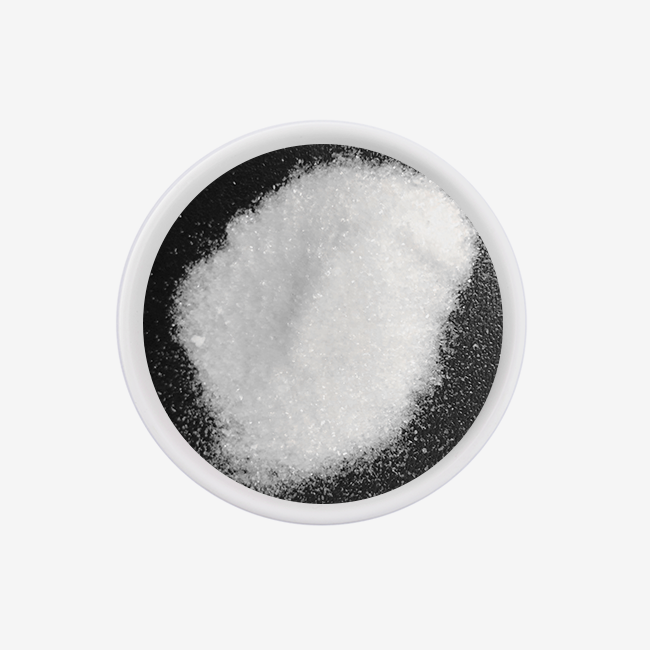
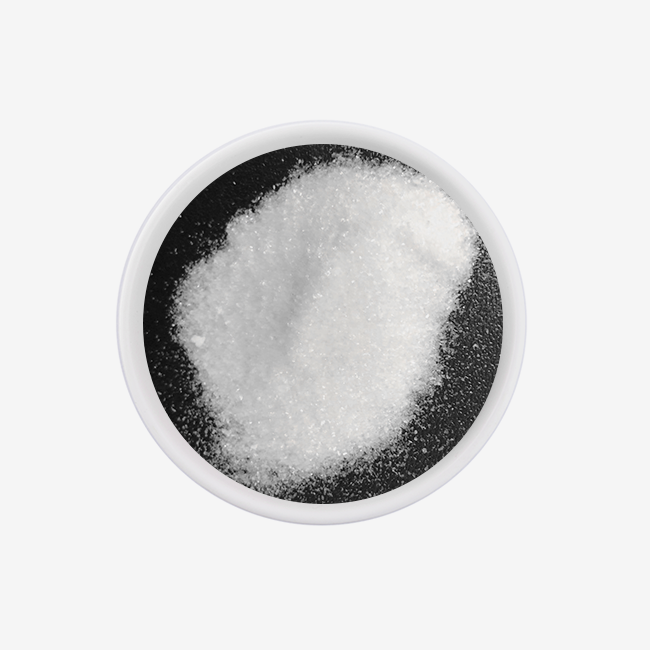
Sodium acetate anhydrous — CH3COONa with zero water of crystallization, CAS 127-09-3. White powder, hygroscopic (it'll pull moisture right out of the air), molecular weight 82.03, melting at 324°C. When your process can't tolerate the water weight that comes with the trihydrate version, this is what you spec.
Purity-wise, we're talking 99.0% minimum, sometimes pushing 99.5% for the technical grade. That matters in pharma. That matters in fine chemical synthesis. A 5% solution reads pH 7.5–9.0, so it's mildly alkaline territory.
The heat stability is the headline feature here. At 324°C melting point, it shrugs off temperatures that would cook most organic salts. Plus, because there's no water of crystallization eating up mass, you get more active sodium acetate per kilo — every gram you pay for is doing work, not riding along as hydration.
Where do people actually use it? Pharmaceutical synthesis runs it as a buffering agent and intermediate — high purity, predictable behavior. Food processing uses it as E262(i) preservative and acidity regulator. Chemical manufacturing feeds it into reactions where water content would mess things up — dye intermediates, organic ester syntheses, that kind of thing. Laboratories use it to prep buffer solutions with known, repeatable concentrations. And yes, it still does the job in wastewater denitrification when you want maximum active carbon per unit weight.
Spec highlights: 99%+ purity, pH 7.5–9.0 for a 5% solution, water solubility around 46 g per 100 mL at 20°C. Comes in 25 kg woven bags with PE inner liners, 1000 kg jumbo bags, or custom packaging. FCC and E262(i) compliant with full documentation.
FAQS:
Why pick anhydrous over trihydrate? Less weight to ship for the same active content. No water of crystallization to interfere with water-sensitive reactions. Higher melting point for high-temp processes.
Storage concerns? It's hygroscopic — keep it sealed tight in a dry, ventilated space. Once a bag is open, use it or lose it.
Is it food grade? Yes, provided you're using material that meets FCC and E262(i). Full certs with every shipment.
If high-purity sodium acetate anhydrous is on your procurement list, send over your specs and quantity — we'll get you a quote fast.