



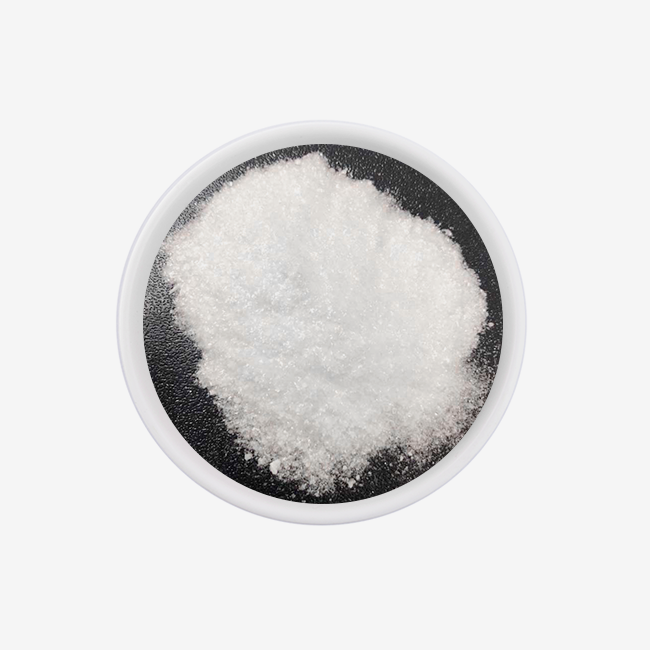
Preservative Sodium Acetate Anhydrous
CAS NO.: 127-09-3
Molecular Formula: CH3COONa
Molecular Weight: 82.03
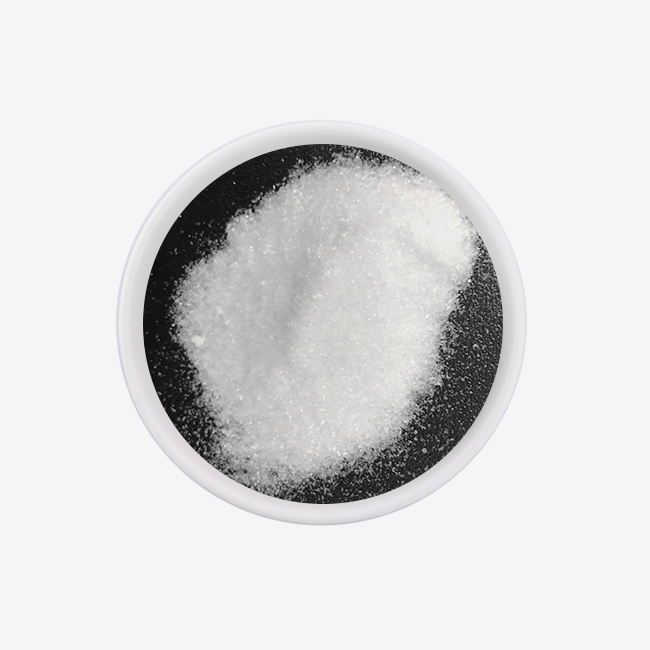
Character: white crystal powder; specific gravity is 1.528 and melting point is 324℃.
Usage: It is a kind of chemical raw material and is widely used in dye, pharmaceutical, chemical reagent fields, sewagement and etc.
Package: 25kg plastic woven bag or 1000kg Ton-bag
Storage: It should be stored in a dry and ventilative warehouse, kept away from heat and moisture during transportation, unloaded with care so as to avoid damage. Furthermore, it must be stored separately from poisonous substances.
- Product Description
Preservative Sodium Acetate Anhydrous – Premium Food-Grade Solution from Shanxi Zhaoyi Chemical
SHANXI ZHAOYI CHEMICAL CO., LTD brings you Preservative Sodium Acetate Anhydrous with exceptional purity levels of 99-101%, manufactured in our 27,000 m² production facility since 1988. With an impressive annual production capacity of 150,000 tons of acetate products, our anhydrous formula delivers 1.6 times more acetate functionality per kilogram than trihydrate forms. This white crystalline powder features a specific gravity of 1.528 and melting point of 324℃, ensuring optimal preservation performance. Our product maintains ultra-low moisture content (≤0.5%) and strict chloride control (≤0.03%), making it ideal for water-sensitive applications across food processing, industrial preservation, and pharmaceutical sectors.
Key Features & Benefits
Our item stands out with extraordinary immaculateness measures that surpass industry prerequisites. The anhydrous detailing avoids moisture-related quality issues in your generation lines.
You'll appreciate the concentrated acetic acid derivation usefulness that permits for lower dose rates whereas keeping up predominant antimicrobial security. This interprets straightforwardly into taken a toll investment funds without compromising item safety.
The item offers amazing stream characteristics and non-caking properties amid capacity. Your stockroom operations run easily indeed beneath requesting conditions.
Its broad-spectrum antibacterial activity viably controls common decay microorganisms. You pick up expanded rack life for your wrapped up products.
The clean name profile underpins your consumer-friendly fixing announcements. It works consistently in jump innovation applications nearby other conservation frameworks.
Technical Specifications
Parameter | Specification |
Content (CH3COONa) | 99-101% |
Free Alkali | ≤0.2% |
Potassium (K) | ≤0.025% |
Lead (Pb) | ≤0.001% |
Arsenic (As) | ≤0.0003% |
Loss on Drying | ≤2% |
CAS Number | 127-09-3 |
Molecular Formula | CH3COONa |
Molecular Weight | 82.03 |
Appearance | White Crystal Powder |
Specific Gravity | 1.528 |
Melting Point | 324℃ |
How It Works?
The item capacities through different conservation components at the same time. It buffers pH levels to make unfavorable conditions for microbial development in your products.
The acetic acid derivation particles diminish water movement (Aw) in nourishment lattices. This physiological push avoids bacterial increase without changing taste profiles significantly.
When you combine it with lactates or diacetate, it conveys synergistic antimicrobial impacts. This jump innovation approach represses Clostridium botulinum and Listeria monocytogenes effectively.
In pastry kitchen applications, it oversees batter pH to avoid rope deterioration from heat-resistant Bacillus spores. Not at all like propionates, it doesn't meddled with yeast maturation processes.
The buffering framework stabilizes causticity in sauces and dressings beneath variable capacity temperatures. Your items keep up flavor keenness and anticipate constituent division all through rack life.
Our Factory
30-YEAR ACETATE SPECIALIST | Non-caking, High Purity, Global Supply Chain


Applications
Handled Meat & Poultry Industry
You can utilize it in vacuum-packed hams and wieners for clean name sodium chloride diminishment. It anticipates warmed-over flavor in pre-cooked things whereas controlling pathogenic bacteria.
Commercial Heating Sector
The item combats rope decay in high-moisture breads without influencing yeast movement. You expand mold-free rack life in clean name formulations.
Convenience Nourishments Manufacturing
It stabilizes soups, sauces, and serving of mixed greens dressings against pH variances. Your items stay steady over dissemination chains with shifting temperature conditions.
Pharmaceutical Applications
The food-grade virtue makes it reasonable for pharmaceutical buffer frameworks. You meet exacting administrative necessities with our certified product.
Cosmetics Preservation
It gives antimicrobial security in water-based corrective details. Your items accomplish expanded solidness in low-moisture systems.
Feed Industry
You can apply it in creature nourish conservation to anticipate deterioration amid capacity. It keeps up wholesome esteem all through the item lifecycle.


Preservative Sodium Acetate Anhydrous vs Other Products
Feature | Sodium Acetate Anhydrous | Sodium Acetate Trihydrate | Sodium Benzoate | Calcium Propionate |
Acetate Functionality | 1.6× Higher per kg | Standard | Not applicable | Not applicable |
Moisture Content | ≤0.5% | ~39% (bound water) | Low | Moderate |
pH Buffering Range | 4.5-5.5 (optimal) | 4.5-5.5 | <4.5 (acidic only) | 5.0-6.0 |
Yeast Compatibility | Excellent | Excellent | Good | Poor (inhibits yeast) |
Hygroscopicity | Moderate (manageable) | High | Low | Moderate |
Clean Label Appeal | Strong | Strong | Moderate | Moderate |
Dosage Efficiency | 0.2-0.5% | 0.3-0.8% | 0.05-0.1% | 0.2-0.4% |
Flavor Impact | Neutral at standard rates | Neutral | Potential metallic note | Chemical off-flavor in sweet goods |
Certifications & Compliance
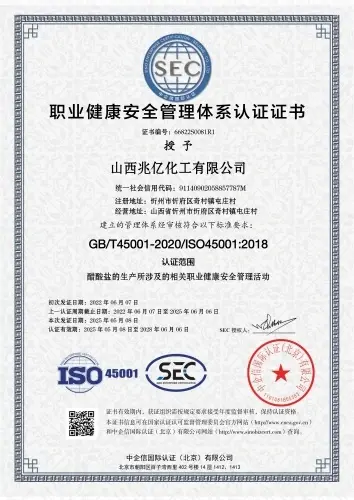
Shanxi Zhaoyi Chemical maintains rigorous quality standards validated by international certifications. Our manufacturing processes hold ISO certification ensuring consistent product quality.
The Preservative Sodium Acetate Anhydrous meets KOSHER and HALAL requirements for global food applications. You can confidently serve diverse market segments with our certified product.
Our food-grade specifications comply with international regulatory standards including FDA and EU regulations. Your formulations meet labeling requirements across major markets.
We implement strict quality control protocols throughout production cycles. Every batch undergoes comprehensive testing before release to ensure specification compliance.



Packaging Options
Standard Packaging:
We offer 25kg plastic-woven packs with PE lining for ideal dampness security. This estimate suits normal generation operations and stock management.
Bulk Packaging:
Our 1000kg ton-bags give prudent arrangements for high-volume clients. You diminish taking care of recurrence and capacity space requirements.
Moisture Protection:
All bundling highlights fixed moisture-proof development anticipating hygroscopic assimilation. Your item keeps up quality amid transportation and storage.
Custom Solutions:
We oblige particular bundling necessities for specialized applications. Contact our group to talk about your interesting operational needs.
Packing

Manufacturing Process
Our generation starts with high-purity acidic corrosive and sodium carbonate as crude materials. We keep up strict provider capability benchmarks for reliable input quality.
The neutralization response happens beneath controlled temperature and pH conditions. Our robotized frameworks guarantee exact stoichiometric proportions all through the process.
Crystallization takes put in specialized gear optimizing precious stone estimate and virtue. You get uniform molecule dispersion for solid preparing characteristics.
The lack of hydration stage expels dampness to accomplish anhydrous determinations underneath 0.5%. Our multi-stage drying frameworks avoid warm corruption of the product.
Final processing and screening provide reliable molecule sizes coordinating your application necessities. We conduct in-process testing at each generation stage.
Quality affirmation research facilities perform comprehensive examination some time recently bundling. As it were clumps assembly our strict determinations reach your office.
Shipment


Why Choose Us?
Three Decades of Manufacturing Excellence
Since 1988, we've refined acetate production processes to deliver superior quality. Your partnership benefits from our accumulated industry expertise.
Massive Production Capacity
Our 150,000-ton annual capacity ensures reliable supply continuity. You never face production interruptions due to material shortages.
Global Market Presence
We successfully serve customers across Europe, America, and Asia. Your international operations receive consistent product quality regardless of location.
Technical Support Team
Our experienced staff of 60 professionals provides application guidance. You optimize formulations with expert consultation support.
Customer-Centric Philosophy
We prioritize your satisfaction through integrity-based service approaches. Long-term partnerships drive our business development strategy.
Innovation-Driven Solutions
Continuous technological improvements enhance product performance. You stay competitive with our advanced application solutions.


FAQ
Q: How does the Anhydrous form act as a better preservative than the Trihydrate form?
A: The Anhydrous form contains approximately 1.6 times more acetate functionality per kilogram than the Trihydrate form. This creates a more concentrated bacteriostatic environment at the same inclusion rate, allowing for lower dosage or enhanced protection at equal weights.
Q: What is the recommended dosage for Listeria control in meat products?
A: While GMP dictates 'quantum satis,' industry standard inclusion rates typically range from 0.2% to 0.5% by final product weight. It is often combined with Sodium Diacetate in a 1:1 ratio for synergistic antimicrobial effect against Listeria monocytogenes.
Q: We are experiencing caking issues in our warehouse. Is the product defective?
A: Not necessarily. The product is highly hygroscopic. If relative humidity in storage exceeds 60% or packaging seals are compromised, it absorbs moisture rapidly. We recommend storing in climate-controlled environments and ensuring PE-lined bags are immediately resealed after opening.
Q: Can this replace Sodium Benzoate in acidic beverages?
A: It functions differently. While Benzoate is effective at pH below 4.5, Sodium Acetate serves as a buffer in the 4.5-5.5 range. It stabilizes beverage pH to prevent flavor and color degradation rather than serving as primary antimicrobial in high-acid soft drinks.
Q: Does it leave a vinegar aftertaste in sweet bakery products?
A: At standard usage rates of 0.1-0.4%, the flavor is neutralized by buffering action. However, overuse above 0.5% can contribute a slight saline or acidic note. In sweet doughs, it typically remains undetectable and is preferred over propionates.
Q: What are the storage requirements?
A: Store in cool, dry conditions with relative humidity below 65%. Keep away from strong oxidants and acidic substances. Use within 48 hours after opening to prevent moisture absorption and performance degradation. Unopened shelf life is 12 months.
Request a Quote
Ready to enhance your product preservation with premium-quality Preservative Sodium Acetate Anhydrous? Contact us today for competitive pricing and technical support: sxzy@sxzhaoyi.com

USER EVALUATE
Here is the customer's evaluation of us
YOU MAY LIKE
 VIEW MOREIndustrial Sodium Acetate Anhydrous
 VIEW MOREpH Adjustment Sodium Acetate Anhydrous
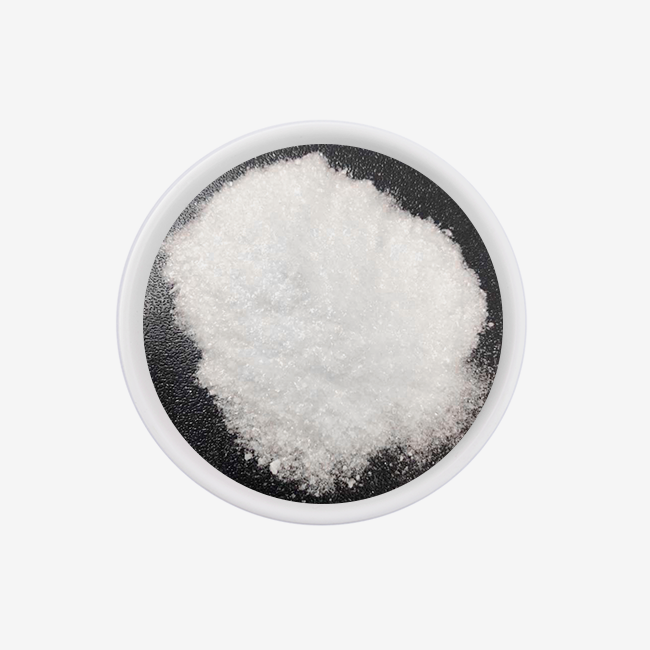 VIEW MOREAcidity Adjustment Sodium Acetate Anhydrous
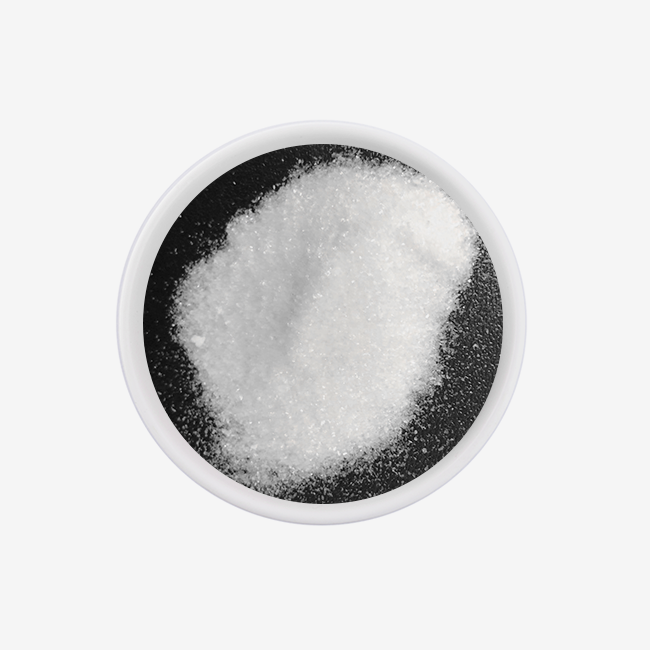 VIEW MORECatalytic Sodium Acetate Anhydrous
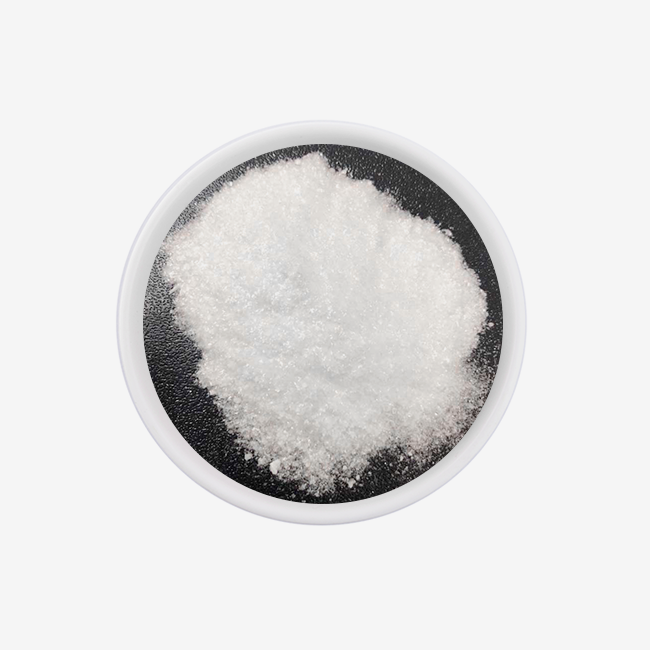 VIEW MOREFood-Grade Sodium Acetate Anhydrous
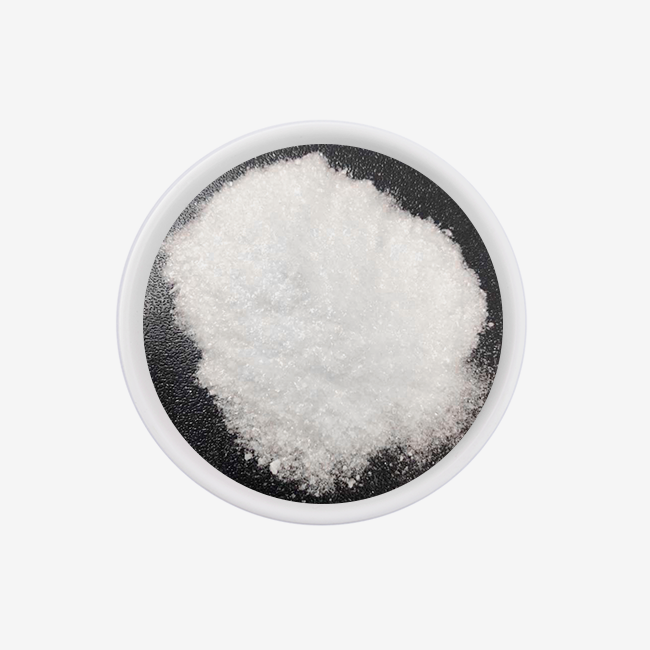 VIEW MOREFresh-Keeping Sodium Acetate Anhydrous
 VIEW MOREPrinting & Dyeing Sodium Acetate Anhydrous
 VIEW MOREPharmaceutical Intermediate Sodium Acetate Anhydrous