



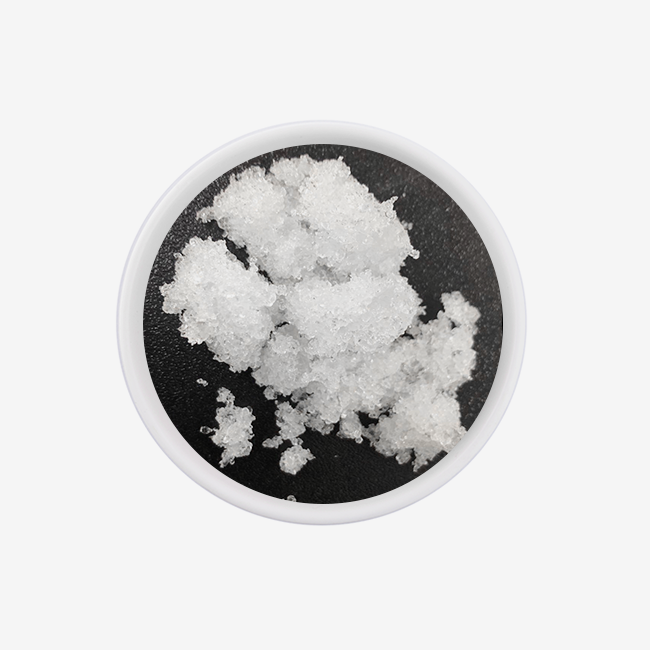
Carbon Source Sodium Acetate Trihydrate
CAS NO.: 6131-90-4
Molecular Formula: CH3COONa·3H2O
Molecular Weight: 136.08
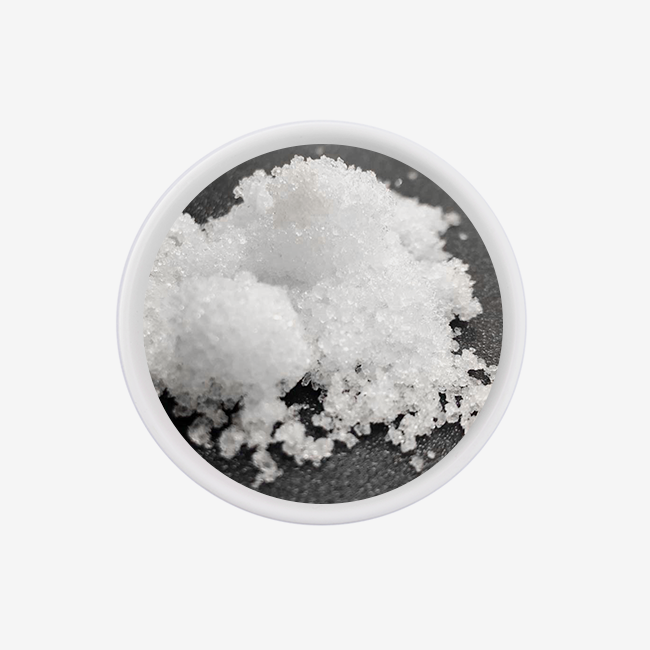
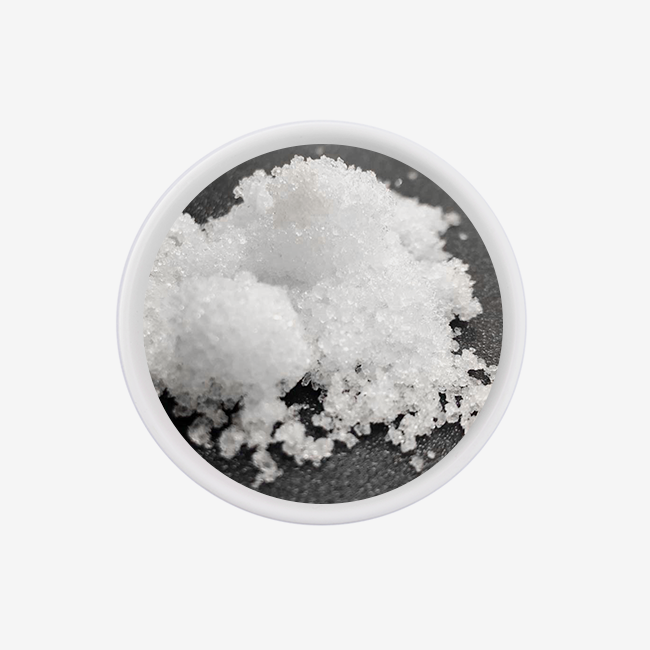
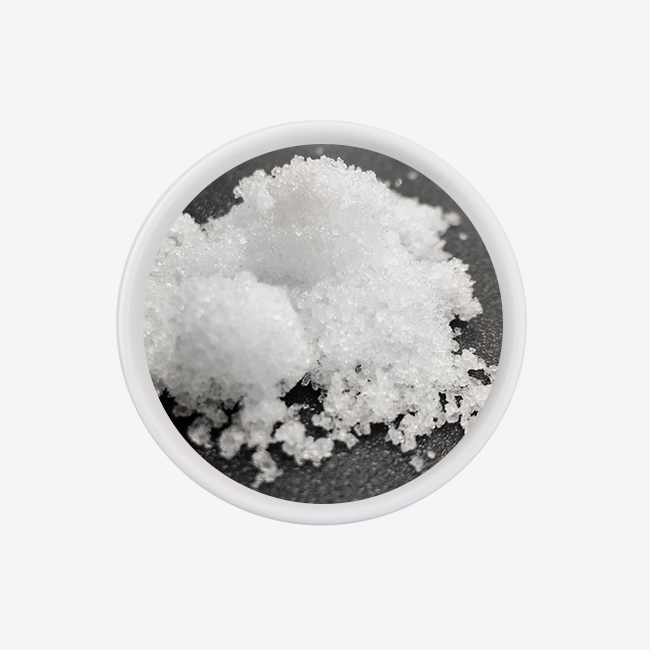
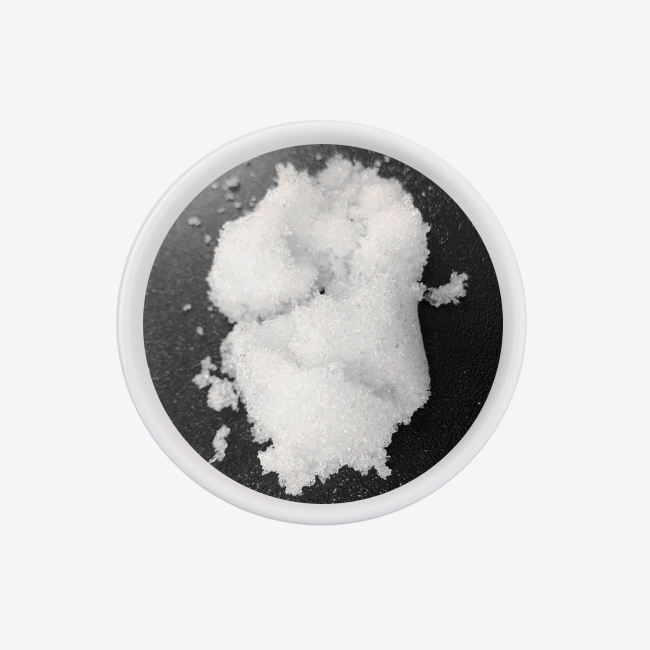
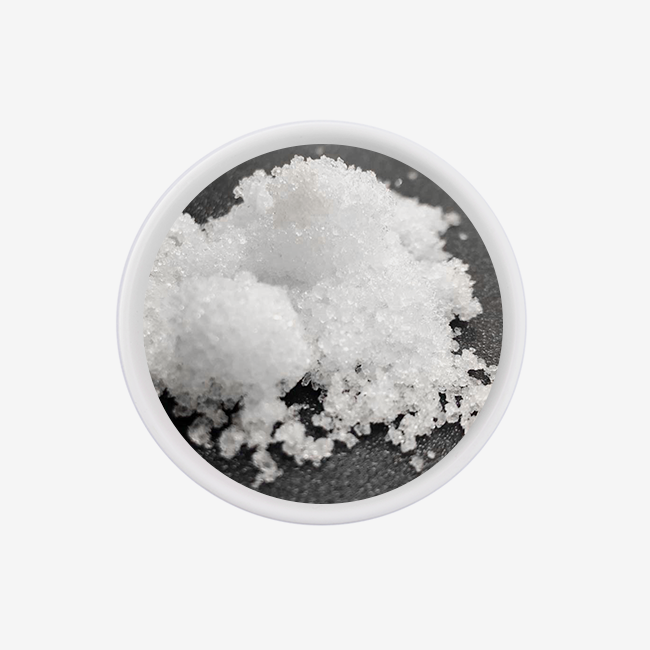
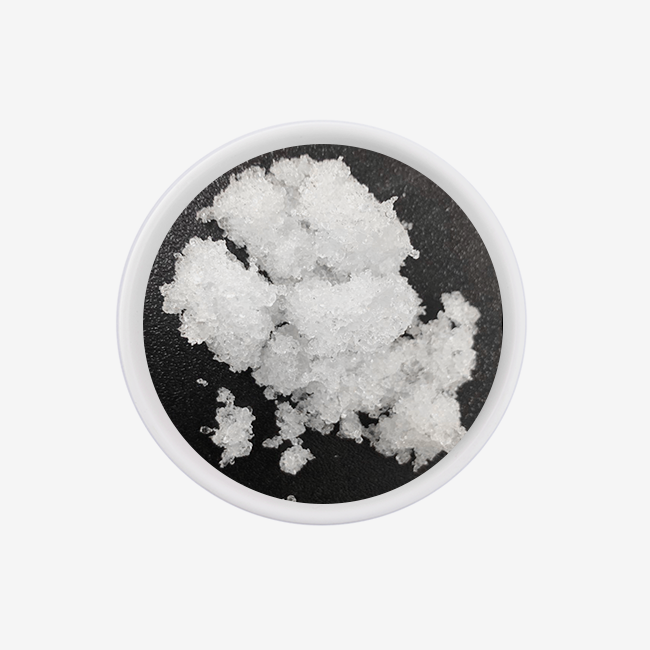
Character: Colorless crystal, it is soluble in water and alcohol and lightly soluble in acetic acid; specific gravity:1.45; melting point: 58℃.
Usage:It should be stored in a dry and ventilative warehouse, kept away from heat and moisture during transportation, unloaded with care so as to avoid damage. Furthermore, it must be stored separately from poisonous substances.
Package: 25kg plastic woven bag or 1000kg Ton-bag
Storage: It should be stored in a dry and ventilative warehouse, kept away from heat and moisture during transportation, unloaded with care so as to avoid damage. Furthermore, it must be stored separately from poisonous substances.
- Product Description
Carbon Source Sodium Acetate Trihydrate: Professional Wastewater Treatment Solution
SHANXI ZHAOYI CHEMICAL CO., LTD specializes in manufacturing Carbon Source Sodium Acetate Trihydrate (CH3COONa·3H2O, CAS: 6131-90-4) with a proven annual production capacity of 150,000 tons since 1988. Our tech-grade formulation delivers 58-60% sodium acetate content with iron impurities controlled at ≤0.0002%, ensuring optimal biological denitrification performance.
With a molecular weight of 136.08 and specific gravity of 1.45, this colorless crystalline compound provides readily biodegradable COD substrate for heterotrophic bacteria. Our 27,000 m² manufacturing base guarantees consistent quality for municipal and industrial effluent treatment, addressing C/N imbalance challenges while eliminating safety hazards associated with methanol alternatives.
Key Features & Benefits
You pick up prompt denitrification reaction when utilizing our item. The small-molecule natural corrosive salt bypasses complex hydrolysis stages, advertising take-up energy 3-4 times speedier than glucose in anoxic conditions.
Your office dodges slime bulking issues common with carbohydrate-based carbon sources. Our detailing anticipates filamentous microscopic organisms abundance, keeping up sound biomass structure all through your treatment process.
You dispose of explosion-proof gear necessities. Not at all like methanol, our non-hazardous equation diminishes capital venture and operational security concerns at your plant.
Your pH steadiness moves forward normally. The item gives inborn alkalinity amid denitrification, minimizing caustic pop supplementation needs and decreasing operational costs.
You accomplish reliable add up to nitrogen compliance. Our tech-grade immaculateness controls chloride, press, and other inhibitory substances that seem harm microbial communities in your organic reactors.
Technical Specifications
Parameter | Specification |
Content (CH3COONa) | 58-60% |
Free Acid | ≤0.03% |
Water Insoluble | ≤0.04% |
Chloride (Cl) | ≤0.04% |
Iron (Fe) | ≤0.0002% |
Molecular Formula | CH3COONa·3H2O |
Molecular Weight | 136.08 |
CAS Number | 6131-90-4 |
Physical Form | Colorless Crystal |
Specific Gravity | 1.45 |
Melting Point | 58℃ |
Solubility | Soluble in water and alcohol |
How It Works?
Your denitrifying bacteria utilize acetate ions as electron donors during the anoxic reduction process. When nitrate (NO3-) enters the anoxic zone, heterotrophic microorganisms oxidize the acetate while reducing nitrate to nitrogen gas.
The reaction proceeds rapidly because acetate is a volatile fatty acid that cells absorb directly through membrane transport. You don't wait for enzymatic breakdown like with polymeric carbon sources.
Your system maintains stable pH throughout denitrification. As bacteria consume acetate, the hydrolysis releases hydroxide ions that neutralize acidity produced during nitrification upstream.
The Carbon Source Sodium Acetate Trihydrate form dissolves quickly in your dosing system. You achieve homogeneous distribution throughout reactor volumes, ensuring all microbial zones receive adequate carbon substrate for complete nitrogen removal.
Our Factory
30-YEAR ACETATE SPECIALIST | Non-caking, High Purity, Global Supply Chain


Applications
Civil Wastewater Treatment Plants advantage from our item when influent BOD5:N proportions drop underneath 4:1. You supplement carbon lack in natural supplement expulsion frameworks to meet rigid TN release limits.
Industrial Gushing Treatment offices in printing, coloring, pharmaceutical, and chemical segments utilize our arrangement. Your high-nitrogen wastewater streams accomplish compliance through improved organic denitrification capacity.
Constructed Wetlands require outside carbon supplementation for cold-weather execution. You keep up nitrogen evacuation proficiency when common natural matter decay moderates amid winter months.
Upgrading Ventures at existing plants consolidate our item. Your office meets fixed natural benchmarks without major framework extension by optimizing existing anoxic volume utilization.
Shock Stack Administration gets to be sensible with immediate-response carbon sources. You handle sudden nitrogen spikes from mechanical releases or storm occasions without profluent quality trips.


Carbon Source Sodium Acetate Trihydrate vs Other Products
Feature | Our Sodium Acetate | Methanol | Glucose | Starch |
Safety Classification | Non-hazardous | Flammable/Toxic | Non-hazardous | Non-hazardous |
Reaction Speed | Fast (3-4x glucose) | Very Fast | Slow | Very Slow |
Sludge Bulking Risk | None | Low | High | Moderate |
pH Buffering | Provides alkalinity | Acidic | Neutral | Neutral |
Hydrolysis Required | No | No | No | Yes |
Storage Requirements | Standard warehouse | Explosion-proof | Standard warehouse | Standard warehouse |
Dosing Equipment | Standard pump | Explosion-proof | Standard pump | Heating required |
COD Contribution | Predictable | Predictable | Variable | Variable |
Certifications & Compliance
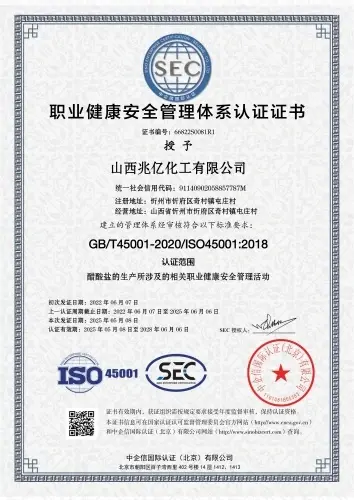
Our fabricating office works beneath ISO quality administration frameworks, guaranteeing batch-to-batch consistency for your basic treatment forms. We keep up Legitimate and HALAL certifications for applications requiring devout dietary compliance.
You get items made concurring to strict natural assurance benchmarks. Our generation base executes comprehensive quality control at each organize, from crude fabric assessment to last item confirmation.



Packaging Options
25kg Plastic Woven Bags provide convenient handling for smaller facilities. You benefit from easy manual dosing and flexible storage in limited warehouse space.
1000kg Ton-Bags optimize logistics for high-volume users. Your facility reduces packaging waste and streamlines bulk material handling with forklift-compatible packaging.
Both options feature moisture-resistant construction. You maintain product integrity during storage and prevent caking caused by humidity exposure.
Packing

Manufacturing Process
Our generation starts with high-purity acidic corrosive neutralization utilizing pharmaceutical-grade sodium hydroxide. You get items fabricated from virgin crude materials, not mechanical by-products containing obscure contaminants.
The crystallization handle controls molecule measure dissemination for ideal disintegration rates. Your dosing frameworks accomplish reliable execution without clogging or stratification issues in capacity tanks.
We execute multi-stage filtration to expel chloride, press, and natural pollutions. Your natural frameworks maintain a strategic distance from poisonous quality dangers that compromise microbial wellbeing and treatment performance.
Final item experiences thorough testing over all detail parameters. You get certificates of investigation with each shipment, guaranteeing traceability and quality confirmation for your administrative prerequisites.
Shipment


Why Choose Us?
35+ A long time Fabricating Involvement since 1988 gives you certainty in supply unwavering quality. We've weathered showcase cycles and reliably conveyed quality items through changing natural regulations.
150,000 Tons Yearly Capacity guarantees your orders dispatch on plan. You never confront generation delays that may jeopardize your plant's compliance status amid basic periods.
27,000 m² Generation Base gives economies of scale. You advantage from competitive estimating without relinquishing the quality benchmarks your treatment forms demand.
Global Conveyance Organize ranges China, Europe, America, and Asia. Your worldwide ventures get to the same demonstrated detailing notwithstanding of location.
Technical Bolster Group helps with dose calculations and investigating. You get more than fair product—you pick up a accomplice contributed in your treatment success.
Customer-Centric Reasoning prioritizes your long-term fulfillment. We construct connections based on judgment, quality consistency, and responsive benefit that bolsters your operational needs.


FAQ
Q: How does this product compare to Methanol and Glucose?
A: Unlike Methanol, our product is non-hazardous and non-explosive, eliminating explosion-proof dosing facility requirements. Compared to Glucose, it prevents sludge bulking from filamentous bacteria and delivers reaction rates 3-4 times faster in anoxic conditions.
Q: How do I calculate the dosage for my system?
A: Dosage calculations typically use C/N ratio targets of 4:1 to 6:1 based on product COD value. The formula is: Dosage (kg) = (Target TN - Current TN) × Flow Rate × Factor / Product COD. We recommend pilot testing to determine your site-specific empirical factor.
Q: Can we use industrial by-product Sodium Acetate instead?
A: Using unrefined by-products risks microbial toxicity. They often contain high chlorides, fluorides, or toxic organics that poison biomass. Our Carbon Source grade ensures impurity levels remain within safe biological system limits.
Q: What is the storage shelf-life and best condition?
A: You get 1-2 years shelf-life under proper conditions. As a hydrate, the product may effloresce or cake in high humidity. Store in cool environments below 30°C in dry, well-ventilated warehouses away from direct sunlight.
Q: Why does pH matter for a Carbon Source?
A: Denitrification consumes alkalinity during nitrate reduction. The product naturally provides alkalinity through hydroxide ion generation, stabilizing reactor pH. Acidic alternatives require additional caustic soda supplementation, increasing operational costs.
Q: What happens if we overdose the product?
A: Excessive carbon increases effluent COD and may stimulate undesirable microbial populations. You should adjust dosing based on real-time TN monitoring and maintain C/N ratios within recommended ranges for optimal nitrogen removal efficiency.
Q: Is the product compatible with enhanced biological phosphorus removal?
A: Yes, acetate is a preferred volatile fatty acid for phosphorus-accumulating organisms. Your EBPR systems may actually improve performance when using our product compared to non-VFA carbon sources.
Request a Quote
Ready to optimize your denitrification performance with Carbon Source Sodium Acetate Trihydrate? Contact us at sxzy@sxzhaoyi.com for technical specifications, pricing, and delivery schedules tailored to your facility's requirements.

USER EVALUATE
Here is the customer's evaluation of us
YOU MAY LIKE
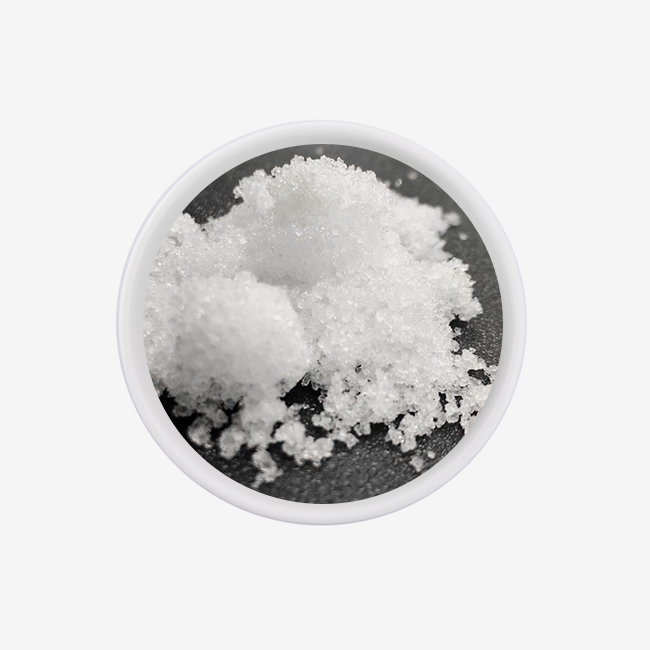 VIEW MOREBeverage Sodium Acetate Trihydrate
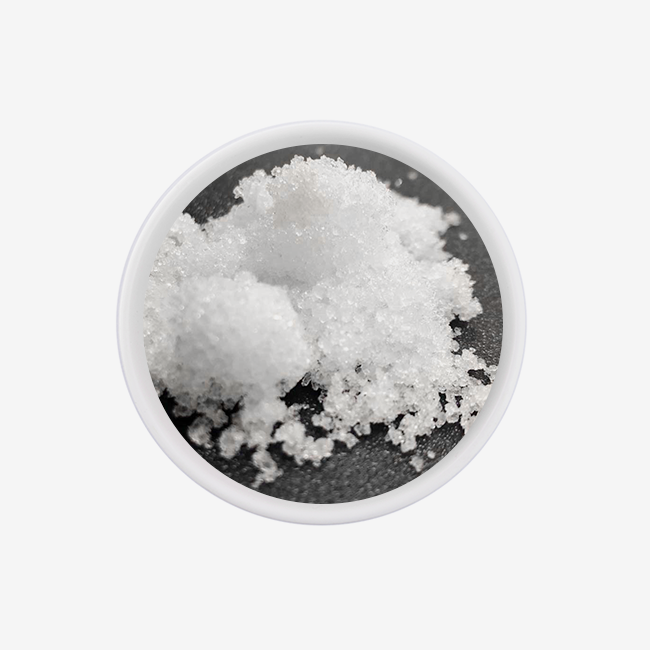 VIEW MOREDairy Product Sodium Acetate Trihydrate
 VIEW MORECondiment Sodium Acetate Trihydrate
 VIEW MOREFood-Grade Sodium Acetate Trihydrate
 VIEW MOREFresh-Keeping Sodium Acetate Trihydrate
 VIEW MOREInjection Sodium Acetate Trihydrate
 VIEW MOREBread Sodium Acetate Trihydrate
 VIEW MORECatalytic Sodium Acetate Trihydrate