



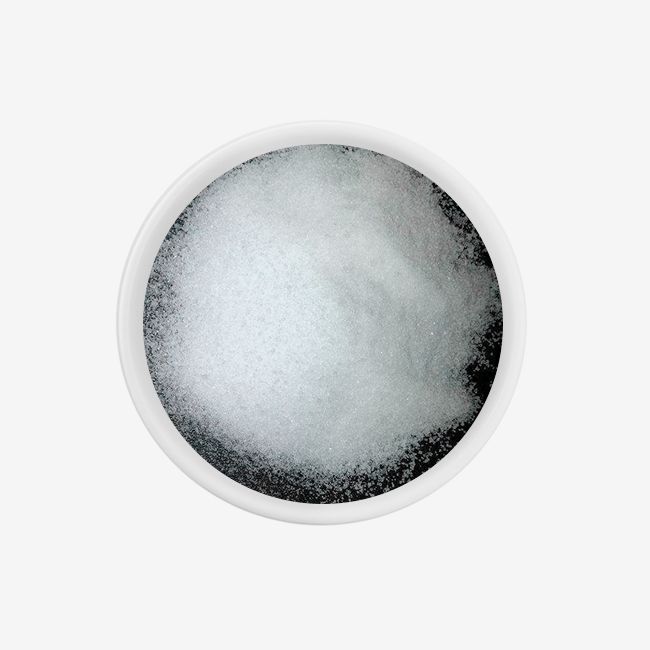
Feed pH Adjustment Sodium Diacetate
CAS NO.: 126-96-5
Molecular Formula: C4H7NaO4
Molecular Weight: 142.09
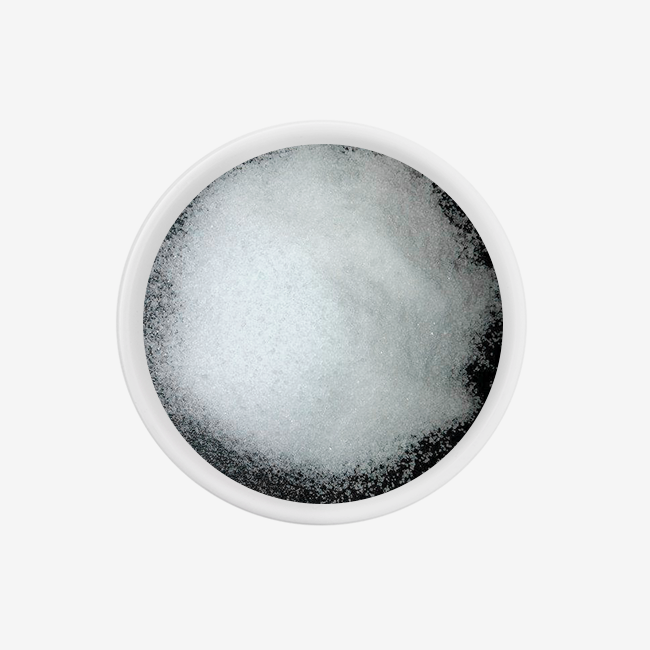
Character: White crystal powder.
Usage: Sodium diacetate has the features of high efficient antiseptic, retain freshness and nutritive value improving function. It is widely used in feed and food industry. In industrial field it is used homogenization agent, mordant and acidulant and PH modifier.
Package: 25kg plastic woven bag or 1000kg Ton-bag
Storage: It should be stored in a dry and ventilative warehouse, kept away from heat and moisture during transportation, unloaded with care so as to avoid damage. Furthermore, it must be stored separately from poisonous substances.
- Product Description
Feed pH Adjustment Sodium Diacetate – Premium Feed Additive for Gut Health & Preservation
SHANXI ZHAOYI CHEMICAL CO., LTD brings you enterprise-grade Feed pH Adjustment Sodium Diacetate manufactured since 1988 with proven quality control. Our product contains precisely controlled acetic acid content of 38.0–41.0% and sodium acetate content of 57.0–60.0%, ensuring optimal buffering capacity at pH 4.5–5.0. With an annual production capacity of 150,000 tons across our 27,000 m² facility, we deliver consistent quality backed by ISO, KOSHER, and HALAL certifications. Our formula maintains heavy metal levels below 0.001% (Pb) and arsenic below 0.0003%, meeting stringent international feed-grade standards for safer animal nutrition.
Key Features & Benefits
Your feed formulation deserves a reliable pH modifier that goes beyond basic acidification. Our sodium diacetate offers dual-action performance combining antimicrobial protection with digestive optimization.
Unlike liquid acids that corrode equipment, this solid-state complex protects your mixing machinery while delivering superior gut health benefits. The 39.0–41.0% free acetic acid content releases gradually in the digestive tract, targeting harmful bacteria without overwhelming beneficial microflora.
You'll notice improved feed palatability, especially in swine diets where the mild vinegar aroma stimulates appetite. The buffering capacity (pKa 4.75) maintains stable pH conditions throughout digestion, enhancing nutrient absorption efficiency.
This white crystalline powder integrates seamlessly into existing feed formulations. Its non-hygroscopic handling characteristics simplify storage and reduce waste compared to liquid alternatives.
Technical Specifications
Parameter | Specification |
Appearance | White crystal powder |
CAS Number | 126-96-5 |
Molecular Formula | C₄H₇NaO₄ |
Molecular Weight | 142.09 g/mol |
Acetic Acid Content | 38.0–41.0% |
Sodium Acetate Content | 57.0–60.0% |
Moisture | ≤3% |
Heavy Metal (as Pb) | ≤0.001% |
Arsenic (As) | ≤0.0003% |
pH (10% solution) | 4.5–5.0 |
Formic Acid & Oxidizable Substances | ≤0.2% |
Water Solubility | 119g/100ml at 20°C |
Decomposition Temperature | >150°C |
How It Works?
The mechanism behind this additive centers on controlled acid release throughout the digestive system. When you add it to feed, the compound remains stable during mixing and storage due to its solid crystalline structure.
Once ingested, the buffering system activates. In the stomach's low pH environment, it stabilizes gastric acidity without causing sharp fluctuations that stress young animals.
As digestion progresses to the small intestine, free acetic acid dissociates gradually. This creates an unfavorable environment for pathogenic bacteria like E. coli and Salmonella while preserving beneficial lactobacilli populations.
The sodium acetate component provides additional buffering capacity. It absorbs excess hydrogen ions during fermentation processes in the hindgut, preventing acidosis in high-energy diets.
This dual-phase action explains why you'll observe both immediate palatability improvements and long-term health benefits. The antimicrobial effect extends to stored feed, inhibiting mold growth for 2–3 times longer shelf life.
Our Factory
30-YEAR ACETATE SPECIALIST | Non-caking, High Purity, Global Supply Chain


Applications
Swine Nutrition
You can incorporate 0.2–0.5% into nursery pig diets to combat post-weaning diarrhea. The vinegar note enhances feed acceptance during the critical transition period.
Poultry Feed
Broiler and layer rations benefit from 0.1–0.3% inclusion rates. It reduces bacterial load in the crop and gizzard, improving feed conversion ratios by 3–5%.
Aquaculture
Shrimp and fish feeds utilize 0.15–0.25% dosages. The product controls Vibrio species in water-stable pellets without leaching during submersion.
Ruminant Supplements
Calf starters and high-concentrate dairy rations use 0.1–0.2% to prevent ruminal acidosis. It stabilizes rumen pH during grain adaptation.
Feed Preservation
For stored grains and finished feeds with <13% moisture, apply 0.1–0.2% to inhibit mold growth. Higher moisture products may require up to 0.5% for effective preservation.
Pet Food Manufacturing
Premium dog and cat foods include 0.05–0.15% as a natural preservative alternative to synthetic chemicals, appealing to health-conscious consumers.


Feed pH Adjustment Sodium Diacetate vs Other Products
Feature | Our Sodium Diacetate | Calcium Propionate | Liquid Formic Acid | Citric Acid |
pH Buffering | Excellent (pKa 4.75) | Weak | None | Moderate |
Antimicrobial Spectrum | Broad (bacteria + mold) | Mold only | Bacteria focused | Limited |
Equipment Corrosion | Non-corrosive | Non-corrosive | Highly corrosive | Mildly corrosive |
Handling Safety | Solid/safe | Solid/safe | Hazardous liquid | Solid/safe |
Palatability Impact | Positive (swine) | Neutral | Negative | Sour/negative |
Cost Efficiency | High | Moderate | Low (+ equipment wear) | Moderate |
Storage Stability | 24 months | 18 months | 12 months (if sealed) | 24 months |
Certifications & Compliance
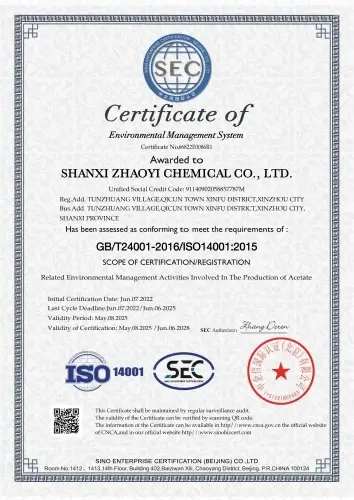
Our manufacturing facility maintains ISO 9001:2015 quality management certification for the production of Feed pH Adjustment Sodium Diacetate, ensuring consistent batch-to-batch reliability. Every production run of the product undergoes third-party testing for heavy metal content and microbiological safety.
The product holds KOSHER certification for clients serving markets with religious dietary requirements. HALAL certification extends our reach to Middle Eastern and Southeast Asian customers.
We comply with FCC VII specifications adapted for feed-grade applications. Our formulation meets EU Regulation 1831/2003 for feed additives and US FDA guidelines for Generally Recognized As Safe (GRAS) substances.
All shipments include Certificates of Analysis documenting compliance with your specified parameters. We maintain full traceability from raw material sourcing through final packaging.




Packaging Options
Standard Bags
25kg multi-wall kraft paper sacks with fixed polyethylene liners ensure against dampness entrance. Each pack highlights bunch numbering for traceability.
Bulk Packaging
1000kg enormous packs suit high-volume nourish plants. These highlight four-loop lifting plans and release gushes for proficient handling.
Custom Solutions
You can ask altered bundling for particular climates or capacity conditions. We offer dampness obstruction packs for tropical locales and fortified structures for amplified transit.
All bundling materials comply with food-contact directions. Internal liners anticipate defilement and protect item astuteness amid 24-month rack life.
Packing

Manufacturing Process
Our generation starts with pharmaceutical-grade acidic corrosive and sodium carbonate. We source materials solely from certified providers with full quality documentation.
The response happens in jacketed stainless steel reactors beneath controlled temperature (45–55°C) and pH checking. This accuracy guarantees the target 38.0–41.0% acidic corrosive proportion without group variation.
Crystallization takes after in cooling tanks outlined for uniform molecule estimate dispersion. You get reliable 40–80 work powder that mixes effectively without isolation in bolster mixers.
After centrifugation and washing, the item experiences fluid-bed drying to accomplish <3% moisture content. Automated moisture analyzers reject any batch exceeding specifications.
Final screening removes oversized particles before metal detection and packaging. Our quality control laboratory tests every 5-ton batch for all specification parameters before release.
The entire process operates under GMP conditions with HACCP protocols. We maintain environmental controls preventing cross-contamination between product grades.
Shipment


Why Choose Us?
37 A long time of Fabricating Excellence
Since 1988, we've refined our acetic acid derivation generation forms. You advantage from decades of investigating involvement and persistent improvement.
Unmatched Generation Scale
Our 150,000-ton yearly capacity guarantees steady supply indeed amid crest regular request. You'll never confront allotment deficiencies or deferred shipments.
Technical Bolster Team
Our nourish sustenance pros give definition direction. We offer assistance you optimize incorporation rates for your particular creature species and generation goals.
Global Dispersion Network
With set up coordinations to Europe, Americas, and Asia, we convey dependably around the world. Our send out documentation group handles all traditions necessities efficiently.
Competitive Pricing
Vertical integration from crude materials to wrapped up item dispenses with broker costs. You get factory-direct estimating without compromising quality.
Customer-Centric Philosophy
We see each arrange as the starting of a organization. Our responsive benefit group addresses specialized questions inside 24 hours.


FAQ
Q: How does the item contrast from Calcium Propionate?
A: Whereas Calcium Propionate targets as it were shape, our item conveys double action—both pH buffering and broad-spectrum antimicrobial action against gram-negative microscopic organisms. You get comprehensive intestine wellbeing enhancement, not fair preservation.
Q: Is the item destructive to blending equipment?
A: Completely not. Not at all like fluid acids, this strong complex won't harm gentle steel blenders or transports. You'll decrease hardware upkeep costs significantly.
Q: Will the scent influence creature nourish intake?
A: For pigs, the mellow vinegar smell really progresses agreeability and fortifies utilization. In poultry, keep dose underneath 0.3% to dodge refusal, or consider micro-encapsulated forms for delicate birds.
Q: What measurement anticipates shape in put away feed?
A: For nourish with dampness underneath 13%, utilize 0.1–0.2%. If you're putting away higher-moisture grains, increment to 0.5% for viable preservation.
Q: How ought to I store it to avoid caking?
A: Keep up distribution center conditions underneath 25°C with relative mugginess beneath 60%. Stack beds single-high to maintain a strategic distance from pressure-induced compaction. Fixed polyethylene pack liners give extra security.
Q: Can I use it in organic-certified feeds?
A: Check with your organic certifier, as regulations vary by region. Many programs allow acetates as natural preservatives, but approval depends on your specific certification body.
Q: Does it interact with vitamins or enzymes?
A: No adverse interactions occur with standard feed ingredients. The mild acidity actually enhances mineral bioavailability, particularly for calcium and phosphorus.
Request a Quote
Ready to enhance your feed quality with proven Feed pH Adjustment Sodium Diacetate? Contact our team for customized pricing, technical data sheets, and sample requests today.
Email: sxzy@sxzhaoyi.com

USER EVALUATE
Here is the customer's evaluation of us
YOU MAY LIKE
 VIEW MOREMetal Bridge Snow Melting Agent
 VIEW MOREFood-Grade Sodium Diacetate
 VIEW MOREFresh-Keeping Sodium Diacetate
 VIEW MOREPreservative Sodium Diacetate
 VIEW MOREFeed-Grade Sodium Diacetate
 VIEW MOREFeed Preservative Sodium Diacetate
 VIEW MOREFeed Fresh-Keeping Sodium Diacetate
 VIEW MOREPrinting & Dyeing Solid Potassium Formate