



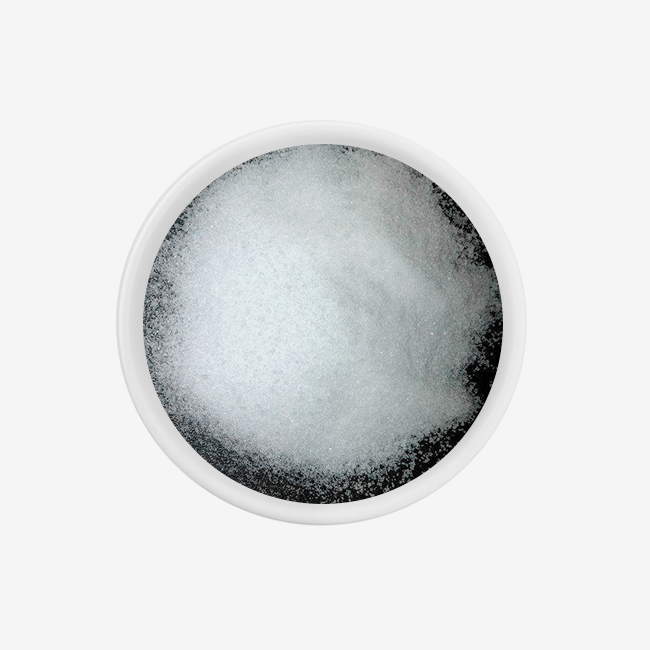
Fresh-Keeping Sodium Diacetate
CAS NO.: 126-96-5
Molecular Formula: C4H7NaO4
Molecular Weight: 142.09
Character: White crystal powder.
Usage: Sodium diacetate has the features of high efficient antiseptic, retain freshness and nutritive value improving function. It is widely used in feed and food industry. In industrial field it is used homogenization agent, mordant and acidulant and PH modifier.
Package: 25kg plastic woven bag or 1000kg Ton-bag
Storage: It should be stored in a dry and ventilative warehouse, kept away from heat and moisture during transportation, unloaded with care so as to avoid damage. Furthermore, it must be stored separately from poisonous substances.
- Product Description
Fresh-Keeping Sodium Diacetate: Advanced Preservation Solution from Shanxi Zhaoyi Chemical
SHANXI ZHAOYI CHEMICAL CO., LTD brings you enterprise-grade Fresh-Keeping Sodium Diacetate manufactured at our 27,000 m² production facility. Since 1988, we've perfected this molecular complex featuring a precise 1:1 molar ratio of sodium acetate and acetic acid.
Our production capacity reaches 150,000 tons annually, ensuring consistent supply for global markets. This food-grade preservative achieves 39.0-41.0% acetic acid content and delivers moisture retention rates 15% higher than standard alternatives. With advanced anti-caking technology keeping agglomeration below 5%, you get superior handling throughout storage and application. ISO, KOSHER, and HALAL certified.
Key Features & Benefits
You'll unravel basic conservation challenges with our specialized equation. The crystalline structure discharges free acidic corrosive in watery situations, entering bacterial cell layers to disturb intracellular pH adjust effectively.
Core Advantages:
· Eliminates rope spores in pastry kitchen items without vinegar odor
· Extends fresh-keeping periods by 2-3 times over nourishment categories
· Non-corrosive to blending hardware, diminishing upkeep costs
· Provides clean-label elective to cruel chemical preservatives
· Enhances agreeability whereas keeping up antimicrobial effectiveness
Our definition handles the "rope problem" in pastry kitchen operations and gives basic Listeria control in ready-to-eat meats. You get broader antimicrobial range scope compared to conventional calcium propionate.
Technical Specifications
Parameter | Food Grade Standard |
Acetic Acid Content | 39.0-41.0% |
Sodium Acetate Content | 58.0-60.0% |
Moisture | ≤2% |
Heavy Metal (as Pb) | ≤0.001% |
Arsenic (As) | ≤0.0003% |
pH Value | 4.5-5.0 |
Formic Acid & Oxidizable Substances | ≤0.2% |
Molecular Formula | C4H7NaO4 |
Molecular Weight | 142.09 |
CAS Number | 126-96-5 |
Appearance | White Crystal Powder |
How It Works?
The component works through controlled fermentation at the cellular level. When you include this compound to your detailing, it dissociates in moisture-containing environments.
Free acidic corrosive particles enter microbial cell dividers effectively. Once interior, they disturb enzymatic action and metabolic forms. This double activity targets both microscopic organisms and shape simultaneously.
The sodium acetic acid derivation component stabilizes pH levels whereas the acidic corrosive gives antimicrobial assurance. You accomplish conservation without compromising taste profiles. The crystalline structure guarantees progressive discharge, keeping up viability all through capacity periods.
Our Factory
30-YEAR ACETATE SPECIALIST | Non-caking, High Purity, Global Supply Chain


Applications
Pastry kitchen Industry:
Add 0.1-0.3% to bread, cakes, and baked goods. You'll avoid rope arrangement and shape development whereas keeping up delicate surface and new aroma.
Meat Processing:
Incorporate 0.2-0.4% in ready-to-eat meats, wieners, and shop items. This gives your security boundary against Listeria monocytogenes in cold-chain distribution.
Feed Manufacturing:
· Livestock bolster: 0.1-0.3% for freshness retention
· Aquatic nourish: 0.2-0.4% for high-humidity environments
· Pet nourishment: 0.1-0.2% keeping up palatability
· Silage conservation: 0.3-0.5% restraining shape growth
Beverage & Condiments:
Functions as acidulant and pH modifier in sauces, dressings, and flavored drinks.
Cheese & Dairy:
Prevents decay whereas serving as drain fat union antecedent in dairy cattle.


Fresh-Keeping Sodium Diacetate vs Other Products
Feature | Our Sodium Diacetate | Calcium Propionate | Liquid Acetic Acid | Potassium Sorbate |
Antimicrobial Spectrum | Bacteria + Mold | Primarily Mold | Bacteria + Mold | Mold |
Taste Impact | Neutral/Enhanced | Bitter at High Dose | Strong Pungent Odor | Neutral |
Equipment Corrosion | Non-corrosive | Non-corrosive | Highly Corrosive | Non-corrosive |
Moisture Retention | Excellent (+15%) | Poor | None | Poor |
Handling Ease | Free-flowing Powder | Powder | Liquid (Hazardous) | Powder |
Clean Label Friendly | Yes | Moderate | No | Yes |
Agglomeration Rate | <5% | Variable | N/A | Variable |
Certifications & Compliance
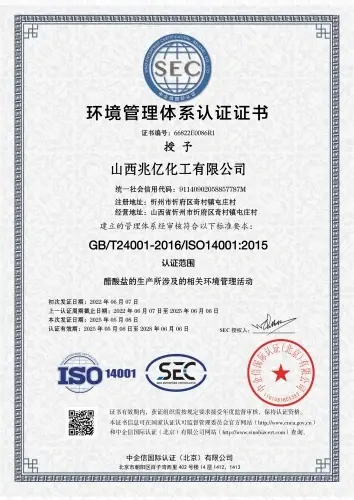
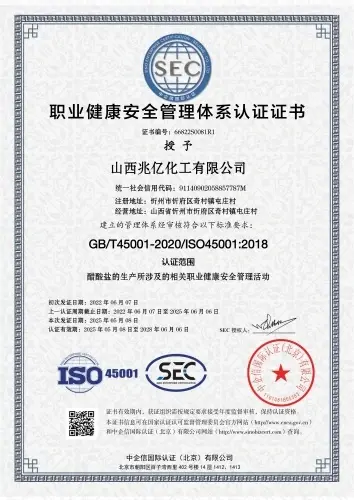
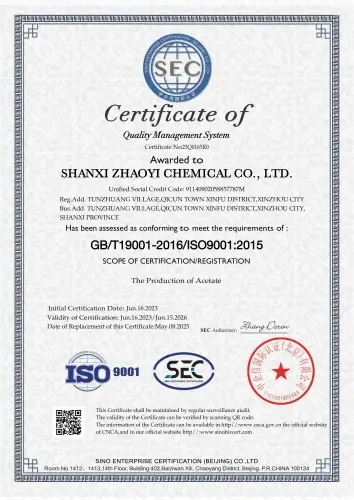
Our manufacturing facility maintains rigorous quality standards for Fresh-Keeping Sodium Diacetate verified through international certifications. We hold ISO quality management certification ensuring consistent production protocols.
KOSHER and HALAL certifications enable you to serve diverse market requirements globally. All products comply with GB 2760 Chinese Food Additive Standards and align with E262ii European regulations.
We conduct heavy metal testing, arsenic analysis, and microbiological screening on every production batch. Complete documentation packages support your regulatory submissions and customer audits.


Packaging Options
Standard Packaging:
25kg plastic woven bags with inner polyethylene liner for moisture protection and easy handling in medium-scale operations.
Bulk Packaging:
1000kg ton bags designed for high-volume manufacturers, reducing packaging waste and streamlining logistics.
All packages feature clear labeling with batch numbers, production dates, and specification data. We ensure proper sealing to maintain product integrity during international shipping.
Custom packaging solutions available upon request to match your specific storage and dispensing systems.
Packing

Manufacturing Process
Our generation leverages 35+ a long time of acetic acid derivation chemistry mastery. The handle starts with pharmaceutical-grade crude materials sourced through confirmed suppliers.
Controlled crystallization innovation makes the exact 1:1 molar complex. Progressed anti-caking treatment happens amid the drying stage, accomplishing our signature sub-5% agglomeration rate.
Multi-stage quality checkpoints screen acidic corrosive proportions, dampness levels, and overwhelming metal substance. Robotized screening evacuates curiously large particles, guaranteeing reliable powder stream characteristics.
Final items experience soundness testing mimicking different capacity conditions. This ensures you get materials that perform dependably over assorted climatic zones from our 27,000 m² office.
Shipment


Why Choose Us?
Fabricating Heritage:
Since 1988, we've specialized only in acetic acid derivation chemistry. You advantage from three decades of handle refinement and application knowledge.
Scale & Reliability:
Our 150,000-ton yearly capacity guarantees continuous supply chains. We keep up vital stock buffers for just-in-time conveyance requirements.
Global Reach:
Products dispatch to Europe, America, and Asia routinely. Our send out documentation group rearranges universal obtainment processes.
Technical Support:
We give personalized dose suggestions based on your particular nourish sorts, dampness substance, and capacity conditions. Small-scale testing direction accessible some time recently full generation implementation.
Customer-Centric Approach:
Integrity-based benefit logic implies straightforward communication and responsive problem-solving. We see organizations as long-term collaborative relationships.
Innovation Commitment:
Continuous R&D speculation keeps our definitions at industry cutting edge, tending to rising conservation challenges in nourishment security.


FAQ
Q: How does this product compare to Calcium Propionate in feed applications?
A: You get broader antimicrobial coverage targeting both bacteria and mold. It functions as a palatable acidifier, while propionate often creates bitter notes at effective dosages.
Q: Will it corrode my mixing equipment?
A: No. The crystalline structure is non-corrosive to mild steel and stainless steel equipment, unlike liquid organic acids that increase maintenance costs.
Q: Does it affect milk composition in dairy cattle?
A: Yes, positively. The acetate provides precursors for fatty acid synthesis in the udder, often increasing milk fat percentages naturally.
Q: What dosage prevents mold in humid conditions?
A: Standard preventative use: 0.1-0.2% (1-2kg/ton). For high-moisture feeds or therapeutic applications, increase to 0.3-0.5% based on risk assessment.
Q: Is there a withdrawal period for meat or milk?
A: No withdrawal needed. The product metabolizes completely into carbon dioxide and water through natural Krebs cycle processes, leaving zero tissue residues.
Q: How long does preservation last after application?
A: You'll typically achieve 2-3 times longer shelf life compared to untreated products, varying with storage conditions and base product characteristics.
Request a Quote
Ready to enhance your preservation strategy with Fresh-Keeping Sodium Diacetate? Contact our technical sales team for customized formulation guidance and competitive pricing on bulk orders. Email: sxzy@sxzhaoyi.com

USER EVALUATE
Here is the customer's evaluation of us
YOU MAY LIKE
 VIEW MORECosmetic Sodium Acetate Trihydrate
 VIEW MOREFood-Grade Sodium Diacetate
 VIEW MOREPreservative Sodium Diacetate
 VIEW MOREFeed-Grade Sodium Diacetate
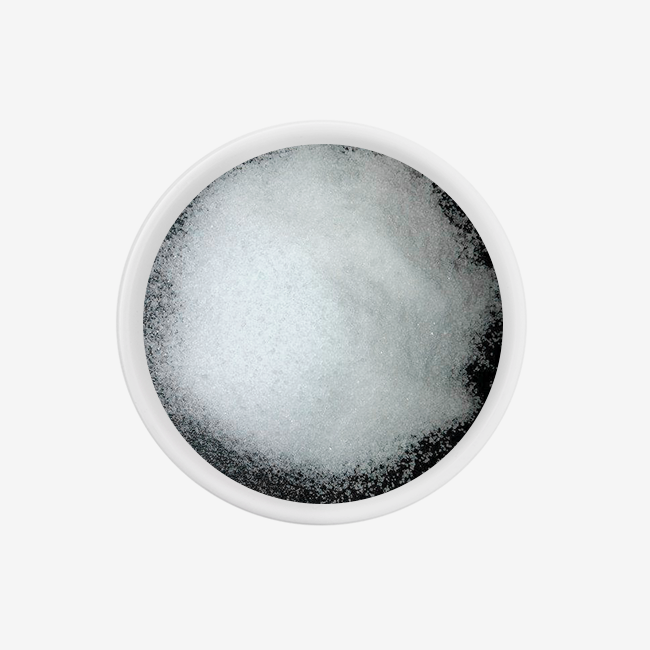 VIEW MOREFeed Preservative Sodium Diacetate
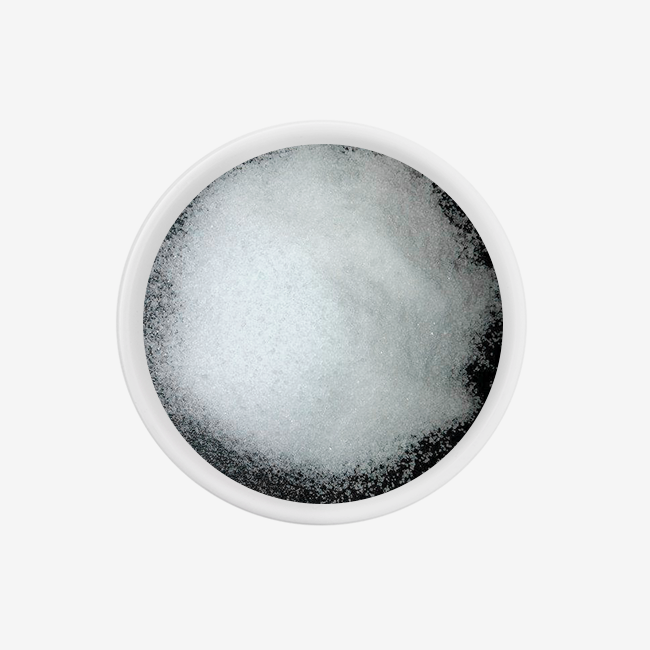 VIEW MOREFeed Fresh-Keeping Sodium Diacetate
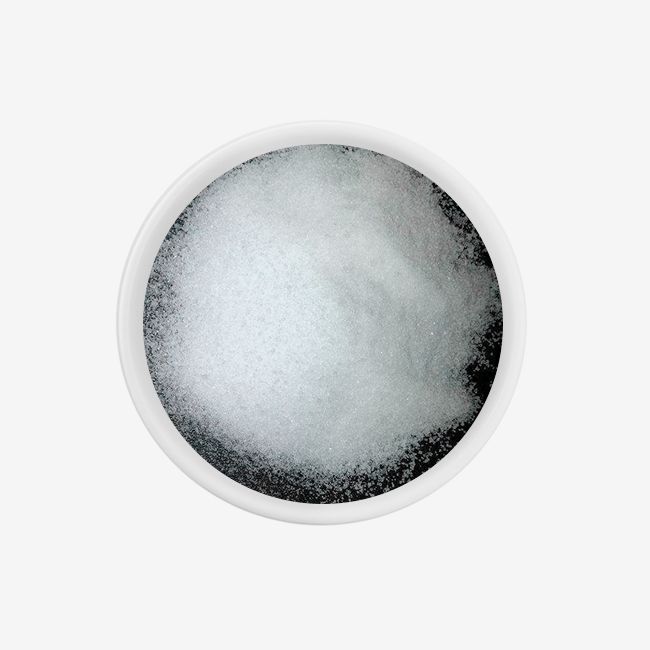 VIEW MOREFeed pH Adjustment Sodium Diacetate
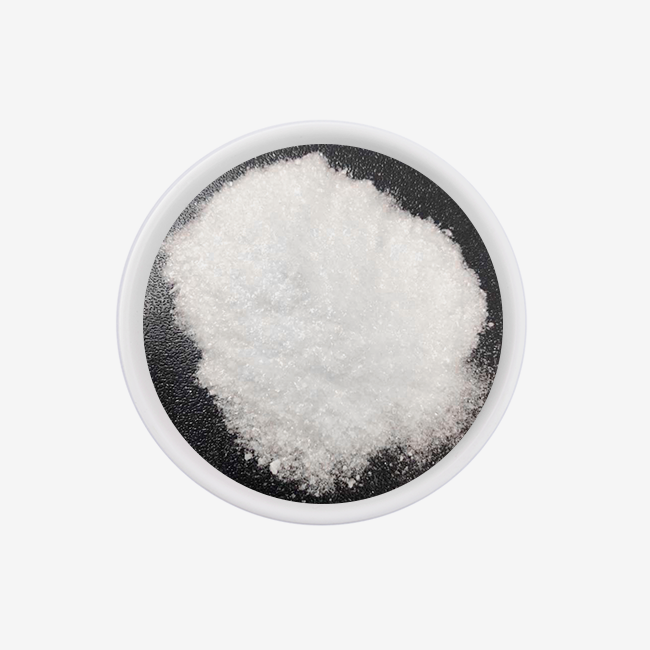 VIEW MOREFresh-Keeping Sodium Acetate Anhydrous