



Application of series of acetate products for deicing of airport runway
Airport runway de-icing systems must meet stringent civil aviation standards for snow-melting efficiency, anti-re icing performance, corrosion resistance, and environmental compliance, which directly determine flight safety and facility longevity. The following four core products precisely address all runway de-icing scenarios, with detailed specifications as follows:
1. Solid potassium acetate (industrial grade ≥99%)
Core function: Long-term de-icing and anti-icing for airport runways and taxiways, rapidly breaking down ice crystal structures, significantly lowering freezing points, preventing surface refreezing, and ensuring the runway friction coefficient meets flight safety standards.
Product Advantages: Chlorine-free and low-corrosion, with a corrosion rate of only 1/10 that of chlorides on carbon steel and concrete, causing no damage to runway reinforcement bars or aircraft components; effective even at extreme low temperatures down to-50°C; excellent flowability with minimal caking, ensuring convenient storage and transportation.
Application method: Proactively apply 30-50g/m² before snowfall, and 50-120g/m² for de-icing on frozen roads. Spread uniformly with machinery, with emphasis on covering the runway approach area.
Common issues: High hygroscopicity requires sealed and dry storage; excessive application increases runway cleaning costs, necessitating strict dosage control.
2. Liquid Potassium Acetate (Industrial Grade 50%-60%)
Core function: The primary solution for airport emergency and preventive de-icing, it rapidly melts ice and snow while forming a protective film on the runway surface to prevent ice adhesion, enabling efficient operations during flight intervals.
Product Advantages: The original solution can be directly sprayed, ensuring high operational efficiency; it remains non-crystalline at-30°C without affecting the friction coefficient of the runway, complying with civil aviation safety regulations; it is fully biodegradable and poses no harm to surrounding water bodies or vegetation.
Application method: Apply 20-40g/m² for preventive spraying 1-2 hours before snowfall, and 40-80g/m² for emergency de-icing. The dedicated airport sprayer will perform uniform spraying, completing de-icing within 10 minutes.
Common issues: Insulation of the tank is required during extreme low temperatures to prevent viscosity increase that may affect spraying efficacy; the product should be used promptly after opening to avoid moisture absorption and dilution.
3. Liquid potassium formate (industrial grade ≥75%)
Core function: A specialized de-icing solution for airports in high-latitude, harshly cold regions, maintaining high-efficiency snow-melting performance even under extreme low temperatures, while providing corrosion protection for runway metal structures and aviation equipment.
Product Advantages: Freezing point as low as-60°C, achieving superior ice-melting performance in ultra-low temperature environments compared to conventional products; high density with low viscosity, enabling rapid penetration into ice and snow layers and ensuring long-lasting anti-reicing efficacy; biodegradable and eco-friendly.
Usage: Direct spray of the original solution in extreme low-temperature environments. The preventive dosage is 30-50g/m², while the emergency de-icing dosage is 60-100g/m². It can be combined with potassium acetate to balance efficacy and cost.
Common issues: The cost is higher than potassium acetate, and it is primarily used in extreme low-temperature scenarios; it requires sealed storage to prevent moisture absorption, which may reduce the efficacy of active ingredients.
4. Environmentally Friendly Chlorine-Free Deicing Agent (Freezing Point: -15°C to-60°C)
Core function: A universal de-icing solution for all airport areas, compatible with runways, taxiways, aprons, and terminal perimeter roads, delivering effective de-icing while meeting low-corrosion and eco-friendly standards across all scenarios.
Product Advantages: Completely chlorine-free, non-corrosive to aircraft aluminum alloy components and runway concrete; rapid ice-melting with prolonged anti-re icing effect; odorless, biodegradable, and environmentally friendly for both personnel and ecosystems.
Usage: The conventional snow-melting dosage is 40-100g/m², applied by mechanical spreading or diluted spraying. It can be combined with potassium acetate or potassium formate to enhance performance under extreme low-temperature conditions.
Common questions: Different models have significant variations in freezing point and should be selected according to local temperature; mixing with chlorinated salt products is strictly prohibited to avoid weakening the anti-corrosion effect.
5.Industry Use Cases
At an international airport where winter temperatures plummet to-45°C, the original use of chlorinated salt de-icing agents caused severe corrosion on runways and aircraft components, resulting in annual maintenance costs exceeding €2 million. After switching to a blended solution of 75% potassium formate and 60% potassium acetate, the airport achieved complete runway de-icing within 15 minutes between flights. The friction coefficient of the runways consistently meets aviation standards, with a 12% increase in annual flight punctuality rate, over 90% reduction in equipment corrosion, and a 35% decrease in comprehensive annual operational costs.

USER EVALUATE
Here is the customer's evaluation of us
YOU MAY LIKE
 VIEW MORECondiment Sodium Acetate Trihydrate
 VIEW MOREChemical Fiber Sodium Acetate Trihydrate
 VIEW MOREFeed Preservative Sodium Diacetate
 VIEW MOREAgricultural Liquid Potassium Formate
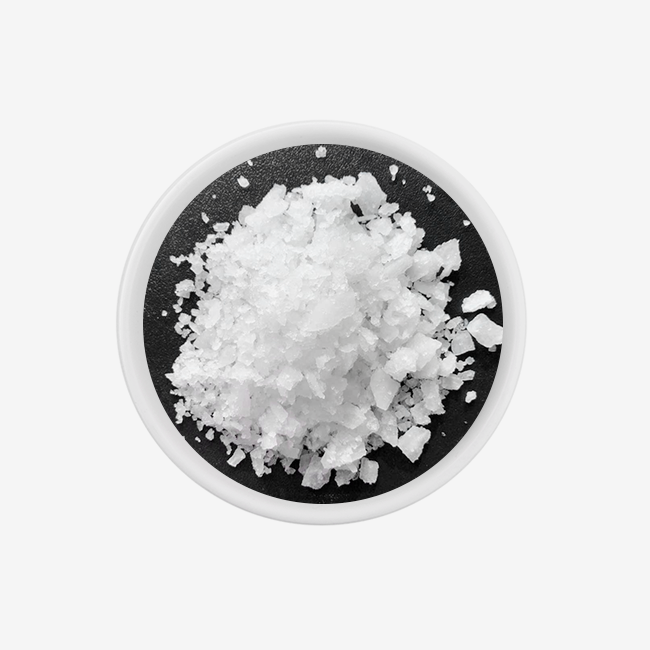 VIEW MORESnow Melting Solid Potassium Formate
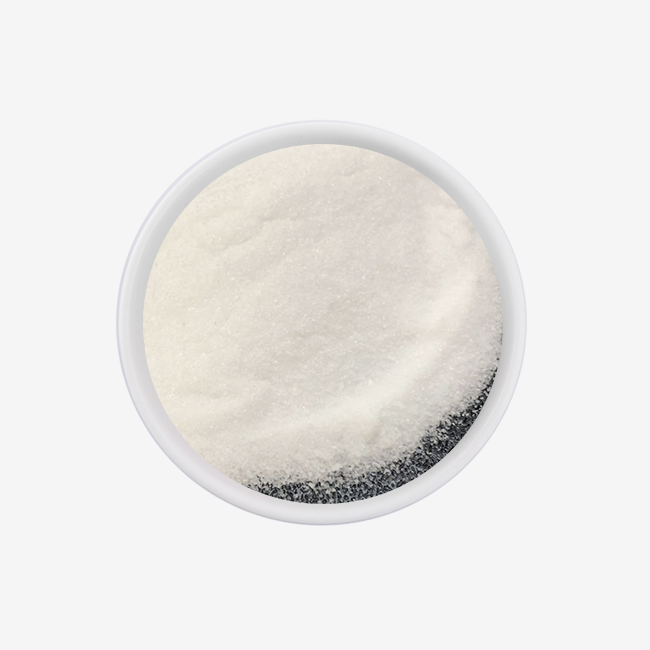 VIEW MOREPharmaceutical Intermediate Solid Potassium Acetate
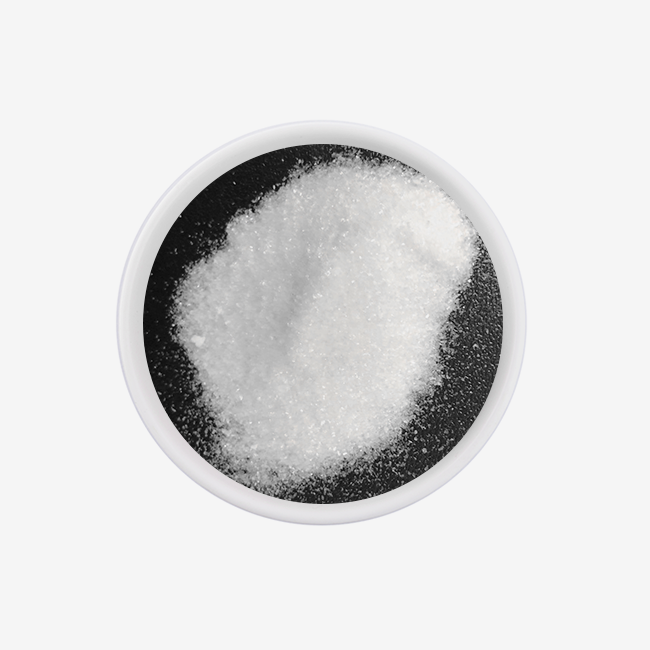 VIEW MOREpH Adjustment Sodium Acetate Anhydrous
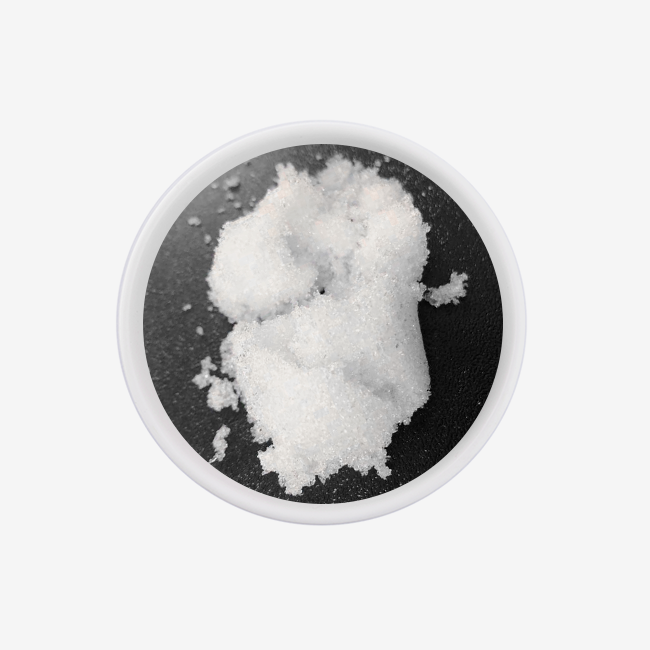 VIEW MOREPharmaceutical Intermediate Sodium Acetate Trihydrate