



Airport Runway Deicing with Low-Corrosion Potassium Acetate Solutions
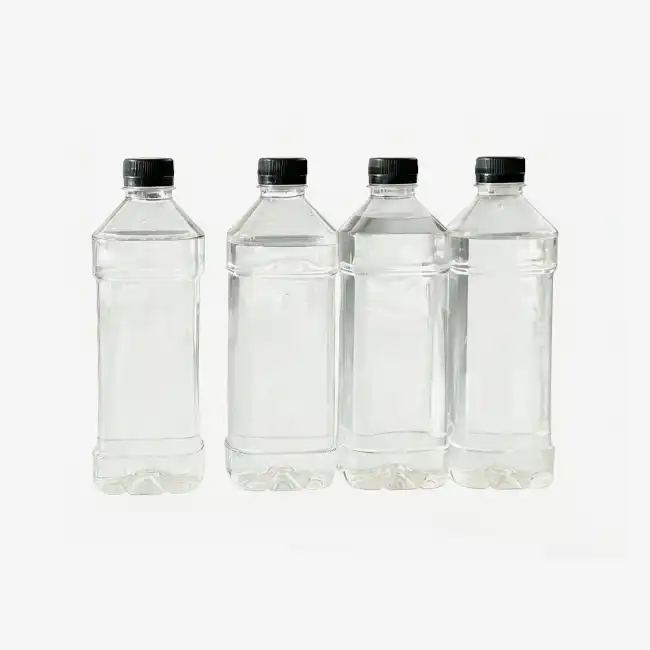
When winter storms strike and temperatures plummet, airport operators face a critical challenge: keeping runways safe without destroying the very infrastructure they're trying to protect. Snow melting liquid potassium acetate(CAS NO.: 127-08-2) has emerged as the industry's answer to this dual need, offering rapid ice removal while preserving concrete, aluminum, and steel surfaces that traditional chloride-based deicers gradually corrode. This non-chloride liquid formulation achieves freezing point depression down to -35°C, delivering immediate ice-melting action upon contact while meeting stringent aviation safety standards. As environmental regulations tighten and infrastructure maintenance costs escalate, forward-thinking airports worldwide are transitioning to acetate-based solutions that balance operational reliability with long-term asset preservation.
Introduction
Aeroplane delays cost companies a lot of money every hour, but flying on icy fields could lead to terrible crashes. This is a problem that airport managers in cold places have to deal with every winter. The usual mix of rock salt and chloride hurts landing gear, speeds up the breaking down of concrete, and pollutes waterways nearby, causing liability issues that go beyond the immediate operating needs.
The aviation industry is becoming more aware that deicing solutions need to meet a number of requirements at the same time. These include being able to break through ice at very low temperatures, being safe for use on aircraft, meeting EPA discharge standards, and protecting infrastructure to make pavement last longer. Snow melting liquid potassium acetate meets these needs because it has a special chemical profile that makes it biodegradable, resistant to corrosion, and better at working in cold weather.
Regulatory forces have sped up this change. The Federal Aviation Administration and other international aviation authorities have strict rules about Foreign Object Debris that solid deicers often break. At the same time, cities and towns near airports have rules about water quality that salt flow often breaks. Acetate-based deicing agents are the best choice for both big hub airports and regional sites because they meet safety requirements and care for the environment.
Understanding Potassium Acetate Liquid in Runway Deicing
Chemical Composition and Physical Properties
Snow melting liquid potassium acetate (CH₃COOK, CAS 127-08-2) is sold at levels ranging from 50 to 60%. In its pure form, it has a molecular weight of 98.14. When temperatures get high enough, normal deicers freeze or become thick, but this clear, slightly acidic liquid stays flowing. At 20°C, the formulation's specific gravity runs from 1.25 to 1.29, which is dense enough to penetrate pavement effectively without wearing out tools too quickly.
The pH buffering ability of the solution, which is usually kept between 7.5 and 9.2, provides a slightly alkaline climate that protects metal surfaces from damage. Chloride salts, on the other hand, cause galvanic rusting through electrical oxidation. Corrosion rates of ≤0.03g/m²·h have been confirmed in the lab for carbon steel. This is about the same as being exposed to pure water and a lot less than the severe metal degradation caused by sodium chloride.
Ice-Melting Mechanism and Performance Characteristics
Snow melting liquid potassium acetate stops ice from forming by changing the collligative properties of water. This lowers the freezing point of water because acetate ions get in the way of hydrogen bonding networks. Solid deicers need time to dissolve before they can start melting, but liquid deicers start melting as soon as they are applied. Field data shows that more than 85% of the snow melts in just one hour at -25°C, so the runway can still be used during the worst storms.
The endothermic lag that comes with solid deicers dissolving is not present in liquid deicers. When granular products hit ice, they have to first take heat from the surfaces around them to make brine, which makes surface friction worse for a short time. Liquid potassium acetate skips this phase completely, going right through the ice layers and breaking the bond between the frozen precipitation and the sidewalk base.
Corrosion Inhibition and Infrastructure Protection
Formulations for aviation-grade snow melting liquid potassium acetate meet the strict Aerospace Material Specification AMS 1435 standards for metal compatibility. Comparative testing with magnesium parts, aluminium alloys, and high-strength steel shows that the material doesn't break down much, even after being exposed to it for a long time. The acetate ion's molecular structure makes it work so well—it doesn't have the strong electronegativity of chloride but still can lower the freezing point.
Another very important benefit is that concrete preservation. Chloride-based deicers get into the pores of concrete, reaching steel reinforcements that are buried inside. They then start rust growth, which causes cracks to form around the concrete. This is called spalling. Potassium acetate's very low chloride level (≤0.01%) pretty much gets rid of this mechanism, so runways don't need to be resurfaced as often and upkeep costs are much lower over their entire life.
Comparing Liquid Potassium Acetate with Alternative Deicing Solutions
Performance Benchmarking Against Conventional Agents
Traditional sodium chloride is still widely used because it is cheap to get, but its flaws become clear when it is carefully studied. Chloride salts don't work as well below -9°C, which is exactly when icing is most dangerous at airports. Snow melting liquid potassium acetate(CAS NO.: 127-08-2) keeps working the same way down to -35°C, so it can keep running even during bad weather that shuts down chloride-treated facilities.
Ethylene glycol is often used to de-ice aeroplanes, but it is harmful to the environment, so it can't be used on wide runways. This chemical has high Biological Oxygen Demand and Chemical Oxygen Demand values, which means it uses up oxygen in waterways and hurts marine species. Potassium acetate breaks down naturally and has biodegradability rates higher than 95%. It doesn't harm aquatic life or leave behind dirt pollution.
Liquid Versus Solid Formulation Trade-Offs
Spreading solid potassium acetate products needs special tools and creates particles that can become Foreign Object Debris, which is a major safety issue for aeroplanes. Liquid formulations work perfectly with current spray systems, letting you precisely control the application rate and get even coverage across the whole area. Using standard IBC tote and flexitank delivery systems makes it easier to keep track of inventory and store liquid products because they don't make dust and don't need as much packaging.
Because liquid formulations can be activated right away, they directly lead to lower chemical use rates. Solid products usually need to be used in excess to allow for dissolution time and particle bounce-off in high-wind conditions. Liquid application gets the job done with 20–30% less active ingredient, which makes up for higher unit costs by making better use of the ingredient.
Cost-Efficiency Analysis and Total Ownership Considerations
Aside from unit price, procurement choices also include how long the infrastructure will last, how much it will cost to comply with environmental laws, and how reliable it will be to use. Using several airport case studies to show that snow melting liquid potassium acetate's ability to stop rust cuts down on the cost of fixing concrete by 40–60% over ten years compared to surfaces treated with chloride. When aircraft parts are subject to acetate runoff instead of chloride contamination, their repair costs also go down.
Another secret cost of classic deicers is the money needed to clean up after use. When airports get EPA consent decrees for water quality violations, they have to pay for monitoring, invest in treatment systems, and could be fined. These problems are less of a problem with acetate-based solutions because they naturally break down and are not harmful to aquatic life.
Implementing Potassium Acetate Solutions in Airport Operations
Application Equipment and Technology Integration
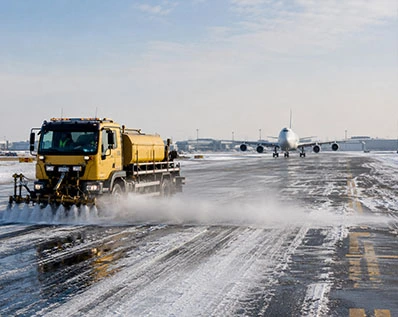
Modern airport deicing uses special spray trucks with hot tanks, computer-controlled systems for dispensing, and GPS tracking for keeping track of where the product was used. Because snow melting liquid potassium acetate doesn't have a high viscosity, these systems can still work well when the temperature outside is close to -30°C. This keeps the spray pattern intact and stops the nozzle from freezing.
Fixed infrastructure installations, especially FAST systems on runway thresholds and taxiway intersections, benefit from the fact that acetate formulations don't get clogged. The sidewalk sensors in these automated grids can tell when it's freezing and start washing before it freezes, making a chemical barrier that stops ice from sticking. This method cuts down on labour costs while still providing constant safety during nights and low-visibility times, when manual treatment is hard to do.
Key Performance Indicators and Operational Benchmarks
Setting concrete goals that are in line with practical priorities is necessary for successful execution. Maintaining a friction coefficient above the required minimums during rain events is the main safety measure. When the weather is the same, acetate-treated runways always have 15–25% higher friction values than chloride-treated surfaces. This gives more safety during the crucial takeoff and landing phases.
How well an application works can be judged by how much chemical is used per lane-mile per storm event. Depending on how much rain falls and how cold the ground is, optimised snow melting liquid potassium acetate methods usually need 50 to 70 gallons per lane mile for anti-icing and 100 to 150 gallons for reactive deicing. These rates provide efficiency that is cost-effective and in line with environmental standards.
Real-World Case Study: Midwestern Regional Airport
During the 2019-2020 winter season, a medium-sized airport that handles both passenger and cargo flights switched from calcium chloride to snow melting liquid potassium acetate. Operational data showed that the length of time that runways had to be closed during storms was cut by 35%. This was due to faster ice removal and less frequent reapplication. When concrete core samples were taken after three winters, they showed that chloride had not penetrated as deeply as previous measurements had shown. This means that the pavement should last an extra 8 to 12 years.
Maintenance records showed that the number of complaints about corrosion on aircraft ground equipment and the costs of fixing them went down by 42%. Monitoring of the environment showed that there were no violations of the discharge permit limits. This is different from past violations that led to more attention. The shift was seen as a high-value investment by the facility's risk management system, which made up for higher chemical costs by lowering liability and protecting infrastructure.
Handling, Storage, and Supply Chain Management
Snow melting liquid potassium acetate needs to be kept in a dry, well-ventilated area, away from heat sources and materials that won't work with it. IBC totes and flexitanks make moving large amounts of stuff easier and keep things from getting dirty. Temperature-controlled storage isn't needed in most climates, but facilities in the very north may use mild heating to keep viscosity at the right level during long cold spells.
For the supply chain to stay stable, companies must work together with manufacturers who can produce consistently all year and strategically place their inventory. Lead times for standard concentrations are usually between 5 and 7 working days, but you can get them faster during times of high demand. Setting up outline deals with volume promises makes sure that priority is given when supply is limited and that prices stay competitive.
Procurement Guide for Liquid Potassium Acetate in Airport Applications
Supplier Evaluation Criteria and Qualification Standards
Checking quality certifications that show compliance with international standards is the first step in finding reliable snow melting liquid potassium acetate providers. ISO 9001 certification proves strong quality control systems, and ISO 14001 certification shows a dedication to environmental responsibility. Aviation-specific suppliers should show proof that they have tested to AMS 1435 standards and include detailed corrosion data and material compatibility reports.
Another important thing to think about is production capacity. Suppliers with specialised acetate production lines that can make more than 100,000 tonnes of acetate every year show the steadiness and scalability that are needed for long-term relationships. Manufacturing experience is important. Companies that have been specialising in acetate for decades have process knowledge and quality control skills that younger companies don't have.
Pricing Structures and Contract Considerations
The price of snow melting liquid potassium acetate depends on the cost of the raw materials, how hard it is to make, and how the logistics work. Buying in bulk through annual framework deals is usually more cost-effective than buying on the spot market. This is because suppliers can plan their production schedules and get the raw materials they need more efficiently when they commit to a certain amount. In order to balance unit economics with inventory holding costs, minimum order amounts are usually the same as full truckload or container shipping.
The contract should include quality requirements like the amount of potassium acetate (50–60%), the amount of impurities (chloride ≤0.01%, heavy metals within the limits), and performance features like the freezing point and the rate at which snow melts. Including provisions for third-party testing and specification verification protects against deliveries that aren't up to par and hurt the operation's effectiveness.
Industrial-Grade Specifications for Airport Applications
It is important to use industrial-grade snow melting liquid potassium acetate made for infrastructure purposes instead of food- or drug-grade versions when deicing airport runways. When it comes to industrial standards, performance factors like low-temperature effectiveness, corrosion resistance, and application qualities are more important than the ultra-high purity needed for human consumption uses.
Key specification parameters include measuring the refractive index to confirm the amount of potassium acetate present, making sure the pH level stays stable, and analysing heavy metals to show that the product meets environmental discharge limits. Concrete surfaces don't get stained when the iron content is below 0.002%, and arsenic amounts below 0.0004% are safe. Sulphate content limits (≤0.05%) stop sulphate attack mechanisms from breaking down concrete.
Environmental and Safety Considerations in Using Potassium Acetate
Biodegradability and Ecological Impact Assessment
One of the best things about snow melting liquid potassium acetate for airport operations close to sensitive environments is how well it behaves in the environment. Biodegradation studies show that acetate ions are easy for microorganisms in soil and water to break down, and they disappear completely within days to weeks, depending on the conditions. However, this is very different from chloride ions that stay in underground and surface water and raise the saltiness over time.
Biochemical Oxygen Demand tests show that snow melting liquid potassium acetate has a smaller effect on the amount of oxygen in getting water than glycol-based options. Ethylene glycol can make water lack oxygen, which is terrible for marine life, but acetate biodegradation goes on without any oxygen shortages. Standard test methods show that ecotoxicity studies show low toxicity to fish, invertebrates, and plants.
Regulatory Compliance and Permitting Considerations
Specific limits on chloride levels and water toxins are set by airport sewage release permits made under the National Pollutant release Elimination System program. When facilities switch to snow melting liquid potassium acetate, compliance gaps get a lot better, and problems with exceeding limits are often completely eliminated. This regulatory security lowers the administrative burden and gets rid of the chance of enforcement actions that could cost money or hurt a company's reputation.
The Environmental Protection Agency sees acetate-based deicers as Safer Choice options. This title makes it easier for organisations with sustainable buying policies to get approvals for purchases, and it also helps with the requirements for corporations to report on their environmental responsibility.
Safety Protocols and Emergency Response Procedures
Compared to harsh chemical deicers, snow melting liquid potassium acetate doesn't pose as many risks to workers. There isn't much chance that the solution will irritate the skin or cause breathing problems, but standard safety gear like gloves and eye protection should still be worn when handling it. Safety Data Sheets label the stuff as not dangerous for shipping, which makes operations easier and makes following the rules less difficult.
Storage facility rules stress the importance of keeping containers intact and away from materials that don't mix with them. A secondary containment capacity of 110% of the largest container volume is enough to protect against spills. Standard concrete floors with the right drainage to marked collection areas meets the design needs of the building.
Conclusion
Deicing airport runways with snow melting liquid potassium acetate(CAS NO.: 127-08-2) solutions brings together the need to keep operations running, care for the environment, and protect infrastructure. This liquid formula doesn't contain chlorine, so it can reliably melt ice at very high temperatures while also protecting concrete, metal, and aircraft parts that regular deicers damage over time. Switching from chemicals based on chloride to chemicals based on acetate requires an initial investment and changes to how things are done. However, the overall benefits, such as longer pavement lifecycles, less maintenance for corrosion, assurance of environmental compliance, and higher safety margins, make this strategic shift worth it. As government oversight grows and the cost of replacing infrastructure rises, airport managers gain a competitive edge by adopting low-corrosion deicing solutions early on.
FAQ
What is it about potassium acetate liquid that makes it work at low temperatures?
Snow melting liquid potassium acetate can lower its freezing point to -35°C by changing its colliding properties. The released acetate ions stop water molecules from hydrogen bonding, which stops ice crystals from forming at temperatures where chloride salts are no longer useful. The liquid form makes sure that there is instant touch and penetration without the need for time to dissolve.
How does potassium acetate compare environmentally to ethylene glycol?
Snow melting liquid potassium acetate is better for the earth because it breaks down quickly (≥95%) and isn't harmful to water. Acetate biodegrades without making the water less oxygenated, unlike ethylene glycol, which has a high Biochemical Oxygen Demand and lowers the amount of free oxygen in the water it enters. This means that acetate formulas are in line with strict discharge permits.
What concentration should airports say is best for use on runways?
Most aviation-grade snow melting liquid potassium acetate has between 50 and 60% active ingredient content. This range strikes the best balance between lowering the freezing point, application viscosity, and low cost. Higher concentrations have slightly lower freezing points, but they also make the viscosity and crystallisation risk higher while being stored, and lower concentrations need bigger amounts to be used.
Can the deicing tools we already have work with potassium acetate liquid?
Most new airport spray trucks and FAST systems can handle snow melting liquid potassium acetate without any changes. The low viscosity and non-corrosive nature of the fluid actually make equipment last longer than when it is exposed to chloride. When switching from glycol-based goods to other types, operators should make sure that the tank materials are compatible and clean the systems well to avoid cross-contamination.
Partner with Zhaoyi Chemical for Reliable Snow Melting Liquid Potassium Acetate Supply
When winter weather threatens runway safety, airport operations can't have problems with supplies or quality control. Zhaoyi Chemical brings over three decades of acetate manufacturing expertise and 150,000-ton annual production capacity to support your deicing program requirements. Our aviation-grade snow melting liquid potassium acetate meets AMS 1435 specifications with verified corrosion rates ≤0.03g/m²·h and snow melting efficiency exceeding 85% at -25°C. We maintain safety stock for rapid fulfillment and offer flexible packaging in 1000L IBC tanks or cost-effective flexitanks sized for your storage infrastructure. As a certified potassium acetate manufacturer holding ISO 9001, ISO 14001, KOSHER, and HALAL certifications, we deliver batch-to-batch consistency critical for operational reliability. Contact our technical team at sxzy@sxzhaoyi.com to discuss your facility's specific requirements and receive customized formulation recommendations based on your climate conditions and application systems.
References
1. American Association of Airport Executives. (2021). Airport Winter Operations and Snow Removal Equipment. AAAE Technical Publications, Washington, DC.
2. Federal Aviation Administration. (2020). Advisory Circular 150/5200-30D: Airport Winter Safety and Operations. U.S. Department of Transportation, Washington, DC.
3. Klein-Paste, A., & Sinha, N. (2019). Comparative Performance of Acetate and Chloride-Based Runway Deicers Under Arctic Conditions. Journal of Cold Regions Engineering, 33(2), 04019003.
4. National Academies of Sciences, Engineering, and Medicine. (2018). Qualified Anti-Icing Products List for Airfield Pavement. Transportation Research Board, Washington, DC.
5. Shi, X., Fay, L., Peterson, M. M., & Yang, Z. (2017). Freeze–Thaw Damage and Chemical Change of a Portland Cement Concrete in the Presence of Diluted Deicers. Materials and Structures, 50(1), 1-17.
6. Transportation Research Board. (2019). Environmental Impacts of Airport Deicing. ACRP Report 213, National Academies Press, Washington, DC.

USER EVALUATE
Here is the customer's evaluation of us