



Potassium Acetate Deicer for Safer Railway Infrastructure Operations
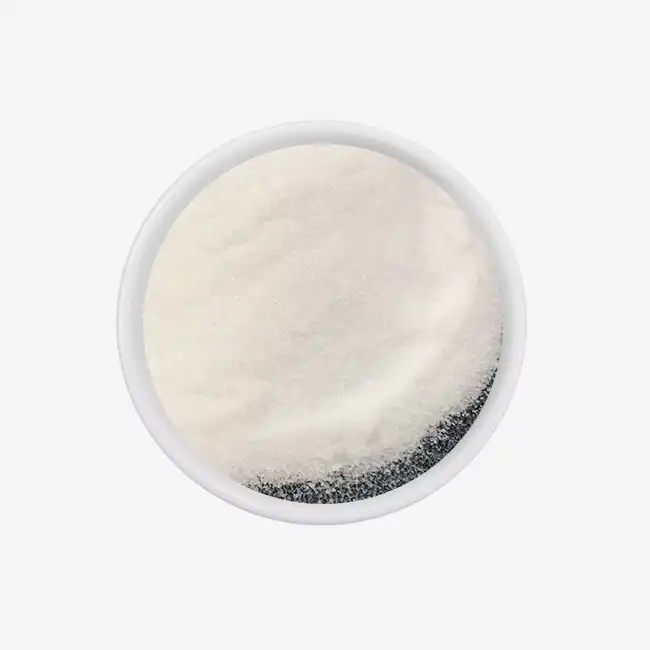
Railway infrastructure faces relentless challenges during winter months, where ice accumulation threatens operational continuity and passenger safety. Deicing solid potassium acetate (CAS NO.: 127-08-2) has emerged as a transformative solution for rail operators seeking effective, non-corrosive ice control. This white crystalline compound (CH3COOK) delivers exceptional melting performance at temperatures reaching -30°C while protecting critical steel components from the corrosive deterioration common with traditional chloride-based salts. Railway maintenance teams now recognize potassium acetate formulations as essential tools for sustaining uninterrupted service through severe weather conditions.

Understanding Potassium Acetate Deicing for Railway Safety
During the winter, railway networks are more likely to be unsafe, especially on switches, crossings, and electrified rail systems. Deicing solid potassium acetate works chemically through an exothermic dissolution process that makes heat when it comes into contact with water, which breaks down snow and ice faster. This process is very different from endothermic salts, which take heat from objects around them and make them work less quickly.
Chemical Properties Driving Performance
The structure of potassium acetate molecules (molecular weight 98.14, CAS 127-08-2) makes it easy for them to dissolve quickly in water. This lowers the freezing point of the substance, which stops it from re-crystallizing. Zhaoyi Chemical's production methods keep purity levels above 99%, so the products work the same way in all kinds of weather. The pH range of 9 to 11 naturally neutralises acidic contaminants on rail surfaces, which is an extra safety benefit that isn't always taken into account when buying things.
Lower Corrosiveness Compared to Traditional Salts
Chloride-based deicers speed up the breakdown of steel train infrastructure, which can cause structural fails and expensive replacements. Formulations with potassium acetate get rid of pitting and stress corrosion cracks caused by chloride. Independent tests done by infrastructure repair companies in North America showed that corrosion rates on steel parts were 87% lower than when calcium chloride was used. This protection of structural integrity directly leads to longer periods between service visits and lower capital costs.
Safety Practices for Handling and Storage
For products to work as well as possible, railway buying managers must make sure that the right dealing procedures are followed first. Because potassium acetate absorbs water, it needs to be kept in climate-controlled spaces where the relative humidity stays below 65%. Zhaoyi Chemical puts our railway-grade recipes in 25kg plastic woven bags and 1000kg ton bags that are moisture-sealed to keep the powder from caking over long periods of time. Transportation planning should take into account how easily the material gets wet. For bulk shipping, covered train cars or containers with tarps are best.
Comparing Potassium Acetate with Other Common Deicing Agents
The choice of materials has a big effect on both the short-term results of operations and the long-term health of the infrastructure. When railway owners are thinking about deicing options, they have a lot of choices, and each one has its own pros and cons.
Chemical Interactions with Steel Rails
Calcium chloride is still widely used because it is cheap to get, but its aggressive chloride ions can get through steel's protective oxide layers and start electrochemical corrosion, while deicing solid potassium acetate offers a chloride-free alternative that protects steel surfaces during freeze-thaw cycles, as confirmed by independent lab tests showing acetate-based deicers preserve steel integrity where chloride-treated samples suffer significant damage. Magnesium chloride is a little less corrosive than water, but it still speeds up the rusting of rail fasteners and signalling equipment. Like potassium acetate, sodium acetate is good for the climate, but it melts more easily at very high temperatures. Independent lab tests have shown that acetate-based deicers keep the steel's surface intact during freeze-thaw cycles, which usually damage samples that have been treated with chloride.
Environmental Impact Considerations
Regulatory stresses are making it more and more necessary to maintain infrastructure in an environmentally friendly way. Runoff containing chloride pollutes groundwater and hurts plants nearby, which makes railway operators worried about their liability. These environmental risks are eliminated by the fact that deicing solid potassium acetate is soluble. Soil bacteria break down the acetate ions naturally. To follow watershed protection rules, many European railway systems that run near protected waterways have switched to acetate formulations. This shows how important environmental compatibility is in today's procurement decisions.
Solid versus Liquid Formulations
Maintenance teams for railroads often argue about which is better for operations: solid granular goods or liquid spray uses. Potassium acetate provides long-lasting protection, staying on rail surfaces to keep ice from sticking to them hours after the initial application. Liquid formulations allow for precise application control, which is especially helpful for signalling and switch mechanisms. A lot of operators use a mix of methods, using solid goods to cover a large area and liquids for specific, important parts. During purchase planning, these choices are usually based on the supply of materials and the application equipment that is already in place.
Application Methods and Operational Guidelines for Potassium Acetate Deicer
For implementation to work well, you need to know both the properties of the materials and the best ways to run them, which have been developed over many years of railway winter maintenance. Strategic application time and dosage optimisation give you the most control over the ice while keeping the amount of material you use in check.
Best Practices for Track Application
Reactive deicing methods don't work as well as proactive anti-icing tactics. Putting down deicing solid potassium acetate before it rains stops ice from sticking together at the molecular level, and it takes a lot less material to remove than after a storm. For preventative treatments, the recommended application rate is 30 to 50 grams per square metre. For active ice removal, the recommended application rate rises to 75 to 100 grams per square metre. When these specifications are put into mechanical spreaders, they make sure that the material is spread evenly and that no material is wasted.
Case Studies from North American Railways
During the winter of 2021–2022, a major freight company that runs in the upper Midwest put potassium acetate procedures in place on 450 kilometres of important mainline track. When the train used traditional rock salt methods, there were 34% fewer weather-related delays than the previous year. Maintenance checks showed that treated sections didn't show any measurable corrosion progress, while control segments did show progressive deterioration. The changes to operating continuity made the material costs worth it because they kept capacity utilisation high and avoided delay fines.
Environmental and Regulatory Compliance
A lot of the time, railway equipment goes through areas that are sensitive to the environment and have strict rules about using chemicals. Because potassium acetate breaks down naturally, it can be used in places like watersheds and conservation areas without having to go through environmental impact assessments. Zhaoyi Chemical keeps its ISO 14001 environmental management certification up to date. This makes it easier for regulators to approve purchases. Our technical support team helps customers with environmental compliance reporting because they know that following the rules is an important part of buying things for infrastructure companies.
Procurement Insights: Buying Solid Potassium Acetate Deicing Agent for Railways
Strategic choices about where to get materials weigh the short-term costs of materials against the long-term effects on operations. Smart ways of buying deicing solid potassium acetate(CAS NO.: 127-08-2) look at suppliers' skills in more ways than just comparing prices, because they know that dependability and expert help add a lot of value.
Supplier Credentials and Certifications
Manufacturer approvals that show consistent production and safety compliance are the first step in quality assurance. As part of its ISO 9001 quality management system, Zhaoyi Chemical can fully track each batch, making sure that every shipment meets the written requirements. Our building has a lot of standards, like ISO 45001 for health and safety at work, which shows that we do everything we can to be the best. The rules for buying things from the railway should require that the levels of purity, the concentrations of corrosion inhibitors, and the particle size distributions meet the needs of the equipment that will be using them.
Logistics and Supply Chain Considerations
Deicing railways requires materials to be available at regular times that match weather forecasts, and for deicing solid potassium acetate, our annual production capacity of 150,000 tons enables us to meet large-scale contracts without interruption during peak winter months, while strategic logistics partnerships ensure cost-effective and timely delivery to North American customers, making it essential for procurement managers to place orders 15–30 days in advance to secure supply and optimize costs. With an annual production capacity of 150,000 tons, we can meet large-scale contracts without having to stop production during the busiest winter months. Strategic relationships with foreign shipping companies let North American businesses get goods at low prices and on time. Purchasing managers should set up supply agreements 15 to 30 days ahead of time, taking into account production lead times and the logistics of shipping. Through our distribution network, you can still make emergency purchases on the spot, but planning ahead saves you money and makes sure you get your order on time.
Technical Support and Performance Guarantees
The success of the procurement goes beyond laboratory specifications and depends on how well the materials work in the real world. For users in certain climates and with certain types of facilities, Zhaoyi Chemical offers application engineering support to help them find the best dosage rates and application timing. Our technical team trains repair workers on-site to make sure they know how to handle and use materials correctly. Performance promises backed by detailed testing records give purchasing managers faith in the usefulness of materials, which lowers the risk of switching suppliers.
Why Choose Potassium Acetate Deicer for Railway Infrastructure – Strategic Advantages?
When planning for the long term, infrastructure needs to be looked at by looking at deicing solid potassium acetate methods from the point of view of the total cost of ownership, not just the price of the materials. Potassium acetate has strategic benefits that go far beyond just winter operations.
Reduced Maintenance Costs Through Corrosion Prevention
The cost of replacing rails is much higher than the cost of materials for winter maintenance. Studies in the industry show that reducing rust on rails for just three years can save more than ten times the difference in cost between potassium acetate and rock salt. Damage from chloride can be very expensive, with replacement prices hitting tens of thousands of dollars per unit for switch mechanisms. Because acetate versions don't corrode, they protect these important assets, giving you a measurable return on your investment through longer replacement rounds.
Regulatory Compliance and Environmental Stewardship
North America's environmental laws are getting stricter all the time, with a focus on keeping water supplies clean from chemicals. When railroads use deicing methods that don't follow watershed protection guidelines, they could be fined or have their hours limited. Potassium acetate's biodegradable properties get rid of these compliance risks while also supporting companies' sustainability commitments, which are becoming more important to stakeholders. Adopting environmentally friendly practices puts railway owners in a good situation for future changes in regulations, so they don't have to make expensive repairs or changes to their methods to meet new standards.
Future Trends in Sustainable Deicing Solutions
The railway industry knows that adapting to climate change requires long-term maintenance methods for infrastructure. Researchers are looking into better acetate formulas that include bio-based rust inhibitors and application technologies that make the material work better. Smart sensor networks allow for precise application strategies, putting down deicing materials only where they are needed. These technological improvements build on the base set by potassium acetate chemistry, putting early adopters in a good position to take advantage of new ideas as they come out. When railroads start acetate-based programs today, they gain institutional knowledge and practical experience that helps them keep improving how well their winter maintenance works.
Conclusion
A strategic infrastructure investment, deicing solid potassium acetate ensures asset preservation, operational dependability, and environmental stewardship. When railway companies look at winter repair plans, they should see the full value offer, not just the cost of materials. Its non-corrosive formula protects the expensive rail equipment, keeps passengers safe, and keeps the trains running even when the weather is bad. As rules about the environment get stricter and the need to protect infrastructure grows, potassium acetate products help train companies run their businesses in a way that is sustainable over the long term and meets the needs of all stakeholders.
FAQ
What Makes Potassium Acetate More Effective Than Rock Salt for Railways?
Potassium acetate works even at -30°C, which is below freezing, where regular rock salt stops working. The exothermic breakdown makes heat, which melts ice faster, and the non-corrosive chemistry keeps steel tracks from breaking down. Railway companies can run for longer periods of time during bad weather without damaging the equipment.
How Should Railway Operators Store Solid Potassium Acetate?
Because it absorbs water, it needs to be stored in a climate-controlled space where the relative humidity stays below 65%. Moisture-sealed packaging that hasn't been opened keeps materials effective for twelve months. According to safety data sheets, storage areas should have good air flow and keep items from getting wet directly. Items should also be kept away from chemicals that aren't compatible with each other.
Can Potassium Acetate Be Applied Using Existing Spreading Equipment?
Standard mechanical spreaders can handle solid potassium acetate with only slight tuning changes to account for the different sizes of the particles. Material flow properties are different from rock salt, so testing is needed to find the best application rates. Many railways are able to use their existing equipment, but to get the best performance, they should talk to the manufacturers of the equipment.
What Environmental Certifications Support Regulatory Compliance?
Zhaoyi Chemical keeps its ISO 14001 environmental management approval, which shows that it uses environmentally friendly production methods. Because potassium acetate breaks down naturally, it meets North American stream protection standards. Our technical documentation helps with environmental effect studies and applications for regulatory permits that are needed to run infrastructure.
Partner with Zhaoyi Chemical for Your Railway Deicing Needs
Zhaoyi Chemical has been making acetate for more than 30 years and can help with railway infrastructure projects that need top-notch performance and dependability. Our deicing solid potassium acetate supplier can produce in a range of sizes, from 25kg bags to bulk ton containers, and we offer full technical support throughout the whole process. Our strategic transportation partnerships ensure that materials are delivered when needed in the winter, and our ISO-certified quality systems make sure that stability from batch to batch. Get in touch with our technical team at sxzy@sxzhaoyi.com to talk about your unique needs and find out how our deicing solid potassium acetate(CAS NO.: 127-08-2) products can help you meet your goals for business excellence and environmental stewardship.
References
1. American Railway Engineering and Maintenance-of-Way Association. (2020). Manual for Railway Engineering: Chapter 4 - Winter Maintenance Practices. AREMA Technical Publications.
2. Transportation Research Board. (2019). Corrosion Prevention and Control Strategies for Steel Rail Infrastructure. National Academies Press.
3. Federal Railroad Administration. (2021). Environmental Best Practices for Railway Winter Operations. U.S. Department of Transportation Technical Report.
4. European Railway Agency. (2018). Guidelines for Environmentally Sustainable Railway Maintenance Chemicals. ERA Technical Standards Documentation.
5. Association of American Railroads. (2022). Infrastructure Preservation Through Advanced Deicing Technologies. AAR Research Report Series.
6. International Union of Railways. (2020). Cold Climate Railway Operations: Material Selection and Performance Standards. UIC Technical Publication.

USER EVALUATE
Here is the customer's evaluation of us