



Using Potassium Acetate Deicer for Large-Scale Snow Removal Projects
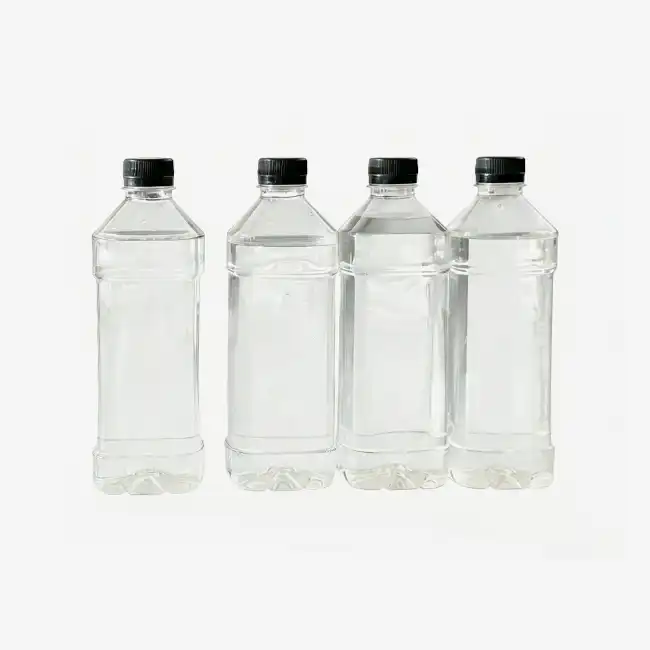
When winter storms threaten critical infrastructure, municipalities and industrial facilities face a pressing challenge: how to keep roads, runways, and bridges safe without compromising environmental standards or structural integrity. Deicing liquid potassium acetate (CAS NO.: 127-08-2) has emerged as a superior solution for large-scale snow removal operations. This colorless, transparent liquid (CAS NO.: 127-08-2, molecular formula CH3COOK) functions as a non-chloride anti-icing agent that remains effective at temperatures plummeting to -60°C (-76°F). Unlike traditional rock salt or urea-based products, this acetate-based formulation prevents ice bonding to pavement surfaces while protecting sensitive infrastructure from corrosion damage.
Understanding Potassium Acetate Deicing Liquid and Its Core Properties
Getting rid of a lot of snow requires solutions that work reliably in harsh conditions. The science behind deicing liquid potassium acetate explains why airports, highway repair companies, and local governments that are in charge of important infrastructure now choose this option over others.
Chemical Composition and Freezing Point Depression
A basic idea in chemistry called "freezing point depression" describes how deicing liquid potassium acetate works. When this solution is put on the road, it changes the chemical structure that lets water freeze into ice crystals. The eutectic point is much lower for the 50–60% concentration version than for competing goods. This chemical interference stops the ice from sticking to the ground, which makes mechanical removal much more effective. At 20°C, the specific gravity of the liquid is between 1.25 and 1.30, which means it can easily get through layers of snow. Because of its high density, the solution can go under ice forms instead of sitting on top of them, which greatly speeds up the freezing process. Its molecular weight of 98.14 makes it stable even when temperatures change, which can happen during winter storms.
Environmental Profile and Biodegradability
Being good to the environment is now a must when making purchases. Deicing liquid potassium acetate solves this problem because it breaks down quickly in living things without creating harmful nitrogen chemicals. The Biological Oxygen Demand (BOD) is still much lower than options based on urea, which keeps aquatic areas near treated roads safe. Deicing liquid potassium acetate breaks down into harmless byproducts when waste gets into rivers. This is very different from chloride salts, which build up in groundwater and dirt and hurt the environment for a long time. The buffered pH range of 7.5–9.2 keeps the soil from becoming too acidic, so this solution can be used even in areas around airports and bridges that are sensitive to the environment.
Infrastructure Protection Through Corrosion Resistance
Infrastructure owners lose millions of dollars every year because corrosion forces them to replace equipment and fix structures too soon. Chloride-based deicers have been used for a long time, but they damage aircraft aluminium alloys, concrete rebar, and bridge steel parts more quickly. This risk is eliminated by deicing liquid potassium acetate's non-corrosive structure. It works with sensitive materials because it has been tested according to ASTM F 483 (Total Immersion Corrosion) and ASTM F 1111 (Sandwich Corrosion) standards. This trait is very important to airport owners because it means that leftover deicer exposure doesn't affect runway sensors, lighting systems, or aeroplane parts. The chloride content requirement of ≤0.01% protects infrastructure assets with little danger, increasing service life and lowering maintenance costs by a large amount.
Comparing Potassium Acetate with Other Deicing Solutions for Procurement Decisions
When deciding which deicing options to choose, procurement managers have to weigh performance metrics, environmental impact, infrastructure compatibility, and the total cost of ownership. Knowing how deicing liquid potassium acetate compares to other options makes it clear why this answer is better for large-scale activities.
Performance Analysis Across Temperature Ranges
Calcium chloride and magnesium chloride are the most popular deicing chemicals in cities because they are cheap to buy. Low temperatures, below -18°C (-0.4°F), make these chloride salts less useful very quickly. Deicing liquid potassium acetate can melt ice at temperatures as low as -29°C to -35°C (-20°F to -30°F), even though it has a freezing point of -60°C in theory. Urea-based goods are appealing to users who are worried about metal corrosion, but they pose big problems for the environment. Urea breaks down into ammonia, which is harmful to marine life and makes plants bloom in the water it enters. Urea also melts more slowly than deicing liquid potassium acetate, so larger amounts need to be used, and they need to be reapplied more often during long storms. Sodium acetate has many of the same good qualities as deicing liquid potassium acetate, but it freezes at higher temperatures and is less useful when it's very cold. The potassium variant works better in harsh conditions that make it hard for critical infrastructure operations to do their jobs.
Cost-Efficiency Beyond Unit Price
If you only look at the price per gallon of deicing products, you don't look at the total cost of ownership. Damage to infrastructure caused by corrosion from chloride salts has hidden costs that are much higher than the original savings. Rehabilitating bridge decks, replacing aircraft parts, and fixing sensor systems all cost money that can be avoided by choosing the right deicing product. Cost research is also greatly affected by how well an application works. Deicing liquid potassium acetate's better penetration and lower freezing point make it possible to use less of it in each treatment cycle. Operators say that application rates are 20–30% lower than with standard methods, but safety is better. During storms that last more than one day, longer breaks between treatments further cut down on labour costs and machine wear. The cost of cleaning up the environment is another secret cost. Facilities that are at risk of fines for releasing chloride into protected watersheds find that deicing liquid potassium acetate takes away those risks. Because it breaks down quickly and isn't harmful, there is no financial risk involved with breaking environmental laws.
Supplier Reliability and Quality Consistency
How well a product works rests a lot on how well it is made and how stable the supply chain is. Changes in concentration, purity, and the formulation of the corrosion inhibitor make field data less reliable and cause operating doubt. Professionals in procurement know that choosing the right supplier is just as important as specifying the right product. Companies that have ISO 9001, ISO 14001, or ISO 45001 certifications show that they care about quality control, being good to the environment, and keeping workers safe. These certifications show that the company has strong internal controls and consistently good performance from batch to batch. Even though KOSHER and HALAL certifications are mostly used for food applications, they add extra quality control measures that help industrial users. A supplier's annual production capacity shows how well they can meet large-scale requests without having to allocate resources during the busy winter months. Operations that can handle 150,000 tonnes per year keep extra inventory on hand to make sure that orders are filled quickly. Standard wait times of 5 to 7 working days and 24-hour delivery for in-stock items keep you from having to deal with costly delays that make you less ready for snow removal.
Safe Handling, Storage, and Compliance for Industrial Use
Responsible chemical management that is responsible is based on operational safety and following the rules. Deicing liquid potassium acetate processes need clear rules that keep workers safe, keep the quality of the product, and follow environmental laws.
Storage Requirements and Container Compatibility
Choosing the right containers is the first step in proper storage. Deicing liquid potassium acetate can be used in tanks made of stainless steel (304/316 grade), high-density polyethylene (HDPE), and fibreglass for a long time. The corrosion inhibitor package keeps the metal from breaking down, but unlined carbon steel tanks may get some discolouration or sludge buildup after long periods of storage. Facilities should store things in dry, well-ventilated buildings that are away from heat sources and materials that don't go together. Changes in temperature don't affect how well a product works, but it should be kept from freezing in places that don't have climate control. Since the product can stay fresh for a long time in compatible containers, there is less waste from expired products. However, the pH and concentration must be re-certified every year after two years to make sure they keep working properly. 1000L IBC (Intermediate Bulk Container) tanks and flexitanks for shipping containers are two types of bulk packing. These arrangements make transportation more efficient while lowering the risk of handling. Custom packing solutions can be made to fit the needs of each location and work with current spray equipment systems.
Application Safety Protocols
People who work with deicing liquid potassium acetate in the field need to be trained on how to handle it properly. Even though deicing liquid potassium acetate is not very dangerous, standard personal protective equipment (PPE) like gloves, safety glasses, and protective clothes can keep your skin from getting irritated after long-term contact. Because deicing liquid potassium acetate isn't flammable (its flash point is usually higher than 100°C), it is easier to store near work areas and doesn't pose the same fire safety risks as glycol-based alternatives. When it comes to airports, where fuel storage and plane operations create high fire risks, this property is especially useful. Spray equipment needs to be calibrated to make sure that the right amounts of product are applied at the right times to meet performance and cost requirements. When you apply too much, you lose product and make more runoff than you need to. When you apply too little, you risk safety goals. Modern spray systems include refractive index testing to quickly check the concentration of the solution in the field. This lets workers make changes for dilution caused by precipitation or check the product specs after delivery.

Regulatory Compliance and Certification Standards
Airport operations must follow SAE AMS 1435 (Aerospace Material Specification) guidelines, which spell out the performance and safety standards for deicers used on runways. To prove compliance, test results for corrosion resistance, flash point, and trace metal content must be written down and kept. Certificates of Analysis (CoA) should be required by procurement specifications to show that each batch meets these high standards. More and more, environmental release permits limit the amount of chloride that can enter open streams and recharge places for groundwater. When a facility switches to deicing liquid potassium acetate, they can often get changes to their permits that make tracking less necessary and get rid of yearly discharge limits. The Environmental Protection Agency (EPA) sees deicing liquid potassium acetate as a safer options that help protect watersheds. Heavy metal content limits (lead ≤0.01%, arsenic ≤0.0004%) make sure that drinking water protection standards are met in areas with wellhead protection and sole-source aquifers. These strict standards for clarity set industrial-grade deicing liquid potassium acetate(CAS NO.: 127-08-2) apart from lower-quality options that pose a risk of contamination.
Practical Implementation: Case Studies and Success Stories in Large-Scale Projects
The benefits of deicing liquid potassium acetate have been proven in the real world. Looking at implementation experiences from a range of operational settings can help procurement managers understand the benefits and predict the needs for integration.
Airport Runway Anti-Icing Programs
A major international airport in the northeastern United States switched from deicers based on urea to deicing liquid potassium acetate on its main runway complex. The facility had to deal with rising environmental concerns about nitrogen loading into a nearby waterway while also having to deal with worsening corrosion damage to ground radar sites and runway lighting systems. The change in operations had immediate benefits. Measurements of the friction coefficient during storms consistently showed improvement, with accounts of stopping action being 15-20% better than expected. Aircraft turnaround times went down because crews didn't have to spend as much time washing planes after flights to get rid of corrosive residue. According to maintenance records, deicing liquid potassium acetate caused a 40% drop in the number of lighting system parts that broke. Monitoring of the environment confirmed the expected drop in Biological Oxygen Demand in runoff from the runway. Samples of the discharge every three months showed that nitrogen levels were 65% lower than they were before the transition. Because of this performance, the facility was able to make changes to its permit that decreased the number of times it was monitored and got rid of a threat to ban seasonal discharges, which would have made winter operations much harder.
Bridge Deck Preservation Through Automated Systems
Fixed Automated Spray Technology (FAST) systems using deicing liquid potassium acetate were put in place by a state department of transportation that was in charge of a large network of bridges. The program focused on crossings with a lot of traffic that had a history of winter accidents and deck damage that was sped up by using salt. Installing sensors that measure the temperature, humidity, and amount of rain on the pavement set off automatic spray cycles that put down thin films of deicing liquid potassium acetate before it got too cold. This proactive method to de-icing stopped ice from forming instead of responding to it building up, which greatly increased safety. Instead of the five-year average, the number of accidents on equipped bridges dropped by 85% during the first winter season. The results of the structural inspection data were just as impressive. Over the course of three years, bridge decks that were only cleaned with deicing liquid potassium acetate did not show any signs of concrete scaling or rebar rust getting worse. Control areas that were treated with regular salt continued to deteriorate at rates that meant the deck had to be replaced every 15 to 20 years. The longer service life made the higher cost of the deicing liquid potassium acetate worth it because it saved money on repairs and kept traffic moving.
Municipal Highway Maintenance Optimization
A northern municipal highway department that serves a population center with 250,000 people changed how they clear snow by using deicing liquid potassium acetate. Due to tight budgets, changes had to be made to efficiency while keeping service levels the same on 180 lane-miles of major roads. The change required upfront costs for modifications to the spray truck and training for the operators, but it paid off quickly. Using deicing liquid potassium acetate before a storm made it easier for snow to stick to the pavement, so ploughs could clear the road to a clean surface in a single pass instead of several. During similar storms, 30% less fuel was used and extra costs went down. At first, the material costs per lane-mile were slightly higher than those of standard salt operations. But getting rid of the need to clean chloride residue off of cars after a storm and lowering the number of potholes that need to be fixed in the spring changed the cost balance in a good way. People complained less about corrosion on vehicles, and the city fleet repair facility kept track of longer service intervals for parts of plough trucks' undercarriages.
Making the Right Procurement Choice: How to Buy Potassium Acetate Deicing Liquid
There's more to choosing a deicing solution provider than just looking at technical specs and unit costs, and for deicing liquid potassium acetate, long-term operational success depends on partnering with a manufacturer that can provide consistent quality, reliable supply during peak winter demand, technical support for application equipment, and storage guidance to maintain product performance across multiple seasons. Long-term operational success depends on working together with manufacturers and distributors who can handle the tough winter conditions.
Evaluating Manufacturer Credentials
Established makers with decades of experience in the field bring useful technical knowledge to their customer relationships. Companies that have been around since 1988 have seen many market changes, improved their production methods, and learned a lot about the practical problems their customers face. This institutional knowledge leads to better technical support and advice on how to make the product work better. For buyers of a lot of goods, production scale is very important. A capacity of 150,000 tonnes per year shows that there is a lot of manufacturing infrastructure and raw material procurement leverage. Large facilities like these keep extra supplies on hand so that they don't have to be given away during times of high demand. This makes sure that deliveries happen reliably when winter storms cause urgent needs across large areas of the country. Having a lot of certifications shows that you care about quality and safety management systems. ISO 9001 certification proves that processes for managing quality are correct, and ISO 14001 certification proves that systems for managing the environment are up to par with global standards. ISO 45001 approval means that there are strong health and safety programs in place to protect workers in industry. These approvals for management systems give customers peace of mind about the quality of the products they buy and the success of the supply chain.
Technical Support and Application Guidance
To switch to deicing liquid potassium acetate, you need more than just the product. You also need professional help. Suppliers who give full application support help customers find the best spray rates, adjust their tools, and solve problems in the field. Having access to technical teams that are available 24 hours a day, seven days a week is very helpful during storms that change quickly and need immediate help. Support for testing speeds up the qualification process for procurement. Suppliers who offer small amounts for field trials let customers check that the performance claims are true in real-world settings before committing to large purchases. This way of reducing risk boosts trust and finds any problems with equipment compatibility early on in the review process. Cost-effectiveness is maximised by application optimisation suggestions that are tailored to specific facilities and weather circumstances. Protocols for spray timing, changes in concentration for different temperature ranges, and interaction with weather tracking systems all help to improve results while keeping product use under control.
Logistics and Delivery Flexibility
Problems in the global supply chain have shown how important it is for suppliers to be able to handle transportation. When manufacturers form smart relationships with foreign shipping companies, they promise container space and get cheap freight rates that protect buyers from changes in the market. Having facilities close to major transportation hubs cuts down on shipping costs and arrival times. FOB, CIF, and DAP are all examples of flexible trade terms that can be used to meet the needs of different customers and foreign transactions. Suppliers who accept multiple payment and delivery options make the buying process easier and make it easier for procurement departments to manage complicated approval workflows. Custom packaging solutions meet the specific needs of each business. Most bulk applications work well with 1000L IBC tanks, but some facilities need different configurations because of equipment compatibility or handling issues. Suppliers who are ready to meet these requirements show openness that is good for long-term relationships and focused on the customer.
Conclusion
Deicing liquid potassium acetate solutions that work reliably, protect important infrastructure, and meet environmental responsibility standards are needed for large-scale snow removal operations. Deicing liquid potassium acetate(CAS NO.: 127-08-2) meets these goals because it works better at low temperatures, doesn't corrode, and breaks down quickly in the environment. The practical benefits go beyond quick response to storms; they also include lower upkeep costs, longer infrastructure service life, and easier compliance with regulations. Procurement choices that look at the total cost of ownership instead of just the price of acquisition show that this answer is very valuable. To be successful, you need to work with experienced manufacturers who can provide consistent quality, stable supply lines, and full technical help during implementation and ongoing operations.
FAQ
What temperatures allow effective ice melting with potassium acetate?
Active deicing with deicing liquid potassium acetate formulations is still possible down to about -29°C to -35°C (-20°F to -30°F) in normal field conditions. The freezing point is thought to be -60°C (-76°F), which is a lot higher than what is needed for practical operations. This ability to work at low temperatures is much better than calcium chloride and magnesium chloride, which break down quickly below -18°C (-0.4°F). This makes deicing liquid potassium acetate perfect for places where winters are very harsh.
Does this solution pose environmental risks to sensitive areas?
Compared to other deicing options, deicing liquid potassium acetate has a much smaller effect on the environment. The mixture breaks down quickly without giving off harmful nitrogen chemicals, so it has a much lower Biological Oxygen Demand than products made from urea. Because of this, it can be used near wellhead protection zones, protected watersheds, and ecologically sensitive areas. Regulatory agencies agree that deicing liquid potassium acetate deicers are better options that meet water quality goals and keep operations safe.
How should facilities store bulk quantities safely?
Warehouses that are dry, well-ventilated, and away from heat sources and materials that don't go together are needed for storage. The best long-term fit is found in cases made of stainless steel (304/316 grade) or high-density polyethylene. If stored properly, deicing liquid potassium acetate can stay on the shelf for an infinite amount of time. However, it needs to be re-certified for strength and pH every two years to make sure it keeps working properly. Changes in temperature don't affect the quality of the product, which makes climate control in the building easier.
Partner with Zhaoyi Chemical for Premium Deicing Solutions
Since 1988, Zhaoyi Chemical has been making deicing liquid potassium acetate solutions. They have a lot of experience with formulation chemistry and large-scale production, and they work with city governments, airport operators, and highway repair companies all over the world. Our operations as a supplier of deicing liquid potassium acetate can handle up to 150,000 tonnes of product every year, and they have quality standards confirmed by ISO 9001, ISO 14001, ISO 45001, KOSHER, and HALAL certifications. Technical teams offer full support for applications, help with calibrating equipment, and suggestions for improving performance that are specific to your operating setting. You can email us at sxzy@sxzhaoyi.com to talk about bulk purchasing, get technical specs, or set up sample testing that proves our solution's performance benefits for your infrastructure safety needs.
References
1. Transportation Research Board. (2013). "Alternative Chemicals for Airport Pavement Snow and Ice Control." Airport Cooperative Research Program Report 14, National Academy of Sciences, Washington, D.C.
2. Fischel, M. (2001). "Evaluation of Selected Deicers Based on a Review of the Literature." Colorado Department of Transportation Report CDOT-DTD-R-2001-15, Denver, Colorado.
3. Shi, X., Fay, L., Peterson, M.M., and Yang, Z. (2010). "Freeze-Thaw Damage and Chemical Change of a Portland Cement Concrete in the Presence of Diluted Deicers." Materials and Structures, Volume 43, Issue 7, Pages 933-946.
4. Williams, D.J., Holman, R., and Cackler, E.T. (2008). "Synthesis of Information on Anti-icing and Pre-wetting for Winter Road Maintenance Practices in North America." Federal Highway Administration Publication FHWA-HRT-08-027, McLean, Virginia.
5. Levelton Consultants Ltd. (2007). "Guidelines for the Selection of Snow and Ice Control Materials to Mitigate Environmental Impacts." National Cooperative Highway Research Program Report 577, Transportation Research Board, Washington, D.C.
6. Gerbino-Bevins, B. (2011). "Best Practices for Road Weather Management." American Association of State Highway and Transportation Officials, Version 3.0, Washington, D.C.

USER EVALUATE
Here is the customer's evaluation of us