



Optimizing Potassium Acetate Use in Large-Scale Runway Deicing
Winter weather poses significant challenges to airport operations worldwide, where even minor delays can cascade into massive disruptions affecting thousands of passengers and millions in revenue. Airport runway solid potassium acetate(CAS NO.: 127-08-2) has emerged as the aviation industry's preferred deicing solution, offering proven performance at temperatures reaching -60°C while protecting critical infrastructure and minimizing environmental impact. This comprehensive guide addresses the technical, operational, and procurement considerations that airport managers and infrastructure maintenance teams need to ensure safe, efficient winter operations.
Understanding Solid Potassium Acetate in Runway Deicing
Chemical Composition and Performance Characteristics
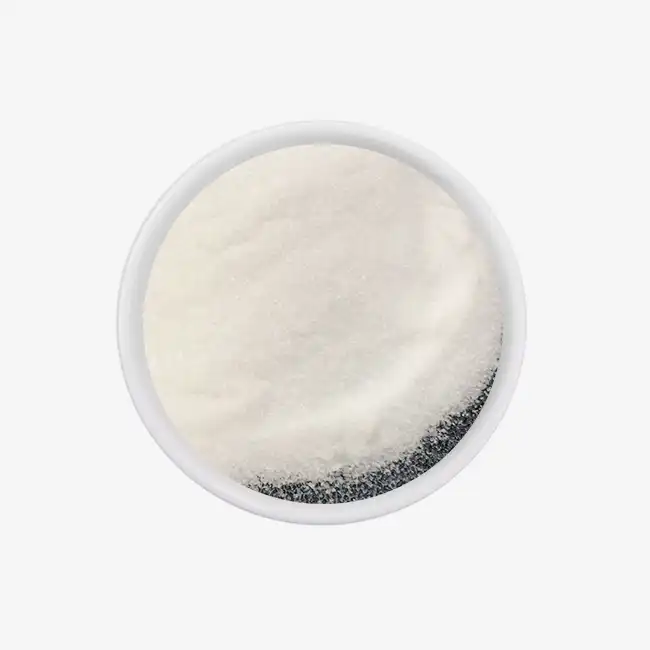
Using potassium acetate (CH₃COOK, CAS 127-08-2) is a more advanced way to deice runways chemically. This white crystalline substance has a molecular weight of 98.14 and dissolves easily in water to make a solution that lowers the freezing point of water very quickly. Potassium acetate works by breaking up the network of hydrogen bonds that allow ice crystals to form. This keeps water in liquid form even at very high or very low temperatures.
As low as -60°C, the aviation-grade formula stays effective, which is much better than traditional urea-based alternatives that stop working below -7°C. During severe winter storms, when runway availability directly affects airport capacity, this performance gap becomes very important. The exothermic reaction that happens during breakdown speeds up the melting process by making heat that can pass through up to 6 mm of thick ice and form pockets of brine that make removal easier.
Environmental and Safety Profile
Being good to the environment is now an important part of running an airport. Potassium acetate breaks down naturally and doesn't give off harmful ammonia fumes like urea-based products do. The chemical has a low biological oxygen demand (BOD), which means it doesn't put too much stress on waterways that receive it or wastewater treatment systems that process it. This compatibility with the environment helps airports stay in line with stricter EPA discharge rules and local environmental protection standards.
Safety issues go beyond those related to the earth. Potassium acetate doesn't corrode, so it keeps aluminium, magnesium, and cadmium-plated parts in aeroplanes from breaking down. Acetate versions protect infrastructure from damage while chloride-based salts break down concrete and cause electrical shorts in airport lighting systems. Following testing protocols that meet SAE AMS 1431E standards, such as thorough corrosion sandwich testing, makes sure that materials are compatible before they are used, protecting both aircraft and ground equipment.
Comparing Potassium Acetate with Alternative Runway Deicing Chemicals
Performance Analysis Across Deicing Technologies
Although glycol-based deicers work very well at low temperatures, they are very expensive and can be bad for the environment. Propylene glycol mixtures need to be carefully contained to keep watersheds from getting contaminated, which means that expensive infrastructure for collection and recycling is needed. Even though potassium acetate systems can work with them, which lets you use the best parts of both technologies together, acetate solutions are usually better for main runway uses based on lifetime costs.
Calcium magnesium acetate and sodium acetate are two different types of acetate, and for airport runway solid potassium acetate, the solid form offers superior performance in extremely cold conditions compared to sodium acetate, while avoiding the clumping and slow dissolution issues associated with calcium magnesium acetate, and it integrates easily with bulk spreading equipment without the need for specialized liquid application systems. Sodium acetate works well in mild climates but not so well in very cold climates, which is needed for airports in the north. Calcium magnesium acetate is hard to work with because it tends to clump together and dissolve slowly. The solid form of potassium acetate makes it easier to integrate bulk spreading equipment. It also gives you more operational flexibility than liquid-only options, which need special application systems.
Economic and Operational Considerations
Professionals in procurement have to weigh the initial prices of materials against the total costs of running the business. Because potassium acetate can be used at a wider range of temperatures, it is not necessary to keep various products in stock. This makes logistics and storage management easier. The bulk density of 0.8 to 0.9 g/cm³ makes the best use of storage space and keeps granules on runway surfaces even when jet blasts are present. The optimal particle size distribution stops wind scattering during application, which increases the efficiency of material use and lowers the load on the environment.
Material effectiveness directly leads to cost savings in operations. Faster ice entry cuts down on the time and money needed for mechanical removal. The high-friction surface that forms after melting keeps planes safe without having to be shut down for long periods of time. These practical benefits add up over the winter, giving a return on investment that goes beyond the cost of chemicals per tonne.
Best Practices for Applying Solid Potassium Acetate on Airport Runways
Application Methodology and Equipment Integration
To launch applications effectively, you need to know how the factors of the application affect the weather and the characteristics of the runway. Accurate dosage rates are guaranteed by bulk spreading equipment that has been calibrated for the specific bulk density of potassium acetate. Pre-wet anti-icing operations mix solid granules with liquid solutions to make the pavement stickier, which stops the snow from accumulating at first. When compared to reactive deicing after heavy buildup, this proactive method uses fewer chemicals overall.
Application rate changes are guided by devices that check the temperature. When temps are close to -10°C, lighter application rates are enough. But when temperatures drop below -30°C, more coverage is needed to keep the product working. When figuring out how to balance safety needs with operational continuity, runway traffic density comes into play. Runways with a lot of traffic get special treatments with faster-acting formulas, while taxiways and apron areas may use standard application protocols.
Quality Control and Environmental Management
In addition to application method, quality control checks make sure that performance is always the same. Particle size distribution analysis shows that the granules meet the requirements for being compatible with spreading equipment. Testing the dissolution rate confirms the ability to act quickly during severe weather. The pH range of 9.0 to 10.5 in solution form keeps deicing working while protecting concrete and asphalt bonds from alkaline attack. Verification of chloride content (≤0.2%) stops rusting risks, and heavy metal research makes sure that environmental rules are followed.
Standardised application protocols have led to measurable improvements at major international airports, and for airport runway solid potassium acetate(CAS NO.: 127-08-2), these protocols are enhanced by application tracking systems that monitor usage per weather event, combined with weather forecasting integration that enables pre-positioning of materials and equipment, reducing response times and transforming deicing from reactive crisis management to planned, controlled operations that adhere to schedule. Tracking systems keep an eye on how much poison is used for each weather event and look for ways to make things better. When weather tracking is integrated, materials and equipment can be placed ahead of time, which cuts down on reaction times when conditions get worse. With these methodical approaches, deicing goes from being reactive crisis management to planned, controlled operations that stick to the schedule.
Procurement Strategies for Solid Potassium Acetate in Airport Operations
Supplier Evaluation and Quality Assurance
To find trusted providers, you need to look closely at their manufacturing skills, quality control systems, and industry certifications. Manufacturers who have ISO 9001, ISO 14001, and ISO 45001 certifications show that they care about quality management, being good to the environment, and keeping workers safe. Third-party testing that confirms SAE AMS 1431E compliance gives you peace of mind about the product's specs. Even though KOSHER and HALAL certificates are mostly used for food, they show that strict production rules are in place, which means that chemical quality is always the same.
An evaluation of production capacity makes sure that suppliers can meet the highest demand during the winter without running out of supplies. Annual capacity numbers above 150,000 tonnes show that the industrial infrastructure is well-established and can support more than one big airport. Inventory policies that keep a buffer stock on hand so that orders can be filled right away protect against problems in the supply chain. Lead time guarantees, which are usually between 5 and 7 working days for standard orders, allow just-in-time inventory management, which weighs the cost of storage against the availability of goods.

Packaging, Logistics, and Contract Considerations
Decisions about packing are affected by how the materials need to be handled. Standard 25 kg woven bags work best for smaller airports or specialised uses, while 1000 kg tonne bags make handling more efficient at major hub facilities. Because potassium acetate absorbs water easily, it needs to be packed in moisture-proof materials with two layers of PE/PP to keep the product's structure while it's being stored and shipped. With a shelf life of up to two years under the right conditions, it's possible to buy in bulk during the off-season when prices may be lower.
Transportation relationships with foreign logistics companies make sure that deliveries are always on time in all areas of the world, and for airport runway solid potassium acetate, these partnerships ensure container availability during peak winter months and include emergency response capabilities such as backup raw material systems and alternative logistics routes to maintain supply continuity even when weather disrupts transport networks. Guarantees that containers will be available during the busiest winter months keep supplies from stopping when they are most needed. When bad weather affects transport networks, contract terms that cover emergency reaction capabilities, such as backup raw material systems and alternative logistics routes, keep operations safe.
Future Trends and Innovations in Runway Deicing with Potassium Acetate
Technological Advancement and Formulation Enhancement
Deicing technology is still getting better thanks to research and development. Better versions with better rust inhibitor packages protect aeroplane parts for longer. Precision application technologies that use GPS-guided spreaders to place chemicals more accurately reduce overspraying and damage to the environment. Sensor systems that check the temperature and wetness of the ground allow automatic changes to the application rate, which balances how well it works with how much material it uses.
The rules about the environment are getting tighter all the time, requiring things to be biodegradable and have lower waste limits. Potassium acetate has a well-known effect on the environment, which makes it a good choice as rules get stricter. New ways of applying materials, like heated storage systems that get materials ready to dissolve faster, make them work better in cold weather. When airport weather systems are connected, predictive maintenance tools can be used to plan ahead for repair, predict weather trends, and place resources ahead of time.
Climate Adaptation and Operational Resilience
Changes in the climate cause operational uncertainty because extreme weather events can happen at any time, so you need to be able to respond quickly and in different ways. Scalable deicing options that can quickly increase their capacity during storms with never-before-seen levels of strength become valuable assets. Forecasts for air traffic growth show that there will be a continued need for safe winter operations. This means that strong deicing skills are not just nice-to-haves, but necessary infrastructure investments.
Sustainability efforts lead to new ideas that go beyond instant business concerns. Life cycle review methods look at the whole environmental effect, from making the product to using it and breaking down naturally. People pay close attention to the carbon impact of making chemicals, the pollution from transportation, and the amount of energy used for operations. Manufacturers working on acetate feedstocks from renewable sources are putting their products in a good position as airports try to meet their carbon-neutral operational goals.
Conclusion
To make the best use of potassium acetate for deicing big areas of runways, technical performance, environmental responsibility, and operating costs must all be taken into account, and airport runway solid potassium acetate(CAS No.: 127-08-2) is the best choice for safety-critical airport applications because it works effectively at extremely low temperatures, has low corrosion potential, and is environmentally benign compared to chloride-based alternatives. Potassium acetate is the best choice for safety-critical airport uses because it works well at high temperatures, doesn't corrode, and doesn't harm the environment. Strategic purchasing methods that balance quality assurance, source dependability, and cost management make operations more stable during the winter. As the number of flights grows and environmental standards change, potassium acetate technology helps airports meet both short-term operational needs and long-term sustainability goals by deicing in a reliable way.
FAQ
How does solid potassium acetate differ from liquid formulations?
Solid formulations are easier to handle and store in bulk, and they work with motorised spreading tools. The granular form keeps the product from spilling while it's being moved or stored, and it also lets spreading tools be precisely calibrated. Spray applications and anti-icing treatments work best with liquid formulations, but they need special storage tanks and pumping systems to work. Many airports keep both forms on file and use each one for different operating situations based on the weather and the needs of the application.
What quality certifications should procurement teams verify?
SAE AMS 1431E compliance is the standard for the aircraft business. It confirms efficiency and corrosion protection. ISO certifications show that a company has a complete quality management system. Verification testing by a third party gives you peace of mind about the cleanliness levels, salt content, and heavy metal limits. Environmental certifications that show biodegradability and low aquatic toxicity help with regulatory compliance and environmental stewardship commitments that airport sustainability programs are asking for more and more.
Can potassium acetate damage runway infrastructure?
Aviation-grade potassium acetate that is properly made and meets SAE standards doesn't pose much of a risk to infrastructure. The pH range keeps the concrete, asphalt, and runway lighting systems working well together. Instead of breaking down concrete and steel reinforcements like chloride salts do, acetate chemistry keeps structures together. Electrical systems are still safe from the shorting risks that come with deicers that are more sensitive. Decades of operating experience at international airports have shown that infrastructure can work together as long as quality standards are met.
Partner with Zhaoyi Chemical for Reliable Airport Runway Deicing Solutions
Zhaoyi Chemical has been making acetate for more than thirty years and now works in the aviation deicing market. They make high-quality materials for airport runway solid potassium acetate suppliers and meet the strict needs of international airport operations. Our aviation-grade recipe stays ≥99.0% pure thanks to strong controls on impurities, so it works the same way down to -60°C. The product that meets SAE AMS 1431E standards protects aircraft parts and also meets strict environmental standards.
Our annual production capacity of 150,000 tonnes meets the needs of major hub airports for supplies. We offer a range of flexible packaging choices, such as 25 kg bags and 1000 kg bags that are best for your handling systems. Our ISO 9001, ISO 14001, and ISO 45001 standards show that we care about quality, safety, and the environment. Emergency reaction skills and a buffer stockpile make sure that there is a steady supply during the busiest times of the winter. You can email our technical team at sxzy@sxzhaoyi.com to talk about your unique needs, get technical specs, or set up a product sample. Let us help you with your winter operations by providing you with dependable, high-performance deicing options backed by a history of excellent production and quick customer service.
References
1. Federal Aviation Administration. (2018). Airport Winter Safety and Operations. U.S. Department of Transportation, Aviation Safety Division.
2. Society of Automotive Engineers International. (2017). SAE AMS 1431E: Compound, Solid Runway and Taxiway Deicing/Anti-icing. SAE Aerospace Material Specification.
3. Transportation Research Board. (2019). Environmental Impacts of Airport Deicing Operations. National Academies of Sciences, Engineering, and Medicine, ACRP Report 213.
4. International Civil Aviation Organization. (2020). Airport Services Manual: Part 2 - Pavement Surface Conditions. ICAO Document 9137-AN/898.
5. Environmental Protection Agency. (2016). Aquatic Toxicity and Environmental Assessment of Acetate-Based Deicing Chemicals. EPA Office of Research and Development, Report EPA/600/R-16/089.
6. Shi, X., Fay, L., Peterson, M., and Yang, Z. (2017). Freeze-Thaw Damage and Chemical Change of a Portland Cement Concrete in the Presence of Diluted Deicers. Materials and Structures, Vol. 50, No. 1, pp. 1-17.

USER EVALUATE
Here is the customer's evaluation of us