



Solid Potassium Acetate Solutions for Safe Airport Winter Operations
When winter storms threaten airport operations, choosing the right runway deicer becomes a matter of safety and efficiency. Airport runway solid potassium acetate (CAS NO.: 127-08-2) has emerged as a premier solution for maintaining safe winter operations while protecting both aircraft and the environment. This crystalline compound delivers exceptional ice-melting performance even at extreme temperatures, resists corrosion to sensitive aircraft components, and biodegrades naturally without releasing harmful emissions. As airports worldwide face increasing pressure to balance operational demands with environmental responsibility, this aviation-grade deicer offers the performance reliability procurement managers need with the sustainability profiles regulatory agencies require.
Understanding Solid Potassium Acetate for Airport Runway Deicing
Chemical Properties and Ice-Melting Mechanisms
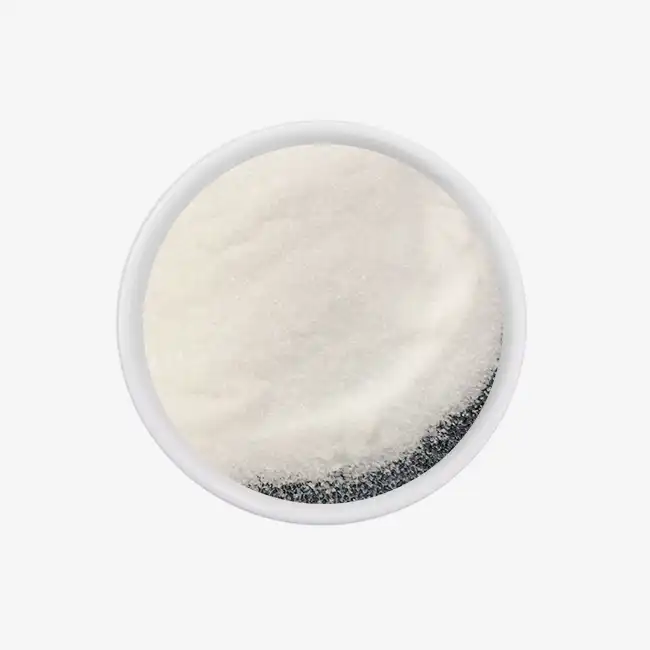
The airport runway solid potassium acetate (CH₃COOK) method is a more advanced way to deice runways. This white, crystalline substance has a molecular weight of 98.14 and dissolves easily in water, so when it comes in touch with ice, it quickly forms a eutectic solution. The substance lowers the freezing point of water, which changes the molecular structure of ice and starts a chemical reaction that releases heat faster. This material works better than standard ones that stop working above -7°C because it can withstand temperatures as low as -60°C. This means that airport operations can continue even during very cold spells.
Environmental and Infrastructure Benefits
In addition to being recyclable, airport runway solid potassium acetate has other environmental benefits. Acetate-based deicers break down naturally with little organic oxygen demand, while chloride-based deicers release harmful runoff into nearby waterways. Because it doesn't corrode, it protects runway infrastructure like lighting systems, electrical conduits, and concrete surfaces from the flaking and breaking down that happens with salt-based products. Maintenance teams at airports like that the compound stays compatible with asphalt binders and doesn't damage the structure of sidewalks, which means that expensive landing surfaces last longer.
Operational Safety Advantages
Because it is safer, airport runway solid potassium acetate is being used more and more in aircraft. The material makes surfaces with a lot of friction, which are needed for planes to stop and turn in the winter. Because acetate formulations don't release ammonia like urea-based products do, ground crews are less likely to be exposed to harmful fumes. The best particle size distribution, which is usually kept at a mass density of 0.8 to 0.9 g/cm³, stops wind from spreading the material while it's being used and makes sure it dissolves quickly when water is present. This controlled spreading feature cuts down on waste and keeps the covering even across all runway areas.
Comparing Solid Potassium Acetate with Other Common Runway Deicers
Performance Against Chloride-Based Salts
Calcium chloride, magnesium chloride, and other chloride-based deicers have long controlled the market because they are cheap and easy to get, but for airport runway solid potassium acetate, the shift to acetate-based deicers eliminates the corrosion damage to aircraft aluminum, magnesium, and cadmium-plated components, while also reducing concrete spalling and infrastructure deterioration, as shown by airport maintenance records after switching away from chlorides. These substances speed up the corrosion process, which hurts aeroplane parts made from aluminium, magnesium, and cadmium-plated parts. Maintenance records from airports that stopped using chlorides show that the costs of replacing aircraft parts went down by a lot and that corrosion inspections were done more often. Getting rid of chloride also helps the infrastructure under the runways. In the operating seasons after switching to acetate-based solutions, cases of concrete spalling dropped by measured percentages.
Advantages Over Urea-Based Products
Urea causes problems for the environment that worry airport environmental compliance officers more and more. As this organic substance breaks down, it releases ammonia into the water, which makes the water near the airport more poisonous. Urea only works well in mild winter weather because it can't handle higher temperatures. This leaves airports open to damage during extreme weather events. Ice-melting ability of airport runway solid potassium acetate stays the same at temperatures well below urea's working range, ensuring consistent performance all winter long. Acetates break down in a way that doesn't produce nitrogen-based pollutants, but rather carbon dioxide and water. This makes it easier to follow environmental permit rules and cuts down on ecological impact assessments.
Cost-Effectiveness Analysis
Airport runway solid potassium acetate costs more to buy at first than regular deicing salts, but a full lifetime study shows that it is much more cost-effective in the long run. Less corrosion directly leads to lower aircraft maintenance costs and longer component service lives. Preserving infrastructure reduces the need for runway repairs, which delays the need for capital expenditures for pavement reconstruction. As flow treatment gets easier, environmental compliance costs go down because flood management systems don't have to work as hard. When airports figure out the total cost of ownership, they see that premium deicing products give them a better return on investment because they save money on both operations and upkeep.
Practical Guidelines for Using Solid Potassium Acetate on Airport Runways
Application Rate Determination
For deicing to work, the coating rates need to be adjusted to fit the conditions of the area. The amount needed is directly related to the temperature; when it's cold, more area is needed to keep the salt formation going. Different types of pavement surfaces have different spreading needs. For example, porous asphalt surfaces soak up more water than thick concrete surfaces. Pre-treatment plans are based on weather forecasts, and decisions about preventative applications are based on how much rain is expected. Airport maintenance supervisors with a lot of experience usually use rates between 50 and 150 pounds per thousand square feet, but they can change them based on what they see during operations. Electronic spreading equipment that uses GPS to guide it makes sure that the material is spread evenly and that it isn't applied too much, which loses material and makes surfaces too slippery.
Safe Handling and Storage Protocols
People on the ground who work with solid deicing materials need to be properly trained and have the right safety gear to keep their jobs safe, and for airport runway solid potassium acetate, this includes storing the material in moisture-proof double-layer polyethylene/polypropylene bags in dry, well-ventilated warehouses with humidity below 60%, while handling protocols emphasize careful unloading to prevent bag damage and contamination, and protection from direct heat sources and rain during outdoor staging. Due to its ability to absorb water, airport runway solid potassium acetate needs to be stored in moisture-proof containers, which are usually double-layer polyethylene/polypropylene bags. To keep things from absorbing too much water too soon, warehouses must have dry, well-ventilated spaces with controlled humidity levels below 60%. Material handling rules stress the importance of being careful when unloading so that bags don't get damaged or contaminated with things that don't belong together. While temperature-controlled storage isn't necessary, keeping products safe from direct heat sources and rain while they're being staged outside is important for keeping their quality over the winter.
Procurement and Supply Chain Considerations
Deicing operations depend on supply lines that are reliable and can get things to where they need to go when the weather calls for it. Having ties with makers who have enough inventory on hand and flexible production capacity is good for procurement managers. Lead times for normal orders are usually between five and seven working days, but emergency reaction skills are very useful in case of sudden harsh weather. Different sizes of operations can be handled by different types of packaging. For example, 25 kg woven bags are good for smaller airports, while 1000 kg tonne bags are a good way to supply large hub facilities. Quality certifications like ISO 9001, ISO 14001, and meeting SAE AMS 1431 standards make sure that the products are consistently made and are safe for use in aircraft.
Making the Right Choice: Selecting Solid Potassium Acetate for Your Airport
Solid Versus Liquid Formulation Trade-offs
The shape of a material has a big effect on how it is used and how it is transported. When it comes to storing capacity, solid formulations are much better than liquid concentrates because they need less warehouse room per unit of active ingredient. Spreading equipment for granular materials usually has simpler mechanical systems that don't need as much maintenance as equipment for spraying liquids. Solid goods allow for more accurate dose control because workers can see the coverage patterns as they are being applied. Liquid formulations have benefits in some situations, especially when pre-wetting is needed because water-based solutions stop particles from bouncing around when there is a lot of wind. Many complex airport winter maintenance programs use both types in a planned way, using solids for primary deicing and liquids for anti-icing pre-treatments.
Quality Specifications and Certification Requirements
Aviation-grade deicing materials are different from regular goods because they have to meet strict quality standards. As part of the SAE AMS 1431E standard, strict rules are set for things like chemical make-up, rust resistance, and how they should behave in certain environments. To keep things from colouring and rusting faster, the iron content must be less than 0.05%, the chloride content must be less than 0.2%, and the airport runway solid potassium acetate(CAS NO.: 127-08-2) content must be at least 99.0%. Between 9.0 and 10.5 on the pH scale makes sure that the materials used on the runway are compatible and that the ice-melting ability stays strong. Independent lab tests support the particle size distribution, dissolution rates, and rust sandwich test results that show the material is safe for touch with aeroplanes. To meet the needs of a wide range of operations, airports that serve international routes often need extra certifications, such as KOSHER and HALAL compliance.
Supplier Evaluation Criteria
When looking for a trusted provider, you need to look at a lot of different aspects of their performance and capabilities, and for airport runway solid potassium acetate, this includes evaluating manufacturing experience, 24/7 technical support, production capacity and inventory management for peak winter demand, logistics partnerships for on-time delivery, competitive pricing, and customization services such as formulation adjustments and specialized packaging that set premium providers apart from commodity vendors. Manufacturing experience gives you trust in the quality of the products you make. Well-known manufacturers have decades of experience in the field and have perfected their production methods. Responding quickly to technical support requests is very important during operational problems. Leading suppliers offer consultation services 24 hours a day, seven days a week, and answer questions quickly. Production capacity and inventory management skills make sure that materials are available during peak demand times in the winter without any problems with allocation. Logistics partnerships help make sure that deliveries happen on time, and competitive price systems make sure that quality needs are met while staying within budget. Customisation services, such as changing the formulation and making special packing, meet the specific operating needs that set premium providers apart from commodity vendors.
Future Outlook: Trends and Innovations in Airport Runway Deicing
Enhanced Formulation Development
Through better chemical formulations and additive packages, research projects are still making deicing technology better. Next-generation goods have blocking systems that make them even less likely to rust while keeping or improving their ability to melt ice. Particle engineering finds the best size distribution to get the most touch with the sidewalk while minimising wind dispersion. This makes the application more efficient and cuts down on the amount of material used. Hygroscopic regulators balance the way that substances absorb water so that they can speed up the initial activation process without causing premature caking during storage. Collectively, these innovations lead to better performance, lower operational costs, and better environmental profiles. This makes airport runway solid potassium acetate more competitive alternatives to older products.
Regulatory Environment Evolution
Environmental rules that guide airport winter operations are getting stricter around the world, which affects how products are chosen and how operations are run. Watershed protection laws limit the release of chloride-filled waste that hurts marine ecosystems and taints drinking water sources. As a result of air quality standards, ammonia emissions are limited. These emissions contribute to air pollution and smell complaints from nearby communities. Biodegradability rules favour things that break down quickly and don't get stuck in dirt or waterways. When airports proactively respond to these regulatory changes, they gain a competitive edge through easier permit compliance, fewer monitoring requirements, and better relationships with the community that make it easier for expansion projects and operational flexibility.
Integration with Sustainable Airport Operations
Broader sustainability efforts in flight make it easier to use deicing methods that are better for the environment. Companies that care about the environment choose to buy goods that have clear supply chain methods and measurable environmental benefits. Airports that use low-impact maintenance materials that help their overall sustainability scores can get green building certifications, such as LEED recognition. Airlines, passengers, and government agencies are all expecting airports to be more environmentally friendly as a key part of their brand character. These overlapping pressures make high-performance, low-impact deicing materials look like smart investments that match the needs of operations with the values and standards of the public and institutions.
Conclusion
Airport runway solid potassium acetate(CAS NO.: 127-08-2) is a clever way to deal with the difficult problems of keeping airports safe in the winter. It works great at high temperatures, doesn't corrode, protects aeroplanes and infrastructure, and is good for the environment. These qualities make it a more popular choice among airport managers who want to balance safety, speed, and sustainability. When procurement experts look at deicing strategies, they should do a full analysis that takes into account not only the original cost of the materials but also the long-term value that includes savings on maintenance, protection of infrastructure, and compliance with regulations. As environmental responsibility and operational excellence become more important in aviation, acetate-based deicing solutions have been shown to work well at modern airports.

FAQ
How does solid potassium acetate compare to traditional urea deicers?
There are a lot of ways that the score gap is important. Urea only works well down to about -7°C, which makes it very useless during very cold weather that happens a lot at northern airports. Even at -60°C, airport runway solid potassium acetate can still melt ice, so it will work reliably even in the worst winter conditions. Another difference between these materials is how they break down in the environment. Urea breaks down into poisonous ammonia, while acetate breaks down into safe carbon dioxide and water. Aquatic toxicity data confirms that acetate formulations pose less of an ecological risk than nitrogen-based alternatives that pollute streams that receive them.
Will potassium acetate damage runway lighting or pavement surfaces?
When used correctly, aviation-grade formulations that meet SAE AMS 1431 guidelines work very well with airport infrastructure. The non-corrosive chemistry keeps attached light fixtures, electrical cables, and aluminium housings from breaking down the way chloride salts usually do. Acetate doesn't cause any spalling or binder degradation in concrete or asphalt pavements, but chloride-based products do speed up surface degradation. Long-term field studies from airports that use acetate deicers show that the pavement lasts longer and needs less upkeep than at sites that use salt-based materials.
What storage requirements apply to solid potassium acetate products?
This material is hygroscopic, which means it needs to be protected from moisture while it is being stored and handled. Sealed, moisture-proof packing keeps the quality of the product. This type of packaging usually uses double-layer polyethylene/polypropylene bags that stop moisture from entering from the air. To keep things from prematurely absorbing water and caking, warehouses should be dry, well-ventilated places where the relative humidity stays below 60%. If you store food properly in covered cases and keep them in the right conditions, the food will last for two years after it was made. Keeping airport runway solid potassium acetate materials away from things that don't work with them keeps them from getting contaminated, and keeping them away from direct heat sources keeps their handling properties.
Partner with Zhaoyi Chemical for Premium Airport Runway Solid Potassium Acetate
Zhaoyi Chemical has been making specialised acetates for more than thirty years and can help your airport's winter operations. Our airport runway solid potassium acetate is made to meet the strict SAE AMS 1431 standards. It has a high purity level (more than 99.0%) and well-designed particles that don't get spread out by wind during application. As a well-known company that can make 150,000 tonnes of goods every year, we keep large stockpiles to make sure we have a steady supply during the busy winter months when getting materials is very important. Our quality control systems are certified by ISO 9001, ISO 14001, and ISO 45001, which shows that we are dedicated to always making the best products. Within two hours, technical support teams answer questions about applications and purchases. You can email our experts at sxzy@sxzhaoyi.com to talk about custom solutions, get detailed technical datasheets, and get competitive quotes from a reliable airport runway solid potassium acetate(CAS NO.: 127-08-2) supplier that cares about your business's success.
References
1. Federal Aviation Administration. (2021). Airport Winter Safety and Operations. Advisory Circular AC 150/5200-30D. U.S. Department of Transportation.
2. SAE International. (2020). Solid Runway and Taxiway Deicing/Anti-icing Formulations. SAE Aerospace Material Specification AMS 1431E.
3. Transportation Research Board. (2019). Sustainable Airport Winter Operations: Airport Cooperative Research Program Synthesis 98. National Academy of Sciences.
4. Environmental Protection Agency. (2018). Environmental Impacts of Airport Deicing. EPA 832-R-18-001. Office of Water.
5. International Civil Aviation Organization. (2022). Manual of Aircraft Ground De-icing/Anti-icing Operations, Document 9640. Fourth Edition.
6. American Association of Airport Executives. (2020). Best Practices for Environmentally Responsible Runway Deicing. AAAE Airport Operations Technical Report Series.

USER EVALUATE
Here is the customer's evaluation of us