



Airport Runway Solid Potassium Acetate Ensures Safer Winter Airport Operations
Winter weather poses critical operational risks to airports worldwide. Ice and snow accumulation on runways threatens aircraft safety, disrupts schedules, and challenges maintenance teams to respond rapidly. Airport Runway Solid Potassium Acetate (CAS NO.: 127-08-2) addresses these challenges by delivering superior deicing performance at extreme temperatures down to -60°C. This aviation-grade chemical compound combines effective ice melting capabilities with environmental responsibility and aircraft-safe formulation, representing a significant advancement over traditional chloride-based deicers and outdated urea products. Its proven track record in demanding winter conditions makes it the intelligent choice for airports prioritizing both operational continuity and ecological stewardship.
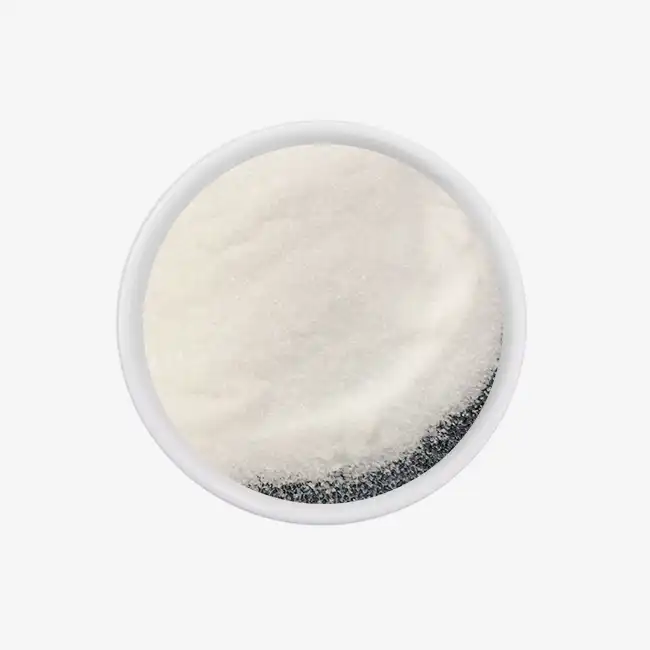
Understanding Solid Potassium Acetate for Airport Runways
When it comes to aviation, deicing methods need to work reliably even in the worst weather. The chemicals that make up potassium acetate (CH₃COOK) work together to lower the freezing point, which stops ice from forming and melts existing snow and ice. This compound, which has a molecular weight of 98.14 and looks like white crystalline granules, dissolves easily in water to make a solution that works much below the thresholds that other deicing agents work at.
Chemical Properties Driving Performance
When potassium acetate comes in touch with ice, an exothermic reaction happens that speeds up the melting process by a lot. This ability to release heat sets it apart from endothermic alternatives that soak up heat and work less efficiently. The bulk density of 0.8 to 0.9 g/cm³ makes sure that chunks stay on the airport surfaces even when there is jet blast, which stops waste from spreading through the wind. Optimized particle size distribution makes it easier for the material to dissolve quickly while still having enough weight to stay put during high-wind events that are common at airports.
Non-Corrosive Formulation Protects Infrastructure
Traditional deicers that are based on chloride slowly break down concrete surfaces by spalling them, weaken rebar support, and rust metal aircraft parts. These risks are completely taken away by Airport Runway Solid Potassium Acetate. Independent tests using SAE AMS 1431E guidelines show that it works with aluminum, magnesium, and cadmium-plated parts that are typical on current airplanes. In a 15% solution, the pH level of 9.0 to 10.5 keeps the materials on the runways, in the light fixtures, and in the electrical lines in good shape. When airports use this acetate-based solution instead of chloride alternatives, the infrastructure lasts longer and costs less to maintain.
Environmental Advantages Over Legacy Products
Biodegradability is an important thing for airports to think about because environmental rules are getting stricter. Potassium acetate breaks down naturally through organic processes, but it doesn't give off harmful ammonia emissions like urea-based products do. The lack of chloride ions keeps the soil from getting dirty and keeps toxic runoff out of nearby watersheds. This environmental profile meets today's standards for sustainability while still giving airports the performance they need for important winter operations.
Comparison of Solid Potassium Acetate with Other Runway Deicing Agents
To choose the best deicing agent, you need to know how it works at different temperatures, if it's compatible with other materials, and how it will be used. It's helpful for airport repair teams to see how different choices work in real life.
Temperature Performance Spectrum
Urea-based deicers stop working properly below -7°C, which makes airports exposed during very cold weather, while Airport Runway Solid Potassium Acetate remains effective. Calcium chloride and magnesium chloride make the operating temperatures lower, to about -29°C and -21°C, respectively, but they also cause corrosion, which can damage infrastructure and aircraft. At temperatures as low as -60°C, solid potassium acetate still works, so it will work reliably all winter long, no matter how cold or hot it gets. This wider range gets rid of the need to switch products based on what the weather is expected to be like, which makes managing supplies and planning operations easier.
Handling and Storage Advantages
To keep liquid potassium acetate formulations from freezing while they are being stored and used, they need to be kept in heated facilities and pumped using special equipment. The solid crystalline form gets rid of all of these infrastructure needs. Standard dry buildings with basic moisture control are enough for storage, so there is no need to spend as much on new facilities. Because the material absorbs water, it needs to be sealed in 25 kg woven bags or 1000 kg ton bags. If stored properly, the product can last for up to two years. Ground crews like how easy it is to work with these systems compared to liquid systems that need a lot of training and maintenance.
Lifecycle Cost Analysis
The initial costs of buying something are only one part of the total costs of ownership. At first glance, chloride-based items may seem like a good deal, but the damage they do to runways, lighting systems, and airplane parts adds up to high secret costs. Because pavement wears down faster, it needs to be resurfaced often, which costs millions of dollars. Corrosion-related airplane repair costs airlines that use damaged airports more money. Because solid potassium acetate doesn't corrode, it protects investments in infrastructure and lowers the cost of long-term upkeep. Airports that do full lifecycle analyzes always find that acetate-based solutions are more cost-effective, even though the materials cost more per ton.
Best Practices for Applying Solid Potassium Acetate on Airport Runways
An application that works well improves performance while using less material and having less of an effect on the world. Standardized processes should be put in place by airport operations teams that are in line with manufacturer requirements and weather monitoring routines.
Application Timing and Weather Monitoring
When it comes to results, preventative anti-icing works better than reactive deicing after accumulation has already happened. Meteorological data show that pre-treatment operations should start when it starts to rain, making a chemical buffer that keeps ice from sticking to the ground. This method lowers the amount of product that needs to be used by up to 40% compared to cleaning ice layers that are already there. Real-time weather tracking tools that are connected to application equipment let changes be made quickly as storm conditions change.
Equipment Selection and Calibration
Spreaders that are mechanical and have gate settings that can be adjusted make sure that the weight is evenly spread across all runway lengths. As a result of weather, the amount of rain, and the thickness of the ice, calibration methods should make sure that application rates match the doses that are supposed to be given. Combining solid pellets with liquid solutions in pre-wet systems makes it easier for particles to stick together in high-wind situations, which lowers the amount of material that is lost before activation. When you maintain your equipment on a regular basis, you can avoid uneven distribution that can be dangerous and waste materials.
Safety Protocols for Ground Personnel
If you are handling Airport Runway Solid Potassium Acetate (CAS NO.: 127-08-2), you should still wear standard protective gear because it is not as dangerous as some other chemicals. Moisture-resistant gloves keep your skin from getting irritated after long periods of contact, and safety glasses keep you safe from wind-blown particles while you're spreading. Storage areas should have enough airflow to keep moisture from building up and lowering the quality of the goods being stored. Training programs that stress the right way to handle things keep the crew safe and the operations running smoothly.
Environmental Protection Measures
Strategic application limited to busy airport surfaces reduces the environmental impact on areas around the runways. To avoid adding chemicals that aren't needed, lower application rates or other treatments should be used in buffer zones near bodies of water and vegetation. After a storm, measurements of residual amounts help make changes to the application rate, which finds the best balance between environmental responsibility and operating safety. Environmental compliance reporting standards can be met by keeping track of application amounts and locations.
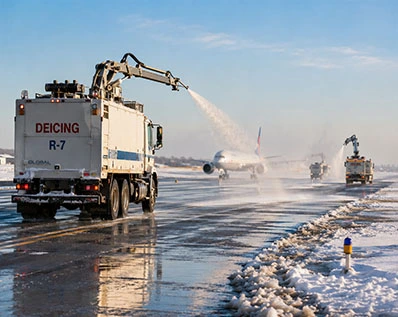
Procurement Guide for Solid Potassium Acetate in Airport Operations
Strategic sourcing sets up reliable supply chains that can meet urgent demand in the winter while also making sure that the quality of the products meets aviation standards. Airport purchasing managers should look at more than just unit price when judging providers.
Supplier Qualification Criteria
Companies that have ISO 9001 certification show that they are dedicated to using regular quality management systems. Products that meet the requirements of SAE AMS 1431E are guaranteed to work with airport infrastructure and airplane materials. Third-party testing records that prove the amount of heavy metals, the rate of corrosion, and the performance of dissolution go beyond what the seller says. KOSHER and HALAL approvals show that there is thorough quality control, which is useful even when the product isn't used for food.
Bulk Purchasing Considerations
For airports to run during the winter, they need to store a lot of goods before the busy season starts. Manufacturers who can support large airport networks without supply interruptions have an annual production capacity of 150,000 tons. Usually, the minimum order quantity matches the volume of a truckload or a container, which makes transportation more cost-effective. Setting up multi-year supply deals guarantees the allocation of capacity during times of high demand when spot market access is limited.
Lead Time Planning
Standard formulas have production wait times of 5 to 7 working days, so they need to be ordered ahead of time before they are used. Customized specs for certain weather circumstances or application tools may make it take longer to finish a product. When shipping goods internationally from factories to airports, the journey can take longer depending on the route and the steps needed to clear customs. Ordering teams that are smart start placing orders in the summer to make sure they have enough stock before winter comes.
Quality Verification Upon Receipt
Protocols for incoming checking of Airport Runway Solid Potassium Acetate should check the integrity of the package, that the product looks like it does what it's supposed to, and that there is proof of batch testing results. Keeping samples allows for future use as a reference if questions about performance come up during daily use. Testing for moisture content makes sure that the quality of the product stays within acceptable limits, especially when it has to be stored for a long time between delivery and use.
Environmental and Operational Impact of Using Solid Potassium Acetate
Modern airports have to balance the need for operating safety with the need to be environmentally responsible, which is required by government agencies and community groups. Deicing products based on potassium acetate work well for both of these needs.
Regulatory Compliance Advantages
The Environmental Protection Agency's stream runoff rules make it harder for airport operations to release chloride into the water. Acetate-based alternatives make it easier to follow the rules while also showing leadership in protecting the environment. Because potassium acetate is soluble and has a low biological oxygen demand, it has less of an effect on marine ecosystems than chloride ions that stay in groundwater for a long time. When airports are subject to consent decrees or discharge limitations, they find that acetate alternatives let them keep running during the winter without any problems with the law.
Operational Efficiency Gains
Rapid melting of ice shortens the time that runways are closed during active winter weather events. Fewer delay minutes directly lead to better on-time performance measures that airlines and customers value. Better friction ratios on treated surfaces keep the brakes working safely during rainstorms, allowing activities to go on all the time instead of having to be shut down for short periods of time. These practical benefits make the airport more competitive and improve customer happiness during the harsh winter months.
Case Study Evidence
Many international airports that deal with harsh winters have reported success switching from old deicing products to ones that are based on potassium acetate. Operational data shows that lower application amounts are getting the same or better performance than chloride-based programs that were used before. Infrastructure repair records show that the rate of pavement wear has gone down and the life of airport lighting systems has been stretched. Monitoring the environment shows that fewer chemicals are getting into the waterways that receive them, meeting legal requirements while keeping operations running smoothly.
Conclusion
Airport Runway Solid Potassium Acetate is a complete answer to all of the operating problems that modern airports face in the winter. Extreme cold-weather performance, aircraft-safe formulation, and environmental responsibility all work together to solve all of the problems that airport owners and buying professionals face. Moving from older deicing products to this more advanced one requires some initial investment in supplier relationships and operational procedures. But it pays off in the long run by protecting infrastructure, meeting regulations, and making operations more reliable. This acetate-based answer fits nicely with the goals of airports that care about both safety and the environment.
FAQ
What temperature range does this deicing agent cover effectively?
Solid potassium acetate keeps deicing working well in normal winter temperatures all the way down to -60°C. This great performance in cold weather goes beyond urea's -7°C limit and most chloride-based alternatives, which stop working around -29°C. Because the operating range is longer, airports can depend on a single product all winter long, even when temperatures are very high or very low.
How does this product affect aircraft components and runway materials?
A lot of tests using SAE AMS 1431E guidelines show that it works with airplane parts made of aluminum, magnesium, and cadmium. The formula doesn't corrode, so it doesn't hurt the hydraulic systems, landing gear, or structural parts. Concrete and asphalt surfaces on runways don't break down, and lighting systems don't get damaged either. This protects investments in infrastructure.
What shelf life and storage conditions does the product require?
Solid potassium acetate stays fully functional for two years when kept in sealed, moisture-proof containers in dry, well-ventilated buildings. Because it is hygroscopic, it needs to be kept away from moisture in the air so that it doesn't activate too soon. Standard warehouse conditions without any extra heating or cooling are enough, which makes logistics easier than with liquid formulations.
Partner with SHANXI ZHAOYI CHEMICAL for Reliable Runway Deicing Solutions
SHANXI ZHAOYI CHEMICAL has been making acetate for more than 30 years and can help your airport run smoothly this winter with Airport Runway Solid Potassium Acetate (CAS NO.: 127-08-2). As a provider of aviation-grade potassium acetate, we can guarantee constant quality with ISO 9001, ISO 14001, and ISO 45001 certifications, making sure that every ton meets SAE AMS 1431E standards. Our annual production capacity is 150,000 tons, and we keep security stock on hand so that orders can be filled right away. We also offer flexible packing in 25 kg bags or 1000 kg bags. Within two hours, our technical support team will get back to you to help with your specific application needs and climate problems. You can email us at sxzy@sxzhaoyi.com to talk about your deicing needs for the runway, get technical specs, or set up sample testing. You can look at our full line of acetate solutions for airports around the world at zhaoyichemical.com.
References
1. Federal Aviation Administration. (2021). Airport Winter Safety and Operations Advisory Circular AC 150/5200-30D. U.S. Department of Transportation.
2. Society of Automotive Engineers International. (2020). SAE AMS 1431E: Compound, Solid Runway and Taxiway Deicing/Anti-icing. SAE Technical Standards Board.
3. Environmental Protection Agency. (2019). Best Management Practices for Airport Deicing Operations: Environmental Impacts and Mitigation Strategies. EPA Office of Water.
4. Transportation Research Board. (2018). Airport Winter Operations: Aircraft Deicing and Runway Treatment Assessment. National Academies of Sciences, Engineering, and Medicine.
5. International Civil Aviation Organization. (2020). Aerodrome Design Manual Part 2: Taxiways, Aprons and Holding Bays - Winter Operations. ICAO Publications.
6. Nixon, W. A., & Williams, D. J. (2017). A Guide for Selecting Anti-icing Chemicals: Version 1.0. Strategic Highway Research Program, National Research Council.

USER EVALUATE
Here is the customer's evaluation of us