



Why Is Snow Melting Liquid Potassium Acetate Used for Airport Deicing?
Airport deicing operations demand solutions that combine rapid ice-melting performance with infrastructure protection and environmental responsibility. Snow melting liquid potassium acetate (CAS NO.: 127-08-2) has become the preferred choice for airport ground operations because it delivers exceptional freezing point depression to -35°C while maintaining corrosion rates as low as 0.03g/m²·h on sensitive materials like aluminum aircraft components and steel rebar in runway concrete. Unlike traditional chloride-based deicers that damage pavement and pollute waterways, this non-chloride liquid formulation offers immediate activation upon contact and over 95% biodegradability, making it ideal for critical aviation environments where safety, material compatibility, and regulatory compliance converge.
Introduction
Winter weather makes it very hard for airports all over the world to run smoothly. It costs the airline business billions of dollars every year in flight delays, cancelations, and safety issues caused by ice on runways. Effective deicing tactics are very important for keeping airports running smoothly during the winter to protect expensive infrastructure investments, keep passengers safe, and keep schedules on track.
The old ways of melting ice, like using rock salt or urea, cause a lot of issues. Salts that are based on chlorine eat away at airplane landing gear and concrete runways, while urea adds too much nitrogen to ecosystems nearby. Because of these problems, airlines have had to look for new ways to do things that are more efficient, protect assets over the long term, and are better for the environment.
Deicing fluids based on potassium acetate have become the industry's answer to these tough problems. This post talks about why liquid potassium acetate formulations are now necessary for modern airport winter maintenance programs. It looks at the technical properties, practical benefits, and buying factors that are most important to infrastructure managers and flight facility directors.
Understanding Potassium Acetate and Its Properties for Deicing
The Chemistry Behind Superior Performance
Because of its unique molecular structure and thermodynamic behavior, potassium acetate (CH₀COOK, CAS 127-08-2) is a big step forward in deicing technology. This organic salt lowers the freezing point through colligative properties. It does this more effectively than most artificial salts by stopping the formation of ice crystals while keeping its chemical stability across a wide range of temperatures.
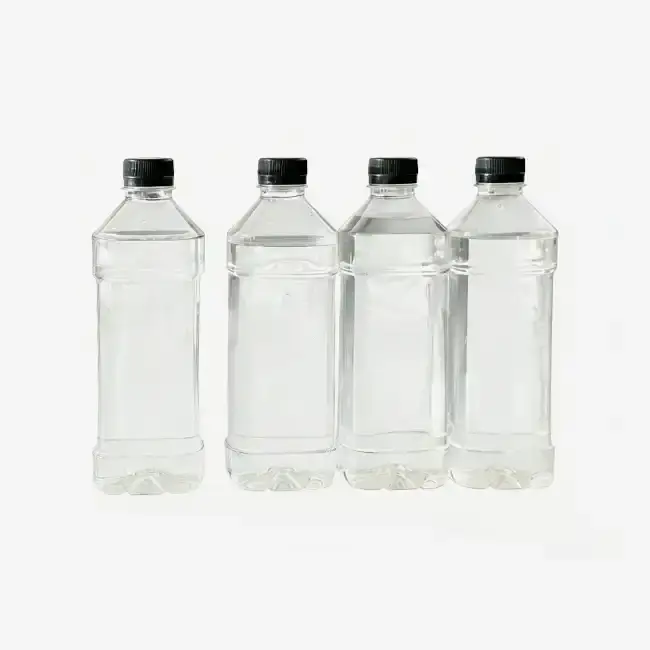
With a molecular weight of 98.14 g/mol, concentrated liquids can stay fluid even when temperatures drop below zero. Professional-grade formulas usually have between 50 and 60% active ingredient content and can freeze at or below -35°C. Because of this feature, it is very useful during bad weather events when temperatures drop too low for regular deicers to work.
Material Compatibility and Safety Profile
Potassium acetate is different from chloride-based alternatives because it works very well with building materials. According to Aerospace Material Specification (AMS) 1435 standards, rust tests on aluminum alloys, carbon steel, and magnesium parts that are widely used in aircraft building show that solutions that are properly mixed cause corrosion rates that are about the same as distilled water.
The compound is a clear, colorless liquid that smells slightly acidic and has a pH value that is usually between 7.5 and 9.2 in market forms. This nearly normal pH keeps the concrete from breaking down and stops the alkaline breakdown that hurts airport surfaces over time when they are used every season. Furthermore, the lack of chloride ions stops the electrochemical processes that strengthen steel corrosion in concrete structures.
Environmental and Handling Characteristics
In addition to its technical benefits, potassium acetate is also very good for the environment. The compound is biodegradable to an extent greater than 95%. It breaks down quickly through natural microbial processes and doesn't build up in soil or groundwater. Biochemical oxygen demand (BOD) and chemical oxygen demand (COD) values are still much lower than those for urea-based products. This makes the wastewater treatment plants that serve airport buildings less stressed.
When it comes to handling, the liquid format of snow melting liquid potassium acetate gets rid of the breakdown lag time that comes with solid granular goods. Crews on the ground can use truck-mounted spray systems or fixed automated spray technology (FAST) setups to apply the solution right away, without having to wait for the material to break down and turn into active brine. This instant activation means faster response times when the weather is changing quickly and better working efficiency when there is a lot of traffic.
Challenges in Airport Deicing and How Potassium Acetate Addresses Them
Limitations of Traditional Deicing Materials
In the past, airports have used a number of different deicing methods, each of which had its own practical and environmental problems. Rock salt, or sodium chloride, is still cheap, but it stops working below -9°C and makes concrete break down faster through osmotic pressure and freeze-thaw cycles. Calcium chloride increases the temperature range that can be used, but it also pulls water, which makes the surface slippery and brings corrosive waste into airport buildings.
Urea-based products became popular as "non-corrosive" alternatives, but they brought new problems with them. A lot of nitrogen in the water pollutes it, which is bad for marine areas because it causes algae blooms and lowers the amount of dissolved oxygen in the water. The glycol-based fluids used to treat the surfaces of airplanes work well, but they are expensive per gallon and need complex containment systems to keep them from getting into the environment.
Concerns about foreign object debris (FOD) are also raised by these common materials. Jet engines can get solid pieces inside them, and plane tires can get damaged during takeoff and landing. Because of the high costs of upkeep and safety risks, aviation officials have set strict material requirements for deicing activities at airports.
Quantifiable Performance Advantages
Liquid acetate formulas solve these problems by making performance better in ways that can be measured. Test results show that it melts snow more efficiently than other methods, by more than 85% in just one hour at -25°C. This is a big improvement over other methods used in the same conditions. The fast heating action cuts down on the amount of material needed for each job, which saves money on chemicals and lessens the damage to the environment.
Protecting infrastructure has a lot of long-term benefits. When airports use potassium acetate programs, the sidewalk lasts longer, and there is less concrete spalling and rebar exposure. Bridge decks and elevated taxiways benefit the most because normal chloride exposure speeds up the damage that happens when structures freeze and thaw. Lowering maintenance costs can balance out higher material costs within the normal time frames for making a budget.
Regulatory Compliance and Risk Mitigation
Environmental laws are making it harder for chloride to flow into waterways and requiring stormwater to remove salt from runoff. Potassium acetate is biodegradable and not harmful to aquatic life, which makes it easier to follow the rules set by the National Pollutant Discharge Elimination System (NPDES) permit for airport operations. The material's breakdown products, which are mostly carbon dioxide and water, are not as harmful to the environment as chloride ions or nitrogenous chemicals that stay in the environment for a long time.
Aviation safety rules stress that materials must be compatible with aircraft parts. Products that meet the requirements of AMS 1435 are put through a lot of tests to see how they affect painting surfaces, window materials, and structural metals. These strict requirements are met by certified potassium acetate formulations, which provide a documented guarantee that ground deicing operations will not affect the safety of airplanes in the air or put airport owners at risk of liability.
Procurement Considerations for Industrial-Grade Potassium Acetate Liquid
Evaluating Supplier Capabilities
To choose the right chemical supplier, you need to carefully look at their production ability, quality processes, and technical support. Manufacturers who have ISO 9001, ISO 14001, or ISO 45001 certifications show that they care about quality control, being good to the environment, and worker safety. These are all things that have a direct effect on product stability and supply reliability during busy winter months.
For airport uses of snow melting liquid potassium acetate, the production size is very important. Facilities that can handle more than 100,000 tons of cargo a year can keep a backup stock and handle surge orders when long periods of cold weather are predicted. Smaller manufacturers may find it hard to meet the demands of large orders or keep up with the regular delivery plans that are needed to keep airport operations running smoothly. Procurement risk is lower when manufacturing capacity is checked through site audits or reviews by a third party.
It is important to carefully compare the technical specs of different possible providers. Some important factors are the amount of active ingredient (usually between 50 and 60%), the amount of chlorides, heavy metals, and sulfates that can be present, and whether the product meets the standards set by the airline industry. To make sure that the production is consistent and that quality control is working well, ask for certificates of analysis for recent batches. Material safety data sheets (MSDS) and application instructions specifically made for airport settings are available from reputable makers.
Logistics and Supply Chain Management
Logistics for transportation and storage have a big effect on the total cost of acquisition. Most of the time, 1000-liter intermediate bulk containers (IBC) or flexitank systems are used to move liquid acetate solutions in bulk. IBC totes are easy to move around with standard forklifts and take up little room in warehouses. Flexitanks, on the other hand, save buyers a lot of money on shipping costs per gallon by making the most of the space inside the container.
As part of the storage requirements, climate-controlled facilities must be used to keep the product safe from extreme temperatures and contamination. The goods should be kept in stores with good airflow, away from heat sources and things that don't go with them. When you load and unload containers the right way, you can keep them from getting damaged, which could compromise the quality of the goods or put people in danger. Setting up vendor-managed inventory programs with key suppliers can make the buying process easier and make sure that there are enough reserves on-site for the winter.
Lead times depend on where the source is located and when the product is being made. Standard orders can be turned around in 5 to 7 business days by domestic manufacturers, but international suppliers need more time to plan because of ocean freight and customs clearance. Having strategic relationships with several qualified vendors gives you extra supply options and more negotiating power when you're negotiating a contract. Before agreeing to buy in bulk, ask for small amounts to be sent out for field trials. This way, operating teams can make sure the product works well in the conditions that exist at the site.
Cost Analysis and Value Optimization
Potassium acetate costs more per gallon than regular rock salt, but a full lifetime study shows that it is a very good investment. The benefits of preserving infrastructure mean that sidewalk repairs are done less often, which means that runways don't need to be resurfaced as often. When corrosive chloride is taken out of vehicle fleets and application machinery, equipment maintenance costs go down. The costs of environmental compliance go down when stormwater management is made easier, and cleaning standards are lowered.
Optimizing the application rate makes things even more cost-effective. When weak treatments are used before it starts to snow or rain, anti-icing strategies usually need less than reactive deicing strategies. Weather tracking systems and pavement temperature sensors make it possible to apply materials precisely, providing them only when and where they are needed. Training ground workers on the best ways to do things will get the most out of investing in high-quality deicing formulas.
Pricing structures that are good for you can often be found through bulk buying agreements and multi-year supply contracts. Volume promises show that you are serious about what you want to do and help makers make the best use of their production schedules, which creates room for negotiating prices. Working together with sellers can help you get more value, like when you need unique formulas to deal with certain climate conditions or when you work together on technology projects that make your business run more smoothly.

Application Guidelines: How to Use Liquid Potassium Acetate for Airport Deicing?
Storage and Handling Best Practices
Having the right storage facilities for snow melting liquid potassium acetate (CAS NO.: 127-08-2) protects the quality of the goods and keeps workers safe. Materials that work well together, like plastic, fiberglass, or stainless steel, should be used to build tanks and containers. To keep them from breaking down over time, carbon steel tanks need to be coated or lined with the right materials. According to rules about preventing spills, storage places must have additional containment that can hold 110% of the biggest container's volume.
Controlling the temperature makes products last longer and keeps solutions stable. Potassium acetate solutions don't freeze at concentrations above 50%, but storage facilities in very cold places might need heating or insulation to keep the crystals from forming. On the other hand, too much heat can speed up the breakdown of containers or help microbes grow in solutions that are too weak. Keeping storage temperatures between 5°C and 25°C makes products last longer.
People who work with concentrated solutions should wear the right safety gear, like gloves that can resist chemicals, safety glasses, and protective clothing. Potassium acetate is not very dangerous in small amounts, but touching it directly on the skin may be irritating. In storage and moving places, there should be emergency eyewash stations and safety showers that are easy to get to. Staff members learn how to properly handle chemicals, how to respond to spills, and how to give first aid, all of which are spelled out in the MSDS documents for each product.
Application Methodologies and Equipment
Truck-mounted spray systems, tow-behind applicators, and fixed infrastructure installations are all types of ground-based application tools. Spray systems should have pumps, hoses, and nozzles that don't rust and can evenly spread the spray across the width of the runway. Calibration of the flow rate makes sure that the application rates are correct for the weather and the temperature of the ground. Modern systems use GPS tracking and electronic flow controllers to keep track of how materials are used and allow for optimization based on data.
Spraying diluted solutions (30–50% strength) onto dry ground before snow or ice starts to form is how anti-icing is done. This preventative method makes a chemical barrier that stops precipitation from sticking to pavement surfaces. Depending on how much and how long the rain is expected, application rates are usually between 50 and 100 liters per lane kilometer. Timing is very important—applications should happen one to two hours before it starts to rain for the best results.
Higher amounts and application rates are used for deicing to get rid of snow and ice that has already built up. Depending on the thickness of the ice and the temperature of the area, solutions can be used at full strength or with a little water added. Chemicals work best when left on for 15 to 30 minutes before being removed mechanically. This makes cleaning easier. Chemical treatment along with plowing or sweeping works better than either way by itself to get a bare ground surface.
Safety and Environmental Compliance
Along with worker safety, operational protocols should include ways to protect the environment. Application rates should be fine-tuned to avoid over-application and external loads that aren't needed. The weather, including the speed of the wind and the temperature, affects how well a material works and how much to use. Do not use the chemicals when it is raining a lot because they will lose their effectiveness, or when it is very hot and deicing is not needed.
Runoff management systems collect rain and snowmelt that still has deicing chemicals in it. Even though potassium acetate breaks down naturally, a lot of it should be sent to the right treatment systems or holding ponds so that it can break down naturally before being released into the environment. Monitoring programs that keep an eye on the quality of the water that is received make sure that permit requirements are met and find ways to improve the application.
Continuous improvement efforts are helped by systems that keep track of application times, amounts, weather conditions, and how well they worked. By looking at old data, you can find trends that will help you make decisions about time, rates, and methods in the future. Regular upkeep and checks of the equipment's calibration ensure that it works the same way all through the working seasons. Working with providers' technical support teams gives you access to best practices in the business and helps you figure out problems when they happen.
Future Trends and Innovations in Airport Deicing with Potassium Acetate
Emerging Technologies and Formulation Advances
Through better formulations and transport methods, research projects are still improving the performance of deicing fluids like snow melting liquid potassium acetate. Corrosion inhibitor packages are being improved to lower the rate of metal attack even more while still being safe for the environment. When it's very cold, adding substances that make the viscosity higher at low temperatures makes pumping easier and spray patterns more even. Colorants and tracers help with quality control during operations and make it possible to see how well the application is covering.
Automated application tools are a big step forward in technology. Pavement-embedded sensors that measure the surface's temperature, wetness level, and friction factors set off automatic spray systems that use the right amount of chemicals at the right time. Through data-driven decision tools, these smart infrastructure projects cut down on the need for workers, speed up response times, and make the best use of materials. When repair plans are integrated with weather tracking systems, they can plan for bad weather hours in advance.
Biodegradable packaging is an innovative way to make products more sustainable over their whole lifecycle. Through better reverse operations, returnable IBC tote programs cut down on packaging trash and shipping costs. Concentrated formulations that can be diluted on-site reduce the amount that needs to be shipped and the carbon emissions that come with it. Suppliers are looking into closed-loop manufacturing processes that reuse and recycle process water. These processes would be better for the environment and the bottom line.
Regulatory Evolution and Industry Standards
Aviation regulatory groups are always changing the rules for deicing materials to keep up with new scientific knowledge and environmental concerns. New changes to AMS 1435 have lowered the allowable amounts of impurities and added more tests that check for long-term compatibility. Airports should keep up with changing standards and make sure that the goods they buy meet current needs and prepare for future changes.
Environmental laws put more weight on reducing pollution at its source and preventing it than on treating it at the end of the pipe. This way of thinking about regulations supports chemicals that break down, like potassium acetate, over chemicals that last a long time. If airports use environmentally friendly deicing programs, they might get special treatment or credit as good environmental stewards in regulatory procedures. Environmental agencies and people who work with them can build helpful relationships that make it easier to renew permits and change how things are done.
As a way to share what they've learned across the world's airport networks, industry groups are writing papers called "best practice guidance documents." These resources give you a way to build programs, compare their performance, and keep making them better. By joining industry working groups, you can have an impact on the creation of new standards and learn from the experiences and creative methods of your peers. Collaborative research projects pool resources to help everyone learn more about the best ways to melt snow and ice.
Strategic Considerations for Procurement Teams
When making long-term plans, it's important to think about how climate change will affect winter weather patterns and the needs of operations. It's possible that some areas will have more or stronger freezing rain, which will need better reaction capabilities. On the other hand, warmer trends in some places might lower the need for yearly deicing. Using climate projections in scenario planning lets procurement strategies be flexible enough to adapt to changing conditions.
As design projects get more complex, supplier relationship management becomes more strategic. Building relationships with manufacturers that offer technical help, application training, and quick responses makes operations run more smoothly. When suppliers put money into research and development and show they are committed to constant improvement, their customers' businesses are at the forefront of what the industry does. Long-term contracts with performance bonuses align the goals of both the provider and the customer around business success.
Environmental disclosure and sustainability reporting rules push airports to show real progress in lowering their environmental effects. Switching to more modern deicing agents gives us a way to measure and report on our environmental performance. Lower application rates lower carbon footprints, longer asset lifecycles thanks to better infrastructure longevity, and biodegradability benefits all add to appealing sustainability stories that meet stakeholder standards and regulatory requirements.
Conclusion
The use of snow melting liquid potassium acetate to melt snow for deicing airports shows a big change toward performance solutions that balance protecting infrastructure, making operations more efficient, and being good to the environment. Its better compatibility with materials, quick activation, and biodegradability make up for some of the problems with traditional chloride-based deicers while providing measurable lifecycle value. As environmental rules get stricter and regulations get stricter, airports that use advanced acetate-based systems set themselves up to be stars in both operating resilience and environmental leadership. When making purchases, companies should look for qualified suppliers that can provide consistent quality, technical support, and reliable supply chains that are necessary for winter operations that are very important to the mission.
FAQ
What is the effective temperature range for liquid potassium acetate deicers?
At normal 50–60% concentrations, professional-grade formulas stay effective down to about -35°C (-31°F). For best results, the eutectic point (maximum freezing point decline) is close to -60°C, but in real life, solutions are usually used in less extreme situations. As temps get closer to lower operating limits, performance slowly decreases instead of suddenly failing.
How does potassium acetate compare environmentally to rock salt and calcium chloride?
Potassium acetate is very good for the environment because it breaks down over 95% naturally, isn't very harmful to water, and doesn't have any chloride ions that stay in the ground and hurt plants. The BOD and COD levels are still much lower than urea-based options, which makes treating wastewater easier. The stuff breaks down into carbon dioxide, water, and potassium ions, which are not harmful but rather mild nutrients.
What certifications should I verify when selecting a potassium acetate supplier?
Give more weight to manufacturers who have ISO 9001 certification for quality management, ISO 14001 certification for environmental management, and ISO 45001 certification for health and safety at work. For airport use, make sure that AMS 1435 is followed by testing that is recorded. Getting a KOSHER or HALAL certification means that the production standards and quality control processes are very strict. Ask for certificates of analysis that back up the product's specs and test results from a third party that back up claims of performance.
Partner with SHANXI ZHAOYI CHEMICAL for Premium Airport Deicing Solutions
SHANXI ZHAOYI CHEMICAL is ready to help your airport's winter maintenance program with enterprise-grade snow melting liquid potassium acetate (CAS NO.: 127-08-2). They have been making high-quality products for over 35 years and can produce 150,000 tons of them every year. Our ISO-certified factory consistently makes 50–60% concentration mixtures that can freeze at -35°C and rust at a rate of ≤0.03g/m²·h. As a well-known provider of liquid potassium acetate for melting snow, we offer low bulk prices, flexible packaging in 1000L IBC tanks or flexitanks, and reliable 5-7 day production wait times to make sure you're ready for winter. Our technical support team is available 24 hours a day, seven days a week. They offer free sample testing and application guidance that is specific to your needs. You can email us at sxzy@sxzhaoyi.com or visit zhaoyichemical.com to talk about your buying needs and experience the peace of mind that comes from working with a reliable manufacturer that cares about your business's success.
References
1. Transportation Research Board. "Airport Winter Safety and Operations." National Academy of Sciences Special Report on Deicing Materials and Environmental Impacts, 2019.
2. American Society for Testing and Materials. "Standard Specification for Aircraft and Airfield Deicing and Anti-Icing Chemicals." ASTM E1847-15 Annual Book of Standards, 2020.
3. Environmental Protection Agency. "Aquatic Life Criteria for Acetate-Based Deicing Compounds." EPA Office of Water Technical Bulletin Series, 2018.
4. Society of Automotive Engineers. "Aircraft and Airfield Ground Deicing and Anti-icing Fluid: Non-Glycol Based." AMS 1435 Aerospace Material Specification, 2021 Revision.
5. Federal Aviation Administration. "Advisory Circular: Snow and Ice Control Plan for Airport Operators." AC 150/5220-23 Airport Safety and Standards, 2017.
6. International Civil Aviation Organization. "Manual of Aircraft Ground De-icing and Anti-icing Operations." ICAO Document 9640-AN/940, Fourth Edition, 2018.

USER EVALUATE
Here is the customer's evaluation of us