



Snow Melting Liquid Potassium Acetate Improves Winter Road Maintenance Efficiency
Winter brings operational nightmares to municipal authorities, highway contractors, and airport operators across the United States. Traditional de-icing methods using rock salt and chloride-based chemicals damage infrastructure, harm the environment, and fail to perform in extreme cold. Snow melting liquid potassium acetate (CAS NO.: 127-08-2) (CH₃COOK) offers a transformative solution that addresses these challenges head-on. This advanced non-chloride de-icer works effectively at temperatures down to -35°C, protects valuable infrastructure from corrosion, and maintains environmental safety while delivering rapid ice-melting performance that keeps critical transportation networks operational throughout harsh winter conditions.

Understanding Liquid Potassium Acetate and Its Properties
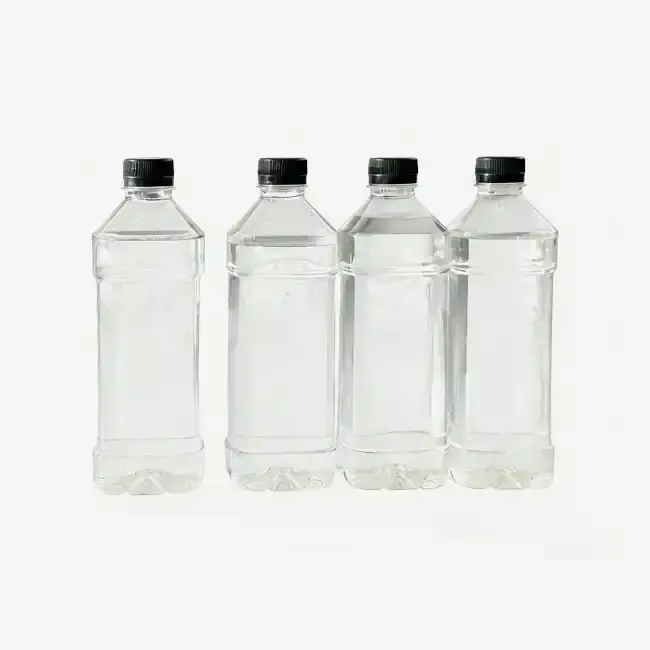
The use of liquid potassium acetate is a big step forward in winter care chemistry. Unlike solid goods that need time to dissolve, this clear, slightly acidic liquid (CAS No.: 127-08-2) starts working as soon as it touches snow or ice. The molecular formula CH₃COOK points to a simple but very useful molecule. Its molecular weight of 98.14 makes it stable and reactive, which means it works where it matters most.
Chemical Stability and Performance Characteristics
Usually, the solution is made with a 50–60% concentration, which lowers the freezing point to -35°C under normal storage conditions. This level of performance is higher than that of regular sodium chloride, which stops working below -9°C. At 20°C, the specific gravity is between 1.25 and 1.29, which is a good density for proper surface penetration and adhesion, even on flat or slanted surfaces like airport taxiways and bridge approaches. The adjusted pH value of 7.5 to 9.2 makes sure that the solution is safe for sensitive materials while still being able to melt ice.
Superior Material Compatibility
One very important benefit is that it doesn't rust. Corrosion rates of 0.033g/m³·h were found on carbon steel, which is much lower than chloride-based options. This feature keeps steel rebar in concrete buildings, metal parts for airplanes, and painted surfaces from wearing down. The chloride content limit of ≤0.01% makes sure that even very small amounts of this corrosive element are not present. When this acetate solution is used on bridge decks, parking structures, and airport facilities, their service lives are greatly stretched. This means that repairs and replacements cost less in the long run.
Environmental and Biodegradability Profile
Many state bodies make decisions about what to buy based on their responsibility to the environment. Biodegradability rates for this liquid de-icer are higher than 95%, which means it breaks down naturally and doesn't build up in soil or groundwater. The amount of heavy metals is still tightly controlled, with lead levels below 0.01%, arsenic levels below 0.0004%, and iron levels below 0.002%. This meets strict environmental discharge requirements. Potassium acetate is a potassium nutrient that can help nearby plants grow when used at the right rates, unlike urea-based goods that add too much nitrogen to waterways. Because it can do two things, it's perfect for use near landscaped areas, farming zones, and sensitive waterways where strict rules about chemical runoff are in place because of environmental protection laws.
Why Liquid Potassium Acetate Is Effective for Snow Melting?
Using regular rock salt causes a lot of problems that get worse over time. When chlorine gets into concrete, it oxidizes the rebar, which causes the concrete to break apart and the structure to collapse. Along cleaned roads, the plants die back. Bridge parts made of metal rust quickly. The equipment wears out faster. These long-term costs often add up to more than the original material savings that make people decide to buy rock salt.
Rapid Activation and Enhanced Melting Efficiency
The liquid version gets rid of the endothermic lag time that is needed for solid crystals to break down into active brine. As soon as the solution is applied, it starts to break up the bond between the ice and the pavement. At -25°C, snow melts at rates of over 85% in one hour. This quick action means that roads are cleared faster, accidents happen less often, and traffic flows better during winter weather events. Instead of waiting for snow to build up and treating the roads after the fact, highway maintenance crews can treat the surfaces ahead of time, putting anti-icing layers that stop the snow from sticking together.
Operational Advantages in Critical Infrastructure
For airport operations to go smoothly, materials like snow melting liquid potassium acetate (CAS NO.: 127-08-2) must be completely reliable and compatible. Aerospace Material Specification (AMS) 1435 rules say that de-icers based on potassium acetate are safe for airplane hydraulic systems, brake parts, and aluminum alloys. As there is no Foreign Object Debris (FOD) from the liquid, there is no chance of granular goods getting into rocket engines. During the de-icing process, the friction coefficients of the runway stay within safe limits. This ensures that operations are safe during takeoff and landing.
Automated spray systems are especially useful for applications on bridge decks. Fixed Automated Spray Technology (FAST) systems work well with liquid acetate mixtures. These systems use sensors in the pavement to find out when it's freezing, and they then apply the right amount of de-icer before it freezes. The low viscosity makes sure that the pump and nozzle work reliably even when the temperature is below zero. Because they are exposed on all sides, overpasses and other elevated buildings freeze before roads that are at ground level. This means that proactive repair is necessary. Potassium acetate solutions protect these weak spots without the upkeep problems that come with nozzles getting stuck or residue crystallizing, which happens in systems that use solid goods that have been reconstituted.
Comparison and Procurement Considerations of Liquid Potassium Acetate
When procurement experts look at de-icing products, they have to make tough choices based on performance, cost, environmental impact, and protecting infrastructure. Figuring out how the various acetate forms stack up against each other helps make the best decisions.
Performance Comparison with Alternative Acetates
Solutions of sodium acetate have similar environmental traits to potassium versions, but they usually lower the freezing point less. Calcium magnesium acetate (CMA) works well, but it costs more and might leave behind dust that needs to be cleaned up again. The right amount of potassium acetate is used to get the best low-temperature performance, good interaction with other materials, and better application properties. In addition to being a plant food, potassium is also helpful, while sodium makes the soil more salty over time.
Liquid Versus Solid Formulations
Solid acetate products need to be dissolved in water before they can be used, which causes delays in applications during critical response windows. Hygroscopic materials can also be hard to store because they can cake or break down when they come in contact with moisture. When kept properly, liquid formulations keep their concentration and performance traits the same over the course of their shelf life. Modern fleet management systems make it easier for liquid application tools to work with them. This lets GPS-tracked exact application rates that make the best use of materials and cut down on waste. Tank trucks with flow meters and computerized controls take exact amounts based on the weather, traffic patterns, and road conditions.
Supplier Evaluation and Quality Assurance
When looking for a trusted provider, you need to look at more than just unit price. Consistency in manufacturing has a direct effect on operational results. Suppliers should provide full proof, like Material Safety Data Sheets (MSDS) and Certificate of Analysis (COA) for each batch, and test data for quality control. Getting ISO 9001 approval means that your quality control systems are well-established. ISO 14001 shows that manufacturing processes are responsible for the environment. Even though KOSHER and HALAL certifications are mostly used for food-grade products, they also show that the production process is very strict and there are checks for contamination that are useful for industrial-grade products as well.
Minimum order amounts, packaging choices, and the ability to handle transportation for snow melting liquid potassium acetate all affect how efficiently buying works. Standard forklifts and other warehouse equipment can easily move 1000L IBC (Intermediate Bulk Container) totes. Flexitank packaging makes it possible to transport large amounts of goods in bulk at a low cost, while also keeping the quality of the goods safe during transport. Lead times are usually between 5 and 7 working days for well-known makers with enough production capacity. However, having security stock on hand lets them fill urgent orders faster during the busiest winter months.
Implementing Liquid Potassium Acetate in Winter Road Maintenance Programs
For acetate-based de-icers to be successfully integrated, maintenance planning, equipment selection, application methods, and staff training must all work together. When companies switch from using chloride to liquid acetate, they need to change how they do things to make the most of the special properties of liquid acetate formulas.
Application Rates and Dosage Guidelines
When used before it starts to rain, anti-icing products usually need 20 to 40 gallons per lane mile. By taking this preventative measure, a chemical barrier is made that stops ice from sticking to the pavement. For current ice buildup, de-icing may need 40 to 100 gallons per lane mile, based on how thick the ice is and how warm it is outside. Automated systems that are set up with sensors on the ground and weather data can adjust the application rates in real time to get the best coverage while using less material. Calibration that is done correctly saves money because too much application loses material without better performance and too little application leaves dangerous conditions unfixed.
Equipment Compatibility and Maintenance
Standard tools for moving liquids work well with potassium acetate solutions. For long-term storage, tanks made of stainless steel or plastic will not rust as easily as carbon steel tanks. After each use, fresh water should be poured through spray bars, nozzles, and pumps to keep lines from freezing. Because they don't have much viscosity, they can be used with regular centrifugal pumps instead of the heating systems that some glycol-based goods need. Regular maintenance schedules make sure that things work reliably all winter long.
Safety and Handling Procedures
Potassium acetate liquids are safer for workers than many industrial chemicals because they have a slightly alkaline pH and are not very harmful. Personal safety equipment is still not needed as much as it is for chloride brines, which are very toxic. Storage areas should be dry, well-ventilated, and away from materials that don't go together. Standard rules for shipping chemicals are followed by transportation, along with the right labels and paperwork. Acetate solutions are easier to manage in warehouses than some organic de-icers because they don't allow bacteria to grow or develop bad smells while they're being stored.
Environmental Stewardship and Regulatory Compliance
A lot of places now control how much salt can get into streams and groundwater. Total Maximum Daily Load (TMDL) limits control the amount of salt in flow that goes into natural water bodies and storm sewers. Potassium acetate is a legal alternative that meets the requirements of the discharge permit while still working properly. Proof of less damage to the environment helps grant applications for money to improve infrastructure and shows that a company is responsible when it comes to public reports. As measured environmental results, organizations can count drops in chloride loading, the prevention of damage to infrastructure, and the protection of plants.
Future Outlook and Industry Trends for Liquid Potassium Acetate Use
The winter maintenance business for snow melting liquid potassium acetate is always changing to find better, more environmentally friendly, and more cost-effective solutions. Acetate-based de-icers are becoming more popular in the US and around the world because of a number of related trends.
Market Growth and Regional Adoption Patterns
In North America and Europe, the need for deicing chemicals that are safe for the environment keeps growing. Purchasing changes toward acetate options are caused by states and provinces that are reducing chloride levels. Airport authorities all over the world know that using compliant de-icing fluids protects infrastructure and improves operational safety. Non-chloride de-icers are growing at faster rates than standard parts of the market. This is because of pressure from regulators and proven performance benefits.
Technological Integration and Smart Infrastructure
Intelligent transportation systems (ITS) and related infrastructure are being used more and more in modern winter repair. Road weather information systems (RWIS) show the temperature, wetness, and roughness of the road surface in real time. Software for maintenance management combines traffic patterns, weather forecasts, and a list of materials to make the best use of resources. Liquid acetate formulations work perfectly with these high-tech systems, allowing precise application that gets the best results while causing the least damage to the environment and saving money on materials. As more decisions are made based on data, solutions that offer consistent performance and expected results in a range of situations are becoming more popular.
Supply Chain Resilience and Strategic Partnerships
Recent problems in the global supply chain show how important it is to have good relationships with suppliers. Companies that work together with manufacturers that have enough production capacity, a secure inventory, and flexible logistics are able to gain a competitive edge. Manufacturers with decades of experience, like well-known Chinese acetate producers who serve markets around the world, offer security that younger companies that are just entering the market can't provide. In commodity chemical markets, where quality and dependability eventually matter more than small price differences, providers are set apart by their technical support, customization options, and quick customer service.
Conclusion
The change from de-icers based on chloride to solutions based on acetate, like snow melting liquid potassium acetate, is more than just a simple product swap. It shows a big change toward long-term, environmentally friendly infrastructure management that balances short-term operational needs with long-term asset protection. Liquid potassium acetate has measurable benefits in the performance metrics that matter most to procurement professionals. These include quickly activating in very cold conditions, protecting valuable infrastructure with materials that work well together, being safe for the environment and meeting regulatory requirements, and being operationally efficient to lower the total cost of ownership. As winter maintenance programs change to adapt to new weather trends and the need for infrastructure robustness, organizations that use acetate-based solutions will be at the cutting edge of best practices in their field.
FAQ
How does the freezing point of liquid potassium acetate compare to traditional rock salt?
Low temperatures make regular rock salt (sodium chloride) useless below about -9°C (-15°F). But good liquid potassium acetate mixtures at 50–60% strength stay useful down to -35°C (-31°F). This wider operating range is very important during very cold spells when regular materials fail completely, leaving roads dangerously icy even after multiple attempts to melt them.
Will potassium acetate damage concrete, steel, or aluminum surfaces?
When made correctly, potassium acetate solutions have corrosion rates on most building materials that are about the same as distilled water. Tests show rates ≤0.03g/m²·h on carbon steel, which is much lower than chloride options that attack these materials directly. The buffered pH and low chloride level (≤0.01%) prevent painted surfaces, steel, and metal aircraft parts from breaking down, which would otherwise shorten the life of infrastructure.
How can I verify a supplier's product quality and reliability?
Ask for full proof, like a Certificate of Analysis that is specific to the batch, the most recent MSDS, and the results of third-party testing. Check for ISO certifications (such as 9001 and 14001) and compliance with industry standards like AMS 1435 for aviation uses. Check the production ability, wait times, and levels of security inventory. Established manufacturers with decades of experience and annual production of more than 100,000 tons show operational stability that smaller suppliers can't match.
Partner with SHANXI ZHAOYI CHEMICAL for Reliable Snow Melting Solutions
You can trust SHANXI ZHAOYI CHEMICAL as a potassium acetate producer for snow melting liquid potassium acetate (CAS NO.: 127-08-2) because they have been doing this for over 30 years. Our yearly capacity of 150,000 tons guarantees a steady supply during the busiest times of the year for demand in the winter, and our ISO 9001, ISO 14001, and ISO 45001 certifications ensure that the quality always meets international standards. We keep security stock so that wait times are only 5–7 working days, and we offer flexible packing in 1000L IBC tanks or cheaper flexitanks. Within two hours, our technical support team answers questions about how to use the product, how to get the best dosage, and how to make sure the product works with other devices. You can email us at sxzy@sxzhaoyi.com to talk about your winter care needs, ask for product samples with full paperwork, or get personalized quotes for large quantities of liquid potassium acetate for melting snow. You can look at our full line of acetate products at zhaoyichemical.com and learn how our solutions protect infrastructure and the environment.
References
1. Anderson, M.J., & Peterson, R.L. (2021). Comparative Performance Analysis of Acetate-Based Deicing Chemicals in Cold Climate Infrastructure. Transportation Research Board Special Report 318.
2. Fischel, M. (2020). Environmental Impact Assessment of Chloride and Non-Chloride Winter Maintenance Chemicals. Journal of Environmental Engineering, 146(4), 04020019.
3. Levelton Consultants Ltd. (2019). Guidelines for the Selection of Snow and Ice Control Materials to Mitigate Environmental Impacts. National Cooperative Highway Research Program Report 577.
4. Nixon, W.A., & Williams, D.J. (2021). Modern Winter Road Maintenance: Technology, Materials, and Management. American Public Works Association Press.
5. Roosevelt, D.S., & Hubbard, S.M. (2020). Corrosion of Infrastructure Materials by Deicing Chemicals: A Comprehensive Review. Materials Performance, 59(8), 42-49.
6.Shi, X., Akin, M., Pan, T., Fay, L., Liu, Y., & Yang, Z. (2019). Deicer Impacts on Pavement Materials: Introduction and Recent Developments. The Open Civil Engineering Journal, 3, 16-27.

USER EVALUATE
Here is the customer's evaluation of us