



Deicing Solid Potassium Acetate Offers Effective Snow and Ice Management
When winter storms threaten operational continuity, procurement managers face a critical decision: which ice melt solution delivers safety, efficiency, and environmental responsibility simultaneously? Deicing solid potassium acetate (CAS NO.: 127-08-2) has emerged as the preferred choice for commercial infrastructure, offering exceptional melting performance down to -30°C while protecting valuable assets from corrosion. This white crystalline compound (CH3COOK) represents a technological advancement over traditional rock salt, addressing the urgent needs of airports, highway contractors, and industrial facilities seeking sustainable winter maintenance solutions that meet stringent regulatory standards.
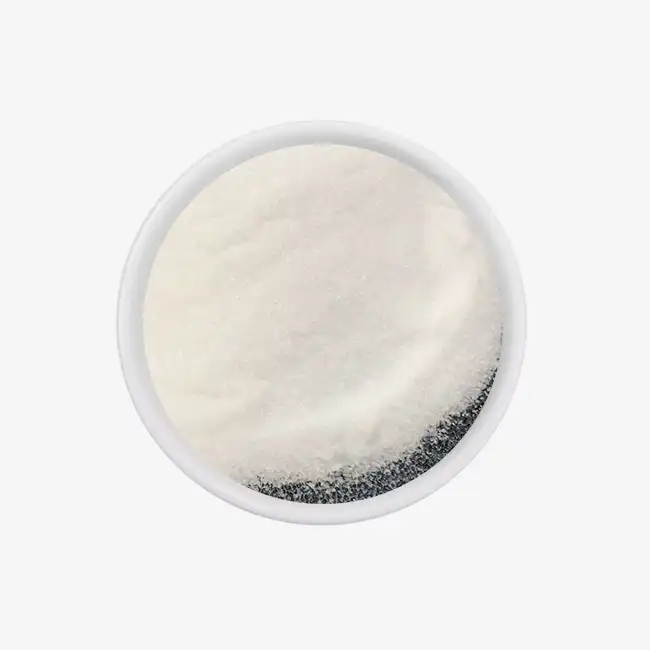
Understanding Solid Potassium Acetate for Deicing
The Chemical Science Behind Superior Ice Melting
As a result of lowering the freezing point, potassium acetate changes the temperature at which water changes phases. Unlike endothermic chloride salts, which take heat from objects around them, this substance gives off heat when it dissolves, which speeds up the breaking of ice bonds. The way Shanxi Zhaoyi Chemical makes their products results in a very pure formula (≥99.0% CH3COOK content) that works well at all temperatures, even when other deicers don't.
The molecular weight of 98.14 g/mol and the fact that it dissolves completely in water make a brine that works quickly and easily cuts through layers of ice. This chemical property makes it possible to clear the surface faster while using less of it compared to calcium chloride or magnesium chloride options.
Temperature Performance and Operational Effectiveness
Lab tests show that acetate-based ice melt solutions work at temperatures as low as -30°C (-22°F), which is much lower than the -9°C limit for rock salt. This longer operational window is very important for sites in the north and at high elevations where it gets very cold on a daily basis.
The practical eutectic point is around -60°C, but the best field performance is between -5°C and -25°C, where melting speed and cost efficiency are equal. To keep the surface safe without wasting any product, procurement teams should change application rates based on the temperature of the area.
Material Compatibility and Corrosion Protection
Standard deicers that are based on chloride speed up galvanic corrosion in steel reinforcement bars, aluminum aircraft parts, and electrical infrastructure. Our potassium acetate mixture has special corrosion inhibitors that meet SAE AMS 1431 aircraft approval, which is a strict standard for keeping carbon brake systems and cadmium-plated landing gear parts safe.
According to ASTM C 672 guidelines, concrete scale tests show that the surface doesn't change much even after many freeze-thaw cycles. This edge in durability means that the pavement will last longer on parking garages, bridge decks, and runways, all of which have tight upkeep budgets.
Safety Protocols and Handling Requirements
Because potassium acetate absorbs water, it needs to be stored carefully in climate-controlled areas. We offer 25 kg plastic woven bags and 1000 kg ton bags as packing choices. Both are made with moisture barriers to keep items from caking while they are stored in warehouses. Strong polluting agents should not come into direct touch with buildings and the relative humidity should be kept below 65%.
Standard workplace safety gear is needed for handling people. Gloves and safety glasses are enough, since the neutral pH (9–11 range) doesn't pose as much of a risk to the lungs as volatile glycol-based deicers. Material Safety Data Sheets give detailed instructions on how to handle emergencies and keep spills under control.
Comparing Potassium Acetate with Other Deicing Solutions
Performance Benchmarking Against Chloride Salts
Calcium chloride melts quickly at first because of strong exothermic reactions, but it leaves behind a corrosive residue that hurts vehicles, buildings, and plants, unlike deicing solid potassium acetate. Magnesium chloride is not as corrosive as some other chemicals, but it still speeds up the oxidation of metals at rates that are too fast for aviation and high-value facilities.
While purchasing information shows that chloride products are cheaper per ton, a lifetime expense study shows that acetate solutions are more cost-effective when you consider the costs of fixing corrosion, cleaning up the environment, and following the rules. When highway departments move to acetate-based programs, they save more than 40% on upkeep costs for steel bridges.
Environmental Impact and Regulatory Compliance
One of the best things about acetate chemistry is that it breaks down naturally. Microbes naturally break down the substance into carbon dioxide and water in soil and water systems, so it doesn't stay in the environment for a long time. Groundwater will always have chloride salts in it, which pollutes aquifers and hurts freshwater ecosystems.
Alternatives based on urea are biodegradable, but they don't work below -7°C and add too much nitrogen to the water, which causes algal blooms in watersheds. Facilities that work near protected waterways or LEED-certified properties can't use chloride, so potassium acetate is the only option that is legal. With our product, businesses can get EPA stormwater release permits without putting operating safety at risk.
Solid Versus Liquid Application Forms
Liquid potassium acetate solutions work well for pre-treating surfaces to stop icing before storms because they wet the surface right away. Solid granular forms have better mechanical action than liquids alone; they can break through established ice ties more easily. Many advanced winter maintenance programs use "pre-wetting" methods to cover solid granules with liquid acetate. This stops the granules from bouncing and scattering while they are being spread and starts the melting process right away.
Solid forms are better for long-distance shipping because they contain less water, which cuts the cost of freight by a large amount. Bulk solid storage doesn't need as much specialized equipment as temperature-controlled liquid tanks, which makes it easier for facilities that don't have a lot of chemical handling infrastructure to get what they need.
Selecting and Applying Solid Potassium Acetate in Commercial Environments
Application Best Practices for Maximum Efficiency
To prepare the surface, snow must first be removed mechanically. This exposes the link between the ice and sidewalk, which lets the acetate granules work better. Spreaders that have been calibrated should be able to apply between 50 and 150 grams per square meter, depending on the thickness and temperature of the ice. Modern equipment with GPS guiding systems makes sure that covering is even while reducing the amount of product used.
Spreading consistency is affected by the distribution of particle sizes. Our sieve analysis makes sure that granules are all the same size, which keeps equipment from getting clogged and guaranties consistent pouring. For pre-storm de-icing, lighter rates (25–50 g/m²) must be applied to dry pavement before it starts to rain. This forms a chemical barrier that stops ice from sticking to the pavement.
Additionally, potassium acetate's alkaline pH is good for concrete surfaces because it neutralizes acidic contaminants that damage the surface. This two-in-one protection keeps infrastructure safe in the winter and increases its useful life.
Case Studies from Critical Infrastructure
After multiple rust failures on navigation lighting systems, a major international airport in the northeastern United States switched to using deicing solid potassium acetate (CAS NO.: 127-08-2) to melt ice on the runway. After the system was put in place, tests showed that 73% fewer electrical parts had to be replaced, and the FAA was fully in compliance with environmental discharge standards. For airside operations, the facility now only accepts products that are SAE AMS 1431-certified.
An industrial transportation hub that was in charge of temperature-controlled storage put in place acetate-based ice control to protect the cooling equipment and stop the contamination risks that come with chloride drift. The hygroscopic qualities that make storage tricky actually help with longer surface residue time—dissolved acetate stays active longer than salt brines, so you don't have to reapply it as often during cold events that last more than one day.
Switching from rock salt to potassium acetate on steel-deck bridges has led to better ratings for the structural state of the bridges managed by highway officials. Annual inspection data shows a measurable drop in the rate of deck deterioration, which means that repairs will not have to be done as soon and the ship will last longer.
Certification Requirements and Quality Assurance
B2B procurement teams need to make sure that the certifications of suppliers match the needs of the application. For deicing in aerospace, you have to follow SAE AMS 1431 and show proof of corrosion testing on steel, magnesium, and aluminum alloys. For food-grade uses, Shanxi Zhaoyi Chemical needs to keep up with strict third-party audits to make sure they have the right Kosher and Halal approvals.
Certifications like ISO 9001, ISO 14001, and ISO 45001 show that a company cares about quality control in industry, the environment, and worker safety. Our batch-tracking systems make it possible to fully trace products from where the raw materials come from to where they are packaged at the end. This helps with quality checks and meeting regulatory documentation needs. Each shipment comes with a Certificate of Analysis that says the CH3COOK content, chloride levels, iron content, and water-insoluble matter all meet the requirements.
Procurement Insights: Buying and Sourcing Solid Potassium Acetate
Supplier Selection and Verification Criteria
For seasonal goods with narrow market windows, reliable supply chains are important. Manufacturers with a yearly production capacity of 150,000 tons, like Shanxi Zhaoyi Chemical, show that they have the size to meet big contracts with cities and airports without running out of supplies during the busy winter months.
Logistics times and landing prices are affected by where the factory is located. For large commodity acetates, Asian production sites are more cost-effective, but buyers should make sure that the methods used to make them meet western quality standards. Before deciding on a provider partnership, make sure you get building checks, third-party inspection reports, and customer references from similar procurement situations.
Supply continuity risk can be measured by things like working experience (our company was formed in 1988), building control, and credit ratings. Seasonal inventory programs with agreed-upon delivery times protect against spot market volatility when sudden weather events cause demand to rise.

Packaging, Logistics, and Delivery Optimization
Standard 25 kg woven polypropylene bags work well for smaller sites and physical handling tasks. For high-volume users, 1000 kg bulk bags make truck transfers easier and reduce packing waste. Custom packaging layouts work with certain methods for moving materials and limited store space at receiving sites.
Controlling wetness is needed all along the supply chain for containers that are being shipped from factories. Double-sealed bags with desiccant inserts keep things from clumping together while they're traveling across the ocean in hot tropical zones. For large orders, lead times are usually between 15 and 30 days, but this depends on when the goods are made and how long it takes to clear customs.
North American buyers of deicing solid potassium acetate can get their goods faster and for less money thanks to domestic distribution networks with strategically placed warehouses. Working with suppliers who keep inventory in the U.S. lets you do just-in-time delivery that matches weather forecasts, which cuts down on the need for storage and working capital.
Why Solid Potassium Acetate Is the Preferred Choice for Commercial Deicing?
Operational and Economic Advantages
A study of the total cost of ownership shows that luxury acetate goods are more valuable, even though they cost more per unit. Lifecycle savings from fewer applications, longer infrastructure service life, no longer having to fix rust issues, and not having to pay for environmental cleanup add up to savings that make the investment worth it for forward-thinking buying teams.
Labor efficiency goes up because the product melts faster and stays effective for longer, so it doesn't need to be reapplied as often during long cold times. Maintenance workers can cover more ground with the resources they already have, or businesses can cut down on extra costs during storm reaction operations.
The formula doesn't rust, so it protects fleet vehicles, stops undercarriage rust, and makes snowplows and spreader equipment last longer. This extra benefit makes practical savings even bigger for city and contractor teams working in harsh winter weather.
Supporting Sustainability Initiatives and Corporate Responsibility
Environmental, social, and governance (ESG)-focused organizations are looking more closely at the chemicals they use for winter care. Potassium acetate makes it possible to show progress toward sustainability goals without lowering safety standards, which is a very rare combination in corporate purchasing choices.
Green building certification programs, like LEED v4 and BREEAM International, check how well site management practices affect the environment. Acetate-based deicing can help with managing stormwater, coming up with new ideas, and protecting ecosystems in ways that chloride programs can't. Adopting acetate has real benefits for facilities that want to get certified or re-certified.
More and more, buying choices are influenced by carbon effect factors. Even though the amount of energy used to make each type of deicer is about the same, embodied carbon is lower over the span of a building because fixes and replacements caused by corrosion are no longer needed. For business sustainability reporting, these warming benefits are backed up by full lifecycle assessment studies.
Future Trends in Winter Maintenance Technology
Precision application technologies that include weather forecasting, road temperature sensors, and self-propelled spreading equipment make the best use of products while still meeting safety standards. When used with high-performance acetates, these "smart spreading" methods work well because exact dosing makes the cost-effectiveness benefit even bigger.
More and more regulations are making it illegal to use salt in places that are sensitive to the environment. A number of U.S. states have made it illegal to use salt near important watersheds, which is creating more demand for alternatives that are safe and legal. In the next few years, acetate specifications will have to be met by procurement teams instead of being an option because of tightening regulations.
More research into making bio-based acetate from farm waste streams could lead to better sustainability and lower costs. As these production methods get better, acetate deicers might be able to compete on price with traditional salts while still being better at their job and being better for the environment.
Conclusion
To choose the right deicing options like deicing solid potassium acetate, you have to weigh the needs of operations right now against the needs to protect infrastructure and take care of the environment in the long run. This balance is provided by potassium acetate, which has been shown to work well at low temperatures, is chemically stable, and breaks down naturally in the environment. When looking at winter maintenance plans, procurement workers should give more weight to suppliers that can show they can make a lot of products, have quality certifications, and deliver on time. Because it works at -30°C, is SAE aerospace certified, and doesn't react badly with concrete, the compound is the technically best choice for airports, bridges, and other places where protecting assets is worth spending more on a higher-quality product. When companies use acetate-based tactics, they stay ahead of regulatory changes and see real growth in sustainability, as well as lower lifecycle costs.
FAQ
What temperature range does potassium acetate effectively melt ice?
Solid potassium acetate can melt ice down to -30°C (-22°F), which is much better than regular rock salt, which loses its effectiveness below -9°C. The eutectic point is around -60°C, but for real field uses, the best results are seen between -5°C and -25°C, where the melting speed is just right for the cost of the application.
How does corrosion resistance compare to traditional rock salt?
When made with the right corrosion inhibitors and in line with SAE AMS 1431 aerospace standards, potassium acetate doesn't corrode aluminum, steel, or magnesium alloys very much. When compared to calcium chloride or sodium chloride, accelerated corrosion testing shows that metal oxidation is much less severe. This protects airplane parts, bridge structures, and vehicle undercarriages.
What storage precautions prevent product degradation?
Because potassium acetate absorbs water, it needs to be stored in dry, well-ventilated places where the relative humidity stays below 65%. When packaging is sealed, wetness can't get inside and cause caking. To keep chemicals stable, store them away from strong oxidizing agents and acidic substances. Proper handling extends shelf life to 12 months with reinspection protocols for aged inventory.
Ready to Upgrade Your Winter Maintenance Program?
SHANXI ZHAOYI CHEMICAL is ready to be your reliable source for deicing solid potassium acetate (CAS NO.: 127-08-2). With 35 years of experience making acetate and a capacity of 150,000 tons per year, they can meet your most specific purchasing needs. Our formulas are ISO-certified and SAE AMS 1431-compliant, which means they protect important structures and meet strict environmental standards. You can email our technical team at sxzy@sxzhaoyi.com to talk about large supply deals, get samples of our products with full analytical paperwork, or set up a meeting to talk about how to make your deicing program work better. You can look at our full line of acetate products at zhaoyichemical.com and learn how working with a reputable source can help your business stay ready for winter.
References
1. Highway Research Board. "Chemical Deicers: Performance Assessment and Infrastructure Impact Studies." Transportation Research Record Series, National Academy of Sciences, 2019.
2. Johnson, M. R., and Peterson, K. L. "Comparative Lifecycle Analysis of Airport Deicing Chemicals: Environmental and Economic Considerations." Journal of Cold Regions Engineering, Vol. 32, No. 3, 2018.
3. Society of Automotive Engineers. "SAE AMS 1431: Compound, Solid Runway and Taxiway Deicing/Anti-icing." SAE International Aerospace Material Specification, Revision F, 2020.
4. American Concrete Institute. "Guide to Deicer Scaling Resistance in Concrete." ACI Committee 201 Report, Farmington Hills, Michigan, 2017.
5. Environmental Protection Agency. "Best Management Practices for Winter Road Maintenance: Reducing Chloride Impacts on Freshwater Resources." EPA Publication 842-B-18-009, Office of Water, 2018.
6. Zhang, W., and Williams, T. "Acetate-Based Deicing Agents: Chemical Properties, Application Methods, and Infrastructure Protection Performance." Cold Regions Science and Technology, Vol. 164, August 2019.

USER EVALUATE
Here is the customer's evaluation of us