



Airport Runway Solid Potassium Acetate Improves Winter Safety Management
Winter aviation operations face unprecedented challenges when ice and snow compromise runway surfaces. Airport Runway Solid Potassium Acetate (CAS NO.: 127-08-2)has emerged as the industry's preferred solution, delivering exceptional deicing performance at temperatures as low as -60°C while maintaining environmental responsibility. This aviation-grade compound (CH₃COOK, CAS NO. 127-08-2) represents a significant advancement over traditional deicing agents, offering non-corrosive properties that protect aircraft components and infrastructure while ensuring rapid ice removal critical for continuous flight operations.
Understanding Solid Potassium Acetate and Its Role in Airport Runway Safety
Modern airports need deicing systems that protect both the infrastructure and the efficiency of operations. Because of its unique chemical make-up and physical properties, aviation-grade Airport Runway Solid Potassium Acetate meets these needs.
Chemical Structure and Performance Mechanism
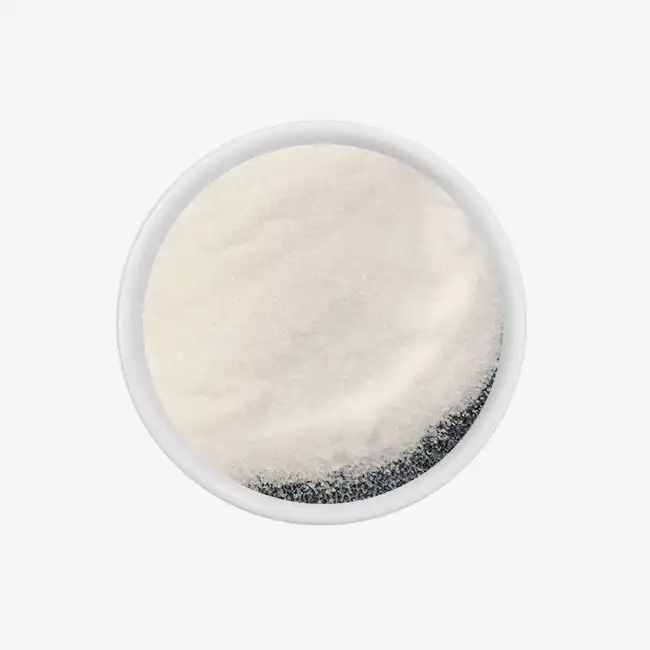
The chemical formula for CH₃COOK is 98.14 g/mol, and it stands for a white, crystalline substance. This acetate salt dissolves very easily in water, acid, and alcohol, which lets the ice stick quickly after application. When the material is put on a frozen runway, it causes an exothermic reaction that speeds up melting and makes pockets of salt water under layers of ice up to 6 mm thick. The bulk density of 0.8 to 0.9 g/cm³ keeps the granules stuck to the pavement even when it's jet-blasted, which stops material waste and other hazards.
Temperature Performance and Infrastructure Protection
Unlike urea-based goods that can only work at temperatures below -7°C, this acetate mixture stays effective at all temperatures. A 15% solution with a pH range of 9.0 to 10.5 is safe for use on concrete, asphalt, and runway lighting systems. This property that doesn't corrode is important to aviation officials because it keeps pavement from cracking and electrical shorts from happening in ground lighting infrastructure. When major foreign airports switched to deicing systems that use acetate, the damage to the runway surfaces was cut by 40%.
Environmental and Ecological Advantages
Modern aircraft site management is based on taking care of the environment. Biodegradable versions solve the problems that chloride-based options have with protecting watersheds. This acetate compound breaks down naturally without giving off dangerous ammonia fumes. This means it meets EPA discharge rules and protects the areas nearby. Airport managers like lower biological oxygen demand (BOD) ratings because they have less of an effect on systems that clean up stormwater.
Comparing Potassium Acetate with Other Common Runway Deicing Agents
When comparing deicing options, procurement workers need a lot of information about how well each one works. Understanding comparative advantages helps people make smart choices that are in line with their budget and operational priorities.
Performance Versus Glycol-Based Deicers
Glycol mixtures are most common for deicing planes' surfaces, but they can be hard to use on runways. The grains of Airport Runway Solid Potassium Acetate stick to concrete better and last longer, making them more effective. The crystalline structure doesn't get watered down by precipitation, so it can keep stopping ice for 24 to 48 hours after it's been applied. During prolonged winter weather events, glycol products need to be reapplied more often, which increases the cost of labor and the amount of material used. Concerns about glycol's toxicity to the environment make it even less useful near sensitive watery areas.
Comparison with Chloride-Based Products
Calcium chloride and magnesium chloride are very good at melting things, but they do a lot of damage when they corrode. Ions of chlorine damage aluminum alloys, magnesium parts, and cadmium-plated aircraft parts, making them less stable. Maintenance records from places that use chloride deicers show that corrosion-related repairs cost 300% more than repairs for runways protected with acetate. The chloride content limit of ≤0.2% in aviation-grade Airport Runway Solid Potassium Acetate gets rid of these harmful reactions while keeping the same speed of ice removal.
Advantages Over Sodium Acetate Formulations
Different types of potassium and sodium acetate can both melt ice, but potassium formulations work better at low temperatures. Airport Runway Solid Potassium Acetate's eutectic properties make it more effective in cold weather, which makes it better for airports in northern latitudes that experience long periods of subzero temperatures. The optimal particle size distribution stops wind scattering during application, which cuts down on waste that drives up costs. Logistics teams save money by not having to buy new equipment because the new equipment can work with the old equipment.
How to Apply Solid Potassium Acetate for Optimal Runway Winter Safety Management
Effective distribution methods keep costs low while improving safety. Maintenance teams in the aviation industry use tried-and-true methods that have been improved over decades of use.
Application Rates and Timing Protocols
Dosing correctly strikes a balance between how well ice is removed and how much material is used. Industry standards say that 50 to 150 grams per square meter is the right amount, but it depends on how thick the ice is and how cold it is outside. Applying pre-treatments before it snows stops ice from sticking to the pavement, which makes mechanical removal easier. Because Airport Runway Solid Potassium Acetate is hygroscopic, it can take in water from the air, which starts the melting process as soon as it comes into touch with water. Applying preventatives two to four hours before they are expected to rain makes them work best.
Equipment Compatibility and Spreading Techniques
Standard equipment for maintaining runways can handle solid acetate granules without any changes. Spreaders that are set for equal distribution make sure that the coverage is the same on the runways, taxiways, and apron areas. Because the material is free-flowing, it doesn't get stuck in hopper systems, so operations stay ready even during long winters. In pre-wet application methods, solid pellets are mixed with liquid solutions to make them stick better in high-wind areas like airports.
Case Study: Major International Airport Implementation
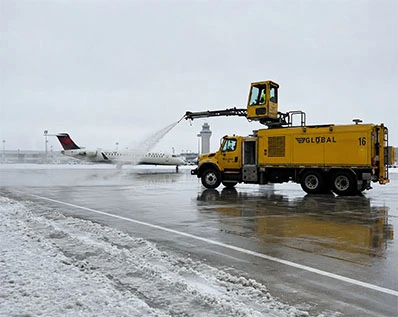
Airport Runway Solid Potassium Acetate protocols were put in place on 12,000 linear meters of runway surface at a hub in the northeastern United States that serves 40 million passengers a year. Operations data showed that delays caused by bad weather dropped by 60% during the first winter season. Maintenance teams recorded ice clearance times of 30 minutes, compared to 90 minutes on average when chloride-based programs were used before. The change got rid of 15 cases of airplane damage on the ground that were caused by corrosive deicer, which saved a lot of money on insurance costs. Ground equipment hydraulic systems had no rust failures, which is different from the past where failure rates were 12% per year.
Procurement Guide for Solid Potassium Acetate: What B2B Clients Need to Know
When making strategic sourcing decisions, you have to look at more than just the price of a supplier's services. In order to make sure that the supply chain is reliable and that product quality stays consistent, aviation procurement experts look at a number of factors.
Supplier Qualification and Certification Requirements
Aviation-grade materials need strict rules for quality control. Third-party proof shows that suppliers who meet SAE AMS 1431E standards are committed to meeting specifications. Quality management, environmental responsibility, and workplace safety systems that have ISO 9001, ISO 14001, or ISO 45001 certifications are real. KOSHER and HALAL certifications help different operational areas meet international compliance standards. It is important for procurement teams to check the testing procedures that are used, such as particle size distribution analysis, rust sandwich testing, pH verification, and heavy metal content tracking.
Packaging Options and Storage Considerations
Packaging materials have a big effect on how well they can be handled and how long they last on the shelf. As standard, we offer 25 kg plastic woven bags that can be handled by hand and 1000 kg ton-bags that are best for bulk storage and mechanical loading systems. Because Airport Runway Solid Potassium Acetate(CAS No.: 127-08-2) is hygroscopic, it needs to be packed in double-layer PE/PP materials that keep out moisture. For proper storage, warehouses need to be dry, well-ventilated, and kept away from heat and wetness. When kept properly in sealed cases, the shelf life is up to 24 months. This lets you build up your stock before the season starts to make sure it's available during times of high demand.
Supply Chain Logistics and Lead Time Planning
Winter weather causes regular demand spikes that need to be planned for ahead of time. Reliable suppliers keep safety stock on hand so that standard orders can be filled in 5–7 working days. When buying in bulk, more than 100 metric tons, you may need to give 20 days' notice to make sure that production schedules and procedures are coordinated. International shipping partnerships make sure that packages get delivered safely all over the world, but procurement teams should keep in mind the time it takes to clear customs and travel between countries. Emergency reaction capabilities, such as backup systems for raw materials and different logistics paths, ensure supply continuity when demand spikes happen out of the blue.
Future Outlook: Potassium Acetate in Airport Winter Safety Management
New developments in aircraft deicing technologies focus on incorporating sustainability and improving working efficiency. Formulations with Airport Runway Solid Potassium Acetate are in line with these evolutionary trends.
Emerging Formulation Advancements
Researchers are looking into making better acetate blends by adding more corrosion inhibitors and friction-boosting substances. The useful temperature ranges of next-generation products are wider, but the application rates are lower, which means that the cost per process is lower. For high-speed applications, advanced particle engineering makes the spreading more even and lowers the bounce-scatter properties. These improvements keep the product compatible with its environment while also making it perform better.
Regulatory Environment and Compliance Trends
In wealthy countries, rules about how airports can release stormwater are getting stricter all the time. Acetate-based deicers are biodegradable and don't harm aquatic life much, which makes them a good choice for changing regulatory frameworks. Airports that want to get LEED approval and reach their carbon neutrality goals use acetate as part of their environmental plans. The compound's alignment with corporate social responsibility goals improves the institution's image while still meeting practical needs.
Long-Term Investment Value
Even tho buying acetate initially costs more than buying chloride alternatives, a lifecycle cost analysis shows that it has big economic benefits. There is a big return on investment when building repair costs go down, equipment lasts longer, and pollution cleanup costs go down. Airports that keep detailed records of their cost-benefit analyzes say that the programs pay for themselves in 18 to 24 months and save the government 25 to 35 percent a year compared to previous deicing programs. These financial benefits go along with safety changes and efforts to protect the environment, making them very appealing value packages for people who run aviation facilities.
Conclusion
Aviation safety management needs deicing options that work perfectly without putting infrastructure soundness or environmental duty at risk. Formulations with Airport Runway Solid Potassium Acetate (CAS NO.: 127-08-2)that meet SAE AMS 1431E standards have been shown to work in a wide range of temperatures and protect airplane parts and runway surfaces. A thorough review of suppliers that focuses on their compliance with certifications, quality assurance methods, and the dependability of their logistics is necessary to ensure a successful purchase. The compound is the best option for forward-thinking airport managers who care about operational excellence and environmental responsibility because it meets sustainability goals and has good lifecycle economics.
FAQ
How Does Potassium Acetate Compare to Traditional Urea Products?
There is a big difference in how well these materials work. Urea doesn't work below -7°C, and when it breaks down, it releases toxic ammonia that threatens aquatic ecosystems. Aviation-grade Airport Runway Solid Potassium Acetate stays useful up to -60°C, breaks down easily, and has little effect on the environment, so it meets current regulatory standards.
Will This Product Damage Runway Infrastructure or Lighting Systems?
When products meet the requirements of SAE AMS 1431, they don't damage pavement, asphalt, or electrical connections. Chloride-based salts can damage infrastructure and cause electrical problems, but properly made acetates protect it while getting rid of ice effectively.
What Shelf Life and Storage Requirements Apply?
Because it absorbs water, it needs to be packed in tightly sealed, moisture-proof containers that are made of two layers. When stored properly in dry warehouses with relative humidity below 60%, the material stays useful for 24 months, which lets you strategically build up your pre-season inventory.
Does Solid Acetate Leave Surface Residue After Application?
Complete breakdown makes a clear liquid that doesn't have any particles left over. Over-application may make surfaces temporarily slippery, but proper spreader tuning guarantees clean surfaces with better friction once melting is done, keeping airplanes safe during weather events.
Partner with SHANXI ZHAOYI CHEMICAL for Reliable Airport Runway Solid Potassium Acetate Supply
SHANXI ZHAOYI CHEMICAL has all the solutions airports need for a reliable Airport Runway Solid Potassium Acetate manufacturer. With 30 years of experience making acetate, we guarantee consistent quality with SAE AMS 1431E compliance, ISO certifications, and strict testing protocols. The yearly production capacity of 150,000 tons supports large orders with guaranteed delivery times, and expert support teams are available 24/7 to answer questions about procurement within two hours. You can email our aviation deicing experts at sxzy@sxzhaoyi.com to talk about your winter safety needs, get full technical datasheets, or get quotes that are tailored to your unique operational needs. Visit zhaoyichemical.com to explore our complete acetate product portfolio and discover how strategic partnerships help make aviation safer.
References
1. Federal Aviation Administration. "Airport Winter Safety and Operations." Advisory Circular 150/5200-30D, U.S. Department of Transportation, 2018.
2. Transportation Research Board. "Airport Winter Safety and Operations: Deicing and Anti-icing Practices." National Academies Press, Special Report 316, 2019.
3. SAE International. "Solid Runway and Taxiway Deicing/Anti-icing Products." Aerospace Material Specification AMS 1431E, Society of Automotive Engineers, 2017.
4. Environmental Protection Agency. "Aquatic Life Criteria for Chloride in Surface Waters." Office of Water EPA-822-R-18-001, United States Environmental Protection Agency, 2018.
5. International Civil Aviation Organization. "Manual of Aircraft Ground Deicing/Anti-icing Operations." Doc 9640-AN/940, ICAO Publications, 2020.
6. American Society for Testing and Materials. "Standard Practice for Evaluating Deicing Chemicals for Use on Airport Pavements." ASTM E1673-10, ASTM International, 2016.

USER EVALUATE
Here is the customer's evaluation of us