



What Makes Deicing Liquid Potassium Acetate Effective for Industrial Ice Control?
Deicing liquid potassium acetate is an effective option for preventing ice formation in industrial facilities because it can lower the freezing point to very low temperatures while offering reduced corrosion concerns compared with chloride-based deicers. As an acetate-based solution, deicing liquid potassium acetate (CAS NO.: 127-08-2)helps inhibit ice formation and can protect critical infrastructure from damage caused by freezing conditions. With a specific gravity that may typically fall within the range of 1.25 to 1.30 depending on formulation, deicing liquid potassium acetate can provide consistent flow and effective surface coverage across demanding temperature conditions. Its biodegradability and suitability for applications meeting relevant aviation and deicing standards make deicing liquid potassium acetate a practical choice for airports, bridge systems, and industrial facilities where worker safety, infrastructure protection, and environmental considerations are important.
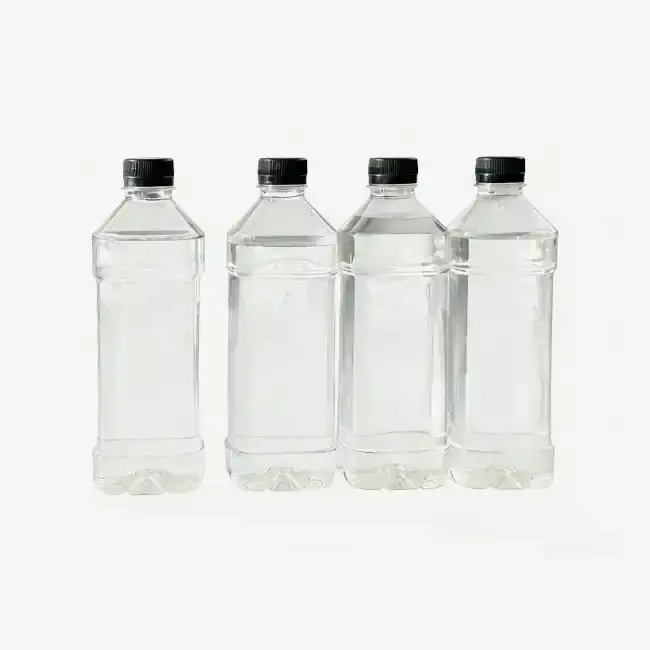
Understanding Potassium Acetate Deicing Liquid: Key Properties and Mechanism
Businesses that have to deal with harsh winter conditions need solutions that they can count on to work when the temperature drops. Liquid potassium acetate solutions for deicing are reliable because they have chemical properties that have been shown by science to work well in even the toughest ice control situations.
Chemical Composition and Molecular Action
Potassium acetate (CH₃COOK, CAS NO. 127-08-2) works well because of the way its molecules are structured. The molecular weight of this clear, colourless liquid is 98.14, and it is slightly acidic, which lets it interact strongly with ice forms. When applied to frozen surfaces, the acetate ions stop water molecules from hydrogen bonding, which means that crystalline ice forms can't stay together. This molecular disruption happens faster than chloride-based alternatives, which means that clearance times are shorter during important operating windows.
The buffered pH range of 7.5 to 9.2 in the fluid keeps the chemicals stable even when the temperature changes. This keeps the acidity from getting too high, which could damage metal parts. This well-balanced mix guarantees consistent performance whether it's used in the cold Arctic or in milder industrial areas that freeze and thaw often.
Temperature Performance Characteristics
Formulations with potassium acetate are unique because they work so well at low temperatures. Lab tests show that professional-grade solutions work even at temperatures as low as -60°C, which is much better than regular deicers. This wider operating range is very important for airports that have to manage early morning flight schedules and logistics hubs that have to keep running 24 hours a day during bad weather.
The solution stays liquid at room temperature, so it doesn't have the problems that come with using granular goods. This fluidity lets the product be evenly spread by automatic spray systems and tanker applications, so it covers the whole area without having to be spread by hand. Industrial facilities can keep ice from forming better and save money on labour at the same time.
Infrastructure Compatibility and Corrosion Prevention
Corrosion is one of the most expensive effects of choosing the wrong deicer. Traditional chloride salts speed up oxidation in steel parts for bridges, aeroplanes, and concrete rebar, which causes structures to fail early and costs a lot to fix. Potassium acetate deicers don't pose these risks because they don't contain chloride.
According to ASTM F 483 Total Immersion Corrosion standards, corrosion has almost no effect on sensitive metals like cadmium and magnesium used in aeroplane parts. When managers of bridge infrastructure switch from chloride-based products to acetate solutions, the deck surfaces and support structures last longer. When you look at the financial effects over longer periods of time, like over several years, it's easy to see how the avoided replacement costs and longer maintenance times add up.
Comparative Analysis: Potassium Acetate vs Alternative Deicing Solutions
When procurement workers look at ice control options, they have a lot of choices, and each one has its own pros and cons. By knowing how deicing liquid potassium acetate stacks up against other technologies, you can make smart choices that are in line with your budget and operational needs.
Performance Benchmarking Against Chloride Deicers
Because they are cheap to buy, chloride-based products like sodium chloride and calcium chloride rule the traditional deicing market. But a full lifecycle study finds hidden costs that change total cost calculations in a big way. Chloride salts can only melt at temperatures between -18°C and -25°C, which makes them less useful during very cold spells. Because they are corrosive, broken equipment, protective coatings, and infrastructure parts need to be replaced often.
With potassium acetate solutions, things melt better over a wider range of temperatures and don't break down because of corrosion. More and more, aviation authorities require acetate-based fluids for use on the runway because chloride contamination weakens the safety systems and structural integrity of aircraft. The investment in the transition pays off because it cuts down on maintenance needs and improves operating reliability during weather problems that would normally force planes to land or shut down important transportation routes.
Environmental Impact Comparison with Glycol and Urea Products
Glycol-based deicers, especially propylene glycol, remove ice well but cause a lot of problems for the environment. When these products get into waterways, they have a high Biochemical Oxygen Demand (BOD), which means they use up oxygen that is needed for the health of aquatic ecosystems. It's hard for municipal wastewater treatment plants to handle runoff that is high in glycol, especially when it's really busy in the winter.
The environmental effects of options based on urea are even worse. As urea breaks down, it releases ammonia compounds that are harmful to fish and other aquatic life. Regulatory agencies in North America and Europe have put in place stricter limits on discharge, which makes it harder for sites near sensitive watersheds to use urea products.
Liquid potassium acetate used for deicing breaks down quickly without making harmful waste or needing too much air. Microbes can break down the acetate part into carbon dioxide and water naturally, even when the temperature is low. Environmental compliance officers like how acetate options make following the rules easier while also helping the company reach its sustainability goals. This benefit for the environment is especially useful for airports and industrial parks that have to closely watch their output and could be held responsible for damage to the environment.
Total Cost of Ownership Analysis
Potassium acetate formulations may have higher initial purchase costs than granular chloride products, but smart buyers look at the total cost of ownership over the entire operational lifecycle. The estimate needs to take into account the value of maintaining infrastructure, the costs of following environmental rules, the efficiency of labour, and the value of maintaining operations.
Liquid acetate solutions are the most cost-effective for facilities that use automated spray systems. Higher chemical costs per unit were balanced out by fewer storage spaces needed for bulk granular materials, less equipment wear from corrosion, and lower costs for cleaning up the environment. Fewer claims of damage to aircraft and shorter delays on the ground are especially good for aviation operations, which directly protects income during the winter.
Best Practices for Application and Storage
Paying attention to the right way to handle, apply, and store deicing liquid potassium acetate is important for getting the most out of it. When industrial users follow these best practices, they get better results, make the products last longer, and keep the workplace safe.
Optimal Storage Conditions and Container Selection
When kept in the right way, deicing liquid potassium acetate solutions can be used for a very long time. Facilities should set aside building space that is dry, well-ventilated, and away from heat sources and materials that don't go together. Temperature changes within standard warehouse ranges don't affect the stability of chemicals, but keeping them from freezing in very cold weather does help keep them fluid and ready to use.
The choice of container has a big effect on how well the product stays intact over long periods of time. High-density polyethylene (HDPE) barrels, fibreglass vessels, and tanks made of stainless steel (304 or 316 grade) all work well together. 1000L IBC tanks and flexitank packaging choices make moving large amounts of goods easier and protect them while they're being stored and transported. By staying away from unlined carbon steel, you can avoid minor discolouration that won't affect performance but might raise quality concerns during visual inspections.
Storage facilities should use clear labelling systems to show what's inside, how concentrated it is, and when it was received. Even tho the product stays stable over time, lab analysis that checks the pH levels and acetate concentration once a year is necessary for mission-critical applications to make sure the quality.
Application Techniques for Maximum Effectiveness
More effective than reactive deicing methods are anti-icing applications that are done before it starts to rain. Tanker spray systems should use the right amounts of potassium acetate solutions to cover the road surfaces. This will create a chemical shield that stops ice from sticking to the surface. This proactive approach keeps surface friction coefficients at levels that are necessary for planes to fly and cars to drive safely.
Application time is very important for getting the best results. Monitoring the weather lets facility managers start de-icing processes two to four hours before it's supposed to rain, which gives the chemicals time to spread out and reach all surfaces. Spray equipment that is set up to give even coverage at the right flow rates makes sure that chemicals are used efficiently without being overapplied, which is wasteful.
Fixed Automated Spray Technology (FAST) systems are put on bridge structures to make precise applications. Sensors that measure the temperature and moisture of the pavement set off these systems. These automated systems work perfectly with liquid potassium acetate mixtures, giving out precise amounts that stop ice from forming while reducing chemical use and waste into the environment.

Safety Protocols and Handling Procedures
Although potassium acetate is not as dangerous as some other deicers, it is still important to follow the right steps when dealing with it to keep people safe and maintain the quality of the product. Normal safety gear, like chemical-resistant gloves and safety glasses, should be worn by workers during machine maintenance and transfer tasks. Because the product is non-flammable (flash point above 100°C), it doesn't pose the fire risk that some glycol-based alternatives do.
Instead of letting the spill go into the environment, spill response methods should deal with accidental releases by containing them and cleaning them up. The high specific gravity of the solution makes pumping operations easier for cleaning up spills. Because the product isn't very toxic, even small releases shouldn't do too much damage to the environment. That's why facilities should keep spill kits with absorbent materials and include neutralisation protocols in their emergency response plans.
Transportation rules should make sure that containers are placed safely and are not damaged while being moved. Care must be taken during unloading so that containers don't get punctured or valves get damaged. These safety measures keep the integrity of the product and keep workers from getting hurt, which could affect the readiness for winter operations.
Procurement Insights and Supplier Selection for Potassium Acetate Deicing Liquid
Strategically sourcing deicing chemicals has a big effect on how well operations run and how well the budget is managed. When choosing a supplier, people who work in procurement need to look at more than just the basic product specs. They also need to look at things like service reliability, technical support, and the resilience of the supply chain.
Manufacturing Standards and Quality Certifications
Industrial buyers should give suppliers with written quality management systems more weight. ISO 9001 certification means that there are set procedures for making sure that products are consistently made and that quality is controlled. Environmental management certification (ISO 14001) shows a dedication to environmentally friendly production methods, and ISO 45001 confirms safety rules for manufacturing workers.
SHANXI ZHAOYI CHEMICAL has all three ISO certifications and also holds specialised credentials like KOSHER and HALAL certifications, which make sure that the products they sell are pure and can be used in places that need strict controls on contamination. Our starting in 1988 gives us 30 years of experience making acetate, which gives us the process knowledge we need to make products that meet specifications for a wide range of uses.
Quality assurance includes more than just certifications. It also includes strict rules for checking batches. A full study of each production run checks the concentration of acetate, the amount of trace metals present, the stability of the pH, and the levels of contamination. Certificates of Analysis that come with every shipment make it possible to track the goods and show that they meet quality standards for government requirements and internal systems.
Supply Chain Reliability and Logistics Considerations
Winter weather causes predictable increases in demand that put a lot of stress on supply lines that don't have enough capacity or good inventory management. Procurement managers should compare a supplier's production ability to what they think they will need. This way, they can make sure that the factory is big enough to handle large orders without missing delivery dates.
With a production capacity of 150,000 tonnes per year, acetate products are kept in stock so that orders can be filled quickly. Just-in-time purchasing strategies are supported by standard production lead times of 5–7 working days. Emergency inventory provisions make it possible to deliver in-stock items 24 hours a day when sudden weather events require urgent restocking.
Logistics partnerships make sure that goods get to facilities when they're most wanted. When you have good relationships with international shipping companies, you can get competitive freight rates and guaranteed container space during busy shipping times. Different buyers have different preferences when it comes to buying things, and flexible trade terms like FOB, CIF, and DAP arrangements make foreign transactions easier for businesses that do business in more than one country.
Technical Support and Application Optimization
The technical knowledge of the supplier has a big effect on how well the product works. Engineering help that optimises application rates, equipment configurations, and integration with existing infrastructure systems is helpful for complex industrial applications. Technical teams that are quick to respond help with troubleshooting when operating problems arise during major weather events.
24/7 technical support specialists can answer questions about deicing liquid potassium acetate applications, recommend equipment adjustments, and provide guidance on optimizing product usage. This consultation can include testing programs designed to confirm that deicing liquid potassium acetate(CAS NO.: 127-08-2) performs effectively under specific site conditions before full-scale implementation. Procurement partnerships that extend beyond basic chemical supply relationships can create additional value by allowing suppliers and customers to work together on application challenges, equipment improvements, and operational efficiency. Ongoing technical support for deicing liquid potassium acetate can also help users refine application methods and respond to changing weather or site requirements. By maintaining close cooperation with experienced suppliers, organizations can improve the long-term effectiveness and efficiency of deicing liquid potassium acetate in winter maintenance operations.
Environmental and Safety Considerations of Using Potassium Acetate Deicing Liquid
Being responsible for the environment and making sure workers are safe are two things that modern businesses must do. Choosing deicing solutions that are in line with goals for protecting the environment and workers' safety shows that a company is responsible and follows the rules.
Biodegradability and Ecological Impact
Potassium acetate is different from chemicals that last a long time because it breaks down quickly in living things. Microbes that live in soil and water naturally break down acetate compounds into carbon dioxide and water without building up any toxic intermediates. This biological breakdown works well even at low temperatures, so environmental processing can continue during the winter, when the most applications are made.
Compared to chloride salts and urea products, the solution is not very harmful to water. Some fish and sensitive invertebrate species can handle being exposed to acetate at levels higher than what is normally found in the environment. More and more, environmental permits favour acetate-based deicers for use near protected rivers and sensitive habitat areas. This is because they are better for the environment.
Biochemical Oxygen Demand (BOD) tests show that adding potassium acetate to deicing liquid lowers the amount of oxygen in the air much more than glycol and urea. Wastewater treatment plants can efficiently handle runoff that is high in acetate without overburdening biological treatment systems or needing special handling techniques.
Regulatory Compliance and Documentation
European environmental laws and instructions from the US Environmental Protection Agency set strict rules for the release of chemicals and the protection of the environment. Facilities that use potassium acetate benefit from its good regulatory profile. Many places explicitly allow acetate-based deicers to be used without any restrictions.
Comprehensive Safety Data Sheets (SDS) give important details for safety programs at work and planning how to handle emergencies. These papers explain how to handle the substance safely, give first aid, and clean up a spill in a way that follows the rules and keeps people safe. Documentation about material safety makes hazard communication programs easier, which is required by safety rules at work.
More and more, environmental discharge permits include conditions that limit the amount of chloride that can be released and the use of toxic deicers in sensitive places. Potassium acetate-based formulations meet these needs while still being effective, allowing facilities to meet environmental standards without affecting winter safety or the continuity of operations.
Conclusion
Potassium acetate deicing solutions offer several advantages that make deicing liquid potassium acetate suitable for ice-control applications in industrial environments. Airports, bridge systems, and industrial facilities can benefit from deicing liquid potassium acetate because it can provide effective performance at low temperatures while helping reduce corrosion concerns and supporting environmental objectives. Procurement professionals seeking reliable winter operations are increasingly considering the long-term value of investing in high-quality deicing liquid potassium acetate, including potential benefits related to infrastructure protection, environmental management, and operational continuity. Partnering with established suppliers that provide technical expertise and dependable supply chains can give buyers consistent access to deicing liquid potassium acetate backed by manufacturing experience, quality control, and application support. For demanding winter maintenance programs, deicing liquid potassium acetate (CAS NO.: 127-08-2)can therefore be an important part of a comprehensive strategy for safe and reliable ice management.
FAQ
What temperature range does potassium acetate remain effective?
Potassium acetate deicing formulations maintain ice melting effectiveness at temperatures reaching -60°C (-76°F), though practical operational ranges typically extend to -29°C to -35°C depending on dilution rates and precipitation intensity. This broad temperature capability far exceeds chloride-based products and enables applications in the most severe arctic and alpine conditions.
Can potassium acetate damage aircraft components or runway infrastructure?
Extensive testing according to SAE AMS 1435 aerospace specifications confirms that properly formulated potassium acetate solutions do not corrode aircraft aluminum alloys, landing gear components, or runway concrete when applied at recommended concentrations. The non-chloride chemistry eliminates the structural degradation associated with traditional deicing salts.
How should facilities store bulk quantities of potassium acetate solution?
Store potassium acetate in stainless steel, HDPE, or fiberglass containers within dry, ventilated warehouses protected from extreme heat. The product maintains indefinite shelf life under proper storage conditions, though periodic quality verification after two years ensures maintained concentration and pH stability for mission-critical applications.
Partner with SHANXI ZHAOYI CHEMICAL for Reliable Deicing Solutions
Industrial operations demand deicing liquid potassium acetate suppliers who deliver consistent quality and dependable service throughout demanding winter seasons. SHANXI ZHAOYI CHEMICAL brings over thirty years of acetate manufacturing expertise, supported by 150,000 tons annual production capacity and comprehensive ISO certifications. Our technical team provides 24/7 application support while our established logistics network ensures timely delivery even during peak demand periods. Whether your facility requires anti-icing solutions for airport runways, automated bridge spray systems, or industrial site protection, we offer customized formulations packaged in convenient 1000L IBC tanks or flexitanks. Contact our procurement specialists at sxzy@sxzhaoyi.com to discuss your specific requirements and discover how our potassium acetate solutions protect your infrastructure while supporting environmental objectives.
References
1. Transportation Research Board. "Airport Winter Safety and Operations." National Academy of Sciences, 2021.
2. American Society for Testing and Materials. "Standard Specification for Non-Petroleum-Based Liquid Anti-Icing Compounds." ASTM International, 2020.
3. Environmental Protection Agency. "Evaluation of Environmental Impacts from Airport Deicing Operations." Office of Water, 2019.
4. Society of Automotive Engineers. "SAE AMS 1435: Fluid, Generic, Deicing/Anti-Icing Runways and Taxiways." SAE Technical Standards, 2018.
5. Canadian Environmental Protection Act. "Priority Substances List Assessment Report: Road Salts." Environment Canada, 2020.
6. International Civil Aviation Organization. "Manual of Aircraft Ground Deicing/Anti-icing Operations." ICAO Documentation, 2021.

USER EVALUATE
Here is the customer's evaluation of us