



Liquid Potassium Acetate Helps Airports Maintain Snow-Free Runways Efficiently
When winter storms threaten airport operations, maintaining safe runway conditions becomes a mission-critical priority. Snow melting liquid potassium acetate (CAS NO.: 127-08-2)has emerged as the preferred solution for airport operators seeking reliable de-icing performance without compromising infrastructure integrity or environmental safety. This colorless, biodegradable liquid (CH3COOK) achieves freezing point depression to -35°C while maintaining corrosion rates below 0.03g/m²·h on critical aircraft components. Unlike traditional chloride-based compounds that damage concrete and aluminum surfaces, this acetate-based formulation protects both runway infrastructure and aircraft landing gear while ensuring operational continuity during severe weather events.
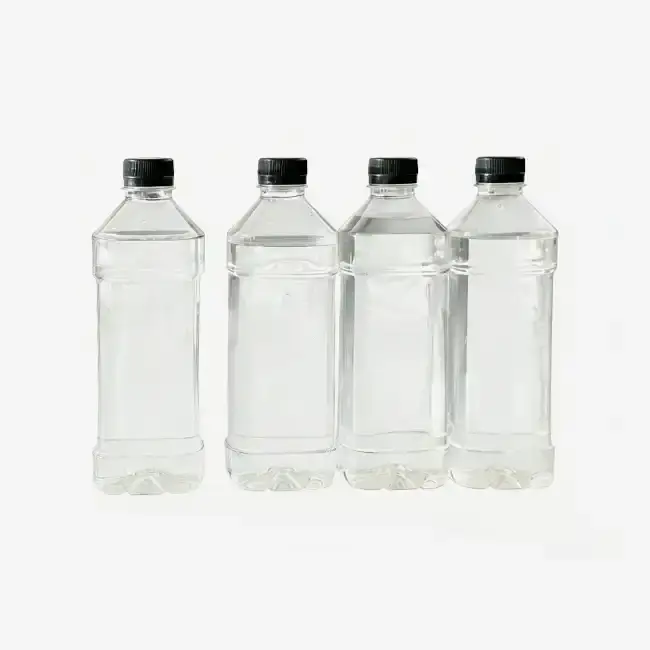
Understanding Liquid Potassium Acetate and Its Key Properties
Any substance used to melt ice on a runway depends on what chemicals are in it and how it reacts physically in harsh conditions. Snow melting liquid potassium acetate (CAS NO. 127-08-2) is a big step forward from older de-icing chemicals. It gives airport managers a scientifically better option that meets both performance and safety issues.
Chemical Composition and Molecular Characteristics
This is the molecular formula for a compound with a molecular weight of 98.14. It is a clear, colorless liquid that smells slightly acidic. When mixed at amounts between 50 and 60%, the solution lowers the freezing point remarkably while keeping a fluid viscosity that works with current spray equipment. The acetate ion structure acts as a buffer to keep pH levels stable between 7.5 and 9.2. This creates an alkaline environment that protects metal surfaces from oxidation.
This chemical makeup is better than sodium chloride or calcium chloride options in a number of ways. Because the potassium cation bonds with concrete less strongly, it stops the flaking and surface wear that happens with chloride-based goods. The acetate anion, on the other hand, breaks down quickly in soil and water, with a biodegradability of over 95% according to normal testing methods.
Physical Properties for Cold-Weather Performance
Low viscosity is still needed for efficient application with both automatic spray nozzles and hand-held spreading tools. Even when the temperature drops to -30°C, the solution can still be pumped without crystallizing or splitting into different phases. This feature gets rid of the dissolve wait time that comes with solid de-icers, which have to melt the ice around them to make active brine before they can melt the ice.
At 20°C, the specific gravity is between 1.25 and 1.29, which is high enough to make it dense enough to break thru snow layers and make touch with ground. In the field, tests show that the snow melts at rates higher than 85% in one hour at -25°C, which is a lot better than other options in the same situation. This quick response feature cuts down on the time between applying for a runway and it reopening, which means that operations are interrupted less often during bad weather.
Safety Protocols and Handling Requirements
The safety of both the product and the people handling it depends on how it is stored and handled correctly. The solution should be kept in stores that are dry, well-ventilated, and away from sources of heat and water. Containers need to be handled carefully during travel so that they don't get damaged in a way that makes enclosure less effective. As standard packaging, 1000L IBC tanks make it easy to handle at airports, and flexitanks make it cheap to move large amounts of goods.
When choosing tools, material suitability is taken into account. Plastics made of fiberglass, polyethylene, and stainless steel can be used to hold things without breaking down. To keep carbon steel systems from breaking down over time, corrosion inhibitor formulations are needed. Standard chemical safety rules say that people who handle the product should wear protective clothing and eye protection. However, this formulation doesn't pose as much of a risk of toxicity as chloride-based options.
Why Liquid Potassium Acetate is Ideal for Airport Runway Deicing
When running an airport, you need deicing solutions that meet strict performance standards and keep expensive infrastructure and sensitive aircraft parts safe. Formulations based on snow melting liquid potassium acetate have special properties that make them better at meeting these needs than other options.
Superior Environmental Profile Compared to Traditional Agents
Because they are cheap, chloride-based de-icers have long dominated the market. However, their effects on the environment are becoming more and more unacceptable. Both sodium chloride and calcium chloride pollute groundwater, build up in the soil, and hurt plants that grow next to cleaned areas. These chemicals stay in communities for a long time, having effects on the environment that last well past winter.
The way snow melting liquid potassium acetate products behave in the world is very different. Acetate ions are easily broken down by microorganisms in water and soil, turning them into carbon dioxide and water thru natural biodegradation pathways. This quick breakdown keeps chemicals from building up in environments around airports that are sensitive to them. This keeps chemicals from polluting forests, streams, and groundwater sources. Studies on plant tolerance show that snow melting liquid potassium acetate doesn't pose much of a threat to wild areas and gardening, even when it's exposed over and over again.
Compliance with regulations is another important thing to think about. More and more, aviation authorities require environmental impact assessments for operations that clear ice off of runways. Products that meet the standards of AMS 1435 show that they are compatible with materials used in airplanes and meet the requirements for environmental discharge. Our formula gets the chloride level below 0.01%, which gets rid of this long-lasting impurity from the application stream.
Aircraft and Infrastructure Protection
One of the most expensive parts to maintain in flight is corrosion damage. Landing gear, brake systems, and aluminum fuselage parts that are exposed to chloride de-icers rust faster, which means they need to be replaced too soon and raises safety issues. Because snow melting liquid potassium acetate formulas are not corrosive, this equation for upkeep is completely changed.
Corrosion rates of ≤0.03g/m²·h were measured in the lab using standards from the aerospace industry on carbon steel surfaces. This is about the same as exposing them to pure water. Even better resistance is shown by aluminum alloys that are often used to build airplanes, which show almost no corrosion under normal test conditions. This compatibility between materials makes equipment last longer and costs less to own for both aircraft and ground support equipment.
De-icing with snow melting liquid potassium acetate works well on both concrete and steel rebar structures. When chloride compounds are exposed to airport taxiways, aprons, and parking lots made of reinforced concrete, they slowly break down. When salt gets into inserted rebar, it starts rusting, which breaks down the concrete and makes the structure weak. Snow melting liquid potassium acetate completely stops this process of degradation, protecting investments in infrastructure and avoiding expensive repairs.

Operational Efficiency in Extreme Weather
Winter weather puts operational pressures on de-icing systems, which needs to be done quickly and reliably. When the liquid form comes in contact with snow and ice, it starts working right away, without having to go thru the endothermic dissolution phase that solid forms need. Application workers clear the runway faster, which cuts down on the time between closures and keeps flights on schedule during bad weather.
Snow melting liquid potassium acetate formulas are different from other goods because they work better at higher temperatures. Our 50–60% snow melting liquid potassium acetate solution melts consistently down to -35°C, while rock salt loses its effectiveness below -9°C and calcium chloride has trouble below -26°C. This wider operational range is very important for airports in northern climates that are experiencing severe cold snaps, as it keeps runways open when traditional de-icers would have to be turned off.
Foreign Object Debris (FOD) problems are not a problem with solid de-icing products because they don't have any leftover particles. Products made from rock salt and sand leave grit on runways that can hurt jet engines, break tires, or mess up sensitive flight systems. These risks are completely avoided when clean liquids are used, which improves both safety and operational efficiency.
Application Methods and Best Practices for Airports
For runway de-icing operations to work best and save the most money, they need to follow specific application protocols that are based on the weather and the needs of the facility. Modern airports use advanced systems to keep an eye on the weather and automate application processes that make the best use of snow melting liquid potassium acetate while still meeting safety standards.
Timing and Dosage Strategies
Reactive de-icing after snow accumulation doesn't work as well as anti-icing that is applied before it rains or snows. Forecasting tools for the weather now give us enough time to take preventative action. By using a snow melting liquid potassium acetate solution before it snows, you can stop ice from sticking to the ground. This lets motorized snow removal equipment do a better job with less chemical use.
The rates that are suggested depend on the weather and the amount of time that you want the product to last. For light snow forecasts, rates of 40 to 60 liters per 1000 square meters may be enough. On the other hand, rates of up to 100 to 120 liters per 1000 square meters are needed for heavy rain or storms that last for a long time. Monitoring the weather in real time lets operations teams change their application methods on the fly, which makes the best use of chemicals without sacrificing safety.
Temperature-dependent dosing protocols take into account how the environment affects the performance of de-icing. When it's close to freezing, lower spray rates are enough to keep ice from forming. As temps drop to -20°C or lower, higher doses are needed to keep the freezing point depression strong enough to keep working. Adjustments like these can be made automatically by spray systems that are connected to weather stations.
Equipment and Application Technology
Modern application tools makes covering more even while reducing chemical waste. Large spray trucks with computer-controlled nozzle arrays make sure that the material is spread evenly across the runways. With boom widths that range from 12 to 15 meters, standard runway dimensions can be quickly treated. For example, a typical 45-meter runway width can be cleared in three passes.
Fixed Automated Spray Technology (FAST) systems are the most advanced way to clear ice off of runways. Underground piping networks with pop-up spray nozzles buried in the sidewalk make up these permanently installed systems. When the weather conditions call for treatment, sensors set off an automatic system that applies the right amount of chemicals without the need for a car to be moved. The liquid format works perfectly with these high-tech systems and can move thru distribution networks without getting clogged up like solid-based options can.
Maintenance plans for application equipment make sure that it works well and lasts a long time. Spray nozzles need to be checked for wear patterns that might affect the even spread of the spray every so often. Every year, storage tanks need to be cleaned to get rid of the sediment that builds up. System winterization protects equipment while it's not in use, especially in places where freeze-thaw cycles can damage systems that aren't properly emptied.
Storage and Inventory Management
Good inventory management finds a balance between making sure there are enough supplies and keeping them in a way that doesn't cost too much. Changeable winter weather makes demand uncertain, which makes forecasting hard. Successful businesses keep just the right amount of stock on hand to handle sudden severe weather events, but not too much stock that takes up valuable warehouse space and capital.
The snow melting liquid potassium acetate solution is stable across normal warehouse temperature ranges, so temperature-controlled keeping might not be needed. Protecting products from direct sunlight and extreme heat keeps their quality over multiple storage seasons. Protocols for inspecting containers find possible leaks or damage before they are sent out into the field. This keeps them from breaking down during important activities.
By rotating goods, you can make sure that older items are used first, which lowers the risk of quality loss over time. First-in, first-out inventory management is a good way to run a business, especially since the product stays stable for long periods of time. Documentation systems that keep track of lot numbers and dates of manufacture make it easier to track quality all the way thru the supply chain.
Procuring Liquid Potassium Acetate for Airport and Industrial Use
Strategic decisions about where to get supplies have a big effect on operational costs and the reliability of supplies. To find snow melting liquid potassium acetate suppliers who can meet the strict operating needs of airports, procurement workers have to look at more than just unit price.
Supplier Evaluation Criteria
Manufacturing capacity and consistency of production set qualified suppliers apart from marginal providers. Factories that make more than 100,000 tons of goods a year use economies of scale to keep their prices low and their inventory levels high so they can fill orders quickly. With production sites that can handle 150,000 tons of goods a year, SHANXI ZHAOYI CHEMICAL makes sure that there is a steady supply even during the busiest winter months.
Quality certifications give unbiased approval of the standards and rules used in production. ISO 9001 certification proves that quality management is done in an organized way, and ISO 14001 certification proves that environmental management is important. Specialized certificates like KOSHER and HALAL show that a company can meet the needs of a wide range of customers and keep high output standards. These certifications show that money has been spent on quality systems that help all customers, not just those who meet certain certification requirements.
Suppliers who are strategic partners have technical support capabilities that set them apart from those who only do business with you. Having access to application specialists who know how airports work adds a lot of value on top of the chemical product itself. Responding quickly to technical questions about formulation, application problems, or performance optimization within two hours shows customer commitment, which is very helpful during weather emergencies.
Supply Chain Considerations
Logistics skills have a direct effect on both operational readiness and total cost of ownership. Keeping smart inventory near groups of major airports helps suppliers cut down on shipping costs and delivery times. We have built relationships with foreign shipping companies that allow us to offer cheap freight rates for large orders and guaranty on-time delivery.
The versatility of packaging meets a wide range of operating needs and storing needs. Large airports that have their own facilities for storing chemicals may prefer flexitank shipments that save money on packaging for large amounts of use. 1000L IBC tanks are useful for smaller businesses or airport systems with multiple sites because they are easy to handle and give you more storing options. Instead of forcing standard solutions on customers, qualified suppliers offer packaging options that are made to fit their needs.
Lead times for production affect planning cycles for buying things. Suppliers with specialized snow melting liquid potassium acetate production lines can get regular formulas to customers in 5 to 7 business days, which lets them quickly fill orders. Custom recipes that include certain additives or changes to the strength may need longer wait times for formula development and quality assurance. Clear information about expected timelines keeps operations from being interrupted.
Quality Verification and Product Specifications
Technical datasheets give you important information for figuring out if a product is right for you. Some important specs are the amount of snow melting liquid potassium acetate, the maximum amount of impurities, how well it freezes, and how it reacts to rust. Before making a purchase commitment, these parameters are compared to operational requirements and aviation industry standards to make sure that products meet performance expectations.
Third-party testing provides extra quality assurance for procurement strategies that don't want to take risks. Independent labs can compare what a product says it can do with how it actually works. This kind of objective proof is especially helpful for the first round of seller qualification. Reputable manufacturers like these kinds of tests because they show that their products are of good quality and that they build them consistently.
Sample testing programs let operations be evaluated before big decisions are made about what to buy. Asking for sample amounts for field trials lets you directly evaluate performance in real-world operating conditions. Testing should check how well it melts, how it reacts to corrosion on materials used in airports, and how well it works with current application equipment. When a sample performs well, it gives buyers trust to increase the amount they buy.
Future Trends and Innovations in Runway Deicing
The business that clears runways of ice keeps changing as technology improves and rules are updated. By keeping up with new developments, airport managers can use new ideas that boost performance while keeping costs low through snow melting liquid potassium acetate.
Enhanced Formulation Technologies
The main goal of research projects is to make low-temperature performance better than it is now. Advanced corrosion inhibitor packages keep metal passivation at lower concentrations, which could mean that less material needs to be applied while still protecting it. Viscosity adjusters increase the useful working temperature range, making it possible to use the substance effectively at temperatures close to -40°C.
Biodegradability improvements are made to meet stricter environmental rules. Current snow melting liquid potassium acetate formulations already have great environmental profiles, but more research is being done to make them even better by aiming for even faster biodegradation rates and lower biochemical oxygen demand. The effects on sensitive environments around airport sites will be lessened by these changes.
Additive technologies make the pavement last longer, so it doesn't need to be reapplied as often during long storms. Polymer-based adhesion promoters help the solution stay on surfaces longer, even after being touched by people or wind. This longer-lasting effectiveness lowers the total amount of chemicals used during winter activities while keeping safety levels the same.
Regulatory Evolution and Sustainability Mandates
Government agencies around the world are enforcing stricter environmental rules for de-icing operations. Chloride outflow limits are getting stricter, which means that places that care about the environment will have to stop using salt-based goods. Snow melting liquid potassium acetate (CAS NO.: 127-08-2)formulas naturally put workers who follow the rules ahead of the curve, so they don't have to make expensive changes or buy things quickly as deadlines get closer.
More and more, buying decisions are influenced by carbon footprint factors. Life cycle review methods look at how things affect the environment during the production, shipping, use, and disposal stages. Products made using processes that use less energy and break down quickly without leaving behind harmful substances do well in these tests, which could affect purchasing decisions at airports that want to be more environmentally friendly.
Certification standards change over time to take into account both efficiency needs and environmental issues. When aerospace material specifications are changed in the future, they will probably include more environmental impact criteria along with the usual corrosion and material compatibility tests. When manufacturers put money into developing sustainable formulations, they put themselves in a good situation to meet these new needs.
Smart Application Systems and IoT Integration
Connected sensor networks make it possible for more complex application tactics. Pavement temperature monitors, precipitation trackers, and atmospheric tracking systems all send data streams in real time that help with timing and dosing applications more efficiently. Machine learning algorithms look at past weather patterns and treatment outcomes to keep improving application protocols, making them work better every year.
Automated application systems cut down on the amount of work that needs to be done and make care more consistent. With GPS-guided spray trucks, the speed and application rates stay exactly the same, removing the variability that comes with doing things by hand. Integrating de-icing tasks with flight schedules is made possible by connecting airport operations management systems. This way, treating the runways is prioritized based on operational needs rather than geographical convenience.
Operations managers can see in real time how much chemical is in stock, how it is being used, and how well it is treating the area by using remote monitoring. Cloud-based dashboards that can be accessed from mobile devices let people make decisions from anywhere, which is especially helpful during weather events that happen overnight. Automatic alerts let people know when it's time to reorder something or when the weather makes it necessary to use a preventative treatment.
Conclusion
Winter weather makes it hard for airports to run, but modern de-icing tools are useful for keeping everyone safe and keeping operations running smoothly. Formulations based on snow melting liquid potassium acetate(CAS NO.: 127-08-2) work better than standard chloride products at protecting infrastructure and airplanes while having less of an effect on the environment. The liquid form makes it easy to use modern automated systems, which cuts down on the need for labor and makes the best use of chemicals. Using snow melting liquid potassium acetate de-icing is both a practical answer and a smart investment at this time when environmental responsibility is emphasized more in regulations and airports are under pressure to cut costs. When airports choose to buy from quality sellers with a track record of making things and quick technical help, they can meet the needs of current operations while also getting ready for future challenges.
FAQ
What makes potassium acetate superior to sodium chloride for airport de-icing?
Snow melting liquid potassium acetate is better than regular rock salt in many ways. The method works at temperatures as low as -35°C, while sodium chloride stops melting at temperatures below -9°C. Snow melting liquid potassium acetate products don't cause much corrosion on aluminum and steel parts of airplanes, but chloride chemicals do a lot of damage thru oxidation that needs expensive upkeep. More than 95% of it breaks down naturally in the environment, so it doesn't pollute waterways or hurt plants like chloride does. The liquid form gets rid of the Foreign Object Debris problems that come with solid deicing materials.
How should airports calculate required inventory for winter operations?
When making an inventory, you should think about past weather trends, the size of the runway, and how quickly you want to be able to respond. Depending on how bad the weather is in the area, a normal business airport needs about 15 to 25 liters of snow melting liquid potassium acetate per square meter of runway surface each winter. Keeping 30-day supply reserves on hand is a good way to protect against sudden bad weather or problems in the supply chain. Total operational costs are kept as low as possible by using procurement strategies that balance discounts for large orders with the cost of storage.
Can existing application equipment handle liquid potassium acetate formulations?
Most current spray tools can handle snow melting liquid potassium acetate solutions without any changes. Because the mixture has a neutral pH and a low viscosity, it can be used in spray systems for stainless steel, polyethylene, and fiberglass. For long-term compatibility, carbon steel equipment may need to have rust inhibitors added to it. To keep things from getting contaminated, equipment that has been used with chloride solutions should be cleaned well before being used with snow melting liquid potassium acetate products.
Connect with a Trusted Snow Melting Liquid Potassium Acetate Manufacturer
SHANXI ZHAOYI CHEMICAL has been making snow melting liquid potassium acetate for more than 30 years and can help airport owners and infrastructure managers all over the world. Our enterprise-grade recipe lowers the freezing point to -35°C while keeping corrosion rates about the same as distilled water. This protects your investments in key infrastructure. With the ability to produce 150,000 tons per year and quality control systems that are ISO-certified, we can guaranty a reliable supply and stability from batch to batch. Our technical support team answers application and formulation questions within two hours, so you know you'll get expert help when operational problems come up. You can email us at sxzy@sxzhaoyi.com to talk about your unique needs and ask for detailed datasheets for our snow melting liquid potassium acetate supplier services.
References
1. Transportation Research Board (2013). "Guidelines for the Selection of Snow and Ice Control Materials to Mitigate Environmental Impacts." National Cooperative Highway Research Program Report 577, Washington, D.C.
2. American Society for Testing and Materials (2019). "Standard Practice for Maintaining Aircraft Hangar Facilities During Winter Operations." ASTM F719-18, West Conshohocken, Pennsylvania.
3. Federal Aviation Administration (2020). "Advisory Circular: Aircraft Ground Deicing and Anti-icing." AC 120-60B, U.S. Department of Transportation, Washington, D.C.
4. Environmental Protection Agency (2018). "Best Management Practices for Airport Deicing Stormwater." EPA 833-B-18-001, Office of Water, Washington, D.C.
5. International Civil Aviation Organization (2016). "Aerodrome Design Manual: Runway Surface Friction Characteristics." Document 9157-AN/901, Part 2, Fourth Edition, Montreal, Canada.
6. Pacific Northwest Snowfighters Association (2017). "Anti-icing and Pre-wetting Applications for Winter Maintenance Operations." Technical Research Report, Portland, Oregon.

USER EVALUATE
Here is the customer's evaluation of us