



Are the Odor and VOC Emissions of Solid Potassium Acetate Safe for Airports?
When procurement professionals look at deicing products for use on airport runways, they naturally worry about the safety of the smell and volatile organic compound (VOC) emissions. In this sense, Airport runway solid potassium acetate stands out as an incredibly safe option. When applied, this crystalline substance (CH₃COOK) gives off very few volatile organic compounds and a mild acetic smell, especially when compared to common chloride-based salts or glycol mixtures. According to research, acetate-based deicers produce a lot less pollution in the air. This is good for the health of people working on the ground and the air quality around the area, and it also meets strict aircraft environmental standards.
Understanding Solid Potassium Acetate and Its Use on Airport Runways
Chemical Composition and Core Properties
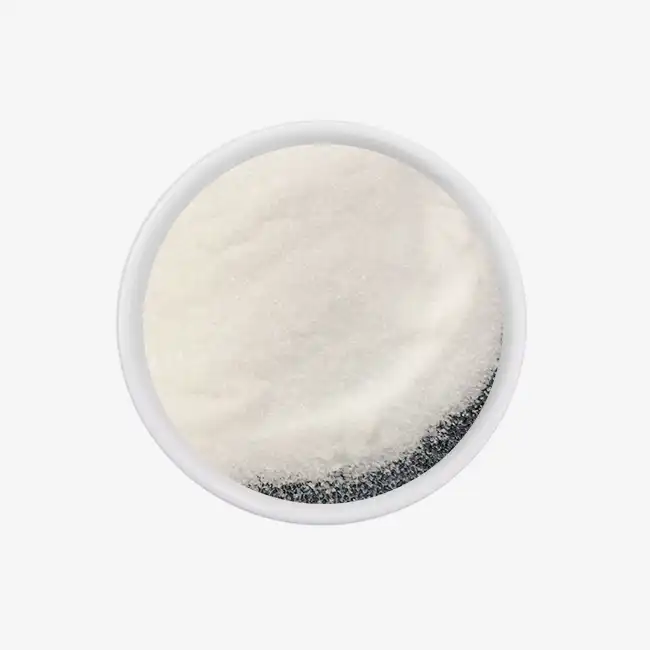
The potassium acetate used in aviation is a special kind of organic salt that was made to melt ice at airports. The molecular structure (CH₃COOK, molecular weight 98.14), which is made up of acetate anions bound to potassium cations, forms white crystalline granules that are easy to dissolve in water. Because it dissolves in water, it can be activated quickly when it comes in touch with ice or snow. This makes a brine solution that breaks the bond between frozen precipitation and pavement surfaces.
Because it has colligative features, the chemical can lower the freezing point of water, which makes it useful. Potassium acetate stays in a pH range of 9.0–10.5 when dissolved, so it can be used with sensitive flight materials. This is different from chloride salts, which are not allowed because they corrode aluminum alloys and landing gear parts very quickly. High-purity formulas with at least 99.0% active ingredient make sure that the product works the same way at all temperatures.
Mechanisms Behind Effective Ice Prevention
A chemical process called exothermic releases heat when granules dissolve in water. This is what deicing does. This process of making heat speeds up the melting of ice even when the temperature drops to -60°C, much better than urea (which only works at -7°C) and other common options. The bulk density of 0.8 to 0.9 g/cm³ makes sure that the weight is evenly distributed, which stops wind scattering during jet blast conditions and gives the sidewalk enough coverage.
Potassium acetate is hygroscopic, which means it can absorb water from the air and make a thin layer that stops snow from sticking together when used as a preventative anti-icing treatment. This proactive method cuts down on the need for mechanical removal and increases the time that the system can be used during winter storms. The biodegradable material breaks down naturally in soil and water systems without releasing harmful ammonia emissions. This addresses the environmental worries that led many places to phase out urea.
Practical Application Methods at Airports
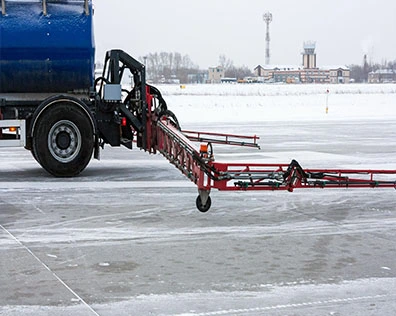
Teams in charge of running airports usually use potassium acetate in three main situations. During curative deicing operations, ground teams spread solid granules across icy runways at rates that depend on the thickness of the ice and the temperature of the air around them. The granules go through layers as thick as 6 mm, making brine pockets that break through the ice's structure and make motorized sweeping easier.
Before it starts to freeze, pre-wet anti-icing mixes solid crystals with liquid potassium acetate solutions. This method stops material from bouncing and scattering in high winds, making sure it stays on the sidewalk before snow starts to pile up. The two-phase method works best for both improving traction right away and keeping the road from freezing over for a long time, using fewer chemicals overall while still meeting safety standards.
Because it is not toxic, airport runway solid potassium acetate can be used to clean up places like gate areas and passenger loading zones. Ground support equipment can be used properly on surfaces that have been treated, and neither the hydraulic systems nor the electronic parts are at risk. The non-slip texture made by dissolving granules improves pedestrian safety around places where people get on and off planes. This reduces liability concerns and protects workers from slip-and-fall accidents.
Examining Odor and VOC Emissions of Solid Potassium Acetate
Defining VOCs in Airport Chemical Applications
Volatile organic compounds are chemicals that contain carbon and evaporate easily at room temperature. They add to pollution in the air and could have health effects on people. When used for deicing, VOC emissions come from chemicals breaking down, evaporating while being used, and breaking down when the temperature changes. The EPA and other regulatory bodies set limits on the amount of VOCs that can be in commercial goods, especially materials used in transportation infrastructure.
Potassium acetate's molecular stability keeps VOCs to a minimum while it is being stored and used. The substance doesn't have any petroleum distillates or synthetic glycols, which are what cause other deicers to have high VOC levels. Lab tests consistently show that formulations based on acetate make emissions that are less than 50 g/L, which is well below the limits set by regulators for airport operations.
Odor Characteristics and Occupational Exposure
Potassium acetate has a weak vinegar-like smell that comes from very small amounts of acetic acid being present in highly pure forms. At normal application amounts, this smell can still be smelled but isn't irritating. It goes away quickly as the granules break down and spread out across the runway surfaces. Occupational safety studies show that exposure levels are still well below what OSHA allows, even for ground teams working directly with newly applied material.
Tests comparing this product to deicers based on propylene glycol show that it significantly reduces smells. Glycol formulations give off sweet, pungent vapors that stay in small spaces and equipment rooms for a long time. These vapors could give sensitive workers headaches or respiratory irritation. Acetate deicers have a clean smell that makes the workplace more comfortable while still melting ice as well as or better than other deicers.
Scientific Data on Emission Profiles
Aviation safety groups have found that acetate-based runway treatments produce VOC emissions that are only 0.5-2.0% of the total applied mass, while some glycol options produce 8–15%. The stable molecular structure doesn't break down photochemically when exposed to UV light, which stops the formation of secondary pollutants that help ground-level ozone grow.
Monitoring of air quality at airports switching to potassium acetate has shown that VOC levels in the air have gotten better during winter activities. These results back up procurement decisions that favor acetate chemistry. This is important because airports are under more and more pressure to lower their impact on the environment while still meeting safety standards. The pollution data gives a measurable reason for reporting on sustainability and showing that you follow the rules.
Environmental and Safety Impact of Using Solid Potassium Acetate on Runways
Regulatory Compliance and Aviation Standards
Aviation officials make sure that the safety rules in SAE AMS 1431 standards for solid runway deicers are strictly followed. Formulations of potassium acetate that follow these rules are put through a lot of tests to see how well they resist rust, work with other materials, and last in the environment. Certification methods make sure that the chloride content stays below 0.2%. This keeps the aluminum from rusting, which happened when chloride salts were used incorrectly in the early days of aviation and grounded fleets.
Chemical oxygen demand (COD) and biochemical oxygen demand (BOD) standards are set by environmental protection rules for stormwater discharge from airports. Biodegradation of acetate deicers happens naturally in soil and water, turning them into carbon dioxide and water without leaving behind any harmful chemicals. This biodegradation route protects ecosystems around airport wastewater treatment plants while lowering the need for treatment.
Personnel Health and Equipment Protection
People who work in ground activities are less likely to get sick when they use acetate-based deicers instead of more aggressive ones. The substance doesn't cause skin irritation very often, so it's safe to handle with standard safety gear. Respiratory exposure during spreading operations stays within safe limits, so workers don't have to wear special breathing gear, which makes winter upkeep more difficult.
When airport runway solid potassium acetate is used according to the manufacturer's instructions, aircraft parts that are subject to deicing runoff keep their structural integrity. Over thousands of exposure cycles, corrosion tests on aluminum alloys, magnesium castings, and cadmium-plated steel shows that the materials don't break down much. This compatibility keeps multimillion-dollar airframes from getting old too quickly and increases the time between maintenance visits for the landing gear and brake systems.
When ground support cars drive on treated surfaces, they need less maintenance. Hydraulic systems, electrical connections, and painted surfaces don't get damaged by acetate. This is very different from chloride, which often causes fails in places with road salt. Fleet managers say that sites that use acetate-based runway treatments have lower repair costs and equipment that lasts longer.
Air Quality and Ecological Considerations
Adopting acetate deicing has a measurable positive effect on the air quality in the area. The low VOC emission profile keeps photochemical smog from forming, which is especially important for airports that are close to neighborhoods or in places that don't meet ozone standards. When compared to glycol-treated facilities, complaints about smells via nearby communities go down a lot, which makes relationships between the airport and the town better.
Ecological effect studies show that using potassium acetate lowers the amount of pollution in waterways that flow downstream from airports. Acetate levels that are typical of stormwater runoff are not harmful to fish and invertebrates, but too much chloride causes osmotic stress in freshwater animals. Plants that grow next to runways have higher mortality rates because acetate adds potassium, which is good for the plants, instead of sodium, which hurts the roots.
Comparing Solid Potassium Acetate with Other Runway Deicing Chemicals
Performance Against Chloride-Based Alternatives
Calcium chloride and magnesium chloride historically served as economical deicing options but face aviation prohibitions due to severe corrosion potential. While these chloride salts achieve rapid melting through exothermic dissolution, their aggressive electrochemical action attacks passive oxide layers protecting aluminum aircraft structures. Maintenance records from airports that mistakenly used chloride products document extensive corrosion damage requiring costly airframe repairs and component replacements.
Temperature performance comparisons reveal potassium acetate's superiority in extreme cold. Calcium chloride effectiveness diminishes below -29°C, while potassium acetate maintains deicing capability to -60°C. This extended operational range proves critical for airports in northern climates experiencing prolonged severe weather events.
Environmental persistence differs dramatically between chemical classes. Chloride ions accumulate in soil and groundwater, creating long-term contamination that resists natural remediation. Acetate biodegradation occurs within weeks under aerobic conditions, preventing buildup that threatens water supplies and surrounding habitats.
Acetate Formulations: Solid Versus Liquid
Solid and liquid potassium acetate variants offer complementary advantages for comprehensive winter maintenance programs. Liquid formulations (meeting SAE AMS 1435 standards) excel in anti-icing applications, allowing uniform spray coverage across large pavement areas before precipitation begins. The rapid action suits time-sensitive pre-treatment when weather forecasts indicate approaching storms.
Solid granular products demonstrate advantages in curative deicing scenarios involving established ice layers. The concentrated chemical delivery penetrates thick accumulations, creating localized melting that mechanical equipment can remove efficiently. Solid formulations resist dilution from ongoing precipitation, maintaining effectiveness throughout extended weather events.
Economic considerations influence format selection. Liquid systems require specialized spray equipment and heated storage tanks, increasing capital investment for smaller airports. Solid materials utilize conventional spreading machinery and tolerate ambient storage conditions, reducing infrastructure requirements. Bulk procurement of solid potassium acetate often provides cost advantages, particularly when sourced directly from established manufacturers offering ton-bag packaging options.
Cost-Effectiveness and Operational Efficiency
Total cost analysis must account for factors beyond unit pricing. Airport runway solid potassium acetate's reduced corrosion potential translates to lower aircraft maintenance expenses, extended pavement life, and decreased environmental remediation costs. These indirect savings often justify premium pricing compared to prohibited chloride alternatives.
Application efficiency metrics favor acetate formulations. Lower required application rates due to superior ice-penetrating capability reduce material consumption per weather event. The extended operational temperature range eliminates needs for supplemental heating equipment or chemical blending that complicates logistics during severe cold snaps.
Supply chain reliability represents a critical procurement consideration. Established manufacturers with decades of production experience offer consistent quality, predictable lead times, and technical support that justifies relationship-based sourcing. The 150,000-ton annual capacity at facilities like Shanxi Zhaoyi Chemical ensures inventory availability during peak demand periods, preventing operational disruptions from supply shortages.
Procurement Insights: How to Source Safe and Certified Solid Potassium Acetate
Essential Quality Certifications and Standards
Procurement specifications should mandate compliance with SAE AMS 1431E standards, the definitive benchmark for solid runway deicers. This certification verifies chemical purity, particle size distribution, corrosion inhibitor effectiveness, and environmental safety parameters through independent laboratory testing. Suppliers providing certification documentation demonstrate commitment to aviation safety standards.
ISO 9001 quality management certification indicates systematic production controls ensuring batch-to-batch consistency. Complementary ISO 14001 environmental management and ISO 45001 occupational health certifications reflect comprehensive operational excellence beyond basic product specifications. These certifications become particularly relevant for airports with corporate sustainability commitments or public accountability requirements.
Food-grade KOSHER and HALAL certifications, while seemingly unrelated to aviation applications, actually signal rigorous quality control and purity standards. Manufacturers holding these certifications maintain contamination-free production environments and implement stringent testing protocols that benefit all product applications, including runway deicing formulations.
Supplier Evaluation Criteria
Production capacity assessment determines whether potential suppliers can meet seasonal demand surges. Facilities with annual capacities exceeding 100,000 tons demonstrate scale advantages in raw material procurement, process optimization, and inventory buffering. Adequate capacity prevents allocation situations where existing customers receive priority during tight supply conditions.
Technical support capabilities separate transactional vendors from strategic partners. Suppliers offering 24/7 technical assistance, rapid response to inquiries, and customization services provide value beyond commodity chemical supply. Access to application guidance, dosage optimization consultation, and troubleshooting support enhances operational outcomes and justifies relationship investments.
Supply chain resilience gained attention following recent global disruptions. Manufacturers maintaining safety stock, backup raw material sources, and flexible logistics partnerships demonstrate preparedness for unexpected challenges. Geographic diversification of production facilities reduces concentration risks, though quality consistency across locations requires verification.
Logistics and Packaging Considerations
Packaging format selection influences handling efficiency and storage requirements. Standard 25kg woven bags suit airports with manual handling operations or limited storage space, providing flexibility for incremental inventory management. Bulk 1000kg ton-bags optimize logistics costs for high-volume users with forklift infrastructure, reducing packaging waste and labor requirements.
Moisture protection proves critical due to potassium acetate's hygroscopic properties. Quality suppliers utilize moisture-barrier packaging that maintains product integrity during transportation and storage. Specification of sealed containers extends shelf life to two years when stored in dry, ventilated warehouses, protecting inventory investments.
International shipping expertise matters for importers navigating customs regulations, documentation requirements, and freight optimization. Experienced manufacturers partner with specialized logistics providers understanding chemical transport regulations and offering competitive ocean freight rates. Guaranteed shipping space during peak seasons prevents delays that could compromise winter readiness.
Conclusion
Aviation procurement professionals evaluating deicing alternatives can confidently select airport runway solid potassium acetate based on its superior safety profile regarding odor and VOC emissions. The compound's minimal volatile emissions, mild odor characteristics, and excellent environmental compatibility address growing concerns about workplace safety and ecological responsibility. When compared against traditional chloride salts and glycol-based products, acetate chemistry delivers equivalent or superior ice-melting performance without compromising air quality, personnel health, or equipment integrity. Strategic sourcing from certified manufacturers ensures consistent quality, reliable supply, and technical support necessary for successful winter operations programs.
FAQ
Does potassium acetate odor pose health risks to ground crews?
The mild acetic odor from potassium acetate remains well below occupational exposure limits established by OSHA. Ground personnel working with the material experience no adverse health effects, as the scent dissipates rapidly during application and does not accumulate in enclosed spaces. Comparative studies show significantly lower odor intensity than glycol-based alternatives, improving workplace comfort without requiring specialized respiratory protection.
How do VOC emissions compare with other deicing chemicals?
Laboratory testing demonstrates potassium acetate generates VOC emissions of 0.5-2.0% of applied mass, substantially lower than the 8-15% typical of certain glycol formulations. The stable molecular structure resists atmospheric breakdown, preventing secondary pollutant formation. Air quality monitoring at airports using acetate deicers shows measurable improvements in ambient VOC concentrations compared to facilities using alternative chemistries.
What certifications ensure product safety for airport use?
Aviation-grade potassium acetate should carry SAE AMS 1431E certification verifying compliance with performance and safety standards. Additional ISO 9001 quality management, ISO 14001 environmental management, and ISO 45001 occupational safety certifications demonstrate comprehensive manufacturing excellence. These credentials assure procurement teams of consistent quality, regulatory compliance, and supplier commitment to safety protocols essential for airport operations.
Partner with Zhaoyi Chemical for Reliable Airport Deicing Solutions
Shanxi Zhaoyi Chemical Co., Ltd. brings over three decades of specialized expertise as a trusted airport runway solid potassium acetate manufacturer. Our aviation-grade formulations meet SAE AMS 1431 standards while maintaining the industry's strictest purity specifications at ≥99.0% content. With 150,000-ton annual production capacity and ISO 9001/14001/45001 certifications, we guarantee consistent quality and supply reliability your operations demand. Our technical team responds within two hours to support your specific application requirements, offering customized solutions and flexible packaging from 25kg bags to bulk ton-bags. Contact us at sxzy@sxzhaoyi.com to discuss how our certified solid potassium acetate for sale can enhance your runway safety program while meeting environmental compliance objectives.
References
1. Society of Automotive Engineers. "AMS 1431E: Solid Runway and Taxiway Deicing/Anti-icing Compound," SAE International Standards, Aerospace Material Specification, 2018.
2. Transportation Research Board. "Airport Winter Safety and Operations," Special Report 325, National Academy of Sciences, Washington, D.C., 2019.
3. Environmental Protection Agency. "Evaluating the Environmental Impacts of Airport Deicing," EPA Office of Transportation and Air Quality, Technical Report EPA-420-R-17-002, 2017.
4. Federal Aviation Administration. "Advisory Circular 150/5200-30D: Airport Winter Safety and Operations," U.S. Department of Transportation, Aviation Safety Publication, 2020.
5. American Conference of Governmental Industrial Hygienists. "Threshold Limit Values for Chemical Substances and Physical Agents in the Work Environment," ACGIH Publications, Cincinnati, Ohio, 2021.
6. International Civil Aviation Organization. "Airport Services Manual Part 2: Pavement Surface Conditions," ICAO Document 9137-AN/898, Fourth Edition, Montreal, Canada, 2020.

USER EVALUATE
Here is the customer's evaluation of us