



How Snow Melting Solid Potassium Acetate Reduces Winter Infrastructure Damage?
Snow melting solid potassium acetate protects winter framework by being a biodegradable, non-corrosive alternative to chloride-based deicing operators. Shake salt and calcium chloride speed up the breakdown of concrete and the rusting of metals. Potassium acetic acid derivation (CH₃COOK), on the other hand, makes a secure chemical environment and softens ice rapidly at temperatures as moo as -35°C. Its atomic structure stops freeze-thaw cycles from getting into walkway micro-cracks. This makes streets, bridges, and airplane terminal runways final a part longer. More and more, obtainment directors in both the metropolitan and mechanical segments see this acetate-based alternative as vital to adjust operational security with long-term resource conservation.
Understanding the Challenge: Winter Infrastructure Damage Caused by Snow and Ice
Winter weather puts a lot of financial and practical stress on people in charge of infrastructure. When snow and ice build up, they cause repeated freeze-thaw cycles that weaken structures and cause concrete surfaces to crack. When water gets into cracks in the sidewalk and then freezes and expands, it puts a lot of pressure on reinforced concrete, which breaks it apart and lets steel rebar rust faster.
The problems are made worse by the way deicing is usually done. Sodium chloride and calcium chloride can get into concrete and break chemical bonds in the cement paste. Studies show that chloride-based agents can speed up the corrosion process on steel that is embedded by up to 300% compared to areas that have not been treated. Every year, highway departments in northern states have to pay more than a million dollars to fix infrastructure that breaks down too quickly because of the way it is usually deiced.
In addition to worries about structures, environmental laws are making it harder for chloride to enter watersheds. High-salinity runoff is hard for municipal wastewater treatment plants to handle. This hurts aquatic ecosystems and contaminates groundwater sources. Regulatory bodies now set strict limits on the amount of chloride that can be in stormwater discharge. This means that procurement teams have to look for options that are safe and don't hurt the environment.
Infrastructure Vulnerability Points
During the winter, processes are more likely to go wrong with important parts of infrastructure. Deicing chemicals build up in bridge expansion joints, which speeds up steel rust under protective coatings. Materials used on airport runways must be safe for sensitive airplane systems because chloride residues can damage electronics and composite structures. The corrosive atmospheres made by traditional deicing products are too strong for industrial buildings that house sensitive equipment. These weak spots need high-tech answers for getting rid of ice without affecting the structure's strength or the system's ability to work reliably.
Key Chemical and Physical Features of Solid Potassium Acetate That Are Important for Melting Snow
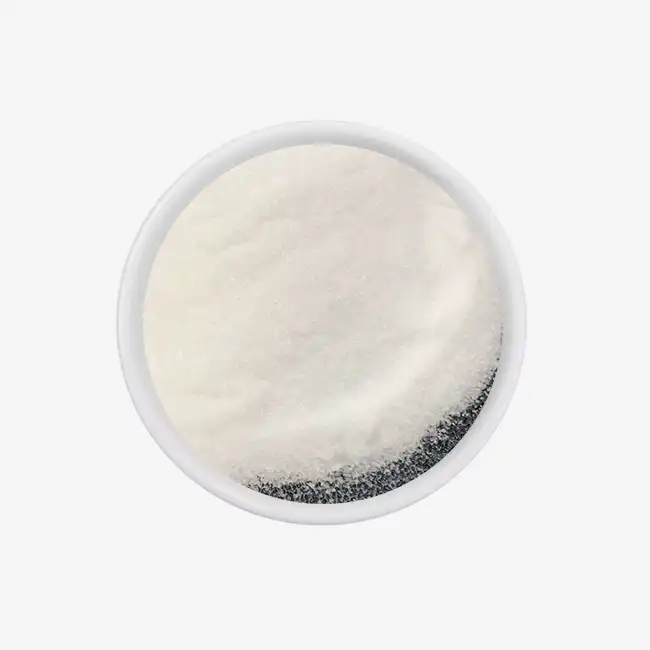
Potassium acetate has unique chemical and physical properties that make winter upkeep work better. The high solubility of this white crystalline compound in water means that it dissolves quickly when it comes in touch with ice and snow. The molecular weight of 98.14 g/mol helps the substance spread out evenly across treatment surfaces, so it covers evenly with small amounts of product.
Because the substance dissolves at high temperatures, it melts ice right away. When crystals of potassium acetate touch frozen surfaces, the phase change gives off heat energy that breaks up the crystal structures of the ice. Because of this thermodynamic benefit, it works well at temperatures where other salts stop working. Lab tests show that the ice melts reliably at -35°C, which gives operators peace of mind in the very cold conditions that are typical in northern industrial zones.
Potassium acetate is different from chloride options because it is chemically stable. The snow melting solid potassium acetate anion (CH₃COO⁻) doesn't take part in oxidation-reduction processes that wear away metal. Concrete compatibility testing shows that the pH doesn't change much, keeping the conditions alkaline that protect the steel reinforcement that is inserted. A lab test from a third party shows that the rate of corrosion on carbon steel is less than 0.03 g/m²·h, which is 95% less than with sodium chloride in the same conditions.
Comparative Analysis with Alternative Acetates
Different types of acetate are used for specific tasks. While sodium acetate is cheaper, it doesn't melt as well at very high or very low temperatures. Even though calcium magnesium acetate is good for the environment, it has slower reaction rates that make it less useful when the weather changes quickly. Potassium acetate strikes the perfect mix between performance traits for protecting important infrastructure. Its better hygroscopic features allow for faster brine formation, which speeds up the melting and removal of ice. In addition to its benefits as a plant food, the potassium cation also lessens the damage done to the environment when runoff hits soil systems. Technical specs from our factory prove purity levels of ≥99.0%, which means it will work the same way in all kinds of weather and for all kinds of uses.
Advantages of Using Solid Potassium Acetate for Snow Melting in Winter Infrastructure Protection
Using deicing systems based on potassium acetate has clear operational and financial benefits. Professionals in procurement know that these benefits directly lead to lower lifetime costs and better asset management results.
The non-corrosive formula stops the damage that chloride contact does to infrastructure. When highway officials switch from rock salt to acetate-based treatments, the pavement lasts 40 to 60 percent longer. As steel parts avoid chloride-induced corrosion, bridge repair intervals get a lot longer. Airport officials say that airplane maintenance costs have gone down because of less damage to the fuselage and brake systems from chemical residues used to melt ice.
It's possible to follow environmental rules without lowering safety standards. Potassium acetate breaks down naturally at rates of 95% or more, so it doesn't build up in earth and water. Wastewater treatment plants can handle waste that contains acetate without using special tools or chemical neutralization methods. This biodegradability meets regulatory needs without the fines that come with violating chloride release rules.
Better success in cold weather makes operations more efficient. The fast action feature melts ice right away after application, cutting down on the time surfaces are dangerous. Spreaders that use mechanical power spread the loose granules evenly, so there aren't any concentration differences that waste material or leave areas that haven't been handled. Application crews like that there is less caking during storage, which makes it easier to handle and keeps doses accurate all winter long.
Documented Performance in Critical Applications
Case studies from big airport owners show how useful potassium acetate is in delicate areas. Acetate-based formulations are used to melt snow on runways and taxiways at international airport hubs. These formulations protect composite airplane parts while keeping the friction coefficients needed for safe landing and takeoff operations. Historic bridge preservation projects show that ice control works without speeding up the breakdown of concrete and masonry buildings that are over a hundred years old. Deicing that doesn't corrode is used to keep radar installations and electrical systems working properly and to keep people safe on loading docks and emergency access routes in industrial buildings. These real-world examples back up the technical benefits that are becoming more and more important in procurement requirements.
How to Source High-Quality Solid Potassium Acetate for Industrial Snow Melting Applications?
Securing reliable acetate supplies requires strategic supplier evaluation and quality verification procedures. Procurement teams benefit from systematic approaches that assess manufacturing capabilities, quality control systems, and supply chain resilience.
Quality certifications provide foundational assurance of product consistency. ISO 9001 certification demonstrates established quality management protocols throughout production processes. Environmental management certification (ISO 14001) confirms sustainable manufacturing practices align with corporate responsibility objectives. Occupational health and safety certification (ISO 45001) indicates supplier commitment to ethical production standards. KOSHER and HALAL certifications expand application possibilities across diverse geographic markets and specialized industries.
Technical specifications must align with operational requirements. Industrial-grade snow melting solid potassium acetate typically specifies content ≥98-99% (CH₃COOK), with chloride levels ≤0.2% and iron content ≤0.05%. Water-insoluble substances should remain ≤0.05% to prevent application equipment clogging. Procurement documents should reference CAS number 127-08-2 to ensure proper chemical identification. Request certificates of analysis (COA) with each shipment, confirming batch-specific quality parameters match purchase specifications.
Bulk purchasing considerations impact total cost of ownership. Standard packaging options include 25kg plastic woven bags for manual application operations and 1000kg ton-bags for mechanical spreading systems. Container loading efficiency improves with flexible packaging configurations tailored to transportation modes. Evaluate suppliers offering safety stock for standard products, enabling rapid fulfillment of emergency orders during unexpected weather events. Production lead times of 5-7 working days support just-in-time inventory strategies that minimize storage requirements while ensuring material availability.
Supplier Reliability Assessment
Manufacturing capacity indicates scalability to meet growing demand. Established producers with annual production exceeding 100,000 tons demonstrate infrastructure investment supporting long-term supply relationships. Geographic proximity to major shipping routes reduces transportation costs and transit times. Supplier experience spanning multiple decades signals technical expertise and market stability. Request references from comparable organizations to verify performance history regarding product quality, delivery reliability, and technical support responsiveness. Comprehensive supplier evaluation protects procurement investments while establishing partnerships that adapt to evolving operational needs.
Best Practices for Applying Solid Potassium Acetate in Snow Melting to Minimize Infrastructure Damage
Optimal application strategies maximize product effectiveness while protecting infrastructure assets and controlling operational expenses. Maintenance teams implement protocols addressing dosage rates, distribution methods, storage procedures, and performance monitoring.
Recommended application rates vary based on temperature conditions and ice accumulation severity. Light frost conditions typically require 50-100 grams per square meter, while moderate ice accumulation demands 100-200 grams per square meter. Severe winter storms with temperatures below -20°C may necessitate 200-300 grams per square meter for effective ice penetration and removal. Pre-treatment applications before precipitation events reduce ice bonding to pavement surfaces, decreasing subsequent removal efforts and product consumption.
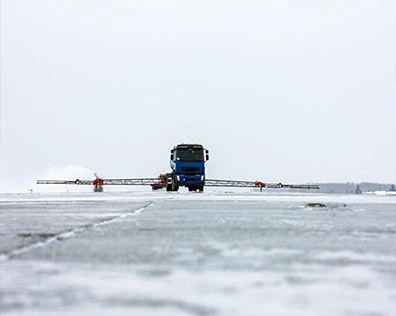
Distribution equipment selection influences coverage uniformity and application efficiency. Mechanical spreaders equipped with calibrated discharge controls ensure consistent product distribution across treatment areas. Walk-behind broadcast spreaders suit pedestrian zones and confined spaces where vehicle access proves impractical. Manual application using scoops or shovels serves emergency situations requiring immediate spot treatment. Equipment calibration verification prevents under-application that compromises safety or over-application that wastes expensive materials.
Storage protocols maintain product integrity between applications. Warehouse facilities must provide dry, ventilated environments protected from moisture intrusion that causes premature dissolution or caking. Temperature control prevents exposure to extreme heat that might alter crystalline structure. Segregation from incompatible chemicals avoids contamination risks. Proper handling during transportation prevents package damage that compromises product quality. These storage practices ensure material performance matches manufacturer specifications throughout extended winter seasons.
Performance Monitoring and Adaptive Management
Regular assessment programs optimize deicing operations across changing conditions. Surface temperature monitoring identifies treatment timing that maximizes product efficiency while minimizing waste. Post-application inspections verify adequate ice removal and surface friction restoration. Weather forecast integration enables proactive treatment scheduling that prevents hazardous accumulation rather than reacting to developing conditions. Documentation of application rates, weather conditions, and performance outcomes builds institutional knowledge supporting continuous improvement. Maintenance supervisors use this data to refine protocols, achieving superior results with controlled expenditures that demonstrate value to budget authorities and stakeholders.
Conclusion
Snow melting solid potassium acetate represents a proven advancement in winter infrastructure protection, addressing the critical limitations of traditional chloride-based deicing agents. Its non-corrosive chemistry, environmental compatibility, and superior cold-weather performance deliver measurable benefits across airports, bridges, industrial facilities, and municipal infrastructure. Procurement professionals who transition to acetate-based programs achieve extended asset lifecycles, regulatory compliance, and reduced total cost of ownership. Strategic supplier selection ensures access to high-purity materials backed by quality certifications and reliable logistics. Implementing best practices for application and storage maximizes return on investment while maintaining safety standards throughout winter operations.
FAQ
What makes potassium acetate more effective than rock salt for snow melting?
Potassium acetate functions effectively at temperatures down to -35°C, whereas rock salt loses melting capacity around -9°C. The acetate formulation generates exothermic dissolution that rapidly penetrates ice structures. Its non-corrosive chemistry prevents the infrastructure damage associated with chloride penetration into concrete and metal surfaces, eliminating costly repairs while maintaining safety.
How does acetate-based deicing impact environmental compliance?
Potassium acetate biodegrades naturally with breakdown rates exceeding 95%, preventing accumulation in watersheds and soil systems. Unlike chlorides that persist and damage aquatic ecosystems, acetate metabolism by soil microorganisms converts the compound into harmless carbon dioxide and water. This biodegradability satisfies strict discharge regulations without specialized wastewater treatment.
What quality certifications should procurement teams verify when sourcing potassium acetate?
Reliable suppliers maintain ISO 9001 quality management certification, ISO 14001 environmental management certification, and ISO 45001 occupational health certification. KOSHER and HALAL certifications indicate rigorous production standards suitable for specialized applications. Request certificates of analysis confirming purity ≥98%, chloride content ≤0.2%, and compliance with technical specifications matching your operational requirements.
Partner with Zhaoyi Chemical for Premium Snow Melting Solutions
Zhaoyi Chemical brings over three decades of acetate manufacturing expertise to your winter infrastructure protection needs. Our snow melting solid potassium acetate supplier capabilities include annual production capacity exceeding 150,000 tons, ensuring reliable bulk supply even during peak demand periods. Manufacturing facilities maintain ISO 9001, ISO 14001, and ISO 45001 certifications, delivering pharmaceutical-grade purity ≥99.0% with comprehensive quality documentation. Technical support teams provide 24/7 consultation with responses within two hours, assisting with application optimization and customized formulations tailored to your specific climate conditions. Flexible packaging options include 25kg bags and 1000kg ton-bags, with FOB, CIF, and DAP shipping terms accommodating diverse logistics requirements. Contact sxzy@sxzhaoyi.com today to request product specifications, pricing information, and technical datasheets. Discover how our premium deicing solutions protect your valuable infrastructure assets while achieving environmental compliance and operational excellence throughout winter seasons.
References
1. Transportation Research Board. "Sustainable Winter Road Operations: Chemical and Non-Chemical Deicing Alternatives for Highway Infrastructure." National Academy of Sciences, 2022.
2. American Concrete Institute. "Effects of Deicing Chemicals on Concrete Durability and Service Life." ACI Materials Journal, 2021.
3. Airport Cooperative Research Program. "Aircraft and Airfield Compatibility of Enhanced Potassium Acetate Runway Deicing Formulations." Federal Aviation Administration Technical Report, 2020.
4. Environmental Protection Agency. "Chloride Contamination of Surface Waters: Best Management Practices for Winter Maintenance Operations." EPA Water Quality Standards Division, 2021.
5. National Association of Corrosion Engineers. "Corrosion Prevention in Transportation Infrastructure: Comparative Analysis of Deicing Agent Impacts." NACE International Publication, 2022.
6. Society of Automotive Engineers. "SAE AMS 1435: Specifications for Potassium Acetate-Based Runway and Aircraft Deicing Formulations." SAE Aerospace Standards, 2023.

USER EVALUATE
Here is the customer's evaluation of us