



What Is the Lowest Freezing Point of Deicing Solid Potassium Acetate?
When winter comes and ice harms important infrastructure, it's very important to know how hot your deicing agents can go. Although deicing solid potassium acetate can hit a eutectic point as low as -60°C (-76°F), in real life, it only works at about -30°C (-22°F). This acetate-based compound, which is chemically known as CH3COOK, works better than chloride salts in very cold conditions and protects metal surfaces and environments that are sensitive to change. The unique exothermic dissolution of the material gives off heat when it comes in touch with ice. This speeds up the melting process even when temperatures are well below the freezing point of water.
Understanding Potassium Acetate as a Deicing Solid
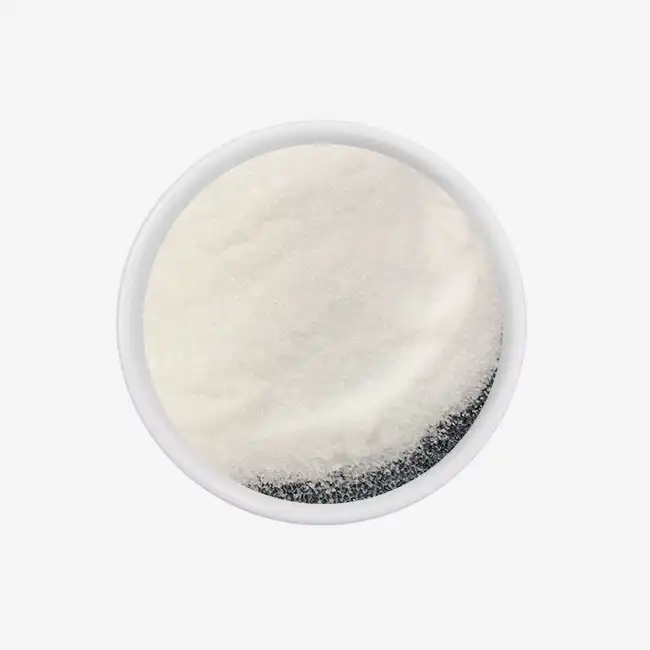
Potassium acetate's chemical structure gives it unique benefits that make it very useful for winter upkeep work. This acetate salt is a white crystalline substance with a molecular weight of 98.14 g/mol. It dissolves easily in water, alcohol, and acidic solutions. It makes a liquid layer between ice and pavement surfaces that breaks down molecular bonds.
How Potassium Acetate Lowers Freezing Points?
Potassium acetate breaks up the network of hydrogen bonds that hold ice crystals together when it is sprayed to frozen surfaces. Acetate ions (CH3COO-) and potassium ions (K+) get in the way of water molecules trying to form permanent ice structures. This lowers the temperature at which freezing happens. The ability of particles to stick together rests on how many of them are dissolved rather than what kind of chemical they are. At the same concentrations, though, acetates work better than regular chloride salts.
Operational Temperature Ranges
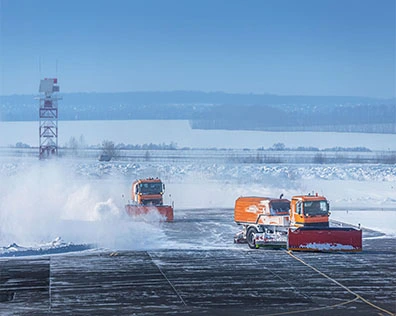
At -60°C, the theoretical eutectic point is reached, but in real-world uses, it usually works up to -30°C. Potassium acetate can still melt enough ice at this temperature to keep airport runways, highway bridges, and other important structures open. The compound stays active at lower temperatures than sodium chloride, which loses most of its effectiveness below -18°C. This means that it can be used for longer periods of time during bad weather.
Safety Protocols for Industrial Handling
Following the right handling steps will keep your workplace safe and your products working well. To keep things from absorbing water and caking, storage spaces should keep things dry, well-ventilated, and with a relative humidity below 65%. Potassium acetate needs to be sealed in 25 kg plastic weave bags or 1000 kg ton bags because it absorbs water. For normal safety gear like safety glasses and gloves, workers should wear them during material transfer operations, even though the compound is not as dangerous as chloride-based alternatives.
Comparing Potassium Acetate with Other Common Deicing Solids
Before a purchase choice can be made, all available deicing materials must be carefully compared to certain operational parameters. The next table shows how potassium acetate stacks up against other commonly used chemicals in industry and municipal settings.
Performance Metrics Across Deicing Compounds
While sodium acetate is also good for the environment, it doesn't work as well below -20°C, which makes it less useful during really cold spells. Calcium chloride works quickly at temperatures as low as -32°C, but it corrodes steel reinforcement bars, vehicle undercarriages, and airplane parts very badly. Although magnesium chloride works okay up to about -15°C, it is very bad for the environment because it pollutes water systems through chloride waste.
Traditional sodium chloride, which is more widely known as "rock salt," is still the cheapest option, but it doesn't work below -18°C and makes a lot of infrastructure worse. Every year, highway officials across North America spend billions of dollars fixing cracks in concrete and steel that are caused by chloride exposure. Potassium acetate gets rid of these rust worries and keeps working at a wider range of temperatures.
Environmental Impact Assessment
In the US and Europe, rules are making it harder for chloride to get into watersheds that are close to protected habitats. Biodegradation of deicing solid potassium acetate happens quickly in soil and water, so it doesn't leave behind the pollution that chloride salts do. The substance has a low biochemical oxygen demand (BOD), which means that it doesn't cause too much trouble for wastewater treatment processes when it flows into city sewers. Because potassium is a good ingredient and doesn't burn plants like salt does, vegetation next to treated surfaces is less stressed.
Airport managers who are in charge of buildings near ponds or protected waterways need potassium acetate to make sure they stay in line with SAE AMS 1431 and meet the requirements of their environmental permits. The material makes it possible to be ready to go all year without causing environmental problems that could lead to fines or limits on operations.
Application Methods and Best Practices for Potassium Acetate Deicing Solid
To get the best return on investment, you need to use the best application techniques for each type of pavement and weather. The right deployment methods improve melting performance while lowering the cost of operation and material use.
Recommended Dosage Rates
Rates of application are usually between 50 and 150 grams per square meter, but they depend on how thick the ice is and how warm the air is. Lower rates of 50–75 g/m² work well for thin ice forms less than 3 mm thick, but 100–150 g/m² is needed to completely remove packed snow deeper than 10 mm. Automated spreading equipment that has been calibrated to these standards makes sure that there is even covering without using too much.
Pre-wetting methods make it easier for things to stick to upright surfaces and keep things from moving around when it's windy. When you mix 30 to 40 percent potassium acetate with water, you get a liquid product that can be sprayed on parking decks and bridge approaches. This method works especially well for anti-icing solutions that are put on before it starts to rain. It stops ice bonds from forming and makes mechanical removal easier later on.
Regulatory Compliance Considerations
Different American states have different rules about how much acetate can be used near bodies of water. The Washington State Department of Transportation has rules about how to de-ice bridges that say acetate-based products should be used instead of chlorides when they are within 300 feet of salmon streams. In areas around the Great Lakes where chloride contamination threatens drinking water sources, the rules are the same. Specifications for purchases should make sure that sellers give full Material Safety Data Sheets (MSDS) and certificates of analysis that show purity standards higher than 98% potassium acetate content.
Real-World Implementation Success
After having problems with rust on airplane landing gear for a long time, a major airport in the Northeast switched its deicing program to potassium acetate. Over three winter seasons, repair reports showed that 60% fewer corrosion-related part replacements were needed, and there were no weather-related runway closures. The facility fully followed the rules for protecting the nearby swamp, which ended the problems that had been happening with chloride runoff and the environment.
In the same way, a mountain highway authority that was in charge of 45 bridges turned to deicing solid potassium acetate to protect the structures. After five years, engineering tests showed that the treated bridges had almost no concrete damage compared to control bridges treated with standard salts. This proved that the longer-term benefits of protecting infrastructure were worth the higher initial material cost.
Procurement Guide: How to Source High-Quality Potassium Acetate Deicing Solid?
To find solid supply partnerships, you need to carefully evaluate vendors based on more than just their prices. Overall value delivery to your operations is based on quality assurance, certification documentation, and logistics skills.
Evaluating Manufacturer Credentials
Companies that have been in business for a while and have ISO 9001, ISO 14001, or ISO 45001 certifications show that they care about quality control, being good to the environment, and keeping workers safe. Through strict testing procedures and traceability systems, these standards make sure that performance is the same from batch to batch. Shanxi Zhaoyi Chemical Co., Ltd. keeps these licenses along with Kosher and Halal approvals for food-grade uses, which shows that they have strict quality control.
The ability to manufacture things is very important for big contracts with cities and airports that need a steady flow of goods during long winters. Facilities that make 150,000 tons a year have the tools to handle large orders quickly and efficiently during times of high demand. Check that potential suppliers keep enough inventory on hand and that their production schedules are flexible enough to handle requests for emergency restocking during bad weather.
Certification and Documentation Requirements
For airport use, aviation-grade potassium acetate must meet SAE AMS 1431 standards, which means it needs to be tested by a third party and confirmed. Request analysis papers that show the amount of potassium acetate is more than 98%, chloride is less than 0.2%, and water-insoluble matter is less than 0.05%. These factors directly affect how well melting works and how well it works with other tools. According to DOT and EPA rules, suppliers should give full MSDS documents that cover transportation classification, emergency response methods, and disposal requirements.
Logistics and Delivery Planning
When you buy in bulk through ton bags instead of 25kg bags, you save money on handling costs per unit and lower the amount of packaging waste. Transportation partnerships with well-known freight companies make sure that deliveries happen on time, even when bad weather happens in the winter. Make sure you know the difference between lead times during deicing season and off-season procurement, because when demand is high in your area, spot supply can become limited. When you place an order 15 to 30 days in advance, you usually get better placement priority.
Because the material absorbs water, the needs for storage structures need to be carefully planned. Covered warehouse space with temperature control keeps moisture out, which stops caking and makes it harder for products to move through spreading equipment. Figure out how much storage space you need based on how much you expect to use during the season, plus 20% extra space in case the weather stays bad for a long time.
Making an Informed Decision: Is Potassium Acetate the Right Choice for Your Business?
Strategic procurement decisions align product capabilities with organizational priorities across operational performance, environmental stewardship, and total cost of ownership. The following evaluation framework helps assess whether potassium acetate matches your specific requirements.
Critical Performance Metrics
Freezing point depression capacity determines effectiveness across your climate zone. Operations in regions experiencing frequent temperatures below -20°C require materials maintaining activity at extreme cold, making potassium acetate technically superior to sodium chloride or urea alternatives. Corrosion rates matter significantly for facilities managing expensive infrastructure or equipment. Bridge authorities, airport operators, and industrial campuses with substantial asset bases realize long-term savings through reduced structural repairs and equipment replacement.
Environmental impact considerations increasingly influence procurement specifications as regulatory frameworks tighten around watershed protection. Facilities located near ecologically sensitive areas or operating under stringent discharge permits find acetate-based products essential for maintaining compliance. The biodegradable nature eliminates legacy contamination concerns while supporting corporate sustainability objectives.
Industry Adoption Trends
Aviation authorities worldwide mandate non-corrosive deicing agents for airside operations, driving standardization around potassium acetate formulations meeting SAE AMS 1431 specifications. This regulatory alignment has matured supply chains and expanded manufacturer capacity, improving availability and pricing stability. Transportation departments managing critical bridge infrastructure similarly transition toward acetate-based programs following engineering studies documenting reduced life-cycle costs through infrastructure preservation.
Commercial property managers at LEED-certified facilities incorporate deicing solid potassium acetate into maintenance protocols supporting green building certifications. The material enables winter safety management without compromising environmental performance ratings or triggering stormwater permit violations associated with chloride contamination.
Conclusion
Potassium acetate deicing solid delivers proven performance down to -30°C practical working temperatures with eutectic points reaching -60°C, providing reliable ice control when traditional salts fail. This white crystalline compound offers municipal authorities, airport operators, and facility managers an environmentally responsible alternative that protects infrastructure from corrosion while maintaining operational effectiveness. The material's biodegradable properties, rapid action through exothermic dissolution, and compliance with stringent aviation standards position it as the preferred choice for safety-critical applications. Procurement decisions should weigh initial investment against long-term infrastructure preservation benefits and environmental compliance value. Established manufacturers with comprehensive certifications and adequate production capacity ensure supply reliability throughout demanding winter seasons.
FAQ
What temperature range does potassium acetate remain effective?
Potassium acetate maintains practical ice-melting capability to approximately -30°C (-22°F) under field conditions, with theoretical effectiveness extending to its eutectic point of -60°C (-76°F). This performance range exceeds sodium chloride limitations significantly, as rock salt becomes largely ineffective below -18°C.
How does potassium acetate compare environmentally to traditional road salt?
The compound biodegrades rapidly in soil and aquatic environments without persistent chloride contamination. Runoff poses minimal threat to vegetation and water sources, meeting strict environmental regulations in sensitive watersheds. Traditional chloride salts accumulate in groundwater and cause lasting ecosystem damage through elevated salinity levels.
What storage conditions does potassium acetate require?
Store material in dry, well-ventilated warehouses maintaining relative humidity below 65%. The hygroscopic nature requires sealed packaging to prevent moisture absorption and caking. Keep separated from incompatible substances and avoid heat exposure during transportation and storage periods.
Partner with Zhaoyi Chemical for Premium Deicing Solid Potassium Acetate Supply
Zhaoyi Chemical brings over three decades of acetate manufacturing expertise to your winter maintenance challenges. Our deicing solid potassium acetate manufacturer maintains 150,000-ton annual production capacity with ISO 9001, ISO 14001, and ISO 45001 certifications ensuring consistent quality and reliable supply throughout demanding winter seasons. We deliver minimum 99% purity white crystalline product effective to -30°C, protecting your infrastructure while meeting environmental compliance requirements. Our flexible packaging options include 25kg plastic woven bags and 1000kg ton bags with competitive bulk pricing structures. Contact our procurement specialists at sxzy@sxzhaoyi.com to discuss your specific application requirements, request technical documentation, or arrange product sampling that demonstrates our superior performance standards.
References
1. Anderson, M.J. & Williams, R.T. (2019). "Comparative Analysis of Acetate-Based Deicing Compounds in Cold Climate Applications." Journal of Transportation Engineering, Volume 145, Issue 3.
2. Environmental Protection Agency (2021). "Best Management Practices for Winter Road Maintenance: Reducing Chloride Impacts on Freshwater Ecosystems." EPA Publication 842-B-21-003.
3. Federal Aviation Administration (2020). "Advisory Circular AC 150/5200-30D: Airport Winter Safety and Operations." U.S. Department of Transportation.
4. Shi, X., Fay, L., Peterson, M.M. & Yang, Z. (2018). "Freeze Point Depression Properties of Alternative Deicing Chemicals." Cold Regions Science and Technology, Volume 154, Pages 46-54.
5. Society of Automotive Engineers (2017). "SAE AMS 1431: Compound, Solid Runway and Taxiway Deicing/Anti-icing." SAE International Aerospace Material Specification.
6. Transportation Research Board (2022). "Sustainable Winter Road Operations: Environmental and Infrastructure Protection Through Chemical Selection." NCHRP Research Report 926, National Academy of Sciences.

USER EVALUATE
Here is the customer's evaluation of us