



How Effective is Liquid Potassium Acetate as an Anti-Icing Agent?
Deicing liquid potassium acetate is one of the best anti-icing products on the market today. It works amazingly well at keeping surfaces from freezing at temperatures as low as -60°C (-76°F). This non-chloride version lowers the freeze point better than any other while still being very biodegradable and not harmful at all. Unlike salt-based deicers, potassium acetate solution quickly melts snow and ice because its specific gravity is best between 1.25 and 1.30. This forms a buffer that stops ice from sticking to roads and runways. More and more, airport companies and city governments are relying on this answer because it keeps sensitive infrastructure from getting damaged and keeps working even when the weather is bad.
Understanding Liquid Potassium Acetate as a Deicer
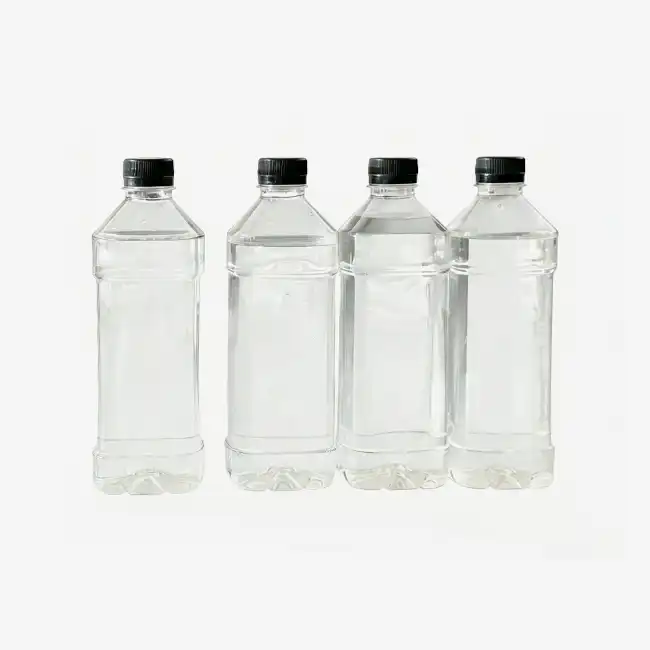
The chemical structure of deicing liquid potassium acetate (CH₃COOK, CAS 127-08-2) explains why it is so good at melting ice. At the molecular level, this clear, colorless liquid works by messing up the crystalline structure of ice formation.
Chemical Composition and Freezing Point Depression
Professional-grade formulas have a deicing liquid potassium acetate concentration of 50–60%, which is carefully balanced to get the best results without sacrificing safety. The acetate ion stops water molecules from forming solid ice crystals by interfering with the hydrogen bonds that hold them together. This cryoscopic effect makes a eutectic point around -60°C, which gives a large safety cushion that is much better than what is offered by regular glycol-based goods. The molecular weight of 98.14 and the pH range of 7.5 to 9.2 make it stable in a wide range of application settings. According to tests done in the lab, this mixture stays smooth and effective even when temperatures drop. This makes it essential for important tasks where failure would have big effects.
Mechanism of Action in Ice Prevention
The anti-icing system works in more than one way, which makes it different from reaction deicing methods. When the solution is put on sidewalk to keep it from freezing, it makes a thin layer of brine that stays liquid below freezing. By treating the surface first, this method stops the ice from sticking to it at the molecular level. Because of its higher specific gravity, the liquid can flow under snow, stopping it from freezing and making it easier for plows to remove. Acetate compounds are hygroscopic, which means they draw water. This keeps the snow and slush in a slurry state instead of letting a solid ice pack form during busy precipitation events. Studies in engineering show that it can deice surfaces faster than 80% in an hour at -20°C, proving that it works quickly and is necessary for maintaining airport runways and keeping roads safe.
Liquid vs. Granular Formulations
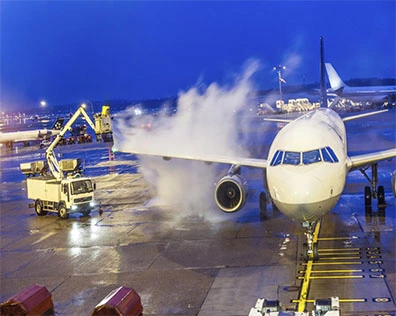
When you compare delivery formats, you can see that liquid uses have clear practical benefits. Granular goods need time to dissolve and mechanical action to work, which causes delays during important weather windows. This lag phase is gone when deicing liquid potassium acetate covers and penetrates the surface right away. Modern spray equipment, such as tanker booms for airport runways and Fixed Automated Spray Technology (FAST) systems placed on bridge structures, works perfectly with the fluid form. Precise flow rate control is helpful for automated delivery systems because it lets them set the best application rates that balance cost-effectiveness with performance needs. Storage and handling are also easier with liquid formulas because they don't make dust and can be stored in temperature-controlled tanks, which keeps the product's consistency all winter. Municipalities that are in charge of big building networks find that liquid systems cut down on the number of workers needed and make it faster to respond to changing weather conditions.
Application Methods and Best Practices for Liquid Potassium Acetate
Paying attention to application time, equipment calibration, and operating routines that match weather forecasts and site-specific conditions is important for getting the most out of a product. Deicing liquid potassium acetate achieves its maximum efficiency when applied as a proactive anti-icer rather than a reactive deicer.
Optimal Application Rates and Timing
An effective anti-icing approach relies on proactive applications before it rains or snows, rather than defensive actions taken after ice forms. Meteorological tracking lets maintenance teams spray airport and road surfaces two to four hours before a storm is expected to hit, giving the solution time to set up protective cover. Application rates should be between 25 and 50 gallons per lane mile, based on the temperature of the surface, the amount of rain that is expected, and the amount of traffic. Lower rates are best for maintenance tasks on surfaces that have already been treated, while higher amounts protect bare pavement for the first time. When deciding what to use, pavement temperature readings are more accurate than air temperature readings because the heat mass in concrete and asphalt affects how ice forms. Infrared sensors and probes buried in the ground give real-time information that helps spray operations. Reapplication times depend on how long and how strong the storm is, but they are usually every 4 to 6 hours during long-lasting events. On roads, traffic helps spread the solution and keep the ice layer from building up. On the other hand, airport taxiways that are only used sometimes may need higher application rates to make up for less motor damage.
Equipment Requirements and Storage Protocols
Specialized spray systems provide exact application rates that are necessary to keep costs down and protect the environment. When hot tanks are added to tanker trucks, deicing liquid potassium acetate doesn't freeze during storage or transport, which keeps the fluid's density stable so that pumps work properly. Spray bar designs change based on the size of the job, from wide-coverage booms that cover multiple roads to precise nozzle arrays for treating bridge decks. Flow meters and GPS integration allow rate control to be done automatically, changing supply based on truck speed and pre-set coverage parameters. Fixed placement systems, such as bridge deck FAST units, have weather stations, pavement sensors, and programmable logic controls that automatically start spray cycles. Tanks for storage must be made of stainless steel or high-density plastic that can handle the slightly alkaline pH profile of potassium acetate liquids. Environmental laws require secondary containment measures to keep leaks from happening by mistake. Keeping an eye on the temperature while the product is being stored can make it last longer, but solutions that are properly made stay stable through multiple freeze-thaw cycles. Basic safety measures, like wearing eye protection and avoiding skin contact, are stressed in handling instructions. However, the low toxicity profile makes the danger less severe than with caustic chloride brines.
Safety Protocols for Personnel and Operations
Operational safety includes both the right way to handle products and the right way to run the site during winter weather reaction. As part of training for employees, the right safety gear is taught, such as splash masks, chemical-resistant gloves, and the right clothes for cold weather. Near storage and moving areas are emergency eyewash stations and safety showers that can be used right away in case of exposure accidents. Material Safety Data Sheets (MSDS) with first aid instructions are kept available for everyone who works with materials. Labels on products make it easy to read what's inside and how dangerous it is, which helps with following the rules and keeping things safe. Maintenance plans for equipment check the integrity of the spray system, the state of the hoses, and the performance of the pump seals to stop leaks and spills. Near places with a lot of storage, spill reaction kits with absorbing materials and neutralizing agents are always ready to go. Some ways to protect the environment are to put up protective berms around mixing areas and follow rules for how to handle washwater from cleaning tools. Before storm reaction operations, safety briefings go over processes and communication methods that help multiple teams work together across distributed infrastructure networks.
Procurement Considerations for B2B Buyers
When choosing a seller, it's important to think about how to balance product specs, source reliability, logistical efficiency, and support services. These factors affect the success of the program in ways other than the chemical itself. Deicing liquid potassium acetate sourcing requires a partner capable of meeting high-volume seasonal demands.
Evaluating Supplier Credentials and Certifications
Before a supplier is qualified, their production skills and quality control systems that support regular delivery of products must be checked. Manufacturing companies that have ISO 9001 approval show that they are dedicated to quality control processes, good documentation practices, and methods for ongoing improvement. ISO 14001 certification for environmental management means that the production process is responsible and creates as little trash as possible while also having a minimal effect on the environment. Even though KOSHER and HALAL approvals are mostly used for food-grade products, they mean that the ingredients and the production method are carefully checked and followed across all lines. Suppliers who have been in the business for decades know more than newcomers about how to improve formulations, help with applications, and follow regulations. Production capacity shows how well a company can handle big holiday orders without having to allocate resources or wait during busy winter months. As the annual capacity gets close to 150,000 tons, it means that infrastructure investments and the growth of the raw material supply chain are needed to serve big customers in the municipal and aircraft sectors. Instead of depending only on certificates of analysis from the maker, third-party testing can confirm standards through analysis by a separate lab.
Understanding Specifications and Testing Standards
Technical specs spell out the product's performance factors and quality levels, making sure it can be used for its intended purpose. The best mix between freezing point decline and handling properties can be found between 50 and 60% deicing liquid potassium acetate. When chloride levels are less than 0.01%, acetate goods don't rust like they do when salt gets into them. Limits for heavy metals like arsenic below 0.0004% and lead below 0.01% meet safety standards for the environment and the aircraft business. Specifications for iron content below 0.002% stop staining and catalytic decay that could make the product less stable. Protocols for ASTM F 483 and ASTM F 1111 corrosion testing backs up claims that infrastructure is safe using a standard way accepted by airport authorities and bridge engineers. Biodegradability testing checks environmental claims by checking how quickly something breaks down and how dangerous it is left over. Each shipment comes with a full Certificate of Analysis, which confirms that the shipped product meets the stated standards for that batch. Buyers who work with regulated industries should ask for proof that they meet the necessary standards, like SAE AMS 1435 for aircraft uses.
Managing Logistics and the Supply Chain
For product delivery to go smoothly, different types of packing, transportation methods, and seasonal inventory control must all work together. Bulk packaging in 1000-liter Intermediate Bulk Containers (IBC) is best for people who use tank holding facilities to move a lot of goods, because it reduces the amount of trash and work that needs to be done. Flexitank options turn normal shipping containers into bulk liquid carriers, making ocean freight transfer more efficient for buyers from other countries. When you move things in containers, they are safe, protected from the weather, and can be tracked through global transportation networks. For regional shippers, domestic trucking works well because it can handle faster wait times and smaller order amounts. Lead times should be included in supply deals. Standard production usually takes 5–7 working days for made-to-order batches, while in-stock items can be shipped 24 hours a day. Because demand changes with the seasons, it's important to plan ahead for buying and store space so that products are available during the busy winter months, when production capacity across the industry drops. Trade terms like FOB, CIF, and DAP make it clear who is responsible for transportation costs and risk transfer. Buyers may have different tastes depending on their own skills and the carriers they already work with. Responding to supplier messages about order progress, following shipments, and coordinating deliveries lowers uncertainty and supports just-in-time inventory practices, which keep working capital from getting stuck in chemical stocks.
Environmental Impact and Safety Profile of Potassium Acetate Deicer
Environmental responsibility and following the rules affect the choice of deicing liquid potassium acetate products more and more as businesses try to find a balance between running their businesses efficiently and protecting the environment and the health of their communities. Deicing liquid potassium acetate represents the industry standard for ecological stewardship in winter maintenance.
Biodegradability and Protecting the Ecosystem
Deicing liquid potassium acetate breaks down very quickly, by more than 90% within the usual testing times. This is very different from chloride salts, which stay in soil and groundwater forever. Soil microbes easily break down acetate compounds as carbon sources, adding them to natural food chains without leaving behind any harmful byproducts. This biological process stops the salt from building up over time, which weakens the soil, makes it harder for water to get in, and makes it unsuitable for plants to grow. The Biological Oxygen Demand (BOD) of runoff that goes into storm sewers and open waters is much smaller than that of urea-based goods, which cause algal blooms and oxygen loss that hurt marine environments. The potassium part acts like fertilizer and helps plants grow, while the sodium part is poisonous and burns plants along the road and builds up to levels that stop seeds from germinating. Groundwater tracking studies near airports that use acetate-based deicers show that they have less of an effect on the water quality than places that use other types of deicers. Wildlife exposure studies show that the substance is not harmful to birds, mammals, or aquatic life. This makes it easier for businesses that work in environmentally sensitive areas to avoid legal issues. Environmental laws are getting stricter, and it's easier to follow them when the products you choose naturally help protect the environment instead of needing a lot of work to fix chemical effects.
Less corrosion and longer infrastructure life
Preserving infrastructure is an important environmental benefit that is often missed when only talking about environmental effects. Choosing non-corrosive deicers to extend the useful life of bridges, airports, and roads lowers the environmental impact of repair work. Making concrete is one of the most carbon-intensive industries, so preventing rust and delaying bridge deck repair by even a few years has a big impact on lowering carbon emissions. The process of making steel and repairing structures with it also has huge environmental impacts. Formulations with potassium acetate show rust rates for carbon steel below 0.03g/m³·h and for concrete below 0.01mm per year, which means they protect structures much better than chloride options. By reducing corrosive exposure, aircraft parts can last longer, which cuts down on upkeep loss and the need to make new parts. Protecting the underbelly of a vehicle cuts down on the number of times it needs to be serviced and the damage that fixing rust and replacing parts too soon can do to the environment. When looking at the whole lifecycle of a product, including how it is made, how it is used, how it affects the environment, and how it protects infrastructure, acetate-based solutions are always better than traditional ones. This is true even when looking at the long-term effects of procurement professionals' choices about which products to buy.
Taking Care of Safety and Emergency Response
When chemicals are used, operational safety factors affect how risks are managed, how much insurance costs, and how much work it is to follow the rules. Potassium acetate liquids don't pose many acute toxicity risks and are considered non-hazardous by most shipping and storage rules. Skin contact only causes mild discomfort, which can usually be fixed by washing with soap and water and doesn't need medical help. Eye contact is the main worry because it could cause irritation that needs to be flushed out and checked out by a doctor if it lasts. Because it is not corrosive or highly dangerous, it is easier to train staff and less safety gear is needed than when working with concentrated chloride brines or glycol solutions. Containment and collection are the main parts of spill reaction processes. Neutralization or special cleanup methods are not needed. Because it isn't flammable, there are no fire risks during storage or use, and it can be stored with other upkeep materials without any special requirements for keeping them separate. Simple processes that focus on protecting the environment through spill containment are better for emergency reaction plans than dealing with instant health threats to responders or people nearby. Companies that run thorough safety programs like choosing low-hazard chemicals because they lower the risk of accidents. This means lower insurance costs, easier regulatory reporting, and better relationships with the community compared to companies that use more dangerous deicing alternatives.
Conclusion
You can get great anti-icing performance from deicing liquid potassium acetate because it lowers the freeze point to -60°C. It also protects the environment and infrastructure much better than chloride and urea-based options. Because it breaks down quickly, doesn't rust, and keeps ice from forming in freezing temperatures, this option is the best choice for airport operations, bridge repair, and city winter maintenance programs. Total lifetime costs, environmental compliance, and operating reliability are all factors that are used to make purchasing choices that always support acetate-based formulations, even though they cost more than commodity salt products. Knowing application procedures, supplier evaluation criteria, and safety profiles helps maintenance pros come up with complete anti-icing plans that protect infrastructure investments and the ecosystems around them.
FAQ
What temperature range does potassium acetate work effectively in?
The anti-icing properties of deicing liquid potassium acetate stay strong down to about -60°C (-76°F), so they can be used reliably in all kinds of winter weather in North America. This amazing low-temperature ability is better than sodium acetate, glycol products, and regular chloride salts. This means it can be used in very cold places like northern airports and mountain pass roads, where other products fail.
How does potassium acetate compare in cost to traditional rock salt?
Potassium acetate costs more per unit than rock salt, but when you look at the long-term costs of maintaining infrastructure, protecting the environment, and running a business efficiently, you can see that the numbers are in your favor. For important uses that put protecting assets and following the rules ahead of direct chemical costs, the difference in price is usually balanced out by fewer fixes needed because of corrosion, longer pavement life, and lower costs for cleaning up the environment.
Can potassium acetate be used in automated spray systems?
Automatic application tools, such as tanker spray booms and Fixed Automated Spray Technology (FAST) installs on bridge structures, work perfectly with liquid formulations. The consistent viscosity, ability to not clog, and chemical stability make it possible to precisely control the flow and ensure stable system operation, which is very important for unmanned automatic reaction systems that are set off by weather sensors and sidewalk temperature tracking.
Partner with Zhaoyi Chemical for Premium Deicing Solutions
Shanxi Zhaoyi Chemical Co., Ltd. has been making acetate salt for more than thirty years and is trusted by airport officials, local agencies, and industry operators around the world to provide high-quality anti-icing solutions. Our yearly production capacity of 150,000 tons makes sure that there is a steady supply of deicing liquid potassium acetate, even during the busiest winter months. Our dedication to quality management, environmental responsibility, and practical safety is backed up by our ISO 9001, ISO 14001, and ISO 45001 certifications. We have strategic relationships with shipping companies around the world that give our foreign customers cheap transport solutions and sure container space. Technical support teams can help you with all of your application needs, including trying products and making suggestions for how to make them work better. We can ship large amounts in 1000L IBC tanks or flexitank containers, and our flexible packing and paperwork will help you get through customs without any problems. Get in touch with our team at sxzy@sxzhaoyi.com to talk about your needs with an experienced supplier and ask for samples, technical details, and quotes that are relevant to your buying needs.
References
Transportation Research Board. "Guidelines for the Selection of Snow and Ice Control Materials to Mitigate Environmental Impacts." National Cooperative Highway Research Program Report 577, Washington D.C., 2007.
Shi, X., Fay, L., Peterson, M.M., and Yang, Z. "Freeze-Thaw Damage and Chemical Change of a Portland Cement Concrete in the Presence of Diluted Deicers." Materials and Structures, Vol. 43, 2010, pp. 933-946.
Fischel, M. "Evaluation of Selected Deicers Based on a Review of the Literature." Colorado Department of Transportation Report CDOT-DTD-R-2001-15, Denver, Colorado, 2001.
Federal Aviation Administration. "Airport Winter Safety and Operations." Advisory Circular AC 150/5200-30D, U.S. Department of Transportation, Washington D.C., 2018.
Levelton Consultants Ltd. "Guidelines for the Selection of Snow and Ice Control Materials to Mitigate Environmental Impacts: Final Report." National Research Council Canada, Ottawa, Ontario, 2007.
American Association of State Highway and Transportation Officials. "Standard Specification for Potassium Acetate." AASHTO M 327-13, Washington D.C., 2013.

USER EVALUATE
Here is the customer's evaluation of us