



Is Liquid Potassium Acetate Safe for Airport Runways?
When winter storms make it possible for flights to be canceled or delayed, airport managers have to make a tough choice: which de-icing agent will keep the runways safe without damaging the infrastructure or the planes? Snow melting liquid potassium acetate has become the best choice for airports around the world because it is safe, efficient, and doesn't harm materials in a way that chloride-based goods just can't. These recyclable, non-corrosive ingredients not only meet strict flight safety standards, but they also actively protect the multimillion-dollar assets that make modern air travel possible.
To understand why this acetate-based answer has become the standard in the industry, you have to look at how modern airport maintenance buying strategies balance chemical performance, regulatory compliance, and long-term infrastructure protection.
Understanding the Safety Profile of Acetate-Based De-icing Solutions
When running an airport, safety standards must be the best because the conditions of the runway directly affect how well planes perform during the most important parts of flying. Unlike regular rock salt or calcium chloride, potassium acetate formulas take care of more than one safety issue at the same time.
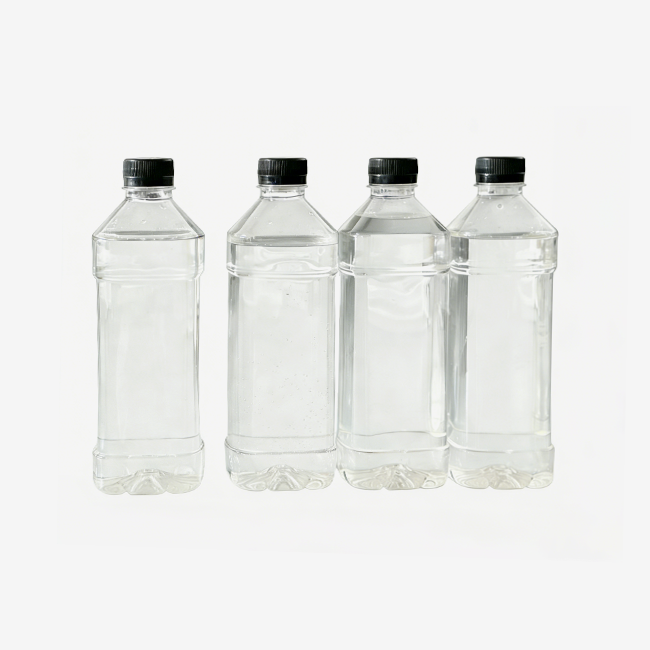
The chemical make-up of this solution—usually between 50 and 60% CH₃COOK concentration—lowers its freezing point to -35°C without making the harmful leftovers that chloride compounds do. When planes worth hundreds of millions of dollars keep hitting runways that have been treated with de-icing tools, this is very important.
Material Compatibility with Aircraft Components
Manufacturers of airplanes have put the landing gear, brake systems, and metal airframe sections through a lot of tests using different de-icing chemicals. The results show that acetate-based formulas keep corrosion rates on important parts below 0.03g/m²·h, which is the minimum level required by AMS 1435 aircraft material standards.
Major airport maintenance teams have seen a big drop in corrosion-related fixes since they stopped using chloride-based goods. There are cost saves that go beyond just the repair processes. When non-chloride alternatives are used, runway lighting systems, integrated sensor networks, and pavement marking retroreflectivity all last longer.
Environmental Safety and Regulatory Compliance
The Environmental Protection Agency and the Federal Aviation Administration are putting more and more emphasis on how airport activities affect the environment. Acetate-based solutions biodegrade at rates higher than 95%, which means they break down naturally and don't build up in the groundwater or dirt around airport sites.
This biodegradability solves a problem that environmental managers at airports have been having with rainwater flow. Traditional chloride goods raise the salinity of nearby waterways, which can hurt marine species and could be against the rules of the Clean Water Act. When acetate formulations are broken down, they turn into harmless organic substances. This gets rid of these compliance risks while keeping the formulations' working usefulness.
Performance Characteristics in Critical Airport Applications
When purchasing managers look at de-icing options, they need real performance data that shows how reliable the system is in the worst situations. The fact that potassium acetate solutions are liquid gives them a number of practical benefits that have a direct effect on safety results.
Immediate Activation and Snow Melting Efficiency
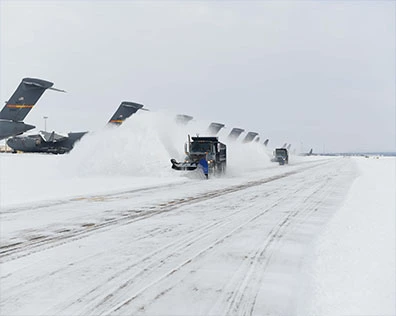
It takes time for solid de-icing products to dissolve and work, which leaves a dangerous window where ice can keep building on runways. Because they work right away on touch, liquid acetate treatments don't have this delay. In the field, tests show that snow can melt at rates of more than 85% in one hour at temperatures as low as -25°C.
This ability to respond quickly with snow melting liquid potassium acetate comes in handy when the weather changes quickly. Airport operations managers can use treatments right before it rains, which stops ice bonds from forming instead of having to deal with accumulations that have already happened. The preventative method, which is called "anti-icing" in the business world, uses fewer chemicals overall while keeping the surface in better shape.
Automated spray systems work perfectly with liquid mixtures, letting precise application based on current weather information and sensors that measure the temperature of the ground. This combination of technologies is the way airports will run in the future, when decisions are made based on data that makes them safer and more cost-effective.
Low-Temperature Performance and Storage Stability
De-icing products have a hard time working effectively at very high temperatures during winter activities in northern areas. Liquid potassium acetate stays flexible at temperatures well below the freezing point of water. This means that it can be pumped and sprayed even when conditions are very bad.
When airport facilities plan their yearly chemical stockpiles, storage issues are very important. The clear, slightly acidic liquid can be stored safely in normal chemical containment systems. It doesn't crystallize or separate like some competing goods do. Keeping goods in dry, well-ventilated stores away from heat sources is the best way to keep them in good shape over multiple seasons.
The stable liquid shape is also helpful for transportation operations. The product doesn't lose quality when it's shipped in 1000L IBC tanks or bulk flexitanks because it can handle changes in temperature. This dependability is very important for procurement teams that are in charge of handling just-in-time supply plans that are in line with weather forecasts.
Infrastructure Protection and Long-Term Cost Benefits
Rebuilding an airport runway can cost tens of millions of dollars per mile, which means that a lot of money has to be spent on infrastructure. Protecting this investment by choosing the right chemicals gives a return on investment that is much higher than the difference in price between products.
Concrete and Steel Preservation
Chloride-based de-icers speed up the breakdown of concrete in a number of ways, such as by making the freeze-thaw cycle stronger and attacking the cement paste chemically. The non-chloride form of acetate products stops these damaging processes, which makes pavement last for years or even decades longer.
Chloride can damage steel reinforcements in concrete buildings more than other types of steel. When chloride ions reach the base of the rebar, they start the rusting process that breaks down the concrete and makes the structure weak. The amount of chloride in good acetate mixtures stays below 0.01%, which basically stops this road to infrastructure failure.
Bridge decks and high taxiways are the most vulnerable to freeze-thaw cycles because they don't have any ground touch to protect them. Fluids that don't corrode are used to protect both the pouring equipment and the structure below when Fixed Automated Spray Technology systems are placed on these important buildings. Products made from acetate meet both needs at the same time.
Landscape and Vegetation Safety
A lot of airport buildings have large green areas that are nice to look at and useful for a number of reasons, such as keeping wildlife in check and letting rainwater soak into the ground. Traditional chloride de-icers hurt plants by causing osmotic stress and soil structure decay, leaving bare spots that need expensive repairs.
Because potassium acetate is biodegradable, it doesn't hurt lawn grass, decorative plants, or natural vegetation buffers when it runs off or gets too much of it. Landscape care teams say that areas treated with acetate products have better plant groups and lower replacement costs than areas treated with chloride products.
This plant compatibility of snow melting liquid potassium acetate also includes farming areas near regional airports, where drift or runoff onto fields could otherwise cause liability issues or problems with neighbors. The science of acetate actually helps plants in small ways by giving them nutrients instead of harming them.
Global B2B Procurement Considerations for Airport Operators
Purchasing managers who are in charge of winter operations contracts have to make tough choices that involve weighing the current price against the total cost of ownership. To do the review, you need to know about both the technical performance requirements and the factors that affect the trustworthiness of the supply chain.
Quality Assurance and Certification Standards
International airports have strict quality control systems that require products to be fully traceable and meet uniform standards. Suppliers who have ISO 9001, ISO 14001, or ISO 45001 certifications show that they are committed to quality control methods that make sure that each batch is the same.
Each package should come with proof of a chemical study that checks for things like the amount of potassium acetate, the presence of impurities like iron, arsenic, sulfate, and heavy metals, the pH value, and the freezing point. Manufacturers with a good reputation stick to testing methods that go above and beyond what is required. This gives them room to meet specifications even when production conditions change.
Aviation-specific certifications like KOSHER and HALAL may not seem related to buying chemicals, but they show that a manufacturer can set up specialized quality systems and work with different regulatory frameworks, which means that their products will work well in airplanes.
Supply Chain Reliability and Seasonal Demand
Winter weather causes predictable yearly demand spikes that make it hard for chemical supply lines to keep up. Teams in charge of buying things need providers who can meet their needs in terms of production capacity, strategic store placement, and emergency reaction during big weather events.
Manufacturing plants that can make 150,000 tons of goods a year can meet the needs of several big airports without having to worry about sharing issues during busy times. This scale is important for comparing sellers because smaller ones may have trouble getting raw materials or making things when demand is high.
Lead times depend on the size of the order and the time of year, but during normal times, capable providers can usually meet orders within 5–7 working days while keeping extra stock on hand for quick deployment in case of an emergency. Having long-term partnerships with foreign shipping companies guarantees low freight costs and dependable arrival times that help just-in-time inventory management strategies.
Strategic Advantages of Partnering with Experienced Manufacturers
Because airport de-icing processes with snow melting liquid potassium acetate are so complicated, they need more than just buying chemicals. Strategic relationships with makers with a lot of experience give you access to technical know-how and the ability to customize products in ways that improve business results.
Technical Support and Application Guidance
For de-icing programs to work, the amount of salt that is used needs to be adjusted based on the weather, the type of surface, and the traffic patterns. Manufacturers with decades of experience in the field offer advice that helps airports come up with the best procedures.
As part of this technical help, site-specific trials are done to find the best dilution ratios, spray patterns, and timing methods that get the job done with the least amount of chemical. The advice includes picking the right equipment and keeping it in good shape, so that both automatic spray systems and human application equipment work well all winter.
When strange weather trends or operational problems happen, quick expert support—available within two hours of a question—is very helpful. Having access to chemistry experts and application specialists speeds up the troubleshooting process so that airports can keep people safe without affecting their operations.
Customization for Unique Operating Environments
Standard formulations work well for most airport uses, but customized solutions are better for some operating settings. Companies that let you customize their products can change the packages of rust inhibitors, the concentration ranges, or make special formulas for different climates.
Through joint development programs, airports can help find the best solutions and give operational feedback that leads to ongoing growth. When people work together, they make goods that solve problems in the real world instead of just following academic rules.
Different storage and handling needs can be met by flexible packaging, such as bulk flexitanks for major airport hubs and IBC boxes for regional sites. Depending on how the building is set up and the equipment that is used, custom packing solutions can cut down on handling costs and make dispensing more efficient.
Conclusion
In conclusion, snow melting liquid potassium acetate solutions are the best way to de-ice airport runways because they meet instant safety needs while also protecting long-term infrastructure and being environmentally friendly. The non-corrosive chemistry saves runway systems and airplane parts while providing better performance in very cold weather. When looking at winter maintenance plans, procurement professionals should look at the total cost of ownership instead of just the unit price. This is because keeping infrastructure in good shape and following the rules are more valuable than the original cost of chemicals. Winter operations can go from managing crises after the fact to proactively improving safety by working with experienced makers who offer technical support, quality assurance, and a reliable supply chain.
FAQ
What about liquid potassium acetate makes it safer for fields than regular road salt?
The main difference is in the chemicals that make them up and how they communicate with each other. Normal sodium chloride and calcium chloride make chloride ions that speed up the rusting of airplane parts made of aluminum, steel reinforcements, and electronics that are buried in the metal. Liquid potassium acetate keeps chloride exposure to a minimum while keeping the same or better ice melting performance. This makes both airplanes and building assets last longer.
How does the temperature change how well acetate-based de-icers work?
Potassium acetate liquids work just as well at much lower temperatures as water-based options. At 50–60% concentration, formulations can lower their freezing point to -35°C while still being fluid and easy to pump. This low-temperature performance makes sure that the product will work reliably even in the worst winter circumstances, when other products might freeze or stop working.
Can acetate de-icers harm airport landscaping or surrounding ecosystems?
Potassium acetate is different from chloride molecules that last a long time because it breaks down naturally. The chemical breaks down into safe organic compounds that don't build up in soil or water systems because it biodegrades more than 95% of the time. The plants can handle acetate much better than chloride salts, so they don't get "salt burn" or have their soil break down like with other goods.
What kind of quality standards should buyers ask sellers to show?
Some complete quality systems are ISO 9001 for industry, ISO 14001 for managing the environment, and ISO 45001 for health and safety at work. Some aviation apps may need more proof that they follow AMS 1435. For each shipment, suppliers should give analytical reports that are special to the batch and prove the purity standards, impurity levels, and performance qualities.
Secure Your Winter Operations with a Trusted Acetate Solution Partner
Zhaoyi Chemical has been making specialized acetate for more than 30 years and can help airports that need dependable winter maintenance solutions. Our qualifications as a snow melting liquid potassium acetate provider include a wide range of certifications, constant quality standards, and the ability to meet both regular seasonal needs and emergency response needs. We know that choices about what to buy at an airport affect safety, environmental compliance, and the long-term viability of the facilities all at the same time. Our expert team gives detailed advice on how to use our products, and our supply chain infrastructure makes sure that products are available when the weather calls for quick action. Please email our experts at sxzy@sxzhaoyi.com to talk about your specific operational needs and find out how our acetate-based solutions can make your winter operations program safer and more cost-effective.
References
Federal Aviation Administration. "Aircraft Anti-Icing and De-Icing Fluid Guidelines." FAA Advisory Circular 150/5200-30D, 2018.
American Society for Testing and Materials. "Standard Specification for Potassium Acetate Based Aircraft Deicing/Anti-icing Fluid." ASTM D8339-20, 2020.
Environmental Protection Agency. "Storm Water Management for Industrial Activities: Developing Pollution Prevention Plans and Best Management Practices." EPA-832-R-92-006, 2019.
Transportation Research Board. "Guidelines for the Selection of Snow and Ice Control Materials to Mitigate Environmental Impacts." NCHRP Report 577, National Academy of Sciences, 2007.
SAE International. "Aircraft and Airfield De/Anti-Icing Fluid Environmental Effects." SAE ARP 5094 Aerospace Recommended Practice, 2017.
National Association of Corrosion Engineers. "Corrosion Effects of De-Icing Salts on Infrastructure Materials." NACE International Publication 35112, 2016.

USER EVALUATE
Here is the customer's evaluation of us