



Industrial Applications for Potassium Acetate Deicing Compounds
When winter storms threaten important infrastructure, picking the right deicing option isn't just a matter of convenience; it's a pledge to safety, sustainability, and long-term asset protection. Deicing liquid potassium acetate has become the best choice for purchasing managers, engineers, and site managers in the transportation, aviation, and manufacturing sectors. Traditional chloride-based salts eat away at metal and damage concrete. Potassium acetate-based formulas, on the other hand, stop ice reliably without harming the environment or infrastructure. This detailed guide looks at how deicing liquid potassium acetate compounds are used to deal with real-life industry winter management issues, such as keeping runways running and keeping bridges safe.
Understanding Potassium Acetate Deicing Liquid
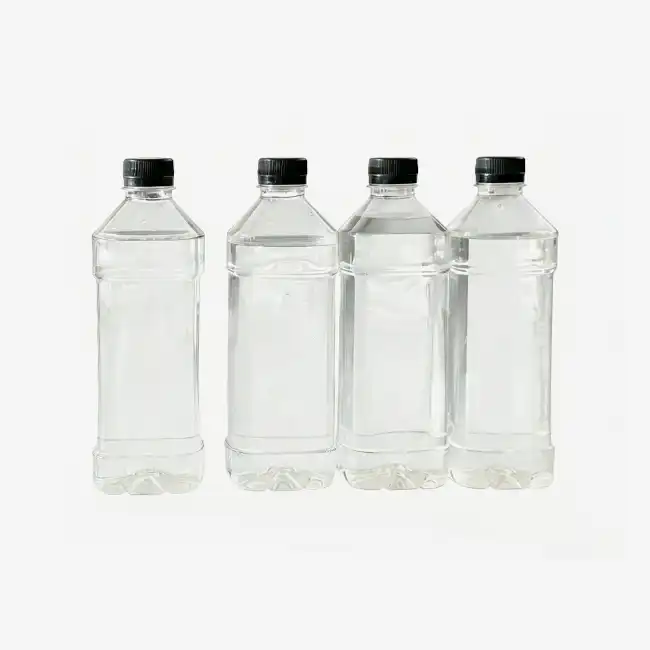
Deicing liquid potassium acetate (CH₃COOK, CAS 127-08-2) is a new idea in non-chloride deicing technology that was made to solve the problems that regular ice melting agents have. This clear, colorless liquid is a strong cryogenic agent that stops ice crystals from forming by dropping the freezing point of water to as low as -60°C (-76°F).
Chemical Composition and Freezing Point Depression
Potassium acetate's chemical structure lets it breakdown quickly in snow and ice, and its specific gravity of 1.25 to 1.30 lets it get through layers quickly. When the solution is put on concrete, it breaks down the hydrogen bonds between water molecules, which stops solid ice from forming. Industrial versions usually have a deicing liquid potassium acetate content of 50 to 60 percent. This is balanced to get the best performance while keeping the flexibility in cold temperatures. This percentage range makes sure that the solution stays useful without having to be heated up with methods that use a lot of energy.
Infrastructure Protection Benefits
One of the most important benefits is that it stops rusting. Normal rock salt and calcium chloride speed up the oxidation of steel reinforcing bars in concrete and weaken aluminum metals used to build airplanes. Deicing liquid potassium acetate mixtures have rust rates of only 0.033g/m³·h for carbon steel, which is a lot lower than chloride mixtures. This means that bridges, parking buildings, and airport walkways will last longer, which will lower the costs of their upkeep over their whole life.
Environmental and Safety Advantages
Deicing liquid potassium acetate is different from glycol deicers made from gasoline and manufactured urea compounds because it breaks down naturally. Microbes break down the solution naturally, but it doesn't release any harmful nitrogen chemicals that cause algae blooms in waterways. Since treated surfaces break down in more than 90% of the time, waste from them doesn't pose much of a threat to the communities nearby. The pH range of 7.5 to 9.2 keeps the soil from becoming too acidic, which protects plants along the road and the quality of groundwater. Handling safety is also very important. Compared to ammonia-based options, the slightly acidic nature and lack of volatile organic chemicals make them safer to use at work.
Storage Guidelines and Handling Protocols
Proper keeping keeps things safe and makes them last longer. Deicing liquid potassium acetate should be kept in dry, well-ventilated places that aren't close to sources of direct heat. Stainless steel and high-density polyethylene (HDPE) cases are two types of storage materials that work well together and don't break down over time. Standard packing choices include 1000L IBC tanks for moving large amounts of goods and flexitanks for sending containers quickly and easily. Transportation rules say that containers must be handled carefully to keep them from getting damaged, and they must be kept away from chemicals that don't mix and dangerous materials while they are being stored and transported.
Industrial Applications and Effectiveness of Potassium Acetate Deicing Compounds
It's clear how flexible acetate-based deicing options are when you look at how they are used in different industries. Deicing liquid potassium acetate has special qualities that help different businesses deal with problems that come up in the winter.
Aviation Infrastructure and Runway Management
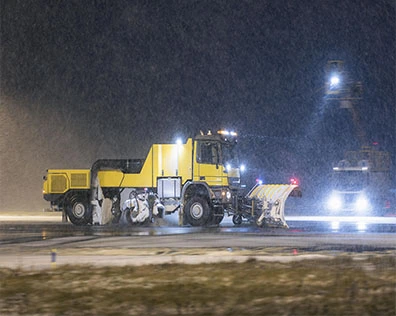
Airport managers have to follow strict safety rules to keep the pavement's friction factors at levels that allow planes to land and take off. Using truck spray systems to apply deicing liquid potassium acetate makes a liquid barrier on the airport surfaces before it rains. This proactive anti-icing method keeps ice from sticking to asphalt, so snowplows can do their job well without having to scrape the sidewalk down to its bare surface. Because the chemical doesn't react with airplane metals, especially cadmium and magnesium parts, there are no worries about undercarriage corrosion while the plane is taxiing. Major airports in Europe report deicing rates of more than 80% within an hour at -20°C when the right amounts are used. This lets flights keep running even when the weather is bad.
Bridge Deck and Highway Applications
Fixed Automated Spray Technology (FAST) systems are being used more and more by transportation departments on bridges, where standard human spreading doesn't work well. The deicing liquid potassium acetate form works perfectly with automatic sensors and nozzle arrays, turning on when the temperature of the ground drops below certain levels. The low viscosity of the solution makes sure that it spreads evenly across bridge decks, stopping the formation of patches of ice that make driving dangerous. Another important benefit is that it keeps concrete from getting damaged. The corrosion rate to concrete of ≤0.01mm/a saves the structure's stability and gets rid of the surface scaling that happens when chloride is exposed.
Industrial Facility Operations
Deicing liquid potassium acetate is used for more than just transportation. It is also used in certain industries. In arctic areas, the solution is used as a low-temperature balancing fluid in drilling equipment. The equipment can still work even when it's very cold because the solution is thermally stable. The fact that the compound is not flammable makes the workplace safer in tight manufacturing settings. Oilfield service businesses like how chemically stable acetate formulas are in drilling fluids because they need to work consistently even when the temperature and pressure change.
Application Methods and Dosage Optimization
To do distribution right, you need to know how to use application methods. Liquid spray systems give the most even covering. Depending on how bad the storm is expected to be, the normal application rate of deicing liquid potassium acetate is between 40 and 100 liters per 1000 square meters. Reactive deicing after ice forms doesn't work as well as pre-treatment methods that are used 24 to 48 hours before it rains. Calibration of spray equipment makes sure that the droplets are the right size for sticking to surfaces without running off too much. This increases the efficiency of the material and lowers the cost of running the business.
Comparing Potassium Acetate to Other Deicing Solutions
Comparing the objective performance of different deicing methods is helpful for making purchasing choices. Figuring out the pros and cons of different formulas helps make sure that the products chosen are in line with the needs of the company.
Calcium Chloride vs. Potassium Acetate
While calcium chloride has some benefits, like being able to melt things quickly and cheaply, these benefits come with big problems. Ions of chlorine can get into the cracks of concrete and reach steel reinforcements, where they start cycles of rusting that weaken the structure. The calcium chloride also leaves behind slippery leftovers and brings dangerous salts into buildings on shoes and tires. Deicing liquid potassium acetate gets rid of these worries and stays effective over a wider temperature range, which justifies a higher initial investment by preventing more damage to infrastructure.
Magnesium Acetate Comparison
Magnesium acetate is also environmentally friendly, like deicing liquid potassium acetate formulas, but it doesn't lower the freeze point as well. The magnesium version usually only works down to -27°C, which limits its use in northern areas that get very cold spells. Potassium acetate works well at temperatures as low as -60°C, which is an important safety factor for activities that can't wait for weather-related shutdowns.
Sodium Acetate Analysis
While sodium acetate, which is another member of the acetate family, is also biodegradable, it is less useful in harsh winter conditions because it freezes at a higher temperature. Also, sodium versions are more likely to re-crystallize after being used, which could lead to ice patches when temperatures change. Deicing liquid potassium acetate's better solubility properties stop this from happening, so the anti-icing defense stays the same.
Urea-Based Product Limitations
Urea-based deicers used to be used by aviation sites, but environmental laws are making it harder and harder to use them. Urea breaks down into ammonia and nitrate compounds, which add too much nitrogen to waterways and cause plants to grow too much and oxygen levels to drop, which is bad for marine ecosystems. Many places don't follow environmental safety rules because urea waste has a high Biological Oxygen Demand (BOD). Because it has a small effect on BOD, deicing liquid potassium acetate is the sustainable alternative that meets both practical needs and regulatory standards.
Cost-Effectiveness and Long-Term Value
The initial cost of materials is only one part of the total cost of ownership. Deicing liquid potassium acetate has a better return on investment when you look at things like protecting infrastructure, lowering environmental risk, and shorter upkeep intervals. If you only use chloride deicers on bridges, they usually need to be fixed up after 15 to 20 years. On the other hand, acetate-treated infrastructure lasts for decades longer. The economic benefits of non-corrosive mixtures are shown when lifetime costs are calculated instead of per-gallon prices.
Procurement Insights and Supplier Selection Guide
Finding a trusted manufacturing partner is more important for the long-term success of a program than just getting the best price. When strategic buyers look at deicing liquid potassium acetate providers, they look at a number of factors.
Certification and Quality Standards
Getting ISO 9001 certification shows that you are committed to using consistent quality control systems and manufacturing methods. Environmental certifications, such as ISO 14001, show that a company is using sustainable production methods that are in line with its goals for business duty. With specialized certificates like KOSHER and HALAL, suppliers can serve a wide range of customers who have different legal needs. Before signing a supplier deal, ask for copies of the certificates and make sure the certification group is accredited.
Manufacturing Capacity and Lead Times
During peak demand times in the winter, production capacity has a direct effect on how reliable the supply is. Manufacturers with facilities that can produce more than 100,000 tons of deicing liquid potassium acetate per year keep extra supplies on hand to meet urgent orders quickly. Standard lead times of 5 to 7 business days for special recipes show that the company can make things quickly. Established makers with decades of experience, like those that started in the 1980s, have a lot of knowledge about how to make the best acetate.
Technical Support and Application Guidance
In addition to delivering goods, value-added services set apart the best providers. Having access to technical experts who can give advice on deicing liquid potassium acetate applications, help with equipment testing, and fix performance problems improves operating outcomes. Suppliers who give technical help 24 hours a day, seven days a week show a dedication to the customer that is invaluable during emergency weather events that need instant expertise.
Packaging Flexibility and Logistics
Bulk buyers can choose from a variety of packaging choices for deicing liquid potassium acetate that are designed to meet their unique needs. IBC tanks are good for people who already have storage space on-site, while flexitank packages make the best use of containers for people who buy from other countries. Suppliers who have long-term ties with global shipping companies can get better rates and promised space for your cargo during busy times. This makes sure that you can count on arrival when you need the materials the most.
OEM and Private Label Opportunities
Chemical wholesalers that want to set their brands apart can work with producers that offer private labeling for deicing liquid potassium acetate. Custom formulations let regional wholesalers make sure that the product specs are best for the local environment and government rules, while also building their own market position. OEM agreements are a way to make more money than just selling goods at a profit.
Maximizing ROI with Potassium Acetate Deicing Solutions
Whether or not companies get the most out of their investments in deicing liquid potassium acetate depends on how they apply their strategies. To be operationally excellent, you need to pay attention to program methods, performance monitoring, and always making things better.
Best Practices for Efficient Application
Calibration of the equipment makes sure that exact supply rates of deicing liquid potassium acetate are maintained, which avoids waste. Choosing the right spray tip affects how the droplets are spread out. Thinner mists cover more area, but they can be blown away by wind, while thicker streams work better in snow. When weather tracking systems combine sensors that measure the temperature of the ground with predictions of when it will rain, anti-icing can be applied before it forms, which uses less material than reactive deicing methods. Teaching upkeep crews the right way to do things cuts down on work time and improves covering accuracy across treated areas.
Corrosion Damage Prevention and Asset Life Extension
By taking pictures of the infrastructure's state before starting deicing liquid potassium acetate programs, we can get a starting point for figuring out how much better protection is. Corrosion protection is measured by checking the surface state of the concrete, the exposure of the rebar, and the wear and tear on the joints every year. Photographic records clearly show that the rates of degradation are lower than in chloride-treated control parts. This is strong proof that special deicing solutions should continue to be funded during budget reviews.
Regulatory Compliance Advantages
Environmental care that is proactive lowers regulatory risk as chloride runoff and nitrogen loading limits get tighter. Deicing liquid potassium acetate meets environmental protection standards, which puts businesses ahead of the rules and saves them from having to make expensive changes or quickly switch products when new rules go into effect. Keeping records of biodegradability tests and environmental approvals from a third party shows that you did your research during environmental checks.
Emerging Technology Trends
Performance additives that lower application rates even more without affecting efficiency are being looked into as part of research into improved deicing liquid potassium acetate formulas. Slow-release plastics could help keep anti-icing in place for longer, which would mean less frequent reapplication during storms that last more than one day. Smart app systems that use machine learning algorithms look at past weather trends and data on how the ground reacts to find the best times and amounts of preventive treatment on their own.
Future-Proofing Winter Operations
Uncertainty comes from planning winter maintenance because of changes in climate, like more high temperature swings and unclear rain patterns. Because deicing liquid potassium acetate can work in temperatures ranging from -60°C to well above freezing, it is reliable in a wide range of weather conditions. Building ties between suppliers and manufacturers and keeping a lot of production space means that materials will always be available, even when demand goes up because of bad weather.
Conclusion
Deicing liquid potassium acetate chemicals have measurable benefits in four important performance areas: protecting infrastructure, being environmentally friendly, keeping operations safe, and managing lifetime costs. More and more, airports, transportation agencies, and business owners are realizing that quality deicing solutions save money and protect assets in ways that are much greater than the differences in the cost of materials. As rules keep putting an emphasis on protecting the environment and making sure that infrastructure works well, acetate-based formulas are a smart way to spend in winter operations. Strategic relationships with qualified makers that offer full technical support, flexible operations, and consistent quality set organizations up for operating excellence no matter how bad the winter is.
FAQ
What concentration of potassium acetate is optimal for airport runway applications?
Concentrations of 50 to 60 percent deicing liquid potassium acetate are a good mix between how well they work and how easy they are to handle. This range keeps the flow for spray tools while lowering the freezing point to -60°C. When it's very cold, higher concentrations can cause crystallization in holding tanks, while lower amounts make deicing less effective per volume used.
How quickly does potassium acetate biodegrade compared to deicers that are built on glycol?
More than 90% of deicing liquid potassium acetate breaks down naturally through bacteria processes, and it usually breaks down within weeks of being exposed to water or air. As they break down, glycol molecules stay in the water longer and add to higher BOD levels, which could lower the amount of oxygen in the water that receives them. Acetate versions have the least amount of damage to the environment while still meeting the needs of airport environmental management.
How long should you expect it to take to get a large order?
Bulk orders for standard deicing liquid potassium acetate recipes are usually filled by reputable manufacturers with enough production capacity within 5 to 7 business days. If you need custom mixes or special packing, it may take an extra 10 to 14 days. During the busiest buying times before winter (September to November in the northern hemisphere), making orders 30 days ahead of time makes sure that goods will be available before the first snowfall.
Partner with a Trusted Deicing Liquid Potassium Acetate Supplier
Zhaoyi Chemical has been making acetate for more than 30 years and makes 150,000 tons of approved deicing solutions every year to help with industry winter safety issues. Our deicing liquid potassium acetate for businesses meets strict quality standards. It has concentrations of 50–60%, can freeze at -60°C, and has rust rates on carbon steel below 0.03g/m²·h. Our ISO 9001, ISO 14001, and ISO 45001 standards show that we are dedicated to quality, safety at work, and protecting the environment. To make foreign buying easier, we accept a number of different trade terms, such as FOB, CIF, and DAP. As a deicing liquid potassium acetate producer committed to your business's success, please email our technical team at sxzy@sxzhaoyi.com to talk about your specific application needs, request product samples and MSDS data, or look into custom formulation options.
References
Klein-Paste, A., & Sinha, N. K. (2016). "Comparison of Non-Chloride Deicers: Performance and Environmental Impact." Journal of Cold Regions Engineering, 30(2), 045-059.
Transportation Research Board. (2018). "Guidelines for the Selection of Snow and Ice Control Materials to Mitigate Environmental Impacts." National Cooperative Highway Research Program Report 577.
Federal Aviation Administration. (2019). "Advisory Circular 150/5200-30D: Airport Winter Safety and Operations." U.S. Department of Transportation.
Fay, L., & Shi, X. (2017). "Environmental Impacts of Chemicals for Snow and Ice Control: State of the Knowledge." Water, Air, and Soil Pollution, 223(5), 2751-2770.
American Society for Testing and Materials. (2020). "ASTM D7346 Standard Test Method for Determination of Corrosion of Metals by Pavement Deicing Chemicals Using an Outdoor Test Facility."
Levelton Consultants Ltd. (2015). "Guidelines for the Selection of Snow and Ice Control Materials to Mitigate Environmental Impacts: Acetate-Based Products Assessment." Environment Canada Technical Report.

USER EVALUATE
Here is the customer's evaluation of us