



Best Potassium Acetate Deicing Liquid for Use on Aircraft Deicing
When winter weather makes flying unsafe, picking the right deicing option for your plane becomes mission-critical. The best deicing liquid potassium acetate mixes do a great job of melting ice while also being good for the earth and protecting infrastructure. When comparing different options, high-concentration potassium acetate solutions—which usually have 50–60% active compound (CH₃COOK, CAS 127-08-2)—stand out because they can stay fluid and effective at temperatures as low as -60°C (-76°F), they don't corrode, which protects aircraft alloys and runway surfaces, and they break down quickly, which is better for the environment than older chloride or urea-based solutions.
Understanding Potassium Acetate Deicing Liquid
When deicing airplanes, you need solutions that are made to work in harsh situations and meet strict flight safety standards. Using deicing liquid potassium acetate is a more scientifically advanced way to manage winter runways and plane surfaces.
Molecular Composition and Chemical Properties
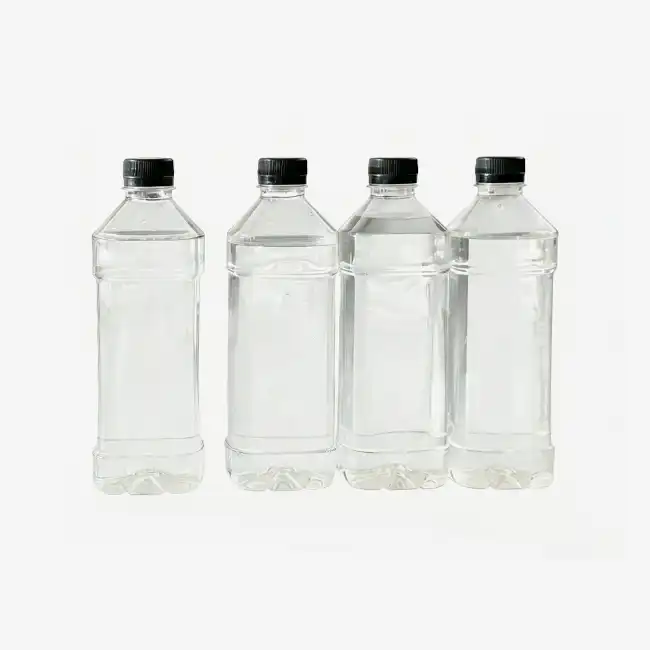
This acetate-based deicer is made up of potassium acetate that has been mixed in water to make a clear, white liquid that is slightly acidic. Its chemical identity is shown by the molecular formula CH₃COOK and the molecular weight of 98.14. This substance is very useful because it can lower the freezing point very well. High-quality formulations keep their anti-icing and liquid-forming properties even at -60°C, which is much lower than the performance level of many common options.
At 20°C, the specific gravity is usually between 1.25 and 1.30, which lets the solution get through layers of ice and lift ice that is stuck to metal and sidewalk surfaces. The pH range of 7.5 to 9.2 is just alkaline enough to stop acidic forces while still being gentle on delicate materials.
Performance Advantages Over Alternative Deicers
The use of deicing liquid potassium acetate is better than sodium acetate, calcium chloride, and glycol-based solutions in a number of ways. Even though sodium acetate is chemically similar, it melts less quickly at very high temperatures. Even though calcium chloride and other chloride salts are cheap, they pose serious corrosion risks to airplane metal alloys, landing gear, and concrete infrastructure. These risks lead to damage that costs a lot to fix over the course of the equipment's useful life.
Glycol-based deicing fluids are often used directly on the surface of airplanes, but they have higher Biological Oxygen Demand (BOD) loads when they enter wastewater systems. Deicing liquid potassium acetate breaks down quickly without creating harmful nitrogen molecules, so it has much less of an effect on the environment. As environmental laws get stricter, this trait is especially useful for aviation sites that need to stay in line with the rules while also saving nearby water bodies and ecosystems.
Storage Requirements and Shelf Life Considerations
Keeping things in the right way keeps them safe and useful for longer. This deicing solution should be kept in buildings that are dry, well-ventilated, and away from direct heat sources and sources of wetness. Storage containers that work with them are tanks made of stainless steel and jars made of high-density polyethylene (HDPE). The product has an unlimited shelf life as long as it is kept properly in the right cases. This gives seasonal businesses more options for when to buy it.
Transporting containers needs to be done carefully so that they don't get damaged. During shipping and storage, the liquid must be kept separate from things that don't go with it and things that are harmful. These simple storage rules make buying in bulk possible for airport managers who are trying to handle their seasonal supplies.
Comparing Deicing Solutions for Aircraft: Why Choose Potassium Acetate?
Choosing the right deicing liquid potassium acetate products has a direct effect on the safety of airplanes, the continuity of operations, and the long-term protection of infrastructure. Comparing performance helps buying decision-makers find a mix between how well something works right away and how much it will cost in the long run.
Corrosion Resistance and Infrastructure Protection
Advanced aluminum, magnesium, and hybrid materials that are easily damaged by chemicals are used to make airplanes. Traditional deicers that are based on chlorides, like calcium chloride and magnesium chloride, speed up the breakdown of metals and concrete. When chloride solutions are put on carbon steel, the corrosion rate can get very high. On the other hand, deicing liquid potassium acetate mixtures show corrosion rates as low as 0.03g/m²·h for carbon steel and 0.01mm/a for concrete surfaces.
This huge drop in material degradation directly leads to longer component lifespans, fewer inspections, and less upkeep work being needed. Non-corrosive formulas are also good for runway and taxiway surfaces because they don't cause the scaling of concrete and weakening of steel that happens when chloride salts are used on infrastructure. These defensive features are especially useful for places that take care of budgets for replacing old infrastructure or running fleets of old airplanes.
Environmental Compliance and Biodegradability
More and more, practical choices in aviation are based on environmental stewardship. Deicing liquid potassium acetate breaks down naturally and doesn't build up in soil or groundwater, with biodegradability rates above 90%. This is very different from urea-based deicers, which release nitrogen molecules that are bad for the environment and cause algae blooms and oxygen loss in the water they enter.
Acetate-based options are necessary for airports that are near sensitive environments or have to follow strict discharge permits in order to keep their operating permits and protect the environment. The lower BOD level makes treating wastewater easier and lowers the costs of doing so, which is good for both the environment and the economy.
Operational Efficiency in Real-World Applications
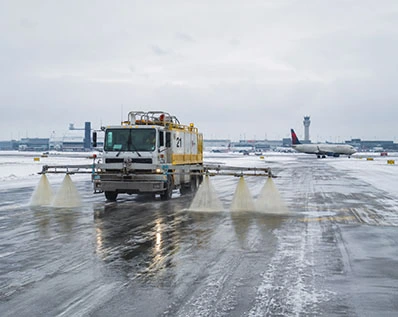
After switching to deicing liquid potassium acetate formulations, major foreign airports have seen measurable gains. When deicing works better than 80% in an hour at -20°C, the runway is cleared quickly, flying delays are kept to a minimum, and the plan stays intact during winter weather events. The liquid form works well with automated spray equipment and Fixed Automated Spray Technology (FAST) systems that are put in place on bridge approaches and high runway parts.
These automatic systems use temperature and moisture monitors to precisely apply anti-icing treatments before ice bonds form. This is a proactive method that works better than reactive snow removal. When you combine the ability to apply automatically with better performance in low temperatures, you get practical benefits that last all winter.
How to Apply Potassium Acetate Deicing Liquid Effectively on Aircraft
To make deicing work as well as possible, you need to know the right way to apply it, choose the right tools, and follow safety rules. The wrong use of a product wastes it, puts safety at risk, and could damage sensitive flight systems.
Pre-Application Preparation and Equipment
For aviation-grade use, you need special tools that are tuned for deicing liquid potassium acetate formulas. Tanker spray systems with the right tools make sure that the chemicals are spread evenly across the airport surfaces. For direct use on airplanes, hot spray units keep the solution at the right temperature, which makes it easier for the ice to penetrate and be removed.
An environmental evaluation for deicing liquid potassium acetate comes before choices about applications. Ground workers keep an eye on the temperature, type of precipitation, and wind to figure out the best time and amount of spray to use. When sprayed before it rains, anti-icing treatments create walls that stop ice bonds from forming. Deicing operations, on the other hand, remove ice that has already formed.
Application Methodology and Dosage Control
Tanker trucks usually use anti-icing on runways to spread a solution over the ground at set rates based on what the weather is expected to be like. The liquid gets through rough spots on the surface and forms a chemical shield between the sidewalk and the rain. The rate of application depends on the temperature, the amount of rain that is predicted, and how long protection is needed.
Deicing the outside of an airplane follows specific steps that are in line with the rules set by the flight authority and the aircraft maker. Frost, ice, and snow can be removed from the wings, midsection, and control surfaces by using a heated solution sprayed through special tubes. By paying attention to the patterns of drainage, you can keep solutions from building up in sensitive places like engine openings, sensors, and control connections.
An check after application makes sure that all the ice has been removed and that the surfaces of the airplane meet the standards for aerodynamic cleanliness needed for safe flight. Ground workers write down information about the application, such as the solution batch number, the time of the application, and the environmental conditions. These records are used by safety management systems and for regulatory compliance.
Safety Protocols and Regulatory Compliance
Handling methods put the safety of people and the surroundings first. Ground workers are taught how to use personal safety equipment (PPE), how to handle containers, and how to respond to spills. Even though deicing liquid potassium acetate is not very dangerous, it can be accidentally exposed to people or the environment if it is not handled properly.
Performance standards for airport deicing agents are set by aviation rules, such as the SAE AMS 1435 specs. Quality acetate formulas meet or go beyond these standards, giving buying teams peace of mind that they are following the rules. Safety Data Sheets (SDS), compliance certifications, and quality assurance test results are some of the documents that help practical safety programs and make regulatory checks easier.
Procurement Guide for Potassium Acetate Deicing Liquid
Strategic buying finds a balance between the need for products right away and the need for long-term supply chain stability, quality assurance, and cost optimization. Supply problems during key winter weather times are not acceptable for aviation operations.
Supplier Evaluation Criteria
To find skilled deicing liquid potassium acetate providers, you need to look at a number of their capabilities. Experience in manufacturing can help you figure out how consistent the quality is. For example, makers who have been making acetate for decades show that their process is mature and they have a lot of technical knowledge. Shanxi Zhaoyi Chemical has been making acetate for more than thirty years and can produce up to 150,000 tons of it every year. They are a good example of a supplier that can be trusted, which is important for airline buying.
Certification assets for deicing liquid potassium acetate show a loyalty to quality and the ability to get into new markets. The ISO 9001 quality management certification shows that the process is controlled in a planned way. The ISO 14001 environmental management certification and the ISO 45001 work health and safety certification show that the company is fully responsible for all aspects of its operations. Specialized approvals, like KOSHER and HALAL, make a product more useful in more places and situations.
Technical Specifications and Quality Standards
Specifications for purchases should list important factors that guarantee the success of the product. A quantity of 50 to 60 percent deicing liquid potassium acetate is the best mix between how well it works and how easy it is to handle. Aircraft and infrastructure are kept safe by purity standards that limit contaminants. For example, chloride content below 0.01%, iron content below 0.002%, and heavy metal content below 0.01% stop rust and material degradation.
Quality testing standards check the performance of the deicing rate, which usually means getting rid of 80% or more of the ice in one hour at -20°C. Corrosion testing makes sure that materials are compatible, and biodegradability testing makes sure that they are safe for the earth. Reliable providers give detailed technical data sheets, test results from a third party, and quality certificates for each batch that meet the needs of practical paperwork and procurement validation.
Logistics and Packaging Considerations
For flight operations, buying in bulk means finding efficient ways to package and ship the goods. Standard options include 1000L IBC (Intermediate Bulk Container) tanks that can be loaded directly by equipment and Flexitank designs that make the most of the economics of shipping containers for foreign purchases. Custom packing options take into account unique building needs or the compatibility of application equipment.
Transportation partnerships affect how reliable delivery is and how much it costs to land. When suppliers keep good relationships with foreign shipping companies, they can get cheap freight rates and sure shipping space during busy times. Flexible trade terms, such as FOB, CIF, and DAP, give buyers a range of choices that match their organization's transportation needs and preferred cost sharing.
Future Trends and Innovations in Aircraft Deicing Liquids
The flight deicing business is always changing because of rules about the environment, new technologies, and the need to be more efficient. Learning about new trends helps buying teams predict changes in the market and find chances to form smart partnerships.
Enhanced Environmental Formulations
Pressure from regulators is speeding up the creation of even better deicing liquid potassium acetate options. The main focus of research is on finding bio-based acetate production routes that lower the carbon footprint of manufacturing and looking into formulation additives that extend the anti-icing length while still being biodegradable. These new ideas should help protect the earth even more without lowering the safety standards needed for flight.
More and more, the market prefers providers who are good to the environment during the whole production process. Manufacturers who use renewable energy, cut down on trash, and recycle water have an edge over their competitors as airlines try to meet their environmental and carbon reduction goals.
Automation and Precision Application Technology
Automated deicing liquid potassium acetate systems that are controlled by sensors that watch the weather and the state of the surface are a big step forward in operations. These systems only use the right amount of solution at the right time, so there is no loss and less stress on the earth while still providing the best anti-icing protection. Integration with airport operations management systems lets you plan ahead for prediction applications that work with flight operations and weather reports.
Application equipment has also gotten better thanks to new technology. For example, better tip designs make sure that the solution is evenly spread, and hot delivery systems keep the solution at the right temperature. These new ideas make things work better while using less solution overall. This is good for the environment and the economy, and the benefits build over the course of the operating season.
Market Growth and Strategic Partnerships
More deicing liquid is needed because more airports are opening around the world, especially in places where it snows in the winter. As aviation grows in developing markets, it opens up possibilities for companies that offer professional support, training programs, and the creation of custom formulations. Strategic relationships between companies that make chemicals and companies that provide services to the flight industry encourage new ideas and make sure that product development meets the needs of operations.
Co-development projects look into making special formulations to deal with specific operating problems, like working in very cold places, making sure that certain airplane materials will work together, or combining new application technologies. These working together ties add value to chemical supplies that aren't just basic, and they put forward-thinking procurement organizations in a position to gain operational benefits as the industry changes.
Conclusion
Finding the best deicing liquid potassium acetate for airplane operations means finding a balance between performance, safety, caring for the environment, and saving money. The strict needs of modern flight are met by high-quality formulations that can effectively melt ice at very low temperatures, protect airplanes and equipment from corrosion, and break down quickly without hurting the environment. Strategic relationships with experienced makers that offer technical support, consistent quality, and reliable supply lines set up businesses to be successful in the winter while also meeting environmental goals and government rules. People who work in aviation and have a deep understanding of product features, application methods, and new trends make choices about what to buy that support operating excellence and long-term sustainability.
FAQ
What is the typical shelf life of potassium acetate deicing liquid?
Deicing liquid potassium acetate has an infinite shelf life as long as it is kept in the right containers and in dry, temperature-controlled places. The acetate version doesn't break down over time because it is chemically stable. To store things correctly, they need to be kept away from things that don't go together, kept clean, and put in containers made of the right materials, like HDPE or stainless steel. Regular inventory movement based on the first-in, first-out rule keeps products in the best shape, and chemical properties stay the same from season to season when storage rules are followed.
How does potassium acetate affect different aircraft materials?
Aluminum alloys, hybrid structures, and protective coatings are just a few of the elements that deicing liquid potassium acetate works well with. Acetate-based deicers don't corrode as much as chloride-based ones do, which speeds up galvanic corrosion. Aerospace Material Specifications (AMS) testing shows that the materials are compatible with those used to build airplanes. Corrosion inhibitors in good formulations add extra protection, so deicing liquid potassium acetate can be used on sensitive airplane surfaces as long as it is used according to the manufacturer's instructions and the rules set by the flight authority.
Where can I obtain Safety Data Sheets and technical documentation?
Safety Data Sheets (SDS), product specification sheets, quality certificates, and regulatory compliance paperwork are just a few of the technical documents that reputable providers provide. Get in touch with the suppliers directly to ask for up-to-date paperwork that is special to the batch of products. Companies like Zhaoyi Chemical have technical support teams that can be reached by email at sxzy@sxzhaoyi.com. These teams provide paperwork and answer application-specific questions to help with planning purchases and operations.
Partner with a Trusted Deicing Liquid Potassium Acetate Manufacturer
Zhaoyi Chemical has been making specialized acetate for more than 30 years and can use that knowledge to help deice airplanes. Our commercial-grade deicing liquid potassium acetate meets strict aircraft performance standards and protects infrastructure and the environment in a way that modern flying requires. With the ability to produce 150,000 tons per year, ISO quality certifications, and specialized technical support, we offer the supply reliability and product consistency that are necessary for aircraft safety operations. We keep strategic shipping partnerships that give us access to cheap services and assured space for large orders, and we can package them in a variety of ways, such as in 1000L IBC tanks or Flexitanks. Our team is ready to give you samples of our products, detailed datasheets, and personalized advice that is tailored to your unique needs. Get in touch with us at sxzy@sxzhaoyi.com to talk about how our tried-and-true formulas and full range of support services can help your winter operations program.
References
Society of Automotive Engineers (SAE), "AMS1435: Fluid, Generic, Deicing/Anti-Icing Runways and Taxiways," SAE International Aerospace Material Specification, 2019.
Federal Aviation Administration, "Advisory Circular AC 150/5200-30D: Airport Winter Safety and Operations," U.S. Department of Transportation, 2020.
Environmental Protection Agency, "Evaluating the Environmental Impacts of Airport Deicing Operations," Office of Water, EPA-821-R-12-001, 2012.
International Civil Aviation Organization, "Airport Services Manual, Part 2: Pavement Surface Conditions," ICAO Document 9137-AN/898, 2018.
Transportation Research Board, "Airport Winter Safety and Operations," ACRP Report 14, National Academies Press, Washington D.C., 2009.
American Society for Testing and Materials, "ASTM D7309: Standard Practice for Determining the Performance of Non-Chloride Deicers," ASTM International, West Conshohocken, PA, 2021.

USER EVALUATE
Here is the customer's evaluation of us