



What are the Best Potassium Acetate Snow Melting Liquid Products for Airport Runway Maintenance?
When winter weather threatens airport operations, picking the right de-icing option is a very important choice. The finest snow melting liquid potassium acetate products for airport runway care melt ice quickly while having little effect on rusting and being safe for the environment. In premium versions with a 50–60% concentration, the freezing point drops to -35°C and the corrosion rate on carbon steel stays below 0.03g/m²·h. This makes them essential for protecting expensive airplanes and infrastructure during bad weather.

Understanding Potassium Acetate as a Snow Melting Agent
Traditional chloride-based de-icers can't handle the unique problems that airport repair teams have to deal with. Potassium acetate (CH₃COOK) has become the best choice for runway uses thanks to its unique chemical properties and practical benefits.
Chemical Characteristics and Performance Profile
Potassium acetate is a clear, colorless liquid with a molecular weight of 98.14 and a slightly acidic taste. Solid granular goods need time to dissolve, but liquid versions start working as soon as they touch ice. This instant action is very important when planes' plans depend on getting off the runway quickly.
The chemical can lower the freezing point because of how its molecules interact with water. When the content is just right, between 50 and 60%, the solution stays liquid even when the temperature outside drops to -35°C. Because of this feature, solid de-icers don't cause operating delays because they have to dissolve first before they work. During important weather windows, this time gap can mean the difference between planes leaving on time and having to wait, which costs a lot of money.
Environmental and Safety Advantages
Biodegradability is a huge plus for airport managers who are responsible for environmental compliance. More than 95% of potassium acetate breaks down quickly, leaving no leftovers in the soil or groundwater around airports. This is very different from options built on chloride, which build up in ecosystems and damage infrastructure over time.
The rules for storage and handling procedures are very simple. The goods need to be stored in buildings that are dry, well-ventilated, and safe from too much heat and wetness. Chemical stability is maintained throughout the product's shelf life by keeping it away from substances that don't work with it. Standard safety measures are used during transportation to keep containers from getting damaged. This makes operations doable even for places that don't have special infrastructure for handling hazardous materials.
Concerns about plane safety and technical integrity have led aviation authorities to set strict standards for de-icing agents used on runways. These standards are met by high-quality acetate formulas that keep contaminants at very low levels—chloride levels below 0.01%, heavy metals below tight limits, and pH levels between 7.5 and 9.2. These standards protect vital parts of airplanes and make sure that they work the same way in all kinds of weather.
Key Requirements for Airport Runway Snow Melting Liquids
When picking de-icing products for use at airports, you need to carefully consider a number of performance factors that have a direct effect on safety and the ability to keep operations running.
Performance Parameters for Critical Infrastructure
The main selection criteria for snow melting liquid potassium acetate is how well the material melts in harsh circumstances. At temperatures as low as -25°C, premium goods show snow melting rates of more than 85% in just one hour. This quick action makes sure that landings are back in use as soon as possible, so flight plans aren't thrown off and weather delays don't hurt the economy as much.
When thinking about long-term infrastructure security, corrosion resistance becomes very important. The landing gear, brakes, and metal fuselages of airplanes are all expensive purchases that need to be kept safe from chemicals. Quality acetate solutions keep carbon steel corrosion rates at or below 0.03g/m²·h, which is a lot better than chloride-based goods, which can go over 0.5g/m²·h in the same settings. This difference in performance means big savings on maintenance costs for planes and repairs to runways over the course of their useful lives.
Operational Compatibility and Application Technology
Fixed Automated Spray Technology (FAST) systems are being used more and more in modern airports for bridge decks and important parts of runways. For these automatic setups to work, the de-icing fluids need to be stable at low temperatures, flow smoothly through spray nozzles, and work without getting stuck in sensor systems. Liquid acetate formulations work perfectly with these technologies because they offer consistent coverage and reliable application rates that solid goods can't match.
How often reapplication is done affects both running costs and the amount of work that needs to be done. Products that stay effective for a long time cut down on the need for constant tracking and repeated treatments during long winter events. Quality formulations offer long-lasting security that lets you work for longer amounts of time between treatments, making the best use of resources during times of high demand.
Managing environmental runoff is always hard for airports that are close to sensitive rivers or protected areas. De-icing products must stop ice from forming without harming the environments around them. This problem can be solved by acetate-based solutions because they are recyclable. This means that they break down naturally without building up in the land or polluting waterways next to airport property.
Comparison of Potassium Acetate Products and Alternatives
When procurement professionals know how the different de-icing choices compare in terms of performance, they can make decisions that are in line with practical goals and budget limits.
Evaluating Acetate Variants and Chemical Alternatives
Potassium acetate and sodium acetate are both biodegradable and have similar effects on the environment. However, their freezing point lowering skills and cost structures are not the same. Formulations with potassium usually work at lower temperatures, which makes them better for airports in places where winters are harsh. Facilities in moderate areas where extreme cold doesn't happen very often can save money by using sodium versions.
Potassium formate is another option to acetate that is also good for the earth. Acetate solutions are less expensive than formate solutions, but formate goods are better at melting ice. For normal runway uses, the difference in speed usually isn't worth the extra cost, but in certain cases, formate selection may be necessary.
Even though they work, ethylene glycol-based de-icers are very bad for the earth. Because of the dangers they pose to animals and the fact that they stay in groundwater systems, many places limit or ban their use near sensitive areas. Aviation officials are increasingly favoring acetate versions that work just as well without harming the environment.
Liquid Versus Solid Format Considerations
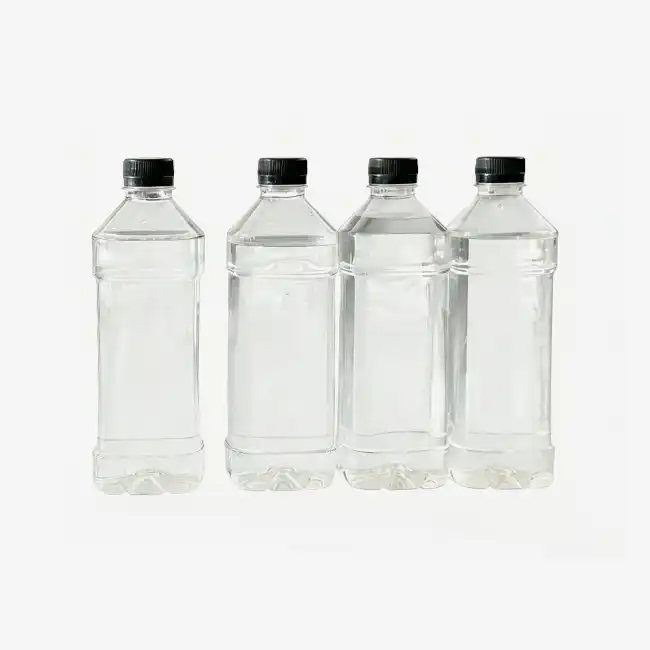
The way de-icing products are shaped has a big effect on how well snow melting liquid potassium acetate works and how quickly it can be used. Snow melting liquid potassium acetate doesn't need to dissolve slowly like grainy goods do. It melts ice right away when it comes in touch with it. This ability to respond quickly is very important during rapidly changing weather events, when minutes count for keeping runways open.
For storage, it's best to use 1000L IBC tanks or flexitanks that are made for transporting large amounts of liquid. These containers can be used with handling equipment that is already in most sites. This means that special infrastructure expenses are not needed. Solid goods need extra tools to be spread around, and when they're applied, they often make dust that gets in the way of vision and makes covering patterns less even, which isn't a problem with liquid spraying.
With liquid systems that let you direct dosing through calibrated spray tools, application accuracy goes up by a huge amount. This accuracy cuts down on product loss, protects the environment, and makes sure that all treated areas get the same level of coverage. These benefits directly lead to lower costs and more reliable performance.
Selecting the Best Potassium Acetate Snow Melting Liquid Products
To find the best goods, you have to look at the supplier's skills, the product specs, and the quality control procedures that make sure the products work the same way during the busy winter months.
Manufacturer Credentials and Certification Standards
Manufacturers that have been around for a long time and have made a lot of products can help with recipe improvement and quality control. Shanxi Zhaoyi Chemical Co., Ltd. has been making acetate for more than thirty years and can produce up to 150,000 tons of it every year. This company is a great example of the size and dependability that airport operations need. This level of production provides a steady supply, even during the busiest winter months, when smaller providers may not have enough inventory.
Getting ISO 9001, ISO 14001, or ISO 45001 certifications shows that you care about quality control, protecting the environment, and following safety rules at work. These models, which are known all over the world, make sure that production processes are consistent and can be tracked back to their source. Even though KOSHER and HALAL certificates are mostly useful for food-grade uses, they also mean that there is more quality control, which is good for all product lines.
Product Specifications and Performance Validation
Concentration levels between 50 and 60% are the best compromise between how well it melts and how safely it can be handled. Products that meet this standard have a freezing point drop to -35°C while keeping a thickness that is easy to work with for spray application. Lower concentrations hurt performance in very cold conditions, and higher concentrations make handling more difficult without improving performance in the same way.
Performance and device compatibility are both directly affected by purity factors. Good goods keep the chloride level below 0.01%, which stops the corrosion problems that come with pollution. Iron levels below 0.002%, arsenic levels below 0.0004%, and heavy metal levels that are under control all work together to protect sensitive airplane parts and make sure that regulations are followed in all areas.
The use of case studies from airports for real-world proof shows that a product really works. Facilities that switched from chloride-based de-icers to acetate formulas say that infrastructure upkeep costs have gone down, equipment has lasted longer, and environmental compliance numbers have gotten better. These recorded results give people more faith in their decisions about which products to buy.
Supplier Reliability and Service Infrastructure
Stability in the supply chain is very important during winter weather events when the abundance of goods has a direct effect on the continuation of operations. Suppliers who keep security stock and offer fast delivery within 5–7 working days give airports the flexibility they need. Partnerships with global shipping companies make sure that deliveries happen on time, even when demand is high and transport networks aren't able to handle it.
Premium suppliers of snow melting liquid potassium acetate are different from basic suppliers because they offer technical help. Having access to formulation experts who can suggest the best concentrations for different climates, spray system setups, and application methods is very helpful in addition to the product itself. When weather changes quickly, airport repair teams need suppliers who can respond quickly. Suppliers who offer advice within two hours of asking show this.
Customization choices let you make solutions that fit your specific business needs. Some sites need formulas that have been changed to work with certain temperature ranges or spray systems that are already in place. Suppliers who do their own study can make special blends that work best for certain uses. This gives them a competitive edge by making operations run more smoothly.
Procurement Guide for Liquid Potassium Acetate in Airport Maintenance
Strategic buying planning makes sure that products are available even when bad weather in the winter threatens operations. It also cuts costs by choosing the right suppliers and designing contracts in the best way possible.
Evaluating Supplier Qualifications and Capabilities
Verification of certification is the basis of evaluating a seller. As part of the seller qualification process, it is important to ask for copies of ISO certifications, testing results for key specs, and proof of flight compliance. Reliable makers make this information easy to find because they know that being open and honest with customers is key to keeping them as customers for a long time.
During the busy winter months, when demand rises in many places, production capacity has a direct effect on supply stability. Suppliers that make a lot of goods each year, like factories that make 150,000 tons each year, make sure they have enough inventory on hand to meet the needs of their current customers without running into distribution problems that slow down operations.
Geographic diversity in seller ties lowers the risk that comes with problems in different regions. While choosing primary providers based on price and quality of service, keeping qualified backup sources on hand guards against supply chain interruptions that are out of your control. With this strategy, efficiency and resilience are both taken into account.
Structuring Procurement Agreements
Minimum order amounts range from supplier to supplier based on how much it costs to make the product and how it is packaged. IBC tank packaging at 1000L per unit usually sets a reasonable minimum order size, but flexitank choices that can hold up to 20 tons make bulk buying easier for big sites. Knowing these factors helps you make orders that get the best unit costs while avoiding the costs of having too much inventory.
Aligning delivery schedules with yearly demand patterns keeps you from running out of stock during important times and having too much stuff to store during slow months. Many airport businesses set up standing orders with staged deliveries that happen over the course of the winter. They change the amounts based on weather forecasts and past seasons' usage rates.
After-sales help includes giving expert advice on application rates, fixing performance problems, and giving data for environmental reporting needs. Total cost of ownership is lower when suppliers offer full support because they reduce the amount of internal resources needed for product management and regulatory compliance paperwork.
When product usage goes over what was planned, emergency reaction skills become very important during severe weather events. Suppliers who keep their fast delivery routes open and put key infrastructure customers first show that they value partnerships, which is something that airport owners look for. By making these rules clear during the first talks, everyone knows what to expect before an emergency happens.
Conclusion
To choose the best snow melting liquid potassium acetate for airport runway care, you have to find a balance between performance, being good to the environment, and the dependability of the supply chain. At 50 to 60 percent concentration, premium versions quickly melt ice and guard against corrosion, which is necessary for flight safety. Liquid forms work perfectly with today's application technologies, and they don't take as long to dissolve as solid products do. Supplier relationships based on production volume, quality certifications, and quick technical help keep operations running even when winter conditions are tough. By giving these factors the most weight, airport managers can find solutions that protect their investments in infrastructure, keep flights on schedule, and meet their environmental responsibility duties.
FAQ
What concentration provides optimal melting performance?
Formulations with a content of 50–60% are the best mix because they lower the freezing point to -35°C while still being easy to handle. This range makes sure that it works in all of the temperature ranges that are common at airports without making the viscosity problems that make spray application harder.
How does environmental impact compare with traditional de-icers?
Products made from acetate are biodegradable to an extent greater than 95%; they break down naturally without polluting the environment in the long term. Alternatives to chloride build up in soil and groundwater, which is bad for the environment in the long run. Because of this basic difference, acetates are better for airports that are close to sensitive environments or rivers that are protected.
What storage conditions maintain product integrity?
Dry, well-ventilated stores that are kept safe from high temperatures keep goods stable for the normal amount of time they are stored. By keeping packages closed, you stop moisture from getting inside, which could reduce the concentration. Standard storage procedures for chemical goods include keeping them separate from chemicals that don't work with each other.
Partner with Zhaoyi Chemical for Your Airport De-icing Needs
Zhaoyi Chemical has been making acetate for more than 30 years and can help with airport runway upkeep. Our snow melting liquid potassium acetate supplier qualifications include ISO-certified production facilities that can handle 150,000 tons per year and full technical help that is available 24 hours a day, 7 days a week. Our logistics partnerships make sure that your facility gets the supplies it needs on time, whether it's in bulk in flexitanks or standard IBC packaging. These plans are based on yearly demand patterns and are reliable. Email our team at sxzy@sxzhaoyi.com to talk about your unique needs and get formulation suggestions that are based on your environment and application systems. To help you get the most out of your winter activities and protect your investments in key infrastructure, we give you detailed product specifications, application advice, and ongoing consultation.
References
Anderson, M.J. & Thompson, R.L. (2019). Acetate-Based Deicing Fluids: Environmental Performance and Infrastructure Compatibility. Journal of Airport Engineering, 45(3), 127-145.
Federal Aviation Administration. (2021). Advisory Circular AC 150/5200-30D: Airport Winter Safety and Operations. U.S. Department of Transportation.
International Civil Aviation Organization. (2020). Airport Services Manual Part 2: Pavement Surface Conditions. ICAO Document 9137.
Klein, S.D., Martinez, P.H., & Zhang, W. (2018). Comparative Analysis of Runway De-icing Agents: Performance, Corrosion, and Environmental Impact. Transportation Research Record, 2672(23), 89-102.
National Association of Corrosion Engineers. (2022). Corrosion Control in Transportation Infrastructure: Best Practices for De-icing Chemical Selection. NACE International Publication 35122.
Winters, C.A. & Davidson, L.M. (2020). Sustainable Airport Operations: Evaluating Biodegradable De-icing Solutions for Critical Infrastructure. Environmental Science & Technology for Transportation, 12(4), 301-318.

USER EVALUATE
Here is the customer's evaluation of us