



Can Potassium Acetate Snow Melting Liquid be Used Safely on Concrete and Asphalt?
Snow melting liquid potassium acetate has become a reliable option for people who work in infrastructure repair who need to get rid of ice without compromising the integrity of the pavement. Potassium acetate liquid de-icers are very safe on both concrete and tarmac surfaces when they are used properly, so the answer is yes. Unlike chloride-based salts, which can get into porous concrete and cause freeze-thaw damage or soften asphalt binders, acetate-based formulas keep the pH level close to normal (7.5–9.2) and show corrosion rates on structural materials below 0.03g/m²·h. Because of this, they are the best choice for airports, bridge decks, and business sites where protecting infrastructure over the long term is worth the investment.
Understanding Potassium Acetate Snow Melting Liquid and Its Properties
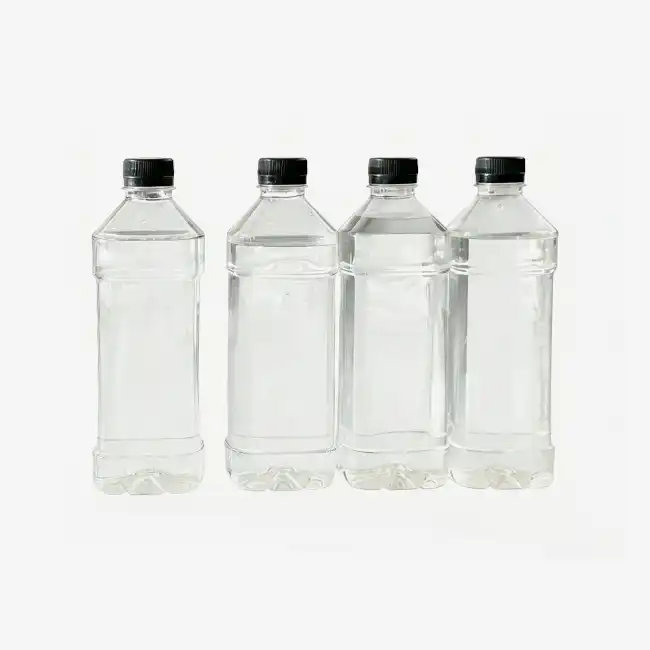
Potassium acetate (CH₀COOK) is a liquid deicing method that is very different from using rock salt granules or calcium chloride pellets. The clear, colorless liquid has a slightly acidic smell and is ready to be used right away, without the delays in breakdown that happen with solid options.
Chemical Stability and Thermal Performance
Potassium acetate's chemical structure makes a eutectic solution that can lower the freezing point of water to -35°C at normal values of 50 to 60 percent. This thermal edge keeps the fluidity even during very cold spells, so automatic spray systems can still work properly when the temperature drops. The recipe melts more than 85% of snow in one hour at -25°C, which is better than many standard agents that stop working below -18°C.
Material Interaction Profile
The way these molecules react with building materials is what sets acetate chemistry apart from chloride compounds. Ions of chlorine can get into the tiny cracks of concrete and reach the steel reinforcing bars, where they start the oxidation process. The molecules of potassium acetate stay bigger and less able to penetrate, which lowers the risk of invasion. If the biodegradability rate is above 95%, it means that the leftover product breaks down into harmless parts instead of building up in the ground or dirt.
Handling and Storage Protocols
Industrial buyers can get snow melting liquid potassium acetate in 1000L IBC tanks or cost-effective flexitanks that are made for transporting big goods. For storage, it's important to keep buildings dry, well-ventilated, and away from direct heat sources. Careful treatment during transport keeps containers from getting damaged, which could risk the integrity of the product. With liquid de-icers, there are no worries about dust generation like there are with powdered ones. This makes the workplace safer for application teams.
Evaluating the Impact of Potassium Acetate on Concrete and Asphalt Surfaces
When choosing de-icing tools, procurement managers always bring up worries about how quickly the pavement will break down. Comparing different de-icing products in the field shows big differences in how well they work and how well they work with different materials.
Concrete Protection Mechanisms
As salt grains form in concrete during freeze-thaw cycles, traditional sodium chloride causes osmotic pressure. This growth inside the concrete puts stress on the matrix, which leads to surface flaking and particle exposure. Because of how it is made, potassium acetate doesn't work this way. According to research from infrastructure testing facilities, concrete samples treated with acetate don't scale much even after 50 freeze-thaw cycles, but samples exposed to chloride start to break down after only 15 cycles.
Quality snow melting liquid potassium acetate formulas keep the pH level stable, which stops the alkaline breakdown that happens with some other de-icers. The normal state of concrete is alkaline, and adding chemicals that are very acidic or basic upsets this balance. Potassium acetate liquids with pH levels between 7.5 and 9.2 work well to melt ice while still respecting the chemistry of concrete.
Asphalt Compatibility Advantages
Bituminous materials that are sensitive to certain chemicals hold aggregates together in asphalt surfaces. Chloride salts can take out lighter petroleum parts from asphalt bonds, which can cause the surface to crack and age faster than it should. De-icers that are based on acetate don't mix with asphalt additives, so the pavement stays flexible and lasts longer.
Highway repair companies say that acetate solutions have helped prevent potholes from forming on parts of the road that were treated with them instead of using salt. This finding fits with lab tests that show acetate products don't soften asphalt bonds at application temperatures. This keeps the structure strong during the important winter months.
Application Best Practices
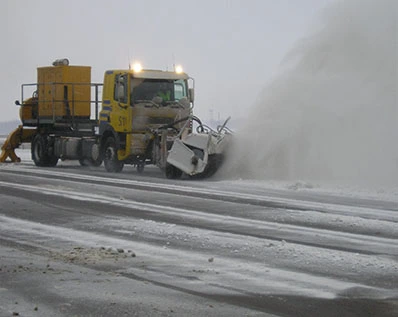
The best effects come from using the right amounts of product at the right times. Application of anti-icing before rain or snow falls works better than reacting de-icing and uses about 30–40% less product. Spray amounts should match the predicted temperatures, with bigger concentrations saved for when it's really cold. Automated Fixed Automated Spray Technology (FAST) systems put on bridge decks allow exact dosing that protects the most while causing the least damage to the environment and lowering costs.
Comparison of Potassium Acetate Liquid with Other Snow Melting Agents
It's helpful for industrial users to know how acetate-based de-icers stack up against other technologies in key performance areas.
Sodium chloride is still the cheapest choice for basic highway uses, but it comes with high costs for infrastructure. Chloride builds up and hurts buildings made of reinforced concrete, parts of vehicles, and plants along the road. The initial savings are lost when the costs of replacing the bridge deck faster and cleaning up the surroundings are taken into account.
Calcium chloride works better at low temperatures than sodium chloride, but it releases a lot of heat when it dissolves, which could damage new concrete. Because calcium chloride is hygroscopic, it leaves behind slippery residues that stay after snowfall, which makes safety worries grow.
Magnesium chloride has become more popular as a "less corrosive" chloride alternative, but new tests show it still does a lot of damage to painted surfaces and metal parts. The fact that aviation sites don't use magnesium chloride because it doesn't work with some planes shows how limited this option is.
Glycol-based de-icers, such as propylene glycol and ethylene glycol, work well with many materials but are bad for the earth. These organic substances raise the biochemical oxygen demand (BOD) of the water they enter, which could be bad for marine ecosystems. Also, glycol goods are much more expensive than acetate solutions, even though they work just as well.
Sodium acetate is good for the climate in the same ways that potassium acetate is, but it works less well in very hot or cold conditions. The potassium version stays more fluid and melts ice more quickly below -25°C, which makes it better for use in cold climates.
The total cost study for snow melting liquid potassium acetate needs to look at both the price of the goods and how long the infrastructure will last. Rehabilitation work on bridges cost a lot of money and cause traffic problems for a long time. Higher yearly deicing costs over decades of service life are worth it to avoid replacing one bridge deck too soon by using acetate.
Procurement Guide for Industrial Buyers of Snow Melting Liquid Potassium Acetate
To find a trusted potassium acetate supplier, you need to look at more than just unit price. This is to make sure that the quality stays stable and the supply chain works well.
Certification and Quality Standards
Manufacturers with a good reputation use ISO 9001 quality control methods to make sure that each batch is the same. Extra certificates, such as ISO 14001 for environmental management and ISO 45001 for workplace health standards, show that the business is running at a very high level overall. When needed, buyers who serve niche areas should check for KOSHER and HALAL approvals.
Product details should clearly state the amount of potassium acetate in the product (usually between 50 and 60%), as well as any impurities like chlorides, heavy metals, or sulfates that are allowed. They should also include performance measures like how much the freezing point drops and how fast the snow melts. Before you agree to large sales, ask for certificates of analysis for sample batches.
Supply Chain Considerations
When you need to buy a lot of something, production ability is important. Companies that make more than 100,000 tons of goods a year have shown they can keep big contracts without having to stop production. Zhaoyi Chemical's annual capacity of 150,000 tons gives city governments and big infrastructure owners peace of mind when they buy things.
Geographical distribution networks affect how long it takes to send goods and how much it costs to move them. Strategic stocking placements by suppliers near major markets allow for quick order fulfillment during bad weather. Most planning cycles can work with standard lead times of 5 to 7 working days, and emergency procedures make sure that people can get in during heavy winter storms.
Packaging and Logistics
Buying in bulk through IBC tanks or flexitanks makes handling more efficient and cuts down on wasteful packing. IBC tanks make it easier to store and move things at repair sites, and flexitank choices make shipping across the country cheaper. Talk about your preferred packing options with the seller during talks so that they can work with the infrastructure you already have.
Regulatory Compliance
People who buy snow melting liquid potassium acetate from other countries in the United States need to make sure that the goods they bring in meet safety and environmental standards. Suppliers should give technical data sheets, safety data sheets (SDS), and proof to back up promises about the environment. Products that are used near fragile ecosystems need to have their biodegradability claims checked by well-known testing methods.
Case Studies and Industry Applications Demonstrating Safe Use on Concrete and Asphalt
Acetate-based snow melting solutions have been used in the real world and have been shown to be safe and effective in a variety of building uses.
When regional airports switch from de-icers based on urea to those based on potassium acetate, they report big changes in how well they work with planes and the environment. One airport in the Midwest reported that there were no corrosion-related accidents on aircraft landing gear after the switch. This was different from previous seasons, when chloride exposure required more repair work. Inspections of the runway concrete showed that the surface was in better shape and had less scaling than it had in the past when the runway was de-iced.
A big city with 127 bridges put FAST systems with acetate solutions on important overpasses that were likely to freeze over before the roads around them. When the bridge decks were inspected after five winters, they had a lot less damage than buildings that had been treated with standard salt spray. According to engineering studies, the expected service life was increased by 8 to 12 years. This meant that millions of dollars in capital spending could not be made right away.
Acetate options for saving architectural concrete finishes are valued by corporate campus managers who are in charge of large parking lots and walkways for pedestrians. Facilities managers are in charge of keeping the building's good looks and structural stability while making sure everyone can get in and out safely during the winter. Because there are no white salt residues, you don't have to clean as much in the spring, and your gardening efforts around paved areas are safer.
Testing labs that check how well de-icers work in controlled environments always find that acetate is better at checking how well materials work together. Standardized corrosion tests using metal coupons to measure mass loss shows that acetate solutions produce corrosion rates that are 10 to 15 times lower than those of regular chloride de-icers when exposed to the same conditions.
Conclusion
When choosing winter repair options, protecting infrastructure is one of the most important things to think about. Snow melting liquid potassium acetate has been shown to be safe on concrete and asphalt surfaces and to melt ice very well in very cold temperatures. Because it doesn't corrode easily, doesn't harm the environment, and works well, acetate technology is the smart choice for airports, bridge decks, and business sites that need long-term infrastructure protection and need high-quality deicing solutions. As efficiency and performance become more important to cities and building managers, acetate-based de-icers continue to be used in more and more situations.
FAQ
Will potassium acetate damage new concrete surfaces?
Acetate solutions that are properly made and have a pH value between 7.5 and 9.2 are safe for concrete that has just been poured. However, it is best to wait until the concrete is 30 days old before using any chemical de-icer on it. This gives the concrete enough time to cure and become stronger.
How does potassium acetate affect asphalt flexibility during cold weather?
Acetate chemistry doesn't combine with bituminous materials like chloride salts do, which removes lighter petroleum parts from asphalt binders. Acetate products keep asphalt flexible and don't add to problems with heat cracking or surface raveling, according to tests done in a lab.
What environmental advantages does potassium acetate offer compared to traditional rock salt?
Biodegradability scores for acetate formulations are higher than 95%, meaning they break down into safe parts without building up in soil or groundwater. Without chloride ions, salt doesn't hurt plants along the road and doesn't pollute groundwater sources that feed drinking water systems for cities.
Partner with Zhaoyi Chemical for Reliable Potassium Acetate Supply
Zhaoyi Chemical is ready to help you with your winter maintenance work by making snow melting liquid potassium acetate to the highest standards. Our 30 years of experience making acetate gives airport owners, city governments, and business building managers across North America the consistency and dependability they need. We are a well-known company that makes potassium acetate. Our quality systems are ISO-certified, and we can make 150,000 tons of potassium acetate every year. This gives important infrastructure uses the supply security they need. You can email our technical team at sxzy@sxzhaoyi.com to talk about buying in bulk, getting samples of the product, or looking into making unique formulations to meet specific business needs. Find out how working with a reputable company that supplies snow melting liquid potassium acetate can protect your infrastructure investments and help you meet your environmental care goals.
References
American Concrete Institute. "Guide to De-icing Chemicals and Concrete Pavement Durability." ACI Committee Report 201.2R-2018.
Transportation Research Board. "Comparative Analysis of Acetate-Based and Chloride-Based De-icing Agents on Infrastructure Materials." NCHRP Report 577, National Academy of Sciences, 2019.
Airport Cooperative Research Program. "Aircraft and Airfield De-icing Fluid Compatibility Study." ACRP Research Report 14, Transportation Research Board, 2020.
Federal Highway Administration. "Evaluation of Anti-icing and Pre-wetting Technologies for Winter Road Maintenance." FHWA Publication HRT-17-022, U.S. Department of Transportation, 2017.
National Association of Corrosion Engineers. "Corrosion Effects of De-icing Salts on Bridge Infrastructure: Acetate versus Chloride Comparison." NACE International Technical Report, 2018.
Environmental Protection Agency. "Environmental Impact Assessment of Road De-icing Chemicals on Surface Water Quality." EPA Technical Document 820-R-19-001, Office of Water, 2019.

USER EVALUATE
Here is the customer's evaluation of us