



Safe Application Techniques for Potassium Acetate Deicing Liquid on Airport Runways
Choosing the right deicing approach is very important when winter weather could shut down airports. Deicing liquid potassium acetate has become the usual way to keep airports clear of ice without affecting the safety of infrastructure or environmental standards. This biodegradable, non-chloride recipe works well at temperatures as low as -60°C, forming a barrier that keeps ice from sticking together and protects expensive ground, aircraft parts, and ecosystems nearby. Understanding the right way to apply materials directly leads to fewer operating interruptions, lower long-term maintenance costs, and compliance with stricter environmental rules for procurement managers and airport engineers looking at winter maintenance programs.
Understanding Potassium Acetate Deicing Liquid for Airport Runways
Chemical Composition and Ice-Melting Mechanism
The science behind acetate-based deicers shows why they work better in important aviation settings than other types. The chemical potassium acetate (CH₃COOK, CAS 127-08-2) lowers the freezing point of water by stopping the formation of ice crystals at the molecular level. This colorless liquid cuts through snow layers and undercuts existing ice bonds, making it easier for ground teams to clear runways than mechanical methods that only scrape the top ice.
Airport-grade formulas keep concentrations between 50 and 60%, reaching eutectic points around -60°C while staying flexible in very cold temperatures. The solution can fall below layers of ice because it has a molecular weight of 98.14 and a specific gravity between 1.25 and 1.30. This speeds up the melting process from the top to the upper layers. This density advantage is especially helpful when the weather changes quickly, leaving standard solid deicers with little time to dissolve and work.
Advantages Over Traditional Chloride-Based Deicers
People are moving away from chloride salts in aircraft settings because they have been shown to damage infrastructure and the environment. Calcium chloride and magnesium chloride eat away at airplane metal alloys, weaken concrete rebar, and speed up the wear and tear on roads. These problems cost airport officials millions of dollars every year to fix.
These worries are put to rest by potassium acetate, which has a pH range of 7.5 to 9.2 and a rusting rate on carbon steel of less than 0.03g/m²·h. Manufacturers like Shanxi Zhaoyi Chemical keep technical records that show chloride content stays below 0.01% and heavy metal pollution (lead) stays below 0.01% at most. These purity standards keep sensitive parts of airplanes safe during takeoff and landing, which increases the useful life of the equipment throughout the whole process.
Environmental compatibility is another important benefit. The acetate recipe breaks down quickly without releasing nitrogen chemicals that are hard for water treatment systems to handle. Biological Oxygen Demand is still much lower than options based on urea, which lowers the risk of aquatic toxicity in drainage areas next to airports. As flood protection rules get tighter, regulatory bodies are making these features more and more necessary for airports.
Safety Data and Handling Precautions
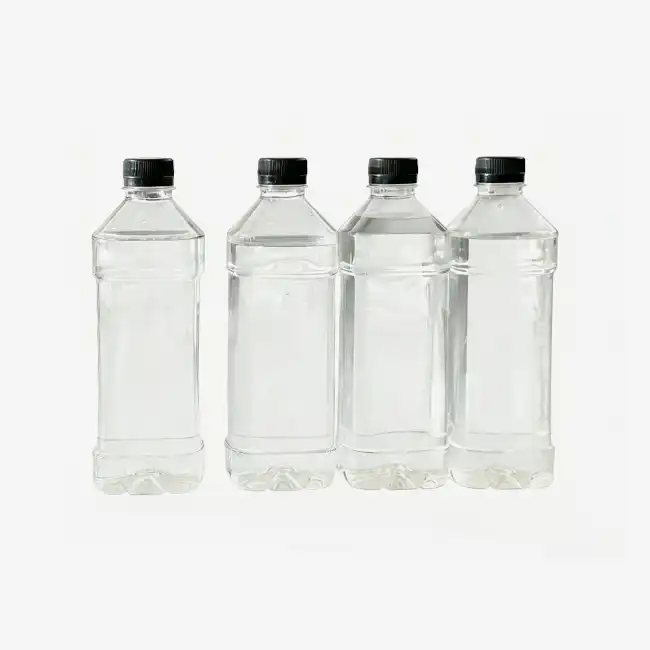
Following the right handling instructions will keep people safe and the product working well during storage and use. The liquid comes as a clear, slightly acidic solution that needs to be stored in dry, well-ventilated buildings away from heat sources and places where water can get in. Stainless steel drums and high-density polyethylene jars are examples of containers that can be used together. Reactive materials must be kept separate according to rules for hazardous materials.
Transport rules for deicing liquid potassium acetate require careful treatment to keep containers from getting damaged and goods from getting contaminated. Standard packing in 1000L IBC tanks or flexitanks makes bulk delivery easier while keeping the quality of the goods high. During shift operations, workers should wear the right safety gear, but the low toxicity profile—with arsenic content below 0.0004% and sulfate content below 0.05%—reduces exposure risks compared to chloride options.
Safe Application Techniques on Airport Runways
Surface Preparation and Site Assessment
Deicing works best before the first ice falls. Before the season starts, airport repair teams check the ground for problems, drainage issues, and to make sure all the equipment is ready. Surface dirt, rubber layers, and existing contaminants make it hard for the liquid to spread evenly. This makes areas where ice bonding stays even after treatment.
Weather tracking systems let people know ahead of time when it's going to freeze, which lets anti-icing systems work before the ice forms instead of after it's already there. This planned time lowers the amount of chemicals that are needed and keeps working readiness levels high. Pavement temperature sensors built into airports send out automatic alerts when conditions get close to dangerous levels, which lets operators know exactly when to step in.
Spraying Techniques and Dosage Calculation
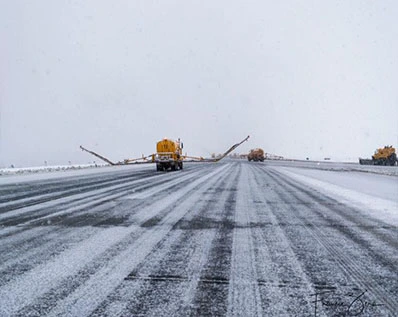
Methods of application have a direct effect on both how well they work and how efficiently they use resources. Specialized tanker trucks with spray booms spread the liquid evenly across the runways, making thin film shields that keep ice from sticking. Spray patterns cross a little to keep ice from forming in gaps, but not so much that they pool and waste product and make the surface slippery.
The dosage estimates take into account many factors, such as the temperature of the air, the rate of precipitation, the temperature of the ground, and the expected length of the storm. The amount used is usually between 20 and 50 gallons per 1000 square feet, but this can change depending on how bad the weather is expected to be. Higher amounts are needed when it's cold and snow is expected to fall, while light frost conditions only need minimal treatment.
Monitoring and Reapplication Triggers
When extra applications are needed is decided by continuous review. Specialized vehicles measure the friction coefficient to find out when airport surfaces lose enough grip, which starts the processes for reapplying the material right away. Visual checks by trained staff find places where the protection barrier is breached and needs to be treated specifically.
The length of the storm affects how often reapplication is done. Long periods of rain or snow wash away surface concentrations through flow and physical movement, so they need to be renewed every two to four hours while snow is falling. After a storm, full ice removal must be confirmed before flights can continue. Shaded areas and drainage routes are especially important for this because that's where leftover ice builds up.
Runoff management systems send used deicer into holding basins. These basins are then inspected by environmental monitors to make sure they are following the rules for release permits. Acetate formulations break down quickly, which makes treatment easier than with chloride salts that stay in the environment for a long time. However, sensible collection techniques are still needed to protect watersheds. Treatment plants can handle acetate waste better, which lowers the risk to the environment and restores water supplies.
Comparing Potassium Acetate with Other Deicing Liquids for Airports
Performance Analysis Across Temperature Ranges
Head-to-head tests show that different deicing options have different performance patterns. Calcium chloride can aggressively melt ice up to about -25°C, but it loses its usefulness at lower temperatures and speeds up the rusting of metals. Magnesium chloride works the same way, but it is a little less corrosive. Both types of chloride hurt concrete by breaking down the surface layers over and over again when they freeze and thaw. Deicing liquid potassium acetate, on the other hand, provides effective melting without these damaging effects.
Glycol-based goods work well in low temperatures and are compatible with airplanes, but they cost a lot more per gallon and make runoff with high BOD loads. Urea hurts the environment by releasing nitrogen into the water, which leads to algae blooms and less oxygen in the water that it enters. More and more, regulations are making it harder to use urea near environments that are sensitive.
These problems can be solved by potassium acetate, which keeps deicing effectiveness above 80% for one hour at -20°C while also protecting infrastructure and natural systems. The lower freezing point to -60°C gives safety gaps that rival chemicals don't have, making sure that the product works reliably during extreme weather events that would have stopped operations using less capable alternatives.
Cost-Benefit Analysis for Long-Term Operations
The initial costs of buying something are only one part of the total costs of owning. Chloride-based deicers may seem cheap when you buy them, but they have hidden costs that show up in the form of longer sidewalk repair cycles, aircraft maintenance issues, and costs to clean up the environment. Case studies from major hub airports show that changing from chlorides to acetate formulas can extend the service life of pavement by more than 40%.
Less corrosion means that airplane parts don't need to be replaced as often, especially landing gear sections and undercarriage structures that are visible every time the plane takes off or lands. When airports switch to non-chloride programs, corrosion-related fixes go down measured amounts, which improves fleet availability and cuts down on unplanned downtime.
The cost of environmental compliance also works in favor of acetate chemistry. Acetate runoff doesn't need much help from treatment systems, but chloride-filled runoff needs expensive ion exchange or reverse osmosis treatment to meet permit limits. The biodegradability benefit lowers long-term legal risks from groundwater contamination events that happen a lot at sites that use persistent chemicals.
Procurement Considerations for Potassium Acetate Deicing Liquid
Product Specifications and Certification Requirements
Before signing a bulk deal, procurement workers must make sure that suppliers meet strict quality standards. Concentration levels between 50 and 60% make sure there are enough performance gaps, and impurity limits keep tools and the surroundings safe. To avoid problems with rust or pollution, the iron content should stay below 0.002%, the chloride content below 0.01%, and the heavy metals (calculated as lead) below 0.01%.
International certificates prove that the products are made well and consistently. ISO 9001 quality management systems show that you can control the production process, and ISO 14001 environmental management approval shows that you can make products in a way that doesn't harm the environment. KOSHER or HALAL licenses may be needed for certain tasks, especially when buildings serve a lot of different groups of people with different needs.
Verification by a third party during testing for deicing liquid potassium acetate gives an independent proof of standard compliance. Reputable makers have thorough quality assurance programs that allow customers to check production records and make sure that agreed-upon guidelines are being met. A production scale big enough to support large airport operations without supply gaps means the annual capacity is more than 150,000 tons.
Packaging Options and Bulk Supply Chain Management
Logistics for distribution have a big effect on overall landing costs and the ease of doing business. Standard 1000L IBC tanks work well for most airport operations because they are easy to handle and can be used with current moving equipment. Flexitank shipping choices make the best use of containers for foreign trade, which lowers the cost of freight on large orders.
When facilities use just-in-time delivery plans, they have to pay close attention to customs paperwork, shipping planning, and inventory management. When a supplier offers more than one trade term, like FOB, CIF, and DAP, it gives organizations more options to fit their needs and budgets. Strategic relationships with global shipping networks make sure that prices are fair and that room is always available during busy shipping times.
Lead times for normal orders are usually between 5 and 7 working days, but faster times can be arranged in an emergency. Keeping strategic stockpiles combines supply security with the need for working capital, especially for sites in remote areas where transportation problems could make winter ready less certain. Technical support teams from suppliers help with predicting how much will be used and coming up with strategies for optimizing supplies that are specific to each operation.
Evaluating Supplier Reliability and Technical Support
When it comes to managing important safety goods, having long-term relationships with suppliers is more useful than buying things one at a time. A manufacturer's decades of experience show that they have institutional knowledge and process improvement that younger companies that are just entering the market don't have. Shanxi Zhaoyi Chemical has been in business for 35 years, since 1988. This is an example of the steadiness that procurement teams look for in key partners.
Support services after the sale are what set top providers apart from commodity vendors. The best way to get the most out of your chemical investment is to get full application advice, help with dose optimization, and help with performance issues. Technical help that is available 24 hours a day, seven days a week makes sure that you can get expert advice during weather emergencies, when choices about operations have immediate safety effects.
Sample testing programs let facilities make sure that a product will work in their specific environment before they buy a lot of it. Progressive sellers offer trial amounts and on-site application help, which shows that they are confident in the product's abilities and boosts customer trust. This consultative method encourages partnerships instead of just working with vendors, so everyone is invested in the success of the business.
Conclusion
In order for winter activities to be safe for aviation, deicing liquid potassium acetate solutions must protect infrastructure, protect the environment, and work reliably in harsh circumstances. To safely use acetate-based anti-icing products, you need to be careful when handling them, make sure you know the right amount to use, and time your application so that it stops ice from forming instead of just melting it. When making purchasing choices, it's better to look at the total cost of ownership instead of just the original chemical costs. This is because protecting infrastructure and following environmental rules creates a lot of long-term value. When bad weather threatens to damage important aviation infrastructure, working with experienced makers who offer technical support, quality certifications, and reliable supply lines keeps operations running smoothly.
FAQ
Will potassium acetate damage runway concrete or asphalt surfaces?
Potassium acetate that is properly mixed has little effect on surface materials. Corrosion rates in concrete stay below 0.01 mm per year, which is a lot lower than salt options that cause surface scaling and rebar to break down. The nearly normal pH stops the acid attack that breaks down cement bonds, which makes the pavement last a lot longer than with regular deicers.
What shelf life can airports expect from stored product?
The liquid stays stable forever as long as it is stored in the right way, in dry, well-ventilated buildings with containers that are compatible. Most quality loss is caused by wetness or being exposed to materials that react with the product. Product readiness is checked by regular concentration tests before each season. However, properly stored inventory rarely shows measurable decline over multiple years.
How frequently should reapplication occur during active winter storms?
When to reapply depends on how much rain there is and what the temperature is. Light snow that falls when it's close to freezing may need to be renewed every 4 to 6 hours, while heavy snow that falls when it's very cold needs to be renewed every 2 to 3 hours. Monitoring friction gives objective reapplication triggers that make sure safety margins are met without useless over-application when conditions change.
Partner with Zhaoyi Chemical for Reliable Airport Deicing Solutions
Airport managers and city governments looking for reliable providers of deicing liquid potassium acetate will find a lot of help from Zhaoyi Chemical's track record. Our yearly production capacity of 150,000 tons guarantees a steady supply, even during the busiest winter months. This is backed by ISO 9001, ISO 14001, and ISO 45001 certifications that guarantee quality stability. Technical teams help you optimize your applications based on your specific climate conditions and infrastructure needs. This helps you get the most out of your systems while keeping costs low. You can email our experts at sxzy@sxzhaoyi.com to get detailed datasheets, set up product samples, or talk about bulk purchasing terms that work with your budget and shipping needs. With more than 30 years of experience making chemicals, we can give your important flight operations the dependability they need.
References
Federal Aviation Administration (2021). "Advisory Circular 150/5200-30D: Airport Winter Safety and Operations." U.S. Department of Transportation, Washington, DC.
Airport Cooperative Research Program (2019). "ACRP Report 206: Evaluating Airfield Pavement Friction and Performance Characteristics." Transportation Research Board, National Academies Press.
Shi, X., Akin, M., Pan, T., Fay, L., Liu, Y., and Yang, Z. (2018). "Deicer Impacts on Pavement Materials: Introduction and Recent Developments." The Open Civil Engineering Journal, Volume 3, pp. 16-27.
Alleman, J.E. and Partridge, B.K. (2017). "Comparing Environmental Impacts of Deicing Compounds: Sodium Chloride, Calcium Chloride, Magnesium Chloride and Potassium Acetate." Journal of Environmental Engineering Science, Volume 6, Issue 4.
Transportation Research Board (2020). "NCHRP Synthesis 526: Winter Maintenance Technology and Practices—Learning from Abroad." National Cooperative Highway Research Program, Washington, DC.
American Association of Airport Executives (2018). "Best Practices for Airport Snow and Ice Control." AAAE Industry Standards and Guidelines, Alexandria, Virginia.

USER EVALUATE
Here is the customer's evaluation of us