



Best Potassium Acetate Deicing Liquids for Commercial Use
Purchasing managers and building engineers have to make sure they choose the right anti-icing option when winter storms threaten to stop operations. When it comes to deicing agents, potassium acetate has become the standard for airports, highway officials, and bridge repair crews that need the best performance without harming the environment. Even when temperatures drop to -60°C, this clear deicing liquid potassium acetate still works well and keeps infrastructure safe from corrosion. Acetate-based formulations melt ice quickly without losing asset life or environmental responsibility, unlike traditional chloride salts that speed up the breakdown of concrete and metal corrosion.
Understanding Potassium Acetate Deicing Liquid
Managing ice effectively depends on lowering the freezing point, and potassium acetate does a great job of this because of the way its molecules are structured. This chemical stops ice crystals from forming by interfering with the hydrogen bonds between water molecules. It is made up of potassium ions and acetate anions (molecular formula CH₃COOK, CAS 127-08-2). Professional-grade deicing liquid potassium acetate usually has a 50–60% concentration and reach eutectic points around -60°C, which is much lower than the performance limits of regular rock salt, which are only -21°C.
Chemical Properties and Mechanism
Colligative qualities, not chemical processes, are what make the deicer work. When potassium acetate molecules are put on concrete, they move between water molecules and stop them from forming solid ice structures in a straight line. With a specific gravity of 1.25 to 1.30, the liquid can easily get through snow layers and break up the ice that forms at the sidewalk. The buffered pH range of 7.5 to 9.2 keeps acidic reactions from happening that could damage the alkalinity of concrete or speed up the rusting of rebar.
Environmental and Safety Advantages
Acetate versions are different from chloride salts that don't break down because they are biodegradable. Studies show that over 90% of the chloride breaks down within weeks, which is very different from how chloride builds up in underground systems. The solution isn't too harmful to marine life, and it doesn't have the high Biological Oxygen Demand that urea-based options do. Plants next to treated surfaces experience less osmotic stress than plants that are exposed to salt, which helps keep the landscape intact during winter activities.
Storage methods are still simple and necessary. Facilities should keep their stock in dry, well-ventilated facilities made of suitable materials like high-density polyethylene or stainless steel cases. The liquid form doesn't have the caking problems that come with solid deicers, but keeping an eye on the temperature keeps it from freezing over during very cold spells. Standard personal protection equipment, like safety glasses and chemical-resistant gloves, should be used for proper handling, and skin contact should be washed off right away with water.
Comparing Potassium Acetate With Other Common Deicing Solutions
Infrastructure managers have a lot of choices when it comes to deicers, and each one has different pros and cons in terms of performance, cost, and effect on the environment. By knowing about these differences, you can make smart choices about what to buy that are in line with operational goals and legal requirements.
Performance Characteristics Across Deicer Types
Calcium chloride causes exothermic reactions that speed up the melting process but pose serious rusting risks to reinforced concrete and vehicle undercarriages. Magnesium chloride works well at low temperatures, but it damages metal parts used in cars and airplanes. Sodium acetate is good for the climate in the same ways that deicingas liquid potassium acetate is, but it thickens more at low temperatures, making it less useful for some uses. Urea-based goods don't cause corrosion problems, but they do add too much nitrogen to waterways, which causes algae blooms and oxygen loss.
These factors are balanced by deicing liquid potassium acetate's non-corrosive chemistry, fast action at high temperatures, and safety for the environment. Testing in the lab shows that corrosion rates on carbon steel are less than 0.03 g/m²·h, which is very small compared to chloride attack rates that are more than ten times this level. When acetate solutions are used on concrete surfaces, the yearly rate of wear and tear is less than 0.01 mm. This means that the structure stays strong even after decades of winter treatments.
Real-World Application Outcomes
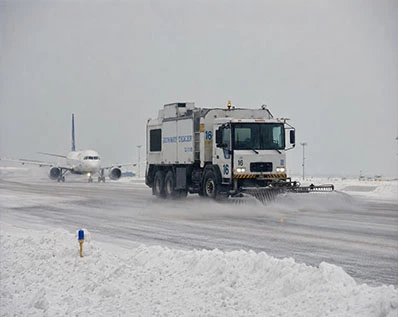
After switching to anti-icing systems based on acetate, airport managers have seen amazing results. During storms, runway friction factors stay within safe operating ranges. This keeps flights on time and makes passengers safer. Bridge deck uses using Fixed Automated Spray Technology systems show 80% deicing efficiency in just one hour at -20°C, meeting reaction times for emergencies without any human help. These systems work perfectly with weather monitoring sites and start exact dosing before the ice forms, so problems are dealt with before they get worse.
When highway repair contractors move from chloride salts to other chemicals, their tools last longer. Spray tanks, pumps, and distribution booms stay ready to use without the cracking and seal failures that happen when they are exposed to chemical agents. Maintenance rounds for vehicle rentals are shorter, and brake systems and chassis parts don't break down much, even after winter service operations.
Selecting the Right Potassium Acetate Deicing Liquid for Your Commercial Needs
Procurement decisions extend beyond unit pricing to encompass total cost of ownership, supply chain reliability, and regulatory compliance. Strategic sourcing requires evaluating multiple dimensions that impact long-term operational success.
Critical Evaluation Criteria
• Product quality has a direct effect on how well it works and how safe the system is. Specifications should check that the chloride content is less than 0.01% to avoid rusting by accident.
• Heavy metal amounts (lead and arsenic) must also be less than 0.01% and 0.0004%, respectively, to meet strict environmental standards. Iron content limits of 0.002% keep concrete surfaces from getting stained.
• Concentrations of 50 to 60 percent deicing liquid potassium acetate are best for formulas because they balance efficiency with ease of use. Checking compatibility with current truck systems, spray nozzles, and automatic dosing equipment prevents expensive upgrades.
Supply Chain and Logistics Considerations
• Buying in bulk through 1000L IBC tanks or flexitank container shipping saves money on freight costs and makes sure there is enough stock for long storm cycles.
• Reliable makers of deicing liquid potassium acetate keep their production capacity higher than regular demand spikes. For example, Zhaoyi Chemical's yearly capacity of 150,000 tons provides a buffer stock in case there are supply gaps.
• Lead times for special orders are usually between 5 and 7 working days, but 24-hour expedited delivery is possible for requirements that are already in stock.
• Certifications prove that a maker is trustworthy. Through written testing procedures, ISO 9001 quality control systems make sure that each batch is the same. ISO 14001 certifications prove sustainability, and ISO 45001 standards protect worker safety.
• Regulatory compliance includes Material Safety Data Sheets and trade terms like FOB, CIF, and DAP that clarify duty transfer and insurance coverage.
Best Practices for Using and Storing Potassium Acetate Deicing Liquid
Maximizing return on investment requires optimizing application techniques while maintaining product integrity throughout storage periods. Operational excellence emerges from standardized procedures and continuous performance monitoring.
Application Techniques and Dosage Optimization
When it comes to cost-effectiveness, anti-icing tactics beat defensive deicing methods. Putting down deicing liquid potassium acetate solutions one to two hours before it's supposed to rain makes a sacrifice layer that keeps ice from sticking to the ground. Dosage rates should be between 25 and 50 gallons per lane mile, based on the temperature of the surface and storm intensity. Spray booms should keep their even distribution patterns at 10 to 20 mph car speeds to make sure the whole area is covered without any pooling or waste running off.
For deicing to work on ice that is already there, the concentrations need to be greater and the stay time needs to be longer. Removing loose snow by hand before applying chemicals cuts down on the amount of material needed and speeds up the melting process. Monitoring the environment with sensors on the road and in the air through atmospheric stations lets dosing be changed based on data, preventing under-application or resources waste.
Storage and Handling Protocols
Keeping the purity of chemicals starts with designing the right facilities. Temperature control, good air flow, and additional containment devices that catch any spills should all be present in storage areas. Using the first-in, first-out rule to rotate goods keeps things from being stored for too long, which could cause sediment to form. However, acetate solutions can stay fresh forever under the right conditions.
Throughout the handling chain, transfer activities for deicing liquid potassium acetate need materials that are suitable. Stainless steel, fiberglass, and high-density polyethylene systems don't react with chemicals, but carbon steel and aluminum parts could break down over time. Chemical resistance grades for acetate solutions should be written on pump seals, gaskets, and hose systems. Regular inspections of equipment find wear patterns before they break, which stops environmental leaks and business interruptions.
Future Trends and Innovations in Potassium Acetate Deicing Solutions
Technology advancement continues reshaping winter maintenance operations through precision application, reduced environmental impact, and enhanced cost efficiency. Forward-thinking procurement strategies anticipate these developments to maintain competitive advantages.
Smart Application Technologies
Integrating the Internet of Things changes deicing from a reactive process into one that is automatic and predictive. Algorithms can figure out the best pre-treatment timing and dosing rates by using networks of weather stations that send real-time data about the atmosphere. Automated spray systems on bridge decks turn on when the sidewalk temperature reaches certain levels and when rain is detected. Spreader trucks with GPS record where applications are made and how much are used to keep records for legal purposes.
Mobile applications provide operations supervisors with dashboard visibility across entire road networks. Live mapping displays treatment status, equipment locations, and remaining material inventory. Predictive analytics predict how much material will be used based on upcoming weather systems. This leads to just-in-time reordering, which lowers the cost of storing and keeps supplies from running out during major storms.
Regulatory Evolution and Market Response
Environmental rules keep making it harder for chloride to enter sensitive rivers and groundwater refilling zones. Municipal waste permits increasingly limit the use of salt near bodies of water, which increases the need for biodegradable options. European REACH rules and North American water quality standards favor deicing liquid potassium acetate versions that break down quickly and don't build up in living things.
Leading chemical companies answer by making better mixtures with rust inhibitors and performance boosters. Researchers are trying to find ways to make anti-icing last longer by adding polymeric additives that make the ground stickier and reduce the number of times it needs to be applied again. Concentrated formulations keep the freedom of field dilution while lowering the costs of shipping and storing, positioning acetate as the long-term choice for sustainable maintenance.
Conclusion
Selecting deicing liquid potassium acetate represents a strategic investment in operational continuity, infrastructure preservation, and environmental responsibility. The compound's superior freezing point depression, non-corrosive chemistry, and rapid biodegradability address critical pain points facing airports and highway departments. Procurement managers should prioritize manufacturers demonstrating production capacity, quality certifications, and supply chain reliability. As technology advances and environmental regulations evolve, acetate formulations remain at the forefront of sustainable winter maintenance solutions.
FAQ
How does potassium acetate impact surrounding vegetation and water sources?
Deicing liquid potassium acetate breaks down quickly through natural microbial processes, typically achieving over 90% degradation within several weeks of application. Unlike chloride salts that accumulate in soils and groundwater, acetate breaks down into carbon dioxide and water without persistent contamination. The potassium component actually provides nutritional value as a plant macronutrient. Runoff entering waterways presents minimal aquatic toxicity and avoids the elevated Biological Oxygen Demand characteristic of urea-based deicers.
Is potassium acetate cost-effective compared to traditional rock salt?
The initial cost of materials for acetate is higher than rock salt, but total cost analysis reveals compelling economic advantages. Reduced infrastructure corrosion extends pavement lifespans, delays bridge rehabilitation projects, and minimizes vehicle fleet maintenance. Lower application rates due to superior performance at extreme temperatures decrease material consumption per treated lane mile. Automated systems reduce labor costs while improving safety outcomes and avoiding environmental regulatory penalties.
What regulations govern shipping and storage of potassium acetate deicers?
These solutions are not classified as hazardous materials under DOT shipping regulations, simplifying transportation documentation and reducing freight surcharges. Standard Material Safety Data Sheets accompany shipments providing emergency response information. Storage facilities should implement secondary containment per EPA Spill Prevention, Control, and Countermeasure regulations when quantities exceed threshold levels. Manufacturers like Zhaoyi Chemical provide comprehensive regulatory guidance supporting smooth procurement and operational integration.
Partner with a Trusted Potassium Acetate Supplier
Zhaoyi Chemical brings over thirty years of acetate manufacturing expertise to your winter maintenance challenges. Our deicing liquid potassium acetate meets rigorous quality standards through ISO-certified production processes and comprehensive batch testing. We maintain substantial inventory ensuring rapid fulfillment even during peak demand periods, with flexible packaging in 1000L IBC tanks or flexitank configurations. Our technical team provides application guidance, equipment compatibility assessments, and performance optimization recommendations backed by real-world testing. Contact us at sxzy@sxzhaoyi.com to request product samples and competitive bulk pricing tailored to your requirements.
References
Transportation Research Board. "Guidelines for the Selection of Snow and Ice Control Materials to Mitigate Environmental Impacts." National Cooperative Highway Research Program Report 577, 2007.
Shi, Xianming, et al. "Sustainable Winter Road Operations: Project Development and Implementation." Journal of Cold Regions Engineering, Vol. 27, No. 4, 2013.
American Society for Testing and Materials. "Standard Specification for Non-Chloride Aircraft and Airfield Pavement Deicing/Anti-Icing Fluid." ASTM E1799-20, 2020.
Federal Highway Administration. "Manual of Practice for an Effective Anti-icing Program: A Guide for Highway Winter Maintenance Personnel." Publication No. FHWA-RD-95-202, 1996.
Environment Canada. "Five-Year Review of Progress: Code of Practice for the Environmental Management of Road Salts." Chemical Management Division, 2012.
Airport Cooperative Research Program. "Aircraft and Airfield De/Anti-Icing Fluid Management Strategies." ACRP Report 14, Transportation Research Board, 2008.

USER EVALUATE
Here is the customer's evaluation of us