



What Brands Offer Potassium Acetate Snow Melting Liquids Formulated for Airport Runway Use?
When airport operations teams have to make important choices about winter safety, choosing the right de-icing option is very important. With formulations that meet strict flight safety standards, several reputable brands offer snow melting liquid potassium acetate designed especially for runway uses. Zhaoyi Chemical stands out among these suppliers because they have been making chemicals for over thirty years and have a 50–60% concentration recipe that lowers the freezing point to -35°C while keeping rust rates below industry standards. Their answer solves the main operating problems airports have, like keeping sensitive airplane parts safe, making sure ice melts quickly, and making sure environmental rules are followed no matter the weather.
Understanding Potassium Acetate Snow Melting Liquids for Airport Use
Chemical de-icers that work effectively without damaging infrastructure or planes are very important for keeping airport runways safe in the winter. Snow melting liquid potassium acetate has become the best choice for flight uses because of their unique molecular properties and practical benefits.
Chemical Composition and Melting Mechanism
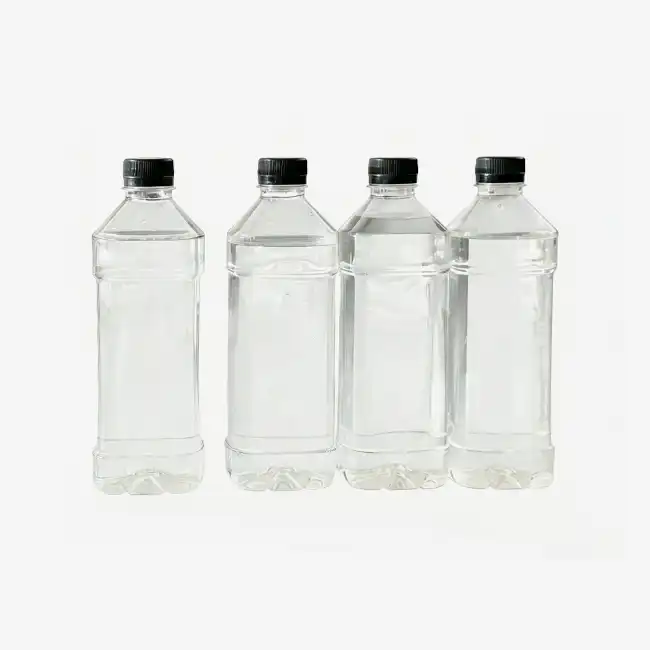
Snow melting liquid potassium acetate (CH₃COOK, CAS NO. 127-08-2) works by lowering the freezing point of water through its colliding qualities. With a molecular weight of 98.14 and no color, the clear, colorless liquid stops the formation of ice crystals at the molecular level. When the solution is put on runways, it breaks the link between frozen precipitation and concrete by going through layers of ice. This mechanism works well at temperatures as low as -35°C, which is a lot lower than other mechanisms that use chloride.
The acetate anion reacts with water molecules to stop the formation of a stable solid structure. This keeps surfaces from freezing over, which could be dangerous. Liquid de-icers work right away, unlike solid de-icers that need time-consuming breakdown steps. This means that operations can resume more quickly during severe weather events.
Industrial Safety Protocols and Environmental Considerations
Aviation-grade snow melting liquid potassium acetate solutions keep the pH level between 7.5 and 9.2. This creates an alkaline balancing environment that protects metal surfaces from rusting. Toxicology profiles show that they have little effect on the environment, and biodegradability is more than 95% in normal testing procedures. This quality is very important for airports that are close to sensitive rivers or protected areas.
In order to meet storage standards, places must be dry, well-ventilated, and away from sources of heat and wetness. The chemical should be kept away from things that aren't compatible with it, and the right safety gear should be worn when handling it during shift operations. Putting things in 1000L IBC tanks or flexibags makes shipping safer and reduces the risks of handling. These packages can handle changes in temperature while they're being shipped and keep things safe all along the supply chain.
The low corrosion rate of snow melting liquid potassium acetate, which was found at 0.03g/m²·h on carbon steel surfaces, helps airport maintenance teams. This performance keeps costly runway lighting systems, sensors built in, and draining systems from breaking down faster. Since the mixture only has a very small amount of chloride (0.01%), it doesn't damage metal like road salt does.
Key Brands Offering Potassium Acetate Snow Melting Liquids for Airports
There are well-known companies in the global market for aircraft de-icing products that have a history of quality control and following the rules. Knowing what a provider can do helps procurement pros make choices that are in line with safety rules and business needs.
International Certification Standards and Quality Assurance
Quality management systems like ISO 9001, ISO 14001, and ISO 45001 are used by top providers of snow melting liquid potassium acetate. ISO 9001 is for systematic quality management, ISO 14001 is for environmental responsibility, and ISO 45001 is for workplace health protocols. These certificates show that the ways things are made meet safety, stability, and traceability standards that are known around the world. Having KOSHER or HALAL certifications also means that the production meets strict standards that go beyond chemical cleanliness.
Safety Data Sheets (SDS) give important information about how to handle chemicals, what to do in an emergency, and how to make sure they work with other chemicals. Reputable makers keep technical documentation that is easy to find and can be used by safety officers to make application rules that are specific to their place. This openness builds trust among the airport officials who are in charge of keeping workers and equipment safe during the winter.
Zhaoyi Chemical's Position in the Aviation De-Icing Market
Zhaoyi Chemical has been in the acetate salt business since 1988. It has production facilities that cover 27,000 square meters and can make up to 150,000 tons of acetate salt every year. As a result of strict testing procedures that show snow melting rates above 85% in one hour at -25°C, their snow melting liquid potassium acetate meets the requirements for aircraft materials. This success measure directly leads to fewer delays on the ground and more reliable flight schedules when bad weather hits.
Customer reviews from city governments and infrastructure repair companies show how responsive Zhaoyi's technical help is and how consistent the quality is from batch to batch. The company's consultation service is available 24 hours a day, seven days a week. Within two hours of receiving a request, it responds with advice, answering pressing operational questions that come up during weather emergencies. With this level of customer involvement, you can tell which providers see your relationships as long-term partnerships instead of one-time transactions.
Comparing Potassium Acetate Liquid to Alternative De-Icing Solutions
Airports look at different de-icing choices based on a number of factors, such as how well they melt snow, how harmful they are to the environment, and their total cost of ownership. When you know how different types of chemicals compare, you can see why acetate-based solutions are most common in safety-critical flight uses.
Performance Advantages Over Chloride-Based Products
Normal sodium chloride and calcium chloride goods do a lot of damage to concrete reinforcement bars and metal airplane parts through corrosion. Ions of chlorine can get through the protective oxide layers on metal surfaces and start electrochemical processes that weaken the structure over time. The price difference between chloride and snow melting liquid potassium acetate is not even close to what it costs to replace infrastructure parts that have rusted away.
Formulations containing snow melting liquid potassium acetate melt faster because they can make direct touch with the surface while still being liquid. Before active de-icing can start, solid goods must go through endothermic dissolution. This creates a lag time that makes people more vulnerable to dangerous situations. The liquid form works well with Fixed Automated Spray Technology (FAST) systems that are used on bridge decks and elevated roads that serve airport entry paths.

Environmental Impact and Operational Efficiency
Higher Biological Oxygen Demand (BOD) and Chemical Oxygen Demand (COD) levels caused by glycol-based de-icers are bad for the environment because they put stress on aquatic habitats. Snow melting liquid potassium acetate molecules break down quickly through biological processes that happen naturally. They don't build up in water tables or hurt plants that grow near treatment areas. This connection with the environment is especially helpful for airports that have to follow strict discharge permits and sustainability obligations.
A study of economics shows that even though snow melting liquid potassium acetate solutions cost more per unit than common chlorides, the overall costs of using them are lower. A good return on investment is achieved when infrastructure upkeep is cut down, aircraft rust claims are lowered, and environmental cleanup needs are kept to a minimum. More and more, airport managers are realizing that buying chemicals up front is a small part of their winter operations spending compared to the costs and risks that come with delays.
Procurement Insights: How to Source High-Quality Potassium Acetate Liquids?
Aviation procurement experts need structured review systems to find suppliers who can meet strict standards for quality and service. Because airport operations are so complicated, they need suppliers who know the rules, keep their supply lines stable, and offer full technical help.
Critical Selection Criteria for Aviation Applications
Specifications for purity have a direct effect on how well deicing works and how well it works with other tools. For airport use, industrial-grade snow melting liquid potassium acetate must have a minimum acetate level of 50 to 60% and tight limits on metallic impurities. Arsenic levels below 0.0004% protect human health during application activities, and iron levels below 0.002% stop coloring and catalytic breakdown. Heavy metal levels, especially lead levels below 0.01%, protect groundwater quality in places where rainwater flows into natural drainage systems.
Consistency between batches makes sure that performance is stable across regular procurement rounds. With every shipment, suppliers should include a Certificate of Analysis (COA) that lists the recorded values for all the factors that were asked for. Because of this, quality control staff can check that products meet standards before adding materials to warehouse systems.
Supply Chain Logistics and Partnership Models
Reliable supply plans are very important for airport operations, as weather reports may mean that inventory needs to be restocked quickly. Suppliers who keep security stock and offer production wait times of 5 to 7 business days give businesses more options when the winter weather lasts longer. When airports are in places that don't have their own acetate production facilities, strategic relationships with international shipping companies make sure that freight rates are competitive and that travel times are reliable.
Zhaoyi Chemical's customized procurement services for snow melting liquid potassium acetate meet specific business needs by adapting formulations to different climates and creating custom packing solutions that make storing more efficient. Joint development projects let airports with specific needs work together on their own formulations that are made to fit the local climate and equipment needs. When you work together with your suppliers, they go from being transactional sellers to strategic partners who care about the success of your business.
Why Choose Zhaoyi Chemical's Potassium Acetate Liquid for Airport Runways?
Choosing a supplier for deicing chemicals is a big choice that will affect safety, working efficiency, and the long-term health of the infrastructure. Zhaoyi Chemical has been making acetate for 30 years, which shows that they have the experience and dependability needed for mission-critical flight uses.
Proprietary Formulation Technology and Performance Verification
Zhaoyi's research and development projects are mostly about making melting more efficient while causing less damage to the environment and stress on infrastructure. Their unique rust inhibitor package keeps metals safe without affecting their biodegradability or marine toxicity. Snow melting rates that meet the strictest practical standards have been confirmed by performance testing carried out under controlled laboratory conditions and confirmed by field applications.
Case studies from airport owners show that Zhaoyi's goods keep the runway safe during extreme weather and keep expensive ground support equipment and planes from getting damaged by corrosion. These examples of proof in the real world give you faith that the standards you find in the lab will work reliably in the field under real working conditions.
Quality Management and Customer Support Infrastructure
Comprehensive quality control systems use testing methods that go above and beyond what is required by international standards. Full-process tracking makes sure that the whole process can be tracked, from getting the raw materials to shipping the finished product. Before being approved for customer delivery, each production batch goes through a purity test, a corrosion rate test, and an environmental effect evaluation.
Technical support after the sale includes help with applications, testing samples, and ongoing suggestions for improvement based on comments from users. This process of feedback helps airport maintenance teams come up with effective application methods that make products work better while reducing the number of times they are used. The company cares about its customers' success in more ways than just delivering products. For example, they work with them to achieve business excellence.
Conclusion
When it's cold outside, de-icing methods that melt ice quickly while also protecting infrastructure and being good for the environment are important for keeping airport runways safe. Due to its high corrosion resistance, quick action, and lack of harm to the environment, snow melting liquid potassium acetate has become the best choice for aircraft uses. Zhaoyi Chemical has been making acetate for more than thirty years and is a leader in this important market area. They offer certified products backed by helpful technical support and dependable supply lines. When purchasing de-icing supplies, people in charge of buying things should give more weight to companies that can show they have quality standards, performance proof, and customer support systems that can handle the strict needs of airport operations.
FAQ
What freezing point does potassium acetate achieve for runway applications?
Snow melting liquid potassium acetate solutions that are properly made and have a 50–60% content can lower the freezing point to -35°C (-31°F), which keeps ice from forming in most of the temperature ranges that commercial flight operates in. The eutectic point of pure liquids is around -60°C, but in real life, amounts are chosen based on how well they work, how much they cost, and how easy they are to handle.
How does potassium acetate compare environmentally to traditional glycol de-icers?
Snow melting liquid potassium acetate is much better for the environment than options that use propylene glycol or ethylene glycol. Snow melting liquid potassium acetate breaks down quickly through natural processes and doesn't build up in water systems because it is biodegradable over 95% of the time and not dangerous to marine life. High amounts of BOD and COD are caused by glycol compounds, which put stress on wastewater treatment systems and aquatic areas that get runoff from airports.
What storage conditions ensure product stability and safety?
Keep snow melting liquid potassium acetate in areas that are dry, well-ventilated, and away from direct heat sources and sources of wetness. The chemical should be kept away from things that aren't compatible with it and in containers that can't be opened so that the concentration doesn't change due to evaporation. Temperature control isn't necessary because the solution stays liquid at sub-zero temperatures, but keeping it from freezing during long periods of cold storing makes it easier to handle.
Partner with Zhaoyi Chemical for Your Airport De-Icing Requirements
Zhaoyi Chemical's proven manufacturing skills and customer-focused service approach are ideal for procurement teams looking for a dependable snow melting liquid potassium acetate provider. Our ISO-certified factory makes sure that the quality of all packages is the same, and our technical experts can help you with application advice that is specific to your needs. We make it easier for airport officials and infrastructure maintenance companies to buy things by offering reasonable bulk prices, a range of flexible packaging choices such as 1000L IBC tanks and flexibags, and long-standing international logistics partnerships. Email our team at sxzy@sxzhaoyi.com to talk about your winter business needs, get full product specs, or set up testing samples. You can look at our full line of acetate products at zhaoyichemical.com and learn why top airports choose Zhaoyi Chemical as their de-icing solution provider.
References
Federal Aviation Administration (2021). Airport Winter Safety and Operations Advisory Circular AC 150/5200-30D. U.S. Department of Transportation.
American Society for Testing and Materials (2020). Standard Specification for Liquid and Solid Formats of Aviation Ground Equipment Runway and Taxiway Deicing/Anti-icing Fluid ASTM D7755-20.
Transportation Research Board (2019). Synthesis of Airport Practice: Alternative Aircraft and Pavement Deicing and Anti-icing Formulations. National Academies Press.
Society of Automotive Engineers International (2018). Aerospace Material Specification AMS 1435B: Potassium Acetate-Based Runway and Taxiway Deicing/Anti-icing Fluid.
Environmental Protection Agency (2020). Environmental Impact Assessment of Airport Deicing Operations and Aquatic Toxicity Testing Protocols. EPA Office of Water.
International Civil Aviation Organization (2019). Aerodrome Design Manual Part 2: Taxiways, Aprons and Holding Bays – Winter Operations and Surface Contamination Management.

USER EVALUATE
Here is the customer's evaluation of us