



Best Practices for Storing Airport Runway Solid Potassium Acetate in Winter
It is very important to store airport runway solid potassium acetate correctly in the winter to keep the runways safe. This organic de-icing agent, which has the chemical formula CH₃COOK and the CAS number 127-08-2, needs to be stored in a certain way so that it keeps working well. Instead of chloride-based salts that damage aeroplane parts, this white crystalline material can remove ice up to -60°C without damaging anything and is recyclable. If you know how to store this hygroscopic product properly, it won't clump and will keep its ability to dissolve quickly. This will keep your airport operational during harsh winter conditions without compromising safety or material integrity.

Introduction
In the winter, flying depends on de-icing materials that work well and keep both planes and equipment safe. Airport runway solid potassium acetate has replaced harmful urea formulations that didn't meet environmental standards as the standard way to treat runways. The right way to store this important chemical has a direct effect on how well your operations run, how well you follow the rules, and how well you handle your budget during the winter.
Airport procurement managers have to find a way to balance the needs of immediate operations with the need to preserve materials for the long term. Because airport runway solid potassium acetate is hygroscopic, which means it easily absorbs water from the air around it, it has very different storage needs than most de-icing products. Changes in temperature, exposure to humidity, and rough handling can turn this crystalline material from being free-flowing into hard clumps that won't dissolve, making it less useful just when runway conditions need it to work at its best.
This guide covers the whole process of storing aviation-grade airport runway solid potassium acetate, from receiving large shipments to using it every day. This book has useful tips for procurement experts, maintenance engineers, and supply chain managers on how to keep product quality high, make it last longer, and follow the SAE AMS 1431 rules for flight de-icing standards. We'll talk about climate-controlled storage requirements, maintaining the integrity of packing, inventory rotation routines, and staff training basics that will help your facility stay de-icing-ready no matter what the weather is like.
Understanding Solid Potassium Acetate and Its Storage Needs
Aviation-grade airport runway solid potassium acetate is a special kind of potassium acetate that was made to be used on airport runways. This organic salt can break through ice in a way that mechanical methods can't. It does this by causing exothermic reactions that make heat and create pockets of brine below the ice. As a result, the undermining action makes mechanical removal work well without the damage that comes with calcium or sodium chlorides.
The unique properties of CH₃COOK come from the way its molecules are arranged. Its molecular weight is 98.14 g/mol, and it dissolves easily in water, alcohol, and acidic solutions. This makes de-icing brines that work well even in very cold temperatures. This advantage in solubility is very important before a storm, when quick activation keeps ice from sticking to the pavement.
Physical Characteristics Affecting Storage
The bulk density range of 0.8 to 0.9 g/cm³ makes it difficult for automated spreading equipment to handle. Compared to rock salt, it has a relatively low density. This means that the same amount of it contains less active ingredient, so the measure needs to be changed when moving between de-icing products. These differences in volume must be taken into account by storage bins that don't get too squished, which could change how the material flows through motorised spreaders.
Hygroscopic Behavior and Moisture Management
The main problem that airport facilities have with storing airport runway solid potassium acetate is that it reacts strongly with moisture in the air. Even short contact with wet air causes things to absorb water, which starts a chain reaction that lowers quality. The crystalline structure starts to grab water molecules, turning the free-flowing granules into sticky masses that are hard to move or dissolve. When the relative humidity is above 60%, this hygroscopic tendency speeds up dramatically. This means that climate control is not just suggested, it is required.
Chemical Stability Requirements
High-purity airport runway solid potassium acetate (≥99.0% content) stays chemically stable for a long time if it is kept away from moisture. The pH range in the solution stays the same, which means it can be used with concrete, asphalt, lighting systems, and other materials used on runways. But degradation processes can happen when they come into contact with chemicals that don't work well together, like strong acids or oxidising agents. According to MSDS guidelines, storage procedures must include keeping these materials separate from other things that could be harmful.
Key Factors for Storing Solid Potassium Acetate in Winter
To make the best storage conditions, you need to pay careful attention to the surroundings, the integrity of the packing, and the layout of the building. Each part works together to keep the material's performance qualities from shipping to activation.
Temperature and Humidity Control
Maintaining a stable temperature in storage is essential for keeping the airport runway solid potassium acetate fresh. Keeping the relative humidity below 50% stops the absorption of water that causes clumping. Stability at all temperatures is important. The product does well in cold conditions, but going back and forth between warm and cold areas speeds up condensation on the surface of the product. To keep temperatures stable between 15°C and 25°C, buildings should have dehumidification systems that work all the time, not just when they're occupied.
Winter makes it harder to store things in strange ways. Even if it's very cold outside, heating systems can make the air inside more humid by causing temperature differences. By installing humidity monitoring systems that send out automatic alerts, you can take action before the moisture levels get too high. By putting several sensors in different storage areas, you can find the microclimates where humidity builds up, which lets you make specific air changes.
Packaging Integrity and Handling Protocols
Standard choices for packing include 25 kg woven plastic bags and 1000 kg ton-bags, both of which are made to keep moisture out. The multi-layer construction usually has a woven polypropylene layer on the outside that gives it strength and polyethylene liners inside that keep out moisture. The double layer of protection only works when it's whole; even small tears make the protection against moisture less effective across the whole box.
Before accepting deliveries, the receiving inspection procedures should write down the condition of the packaging. Forklift drivers need to be taught how to properly handle tonne bags using spreader bars that spread the lifting force without damaging the fabric. Limits on stacking height keep lower bags from getting squashed and possibly breaking. When using 25 kg bags, pallet patterns should keep things stable while letting air flow through them. Interlocking designs work best instead of straight stacks.
Safety Protocols and Personnel Protection
Airport runway solid potassium acetate is not as dangerous as some other industrial chemicals, but workers can still be protected from getting hurt by following the right handling steps. The alkaline pH can irritate the eyes when it comes into contact with them, so safety glasses are required in storage areas. Handling bags creates dust that can be harmful to your lungs, especially when you break open bags to load them on equipment. Giving workers the right safety gear, like dust masks, gloves, and protective clothing, shows that you care about their well-being and follow OSHA rules.
Procedures for dealing with spills should be written down and practiced often. Airport runway solid potassium acetate spills don't pose a big risk of poisoning, but the surface becomes very slippery when the product comes in contact with water, which is very dangerous. There should be plenty of containment materials on hand, including absorbent materials that can be used to catch both dry product and solutions that form. Cleaning equipment that is only used in one area keeps other chemical storage areas from getting dirty.
Common Storage Challenges and How to Overcome Them
When storing things in the real world, problems are bound to come up that lower the quality of the goods if they are not fixed. By noticing these patterns, you can come up with proactive solutions.
Clumping and Caking Issues
The most common problem with keeping the airport runway solid potassium acetate is that the material gets lumpy. This change starts out slowly; at first, bags may feel a little firmer when you touch them. Over the course of weeks or months, localised hardening gets worse until whole bags turn into solid masses that need to be broken by hand before they can be used. When clumping gets bad enough, repair is no longer possible. The solid material might need to be thrown away, which could cost money and cause supply problems during bad weather.
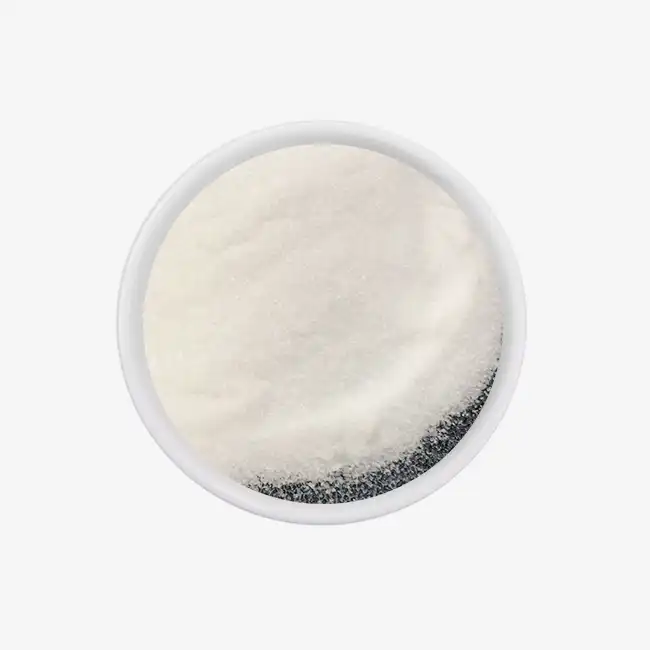
To stop clumps, you need to be careful on many fronts. Controlling the humidity in the warehouse is the main defence, but checking the quality of the packaging can find holes before they let in a lot of moisture. Using the first-in, first-out rule to rotate inventory makes sure that older stock is used first, which cuts down on the time it spends in storage. Some facilities have maximum storage time limits that don't depend on how much stock is left. They do this so that they don't have to risk finding useless materials during emergency calls.
Contamination Prevention
The quality of the chemicals used directly impacts both how well they melt ice and how well they follow the rules. Physical debris, chemicals that don't mix from shared storage areas, and cross-contamination from handling equipment are all things that can cause contamination. Many sources of contamination are eliminated when deicing goods are stored in places that are only used for that purpose. When it's necessary to use shared warehouse space, physical barriers like separate rooms or clearly marked zones keep things from mixing by accident.
Quality Verification and Testing
Setting up regular quality control procedures finds degradation early. Visual inspection during regular warehouse rounds finds problems with packaging and changes that can be seen in the products. More advanced businesses test their products in a lab on a regular basis to make sure they meet standards for purity levels, moisture content, and dissolving rates. These tests give us objective information that helps us make decisions about our inventory by showing us which lots need to be used right away before the quality gets worse.
Systems for keeping records should keep track of both test results and storage conditions. This way, the institution can learn more about how things work in different situations. This information is very helpful when looking at changes to a storage facility or a packaging provider because it lets you compare things to a standard that lets you see how much things have improved or gone backwards.
Choosing the Right Supplier and Storage Solutions for Your Airport Needs
Choose the right suppliers to make the supply chain reliable. During winter storm responses, aviation operations can't have airport runway solid potassium acetate shortages, so evaluating suppliers' abilities is very important.
Supplier Evaluation Criteria
Manufacturers that work with the aviation industry should show that they follow SAE AMS 1431E by proving it through testing and certification. This guideline sets performance standards, purity requirements, and impurity limits that make aviation-grade material different from industrial formulas. Suppliers should show records of analysis for each batch that show the chloride content is less than 0.2%, the iron content is less than 0.05%, and the total purity is more than 99.0%. These rules make sure that aircraft alloys don't rust and that they are safe for the environment.
Customized Storage Infrastructure
Another important thing to think about is production capacity. Suppliers need to make sure they have enough stock to fill orders during busy times, like when multiple airports restock before storms that are expected. Shanxi Zhaoyi Chemical has been in the chemical business since 1988 and can produce 150,000 tonnes of chemicals every year. This is enough to ensure a steady supply, even during long periods of bad weather. Their ISO 9001, ISO 14001, and ISO 45001 certifications show that they follow systematic standards for quality management and environmental care that are in line with airport requirements.
Along with choosing a supplier, internal storage infrastructure needs to be carefully planned. Small regional airports might be able to meet their operational needs with pallet storage systems that use standard warehouse shelving. These systems are flexible and don't require a lot of money up front, but they need to be handled by hand more often and don't protect each pallet from the environment as well as others.
Large and medium-sized airports can benefit from specialised silo storage systems that protect against moisture better and allow for automatic filling. When silos have bottom-mounted conveyors or auger systems, they allow spreading equipment to load directly, which cuts down on the number of steps needed and the cost of labour. It's important to carefully weigh the costs and benefits of buying silos, but facilities that use them a lot in the winter usually get their money back within a few seasons by saving money on labour and product loss.
Modular container systems are a good compromise because they offer outdoor storage with a fair amount of freedom. These special containers have climate control systems that keep the temperature and humidity just right while still letting trucks or forklifts get in and move things around. Because they are portable, they can be moved around depending on the time of year. For example, during the winter, storage can be centralised near busy airports, and during the summer, repair can be done in more remote areas.
Environmental and Regulatory Considerations for Storage and Use
Responsible airport runway solid potassium acetate stewardship includes more than just operational performance. It also includes protecting the environment and following the rules.
Environmental Impact Management
Because it breaks down naturally and isn't harmful to water, airport runway solid potassium acetate is the best alternative to urea, which breaks down into harmful ammonia. But responsible use still means taking into account how it affects the environment. When present in large amounts, acetate molecules raise the biological oxygen demand in receiving waters, which could put stress on marine ecosystems. When water is stored correctly, it doesn't leak out and affect groundwater or stormwater systems without being controlled.
Regulatory Compliance Documentation
Secondary control systems are very important for keeping things safe in case they get released by mistake. Sloped floors in storage areas should direct spills to collection sumps so they don't get into the ground or into drainage systems. Following EPA rules for storing hazardous materials, containment should be able to hold the biggest storage container plus extra space for water for fighting fires. However, the airport runway solid potassium acetate's low toxicity may allow some freedom in specific requirements.
Operating airports must keep a lot of paperwork to back up their environmental permits and import authorisations. Material Safety Data Sheets are important for rescue workers and government inspectors to have quick access to in storage areas because they contain important information. Certificates of Analysis for every batch of production show that the standards were met, which helps with both internal quality control and legal checks. When you buy something from another country, you also need to show customs paperwork like the right chemical classification, country of origin certificates, and compliance statements about restricted substances.
Environmental authorities inspect storage facilities and look at both the buildings' physical structure and their management systems. Well-organised paperwork showing proactive environmental stewardship usually leads to better relationships with inspectors and easier approval processes for changes to the facility or how it works.
Conclusion
To store airport runway solid potassium acetate from airport runways effectively, building design, environmental controls, handling processes, and supplier partnerships must all be carefully thought out. Because this important de-icing material is hygroscopic, it needs to be kept dry at all times. This can be done with climate-controlled storage and packaging that protects the integrity of the product. Procurement teams have to find a balance between short-term practical needs and long-term preservation. They do this by putting in place inventory rotation routines and quality verification processes that keep materials working well even after long periods of storage. When choosing a supplier, you should look at their production capacity, quality certifications, and experience in the aviation industry. This will help you make sure you have a reliable supply during the busy winter months. By using these best practices, airports can keep their operations ready while also protecting the safety of their employees, the environment, and the integrity of their infrastructure during the harsh winter months.
FAQ
What is the typical shelf life of airport runway solid potassium acetate under optimal storage conditions?
Aviation-grade airport runway solid potassium acetate usually stays fully effective for two years after it was made, as long as it is kept in the right way, in sealed, moisture-proof containers in climate-controlled spaces with below 50% relative humidity. It is still possible to store the substance for longer than this, but it should be quality-checked on a regular basis to make sure it continues to meet purity standards and dissolve properly. Following the principles of first-in, first-out inventory management, products that are getting close to or past their recommended shelf life should be sent out first. No matter how old the material is, it needs to be tested before it can be used for operations if it shows visible clumping, colour changes, or packaging damage.
How can facilities prevent moisture ingress during winter storage?
Comprehensive moisture prevention uses more than one method that all work together. Targeting relative humidity below 50% all the time requires dedicated warehouse space with continuous dehumidification as its base level of environmental control. Regular checks of the packaging for tears or holes before they let a lot of water in. Damaged bags are repackaged right away or put at the top of the list for quick use. Limiting how often and for how long doors can be opened in wet weather lowers the amount of moisture that gets in. Putting up airlock entrances or plastic strip screens makes buffer zones that slow the flow of humid air in. Scheduling receiving operations for times when humidity is lower, when possible, further lowers exposure. All of these layered approaches keep the dry conditions that are needed to keep the product fresh.
What safety precautions are essential for handling potassium acetate?
People who work with this stuff should wear the right safety gear, like safety glasses to protect their eyes from alkaline pH, dust masks to protect their lungs while handling bags, and chemical-resistant gloves to keep their skin from coming into contact with the material. Storage areas need to have enough air flow to keep dust levels in the air low. As a precaution against slips and falls caused by wet products, spill reaction gear like absorbent materials and warning signs must always be easy to get to. Training programs should teach the right way to lift heavy bags, how to operate a forklift safely, and what to do in an emergency. Keeping safety data sheets in easy-to-reach places makes sure that information is available in case of emergencies that need medical or environmental help.
Partner with Zhaoyi Chemical for Reliable Winter Runway Solutions
Shanxi Zhaoyi Chemical Co., Ltd. has been making high-quality airport runway solid potassium acetate for airport runways for 36 years and serves aviation facilities all over the world. Our SAE AMS 1431-compliant formula works reliably down to -60°C and protects aeroplane metals and infrastructure without corroding them. As a well-known provider with a yearly capacity of 150,000 tonnes, we keep security stock to make sure that orders are filled on time, even during the busiest winter months. Our technical team offers full storage advice that takes into account the unique climate problems at your facility and helps you find the best warehouse layouts and methods for handling materials. Our ISO certifications and KOSHER/HALAL compliance help us meet the needs of foreign buyers. Our flexible packaging options, such as 25 kg woven bags and 1000 kg ton-bags, can handle a wide range of operating sizes. Contact our experts at sxzy@sxzhaoyi.com right away for detailed technical specifications, competitive bulk pricing that is tailored to your seasonal needs, and expert advice that will make sure your winter operations stay safe and productive no matter what the weather is like.
References
1. Society of Automotive Engineers International. "AMS1431E: Potassium Acetate Runway and Taxiway Deicing/Anti-icing Fluid." SAE Technical Standards, 2018.
2. Transportation Research Board. "Airport Winter Safety and Operations." Special Report 312, National Academies Press, Washington, DC, 2012.
3. Federal Aviation Administration. "Advisory Circular 150/5200-30D: Airport Winter Safety and Operations." U.S. Department of Transportation, 2019.
4. International Civil Aviation Organization. "Airport Services Manual, Part 2: Pavement Surface Conditions." ICAO Document 9137-AN/898, Fourth Edition, 2022.
5. American Association of Airport Executives. "Chemical Storage and Handling Best Practices for Airport Operations." AAAE Technical Report Series, 2020.
6. Environmental Protection Agency. "Preliminary Data Summary: Airport Deicing Operations." EPA Office of Water, Washington, DC, updated 2021.

USER EVALUATE
Here is the customer's evaluation of us