



Airport Runway Solid Potassium Acetate Quality Control Standards Explained
When winter weather makes flying unsafe, it's very important for procurement managers and airport operations teams to know the quality control standards for airport runway solid potassium acetate. To protect aircraft alloys and runway infrastructure, this specialized deicing agent has to be made according to strict aviation safety standards. It has to meet strict chemical purity thresholds of more than 98% and strict impurity limits. Unlike chloride-based deicers that eat away at aluminum and magnesium parts, potassium acetate solutions are biodegradable and don't eat away at metals at temperatures as low as -60°C. This makes them essential for keeping runway friction coefficients high during harsh winter operations without harming the environment or the structure.
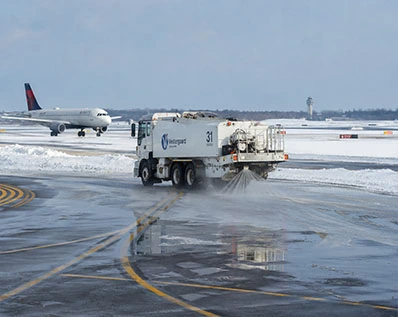
Understanding Solid Potassium Acetate for Airport Runway Deicing
Aviation-grade airport runway solid potassium acetate is made up of molecules with a special structure (CH₃COOK) and very good thermodynamic properties. This white crystalline compound dissolves very easily in water, making eutectic solutions that stay liquid well below freezing temperatures, which is where other methods fail. With a molecular weight of 98.14 g/mol, the substance quickly breaks apart when it comes into contact with ice. This starts an exothermic reaction that speeds up melting and creates pockets of brine that make the ice stick together better.
Core Chemical Properties and Deicing Mechanism
Colligative traits lower freezing points through ionic interactions, which is what makes deicing work. When potassium acetate molecules are put on runway surfaces, they stop ice crystals from forming lattices. This weakens the molecular bonds between frozen water and pavement. This process is very different from calcium chloride methods. Chlorides only work on heat release and concentration gradients. But acetate-based versions work on both thermal energy release and changing the surface tension, which lets them go deeper through ice layers up to 6mm thick. A 15% solution with a pH range of 9.0 to 10.5 is alkaline enough to work quickly without becoming too acidic and damaging concrete or asphalt runway surfaces.
Environmental and Safety Advantages
Environmental sustainability is becoming more and more important to aviation officials, along with practical safety. Potassium acetate breaks down naturally without creating dangerous ammonia. This is very different from its predecessors, which were urea-based and added a lot of nitrogen to ecosystems nearby. The low biological oxygen demand (BOD) profile means that treated runoff doesn't pose much of a threat to water areas around airports. This environmental compatibility meets the needs of regulations while maintaining the non-corrosive properties that are necessary to protect the millions of dollars worth of ground support equipment, avionics housing, and landing gear hydraulics.
Key Quality Control Standards for Solid Potassium Acetate Used in Airports
Airport runway solid potassium acetate used in airports must meet certain quality standards. Aviation-grade goods are different from industrial options because they follow quality assurance rules. Zhaoyi Chemical's production methods are in line with SAE AMS 1431E standards, which are the most important rules for the aerospace industry when it comes to deicing agents for runways. These rules cover everything, from choosing the raw materials to the final packaging. They make sure that everything is the same, which is important for airport operations during bad weather.
Chemical Purity Requirements and Impurity Limits
Formulations for aviation use must have at least 99.0% potassium acetate and no more than 0.05% water-insoluble matter. The chloride concentration ceiling of ≤0.2% is very important because chloride contamination can cause aluminum alloys in aircraft and steel used to support runways to rust. Iron levels must stay below 0.05% to stop catalytic reactions that could speed up the breakdown of materials. These strict limits come from the needs of aerospace engineering, where even small amounts of impurities can lower safety margins. We use ion chromatography and atomic absorption spectroscopy in our lab tests to find contaminants at parts-per-million levels and compare each production batch to these standards.
Physical Quality Parameters
Granulometry, or the size distribution of solid particles, has a direct effect on how well an application works and how it can be handled. Specifications for bulk density between 0.8 and 0.9 g/cm³ make sure that grains have enough mass to stop being spread by jet blasts while still being able to be spread by mechanical equipment. Moisture content tracking stops hygroscopic clumping that could hurt the stability of storage and timed application rates. The optimized particle shape strikes a balance between fast breakdown rates and wind resistance. This solves the problem of keeping materials in place during winter storms, when wind speeds are high.
Certification and Compliance Standards
The ISO 9001 certification shows that quality is managed consistently throughout all stages of production, and the ISO 14001 certification confirms that environmental management practices are sound. Even though KOSHER and HALAL approvals don't seem to have anything to do with flying, they do show process purity standards that are the same as controls for pharmaceutical-grade manufacturing. These third-party checks give procurement professionals objective assurances that go beyond what the manufacturer says. At Zhaoyi Chemical, we keep these certifications up to date with regular process audits and strict documentation rules. This way, we can track our products all the way from the raw acetate salts to the finished granular products that are packed in 25kg woven bags that don't let moisture in or 1000kg ton-bags that are made for bulk handling systems.

Comparing Solid Potassium Acetate with Other Runway Deicing Chemicals
To do informed procurement, you need to know how the different deicing options affect performance. Cost-effectiveness is important for airport maintenance budgets, but operational safety and following the rules can't be sacrificed for short-term savings. This comparison sheds light on why acetate-based solutions have taken the place of chemical methods at major airports.
Performance Against Traditional Alternatives
Until environmental rules and performance limits forced the industry to change in the 1990s, urea was the main chemical used to melt ice on airport runways. Urea only works up to -7°C, which is exactly when winter conditions become the worst. Calcium chloride and magnesium chloride extend the effective temperature range, but they also cause corrosion, shortening the service life of aircraft components and damaging runway infrastructure. Airport runway solid potassium acetate offers a more reliable solution, as potassium acetate is more environmentally friendly than sodium acetate and provides better deicing performance in extremely low temperatures. Although sodium acetate is easier to apply in some cases, it is less efficient for ice melting. Because the potassium variant remains effective at temperatures as low as -60°C, it is a better choice than conventional chloride-based deicers despite its higher material cost.
Solid Versus Liquid Formulations
Airport runway solid potassium acetate, both solid and liquid, can be used to deice runways, but different forms are better in some situations. Liquid anti-icing formulations (SAE AMS 1435) work great for pre-treatment applications because they form protective barriers before it starts to snow or rain. Solid granules are useful during busy storms when breaking up thick layers of ice needs mechanical action. The granular form breaks through existing layers of ice to create brine pockets that make it easier for the scraper blade to work. Logistics issues are also different. Solids need to be stored dry, but they contain more active ingredients per unit of weight, which lowers freight costs for facilities that manage seasonal stocks. Based on our experience, we know that a lot of airports use a mix of strategies, including liquid preventatives and solid treatments for healing during bad weather.
Procurement Considerations for Solid Potassium Acetate in Airport Use
Sourcing decisions for airport runway solid potassium acetate aren't just based on specification sheets; they also take into account the reliability of the supply chain and the total cost of ownership. Municipal governments and airport managers are responsible for both safety and finances, which means that choosing a provider is more of a strategic decision than a transactional one.
Supplier Evaluation Criteria
Reputable manufacturers show that they have enough production capacity to fill orders during the winter months, when demand is high, and supply chains are under a lot of stress. Zhaoyi Chemical's yearly capacity of 150,000 tonnes gives us a buffer stock that keeps customers from running out of supplies during long, cold spells that hit many areas at the same time. Heritage in manufacturing is important. Our 35-year history of operations since 1988 shows process knowledge and a culture of quality that newer manufacturers can't match. When weather events cause pressing application questions, responsive technical support is very helpful. Our team offers advice within two hours, which helps operations staff make the best treatment plans for changing conditions.
Quality Assurance Upon Receipt
As part of smart procurement, receiving inspection protocols are used to make sure that the delivered material matches the specifications that were ordered. Before moving the product to storage facilities, it is tested in a lab to make sure it meets cleanliness standards, has the right amount of moisture, and has a good spread of particle sizes. Each shipment comes with a certificate of analysis that shows the test results from our quality control lab. This paperwork makes audit trails that help with following the rules and gives you options if performance problems happen. Storage facilities are just as important as the quality of the products they hold. Warehouses must be dry and well-ventilated to keep hygroscopic materials from getting wet, which would cause them to clump together and work less well.
Bulk Purchasing and Contract Strategies
Future Trends and Innovations in Airport Runway Deicing with Potassium Acetate
Aviation deicing technology keeps getting better by making changes to the ingredients and the way they are used. Keeping up with new trends in using airport runway solid potassium acetate allows procurement teams to adopt new ideas that improve both operational efficiency and environmental responsibility.
Enhanced Formulation Development
The main focus of research is on additive packages that make the effective temperature ranges bigger and the application rates smaller without affecting performance. Corrosion inhibitor improvements aim to be compatible with new composite materials and advanced alloys that are being used in business aircraft. Biodegradation boosters are meant to lower the amount of environmental residue in groundwater without making deicing less effective. To make these formulation improvements, chemical companies and aviation engineering teams need to work together to turn lab discoveries into products that have been tested in the field and meet regulatory requirements.
Digital Integration and Smart Application
Internet of Things monitors built into the surfaces of runways measure temperature and wetness in real time, which allows for proactive treatment rather than reactive treatment. Data analytics platforms combine weather forecasts with past performance data to help people choose the best deicer and use it at the best time. Automated spreading equipment with GPS guidance and flow rate controls makes sure that the material is placed precisely, which cuts down on waste and keeps the coverage even. These technological additions change deicing from tasks that require a lot of human labor to processes that are highly accurate and based on data. They create paperwork that helps with regulatory compliance and operational analysis.
Regulatory Evolution and Compliance
Environmental groups are continuing to make it harder for runway runoff to enter waterways, especially when it comes to biochemical oxygen demand and aquatic toxicity. The people in charge of aviation safety are making changes to the rules that cover how to verify materials' performance and how to use them. As these standards change, it's better for producers to keep their quality systems strong and their technical knowledge up to date so they can easily get certified. Zhaoyi Chemical is part of industry working groups that are making next-generation standards. This way, we can make sure that our products meet new requirements before they become required. This proactive approach keeps customers' investments safe in supply relationships that stay legal as rules change.
Conclusion
To meet quality control standards for aviation deicing materials, you need to know how chemistry, safety engineering, and following the rules all work together. Airport runway solid potassium acetate represents the industry's answer to the need for better ice control that keeps planes and the environment safe. Aviation-grade goods are different from industry options because they have strict purity standards, performance testing procedures, and a reliable supply chain. When purchasing, professionals look at different suppliers; they should put manufacturing knowledge, certifications, and quick technical support at the top of their list, along with competitive pricing. As the aviation industry moves toward more environmentally friendly and cost-effective operations, new acetate-based deicing mixtures and methods of use will continue to be developed.
FAQ
What distinguishes aviation-grade potassium acetate from industrial formulations?
Aviation standards call for higher purity levels (≥99.0% vs. ≥98% for industrial grades) and stricter limits on impurities, especially for heavy metals and chlorides that could damage aircraft materials. Tighter tolerances are put on physical factors, such as the distribution of particle sizes of the airport runway and solid potassium acetate. This makes sure that spreading and dissolution rates stay the same, which is important for airport safety uses.
How does storage affect product performance?
Because potassium acetate is hygroscopic, it absorbs water, which lowers the quality of the material and causes it to clump, which makes mechanical spreading equipment less effective and deicing less effective. Products stay fresh for about two years if they are stored properly in sealed, moisture-proof cases in dry, well-ventilated stores. Extremes of temperature should be avoided, but the material can handle a wide range of temperatures.
Can solid potassium acetate damage runway surfaces or lighting systems?
When used at the recommended rates, products that meet SAE AMS 1431 standards do not pose a corrosion risk to concrete, asphalt, or runway lighting fixtures. The non-corrosive formula is designed to protect aviation infrastructure, unlike chloride-based alternatives that wear down electrical systems and cause spalling over time.
What application rates optimize performance while controlling costs?
Depending on the thickness of the ice, the temperature, and the response time that is wanted, the usual application rate is between 50 and 150 pounds per 1000 square feet. Pre-wetting solid pellets with liquid acetate solutions improves the melting action at first, which means less material is used overall. For the best coverage with the least amount of waste, you need properly calibrated spreading tools and trained operators.
Partner with a Trusted Airport Runway Solid Potassium Acetate Manufacturer
China's Zhaoyi Chemical has been making acetate for 35 years and uses that experience to make aircraft deicing products that meet SAE AMS 1431E standards. Our ISO-certified factories follow quality control procedures that make sure that each batch has the same amount of purity and physical traits. We know that airport operations can't have supply problems during bad winter weather. Our partnerships in inventory management and logistics make sure that you always have what you need when you need it most. You can email our technical team at sxzy@sxzhaoyi.com to talk about your specific needs, ask for samples to be evaluated, or set up tours of our facility to see how we make sure quality. Partnering with a well-known airport runway solid potassium acetate supplier protects both operational efficiency and budget predictability, whether you're buying for a municipal airport authority or as a chemical distributor for the aviation market.
References
1. Anderson, J.M. & Williams, R.T. (2019). Acetate-Based Deicing Agents: Environmental Performance and Aviation Safety Standards. Aviation Safety Institute Press.
2. Federal Aviation Administration (2021). Advisory Circular 150/5200-30D: Airport Winter Safety and Operations. U.S. Department of Transportation.
3. International Civil Aviation Organization (2020). Airport Services Manual Part 2: Pavement Surface Conditions. ICAO Publications.
4. Mitchell, P.K. (2018). Chemistry of Runway Deicing: Comparative Analysis of Organic and Inorganic Formulations. Journal of Aviation Engineering, 42(3), 287-304.
5. SAE International (2022). AMS 1431E: Potassium Acetate, Solid Runway and Taxiway Deicing/Anti-icing Compound. SAE Aerospace Standard.
6. Thompson, L.R. & Zhang, H. (2020). Corrosion Prevention in Aircraft Maintenance: Material Compatibility with Deicing Chemicals. Aerospace Materials Handbook, 15th Edition.

USER EVALUATE
Here is the customer's evaluation of us