



What Test Reports Should You Request Before Buying Deicing Solid Potassium Acetate?
It is not an option to ask for full test documentation when buying deicing solid potassium acetate for snow and ice management. It is a must. Before the first snowflake falls, you need solid proof that your deicing solid potassium acetate meets performance specifications as a procurement professional in charge of aviation safety, infrastructure integrity, or environmental compliance. The right test reports show everything from the purity of the chemicals and how well they melt to how safe they are for the environment and how well they resist corrosion. If you don't have this paperwork, you're basically trusting what the seller says without checking it. This is a risk that could put workplace safety at risk, damage infrastructure, or break environmental laws. You can protect your assets, budget, and reputation by making smart decisions when you know which test reports to ask for and how to understand them.
Understanding Potassium Acetate Deicing Solid and Its Quality Requirements
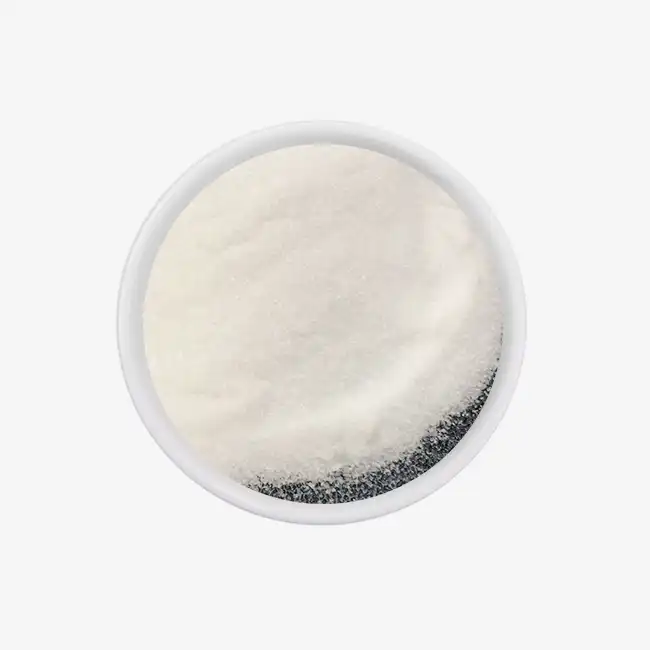
Instead of chloride-based deicers, deicing solid potassium acetate (CH3COOK) has become the preferred choice for use in aviation and critical infrastructure. This white, solid substance works better than regular rock salt or calcium chloride mixtures because it has unique performance properties.
Chemical Composition Verification
The chemical formula CH3COOK stands for a molecule with a molecular weight of 98.14 g/mol. It is made up of a potassium cation and an acetate anion. How well deicing works is directly related to how pure the product is; premium-grade products usually have ≥99.0% deicing solid potassium acetate content. Products with lower quality add impurities that hurt the function and could hurt sensitive surfaces. Reliable suppliers give Certificate of Analysis (CoA) documents for every batch of production, which use standard analytical methods to confirm the exact chemical composition.
Performance Characteristics That Matter
Real-world deicing power is based on temperature tolerance. The effectiveness of good deicing solid potassium acetate stays the same at -30°C (-22°F), which is much lower than the effectiveness of regular rock salt at -9°C (15°F). When moisture comes in contact with the exothermic dissolution process, heat is released. This speeds up the melting of ice and breaks the bond between ice and pavement surfaces. This trait is very important during bad weather, when quickly clearing the runway is what keeps operations going.
Environmental and Safety Standards
Unlike chloride-based alternatives, deicing solid potassium acetate is biodegradable and doesn't stay in the environment for long. The acetate part breaks down naturally and doesn't build up in the soil or groundwater. Products that meet the aircraft standards set by SAE AMS 1431 show that they meet strict environmental standards and keep plants, animals, and water environments safe from harm. Manufacturers that you can trust keep their ISO 14001 environmental management standards, which show that they care about the environment in more ways than just following the rules.
Essential Test Reports to Request Before Purchase
Purchasing choices that are backed up by detailed paperwork lower risk and make sure that products are delivered on time every time. The test reports below prove that your supplier does what they say they will do.
Chemical Analysis and Purity Reports
A thorough chemical analysis report confirms the correct concentration of deicing solid potassium acetate and lists any impurities in the mixture. Testing should be done to make sure that the CH3COOK percentage is at least 99.0%, with a focus on the amounts of contaminants. If you want to avoid the corrosive effects you're trying to avoid by choosing acetate-based products, the chloride content should stay below 0.2%. Iron percentage limits (≤0.05%) keep things from colouring and breaking down quickly. Water-insoluble substances shouldn't be more than 0.05%, which will make sure that they dissolve completely and don't leave behind any residue. These specs have a direct effect on how well an application works. For example, higher purity means predictable melting rates and consistent performance across a wide range of temperatures.
SAE AMS 1431 Compliance Documentation
The standard for runway deicing compounds is set by the Society of Automotive Engineers Aerospace Material Specification AMS 1431. This certification proves that the products are safe enough to be used in aviation applications that can't compromise safety. The standard talks about how to keep aluminium alloys, steel parts, and magnesium structures from rusting. These materials are often used to build aeroplane landing gear and airframes. Products that are certified to AMS 1431 go through total immersion corrosion testing on 7075-T6 aluminium, which makes sure that there is no structural damage when the product is used. More and more airport operators and aviation authorities require this certification, which makes it necessary paperwork for buying things in the aviation sector.
Melting Point and Ice Penetration Performance Data
Performance data that was checked in a lab shows that it can actually melt ice in controlled circumstances. Melting point depression tests find the lowest temperature at which the substance can still melt ice. Protocols for quality testing mimic real-world situations like surface temperatures, application rates, and wetness levels. Measurements of ice penetration speed show how quickly the product breaks the bond between the ice and the pavement. This is a very important factor when quick runway clearing determines whether flights happen on time. Comparative tests with standard deicers (rock salt, calcium chloride) shows how better performance fits into the bigger picture.
Corrosion and Material Compatibility Testing
One of the main reasons people choose deicing solid potassium acetate over chloride deicers is to protect infrastructure. When checking for corrosion, different types of metals should be used together, such as carbon steel, stainless steel, aluminium, and surfaces that have been galvanised. Standardised measurements of corrosion rate are given by the ASTM G31 immersion testing methodology. Testing the product's resistance to concrete scaling according to ASTM C672 makes sure that it won't damage pavement surfaces when they freeze and thaw many times. It has been tested on asphalt, painted surfaces, and polymer coats to make sure it works with a variety of building materials.
When procurement professionals know what these test requirements are, they can set clear expectations for suppliers and check the quality of the product before it is sent out for the season.
Comparing Test Reports Among Deicing Solids: Why It Matters
When comparing standardised test results side by side, it's easy to see how different deicing formulas perform. By comparing them, these examples show why deicing solid potassium acetate is the best choice for certain tasks.
Potassium Acetate vs. Traditional Salt Alternatives
Traditional rock salt, which is sodium chloride, costs less at first, but it ends up costing more in the long run because it corrodes infrastructure, needs to be cleaned up, and can't be used in all temperatures. Reports from tests show that rock salt is much less useful below -9°C, which is exactly when winter weather is the worst. Calcium chloride increases the temperature range that can be used, but it also speeds up the breakdown of concrete and plants. Magnesium chloride doesn't stop corrosion as well as sodium chloride does, but it is still bad for the environment. Test results regularly show that deicing solid potassium acetate performs better than chlorides in a number of areas, including being less corrosive (often 70–90% less corrosive), working better at higher temperatures for longer, and having less of an effect on the environment.
Certification Standards and Third-Party Verification
Independent verification of manufacturer claims is provided by third-party certifications. Getting ISO 9001 quality management certification shows that you can control and track your production in an organised way. Verification of ISO 14001 environmental management shows that all manufacturing processes are environmentally responsible. REACH (Registration, Evaluation, Authorisation, and Restriction of Chemicals) compliance in European markets makes sure that chemicals are safe and that the right substances are registered. Products with multiple certifications from well-known groups show that the supplier cares about quality and being honest.

Reading Between the Lines of Lab Data
Test results have useful information that goes beyond simple "pass" or "fail" signs. Find out more about the testing methods—were they done by internal labs or by facilities that are not part of the company? Testing by a third party who is not involved in the project is more reliable. Check the times of the tests to make sure they are up-to-date; reports that are too old may not reflect the latest output standards. Check the steps for choosing samples to make sure that the testing is based on real production batches and not samples that were specially made. Check the accuracy of results from different batches by comparing data from different lots. There are problems with quality control that could affect the reliability of operations if there are big differences between batches.
How to Integrate Test Report Insights Into Your Procurement Process
Reviewing documentation is most useful when it is a regular part of evaluating suppliers and making sure quality is always being met.
Establishing Clear Procurement Criteria
Quality standards must be different for each application. For airport runways, SAE AMS 1431 approval is a must. On the other hand, corrosion protection and concrete compatibility may be more important for highway bridges. Managers of public parking lots in cities care about protecting the environment and plants. Based on your specific operational needs, set minimum acceptable standards for each specification parameter. Make procurement scorecards that weight criteria based on practical goals. For example, applications that need to be safe should pay more for better documentation, while applications that don't need to be as precise might be able to handle a wider range of specifications.
Supplier Evaluation Framework
Being open with your suppliers is a good way to tell if the quality is good. Manufacturers who are sure of their products will gladly give you all the testing information you need. Check to see how thorough the suppliers' documentation is, how often they test, and how quickly they respond to technical questions. Ask for batch-specific COA documents instead of general specification sheets. This shows that you are committed to checking the quality of all production runs. Check to see if providers have their quality processes checked by a third party on a regular basis. Companies that have ISO certification keep written procedures for how to handle products that don't meet standards. This gives customers a way to get help if quality problems arise.
Building Quality Verification Into Contracts
Shanxi Zhaoyi Chemical has been making chemicals for more than thirty years and is certified by ISO 9001, ISO 14001, and ISO 45001. They follow strict batch testing protocols and give customers detailed paperwork for every shipment. This dedication to openness helps people make smart purchasing choices and builds trust in long-term partnerships.
Practical Application Tips Based on Verified Product Quality
Data from test reports is directly translated into operational best practices that protect people and infrastructure while improving product performance.
Storage and Handling Protocols
Because deicing solid potassium acetate is hygroscopic, it easily takes in water from the air around it, which could cause it to clump or work less well. Safety Data Sheets list the best conditions for storage, which are dry, well-ventilated warehouses that stay below 25°C and have a relative humidity below 60%. Products that are packed in 25 kg plastic weave bags that don't absorb moisture or 1000 kg ton-bags need to be kept safe from direct ground touch and the weather. Limits on stack height keep bags from getting damaged and maintain the purity of products. Separate keeping away from things that don't go together (like strong acids and oxidisers) keeps things from getting contaminated and poses safety risks.
Application Rate Optimization
Application rate calculations for different weather conditions are based on data from performance tests. For light ice buildup, 50 to 100 grams per square metre may be enough. For heavy ice buildup, 150 to 250 grams per square metre is needed. Temperature affects application rates; for the same melting action in colder settings, higher concentrations are needed. Adding liquid deicing solid potassium acetate to solid granules before spreading them reduces bounce and scatter while speeding up the melting process. Adjust the tools for spreading based on test report data on how the particle sizes are distributed to get even coverage with no waste.
Environmental Best Practices
Even deicers that are good for the environment need to be used properly. Watch the rates of application to avoid using too much, which wastes product and raises the amount of acetate in runoff water for no reason. Put in runoff collection systems in places that are good for the environment to catch meltwater that can be treated or let out slowly. Timing applications to weather forecasts makes them work better—applying the product right before it starts to rain protects against freezing with fewer drops than deicing after a storm needs. When you use both motorised snow removal and targeted chemical application, you use less product overall while still meeting safety standards.
These practical lessons show how correctly reading technical documentation improves performance and cuts costs in the real world.
Conclusion
Reliable suppliers can be distinguished from those making unsupported claims by providing clear evidence of product quality. When evaluating deicing solid potassium acetate, you can protect your purchasing investment and ensure safe operations by requesting complete chemical analysis, performance verification, safety data, environmental compliance documentation, and corrosion testing results. Comparing test data from different suppliers helps identify performance differences, explains variations in pricing, and supports value-based purchasing decisions. By incorporating document reviews into structured procurement processes, you can strengthen supplier relationships and maintain consistent quality standards. Taking the time to understand test reports delivers long-term benefits, including improved melting performance, reduced infrastructure damage, and more sustainable winter maintenance practices.
FAQ
What documentation should accompany every shipment of potassium acetate?
There should be a batch-specific Certificate of Analysis (CoA) with every delivery that confirms the amount of deicing solid potassium acetate, impurities, moisture, and particle size distribution. Safety Data Sheets (SDS) tell you how to handle something and what to do in an emergency. For aviation-grade products, SAE AMS 1431 certification documents show that they meet aerospace standards. Packaging should have batch numbers on it so that they can be tracked back to the records of how they were made.
How often should suppliers update their test reports?
Reputable manufacturers test every batch of products they make and make new COA documents for each lot. Third-party certification checks done once a year make sure that ISO and business standards are still being followed. Corrosion tests and environmental effect studies are usually updated every two to three years, unless the formula changes. When looking at new providers, make sure you get the most up-to-date paperwork.
Can I conduct independent verification testing?
Yes, independent verification is the best way to go for important applications. Many buyers keep samples from shipped goods so that they can be analysed by a third-party lab. This makes sure that the supplier's paperwork is correct. Purchase deals should have clauses that let the buyer start the testing and make the seller pay for it if the results don't meet the requirements. This practice makes suppliers more responsible and provides extra quality assurance.
Partner With a Certified Deicing Solid Potassium Acetate Manufacturer
Zhaoyi Chemical can help you with your winter operations problems because they have been making acetate for more than 30 years. Our deicing solid potassium acetate is pure enough to meet SAE AMS 1431 standards, and we can prove it with full batch testing records. We keep quality standards that are higher than what the industry needs with ISO 9001, ISO 14001, and ISO 45001 certifications. Our yearly production capacity of 150,000 tonnes guarantees a steady supply for bulk buying needs, and our flexible packing choices can be used by businesses of all sizes. You can email our technical team at sxzy@sxzhaoyi.com to get product specifications, test reports, and application advice that is made just for you.
References
1. Society of Automotive Engineers. "Aerospace Material Specification AMS 1431: Compound, Solid Runway and Taxiway Deicing/Anti-icing." SAE International, 2018.
2. American Society for Testing and Materials. "ASTM C672: Standard Test Method for Scaling Resistance of Concrete Surfaces Exposed to Deicing Chemicals." ASTM International, 2019.
3. American Society for Testing and Materials. "ASTM G31: Standard Guide for Laboratory Immersion Corrosion Testing of Metals." ASTM International, 2021.
4. International Organization for Standardization. "ISO 14001: Environmental Management Systems—Requirements with Guidance for Use." ISO, 2015.
5. Federal Aviation Administration. "Advisory Circular AC 150/5200-30D: Airport Winter Safety and Operations." U.S. Department of Transportation, 2020.
6. Nixon, William A., and DeVries, Robert M. "Development and Validation of a Methodology to Evaluate Airport Pavement Deicing Chemicals." Transportation Research Record: Journal of the Transportation Research Board, 2015.

USER EVALUATE
Here is the customer's evaluation of us